
Best Places to Visit in China in 2027: 10 Destinations Going Viral Right Now
Chongqing's monorail through a building, Zhangjiajie's floating peaks, Shenzhen's robot cafés: 10 China destinations going viral in 2027, with prices.
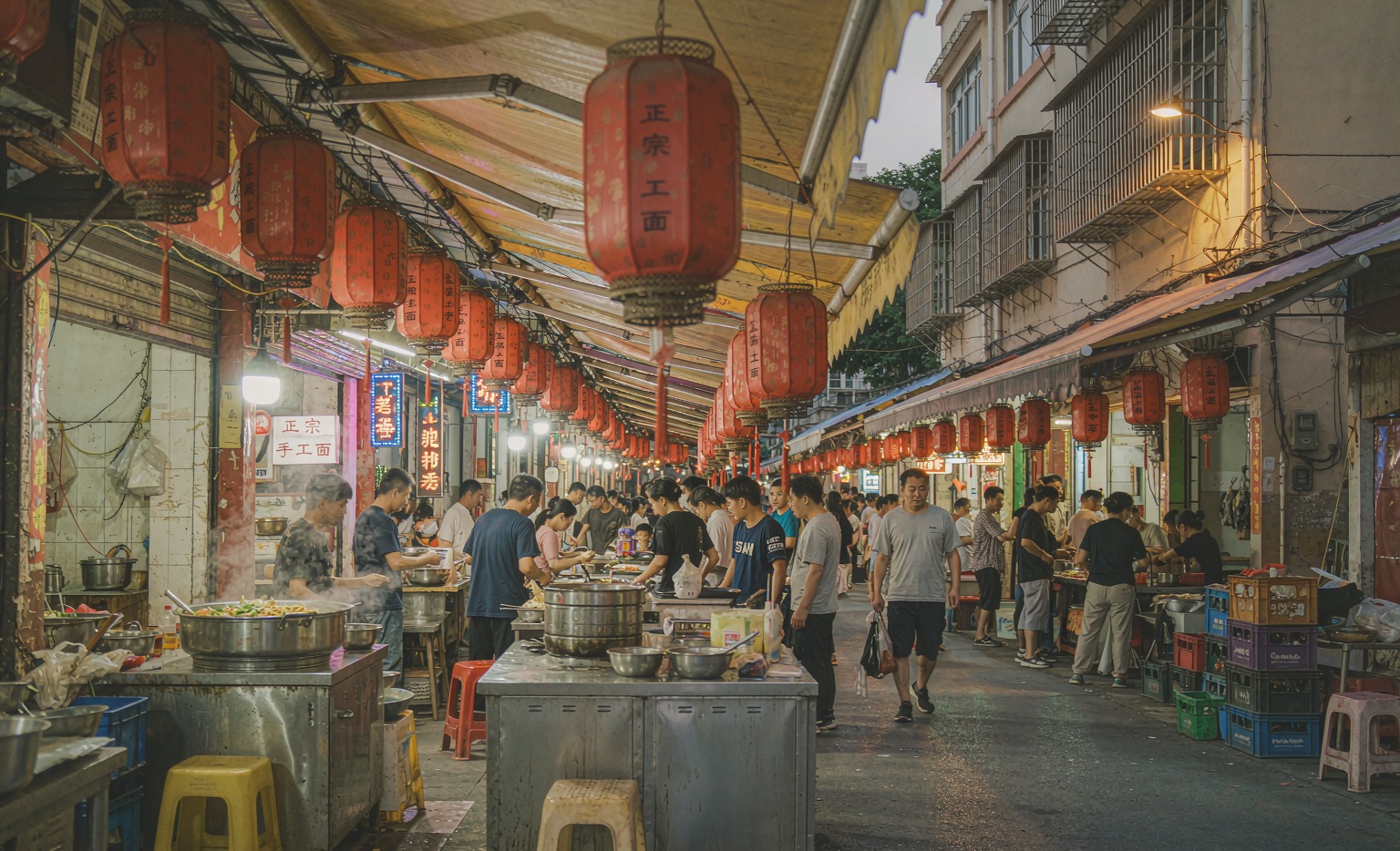
The short answer: The ten places drawing the most foreign attention to China going into 2027 are Chongqing, Zhangjiajie, Shenzhen, the daily-life cities (Chengdu and Haikou for the morning-ritual scene), Xi'an, the Great Wall at Simatai, Shanghai, Guilin and Yangshuo, the shopping corridors of Yiwu and Shenzhen's Huaqiangbei, and the cool-summer karst country of Guizhou and Guangxi. What connects them is not that they are the most famous sights in China — it is that they are the ones foreign travellers are actually filming, and the ones the numbers back up.
China recorded 22.91 million inbound trips by foreign nationals in the first half of 2026, up 20.4% year on year, with 17.82 million of those — 77.7% — entering visa-free (National Immigration Administration, via CGTN, July 2026). Foreign visitors now reach close to 500 Chinese cities, not just the big four.
At a glance
| # | Destination | What made it go viral | Best months | Typical ticket |
|---|---|---|---|---|
| 1 | Chongqing | Monorail through an apartment block; "8D" vertical city | Mar–May, Sep–Nov | Hongyadong free |
| 2 | Zhangjiajie | The Avatar sandstone pillars; cliff via ferrata | Apr–Jun, Sep–Nov | ¥236 (4-day) |
| 3 | Shenzhen | Drone delivery, robot cafés, driverless taxis | Oct–Apr | Free to explore |
| 4 | Chengdu / Haikou | The "Chinamaxxing" daily-ritual scene | Year-round | Park tea ¥20–40 |
| 5 | Xi'an | Hanfu photoshoots; the Terracotta Army | Apr–May, Sep–Oct | ¥120 (Army) |
| 6 | Great Wall (Simatai) | Night tours and 1,600°C iron-flower fireworks | Apr–May, Sep–Oct | Varies by section |
| 7 | Shanghai | 48-hour tailored suits; lane-house life | Mar–May, Oct–Nov | Free to explore |
| 8 | Guilin & Yangshuo | Karst peaks and the Li River | Apr–Oct | Cruise from ~¥215 |
| 9 | Yiwu / Huaqiangbei | "Empty suitcase" shopping trips | Year-round | Free to browse |
| 10 | Guizhou & Guangxi karst | Cool-summer escapes and canyon slides | May–Sep | Varies |
Ticket prices checked September 2026 and rounded. Always re-check on the official site or a licensed platform before you book — Chinese attractions change both prices and entry rules frequently.
1. Chongqing — the city that breaks Google Maps
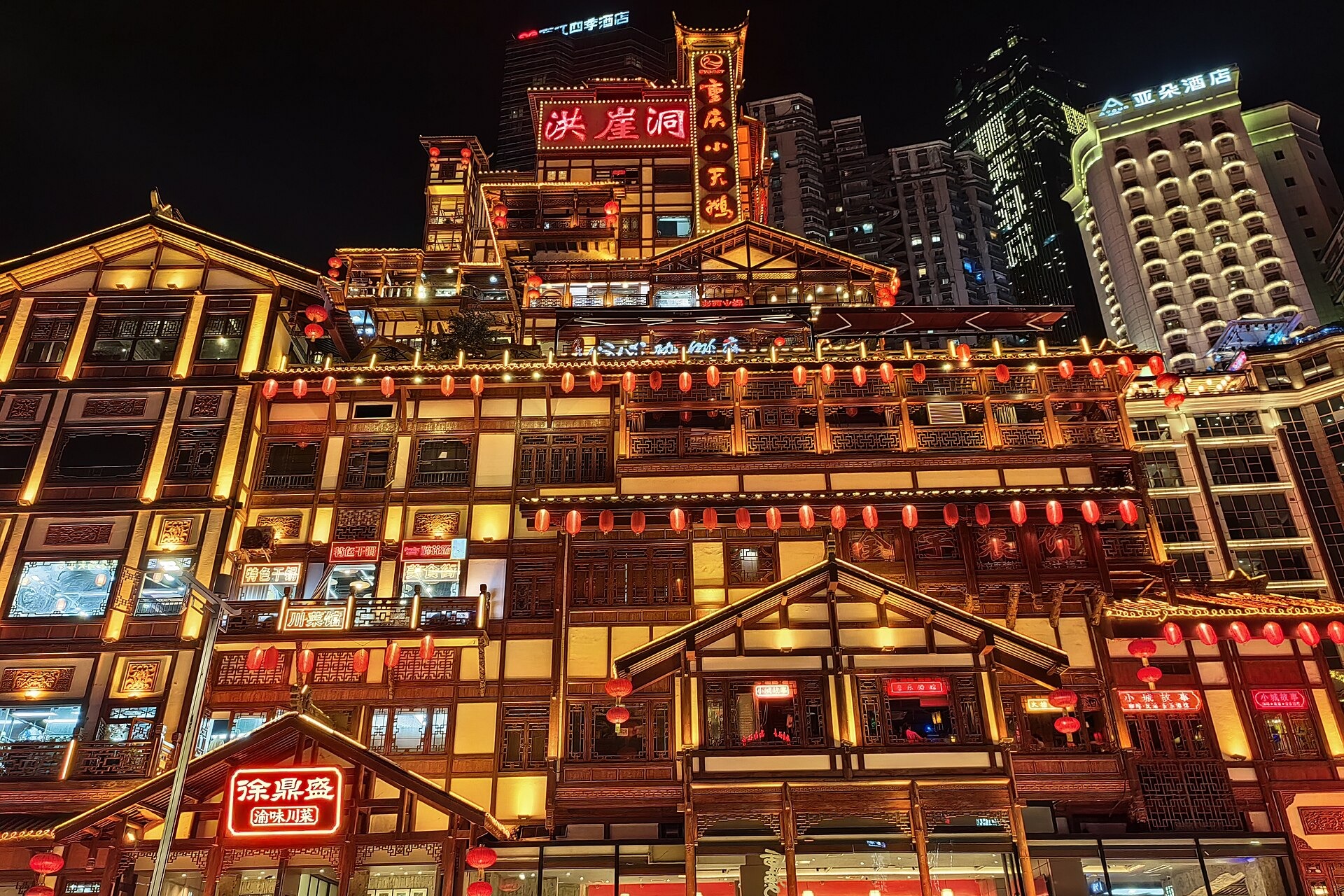
Chongqing is the single clearest example of the new rules. It has no headline monument, yet it is the most filmed city in China for short video, and the visitor numbers have followed the cameras.
Why it's going viral. The Liziba monorail station, where Line 2 passes straight through the eighth floor of an apartment building, is the most-copied shot in Chinese travel content. Behind it comes the rest of the "8D city" grammar: Hongyadong's eleven-storey stilt-house complex glowing gold above the Jialing River, the Sujiaba interchange stacking five levels of road, and hotpot restaurants built into converted Second World War air-raid shelters. Chongqing ranked second on KAYAK's global emerging destinations list for 2026, and on Douyin the hashtag for the "Chongqing landing visa" joke passed 5.5 billion views (HelloChinaTrip).
The numbers. The city handled more than 610,000 foreign arrivals in the first half of 2026, up 86% year on year — one of the fastest growth rates of any Chinese city (China.org.cn).
What to do. Ride Line 2 to Liziba and watch from the viewing platform below. Walk Hongyadong at 19:30, when the lights come on and the bridge lights are still up. Eat hotpot somewhere that looks like a cave, because it probably is one. Then take the Yangtze River cable car for the view nobody films twice, and spend an afternoon in the Wulong karst outside the city if you have the time.
Practical. Hongyadong is free and best between 19:30 and 21:00; the crowds between 19:00 and 20:30 are genuinely punishing, so arrive early and stay late. See our Chongqing city guide for districts and transport, and getting around a Chinese city for how the metro system actually works with a foreign phone.
2. Zhangjiajie — the floating mountains, now with via ferrata
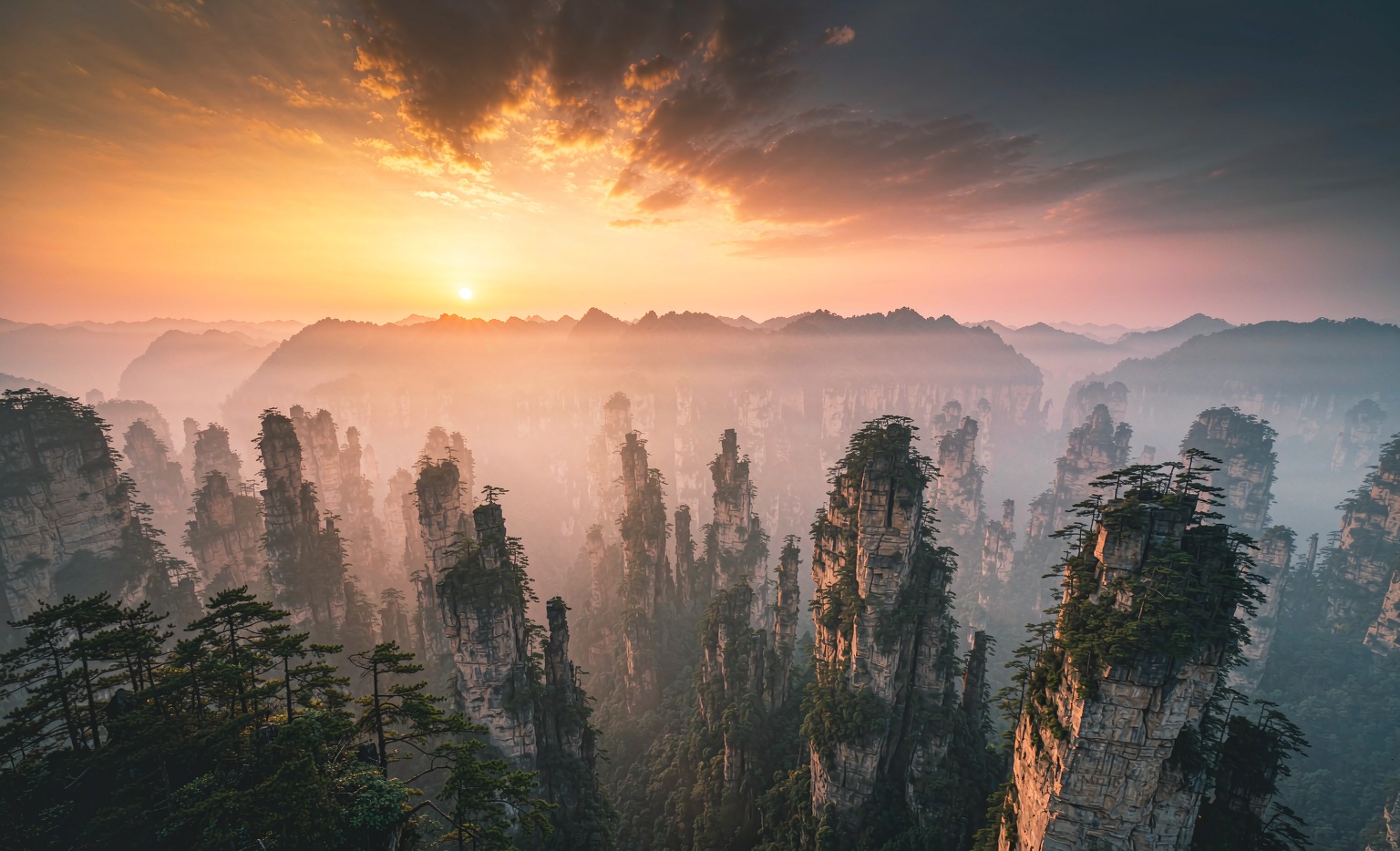
Zhangjiajie has been on every list since Avatar came out, but the reason it is climbing again in 2026 is the add-on experiences, not the view.
Why it's going viral. The Bailong Elevator lifts you 326 metres up a cliff face in 66 seconds; foreign creators have taken to calling it "the coolest lift in the world." At Qixing Mountain, a via ferrata route — a protected climbing path with steel cables and rungs — lets people with no climbing experience hang off a hundred-metre rock face above the valley. At Zhangjiajie Grand Canyon, the glass bridge now runs bungee jumps and a cross-canyon zip line. One creator described the whole experience as "a real-life video game," and the clips are doing exactly what that phrase suggests.
The numbers. Zhangjiajie received 994,500 inbound visitors between January and August 2026, up 20.47%, and at the Grand Canyon foreign visitors made up more than half of all ticket holders at points during the year. European bookings specifically rose 93.69% over the summer (CCTV, September 2026).
Practical. Wulingyuan Scenic Area — the park with the pillars — costs ¥236 for a four-day ticket including the shuttle buses, or ¥165 for entry alone. Tianmen Mountain is separate and runs ¥288 for the A, B or C route; the two tickets are not interchangeable, and the glass bridge at the Grand Canyon is separate again. Build in three to five days. Note the park does enforce timed entry, so book a slot rather than turning up. Our Zhangjiajie guide covers which gate to use for which route.
3. Shenzhen — what daily life looks like in 2050
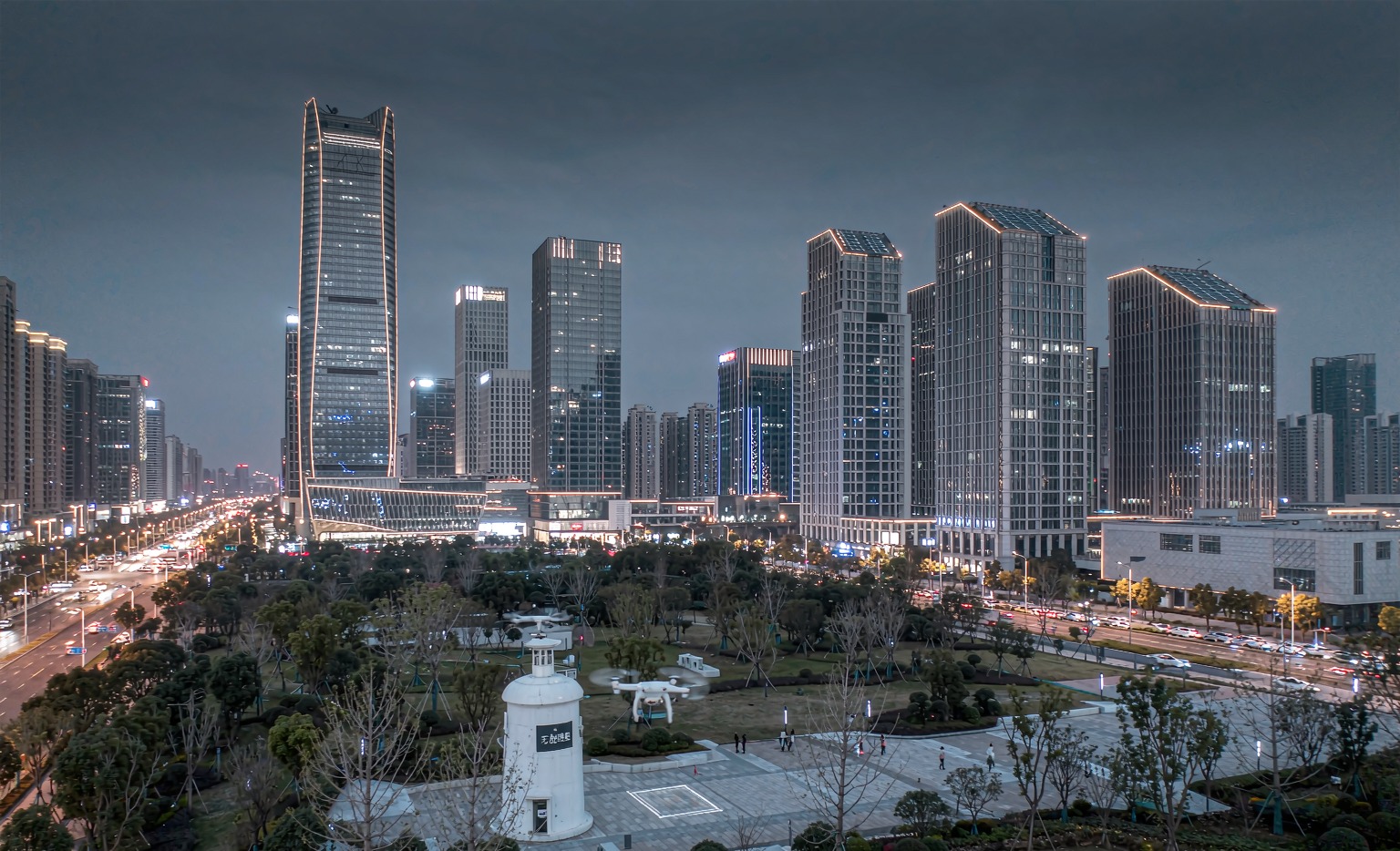
If Chongqing sells visual impossibility, Shenzhen sells the future as a normal Tuesday.
Why it's going viral. Drones deliver ice cream in public parks. Robot baristas pull coffee. Driverless taxis run in parts of the city. Huaqiangbei, the electronics market district, has turned into a tourist attraction in its own right, with visitors testing AI glasses, drones and folding phones on the stalls. The clip that set the tone was a foreign vlogger filming a drone descending with her ice cream in a Shenzhen park; another widely shared YouTube video, China in 2050, traced a technology-themed route from Shanghai to Beijing and passed 1.3 million views. Shenzhen ranked fifth in KAYAK's 2026 emerging destinations report.
What to do. Spend a morning in Huaqiangbei, an afternoon in the Shenzhen Talent Park watching drone delivery, and an evening in Nanshan. If you want the contrast shot, the Ping An Finance Centre observation deck gives you the skyline that the city is actually known for.
Practical. Shenzhen is one of the easiest Chinese cities to reach and the easiest to pay in — see how foreigners pay in China before you fly, because cash genuinely will not work in most places. The Shenzhen guide covers districts and the Hong Kong border crossings.
4. The daily rituals — why "Chinamaxxing" is a travel trend
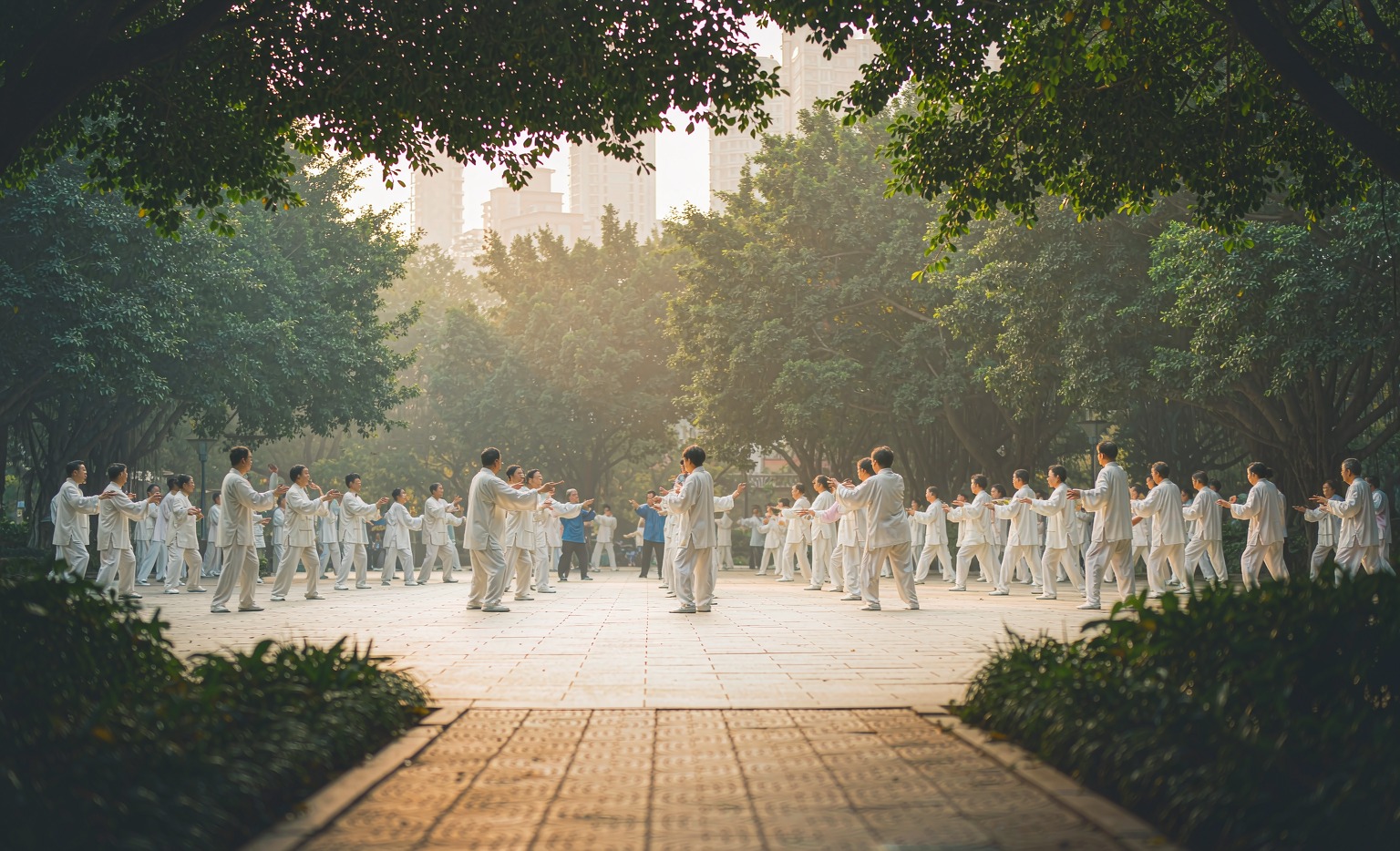
This is the entry that would never appear on a conventional sightseeing list, and it is arguably the strongest trend of 2026. #Chinamaxxing passed 4 billion views within months of emerging in early 2026 — videos of foreigners drinking warm water, practising baduanjin, soaking their feet and following Chinese short dramas. On TikTok, content around Chinese bathhouses added 12 billion views, and rural China added 50 billion over the same period.
Where to experience it. The park-teahouse circuit is the easiest entry point. Chengdu's People's Park teahouses fill every morning with locals drinking jasmine tea in bamboo chairs under the trees — it costs a couple of dollars for a seat and unlimited refills, and nobody will mind if you sit there for three hours. Haikou's People's Park runs tai chi and baduanjin sessions at dawn. Morning markets in almost any Chinese city do the food half of the ritual.
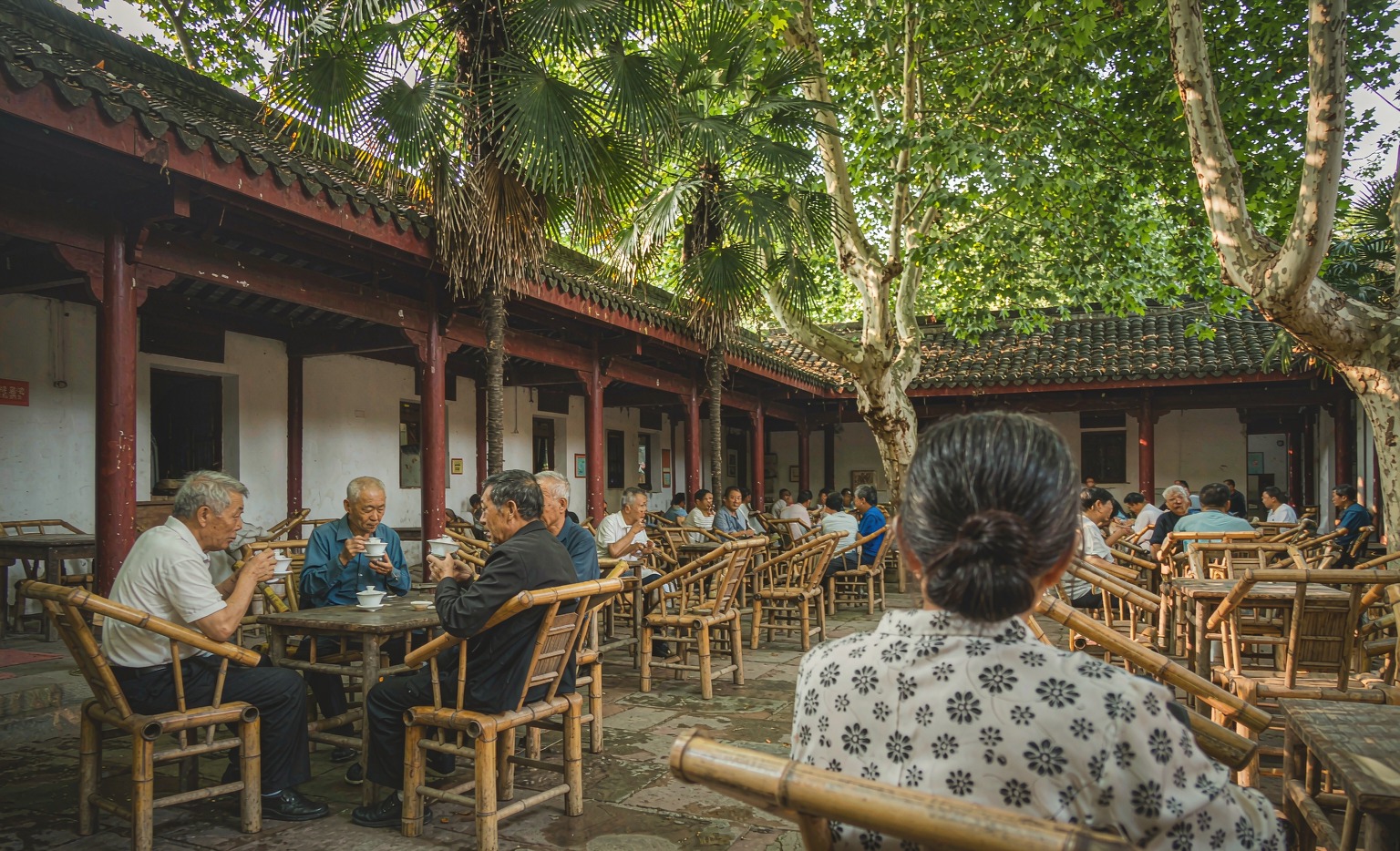
Practical. Go early — 06:30 to 08:00 is when the parks are at their best and the light is with you. Nobody expects you to join in, but nobody will stop you either. For ordering without a translation app, see eating in China.
5. Xi'an — the hanfu capital and the Terracotta Army
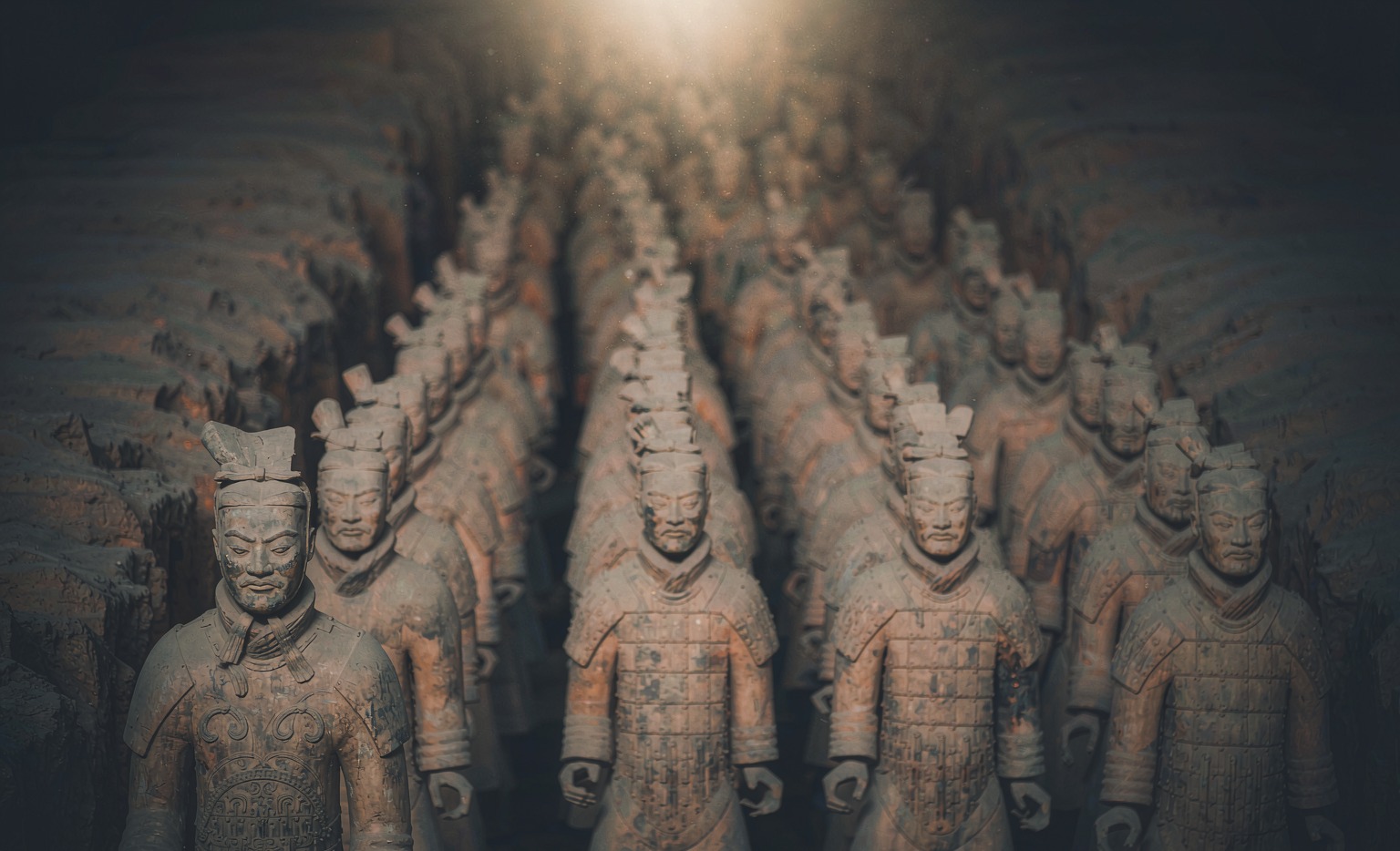
Xi'an has the rare combination of a genuine global landmark and a trend that both photograph and video well.
Why it's going viral. Hanfu — traditional Chinese dress — has become the operator of choice for a Xi'an day. The #hanfu hashtag has accumulated close to 450,000 posts, and renting a full outfit with hair and make-up for a photo session in the Tang-dynasty themed areas is now a standard first stop for incoming visitors, not a niche hobby. The Terracotta Army remains the most consistently photographed cultural icon in foreign China content, appearing in the cultural-symbol category that made up 36% of the top 100 videos.
Practical. The Terracotta Army site is ¥120 including the Lishan Garden, and it is a 40-minute drive from the city — book a timed slot and go early, because the pit halls are not air-conditioned and fill up fast. Our Terracotta Warriors ticket guide covers passport entry and the timing question in detail. For hanfu, expect to pay roughly ¥150–400 for a full costume, hair and make-up package, and allow half a day. The Xi'an guide covers the city wall, the Muslim Quarter and the Great Mosque.
6. The Great Wall without the crowds
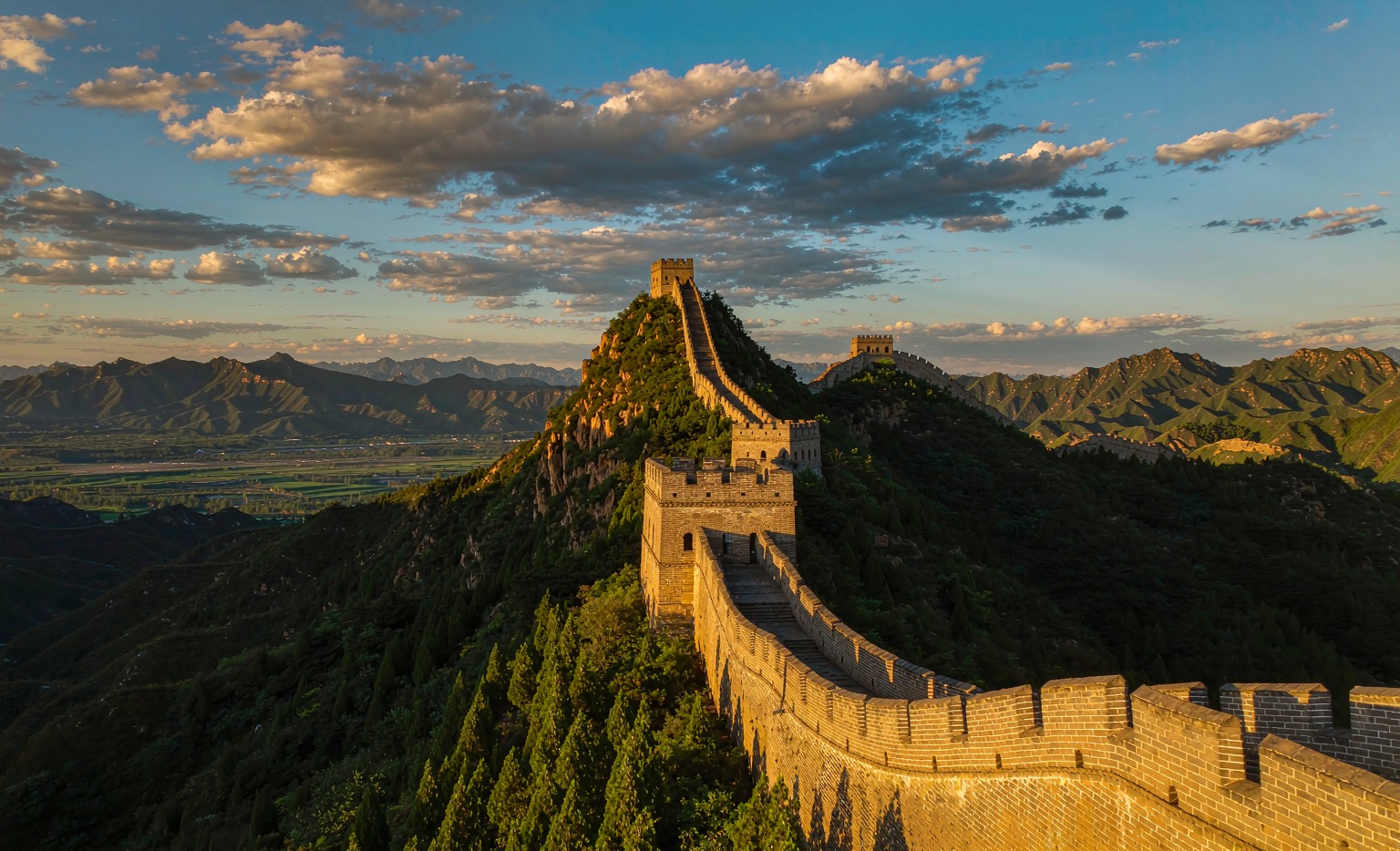
The Great Wall is the one entry that survives from the old list intact — it still turns up in a third of the most-watched China videos. What has changed is which section people go to.
Why it's going viral. Travellers who have been to China before are skipping Badaling and Mutianyu and heading to Simatai, the section that keeps its original Ming-dynasty fabric. A day there combines hiking, sunset from a watchtower, and — the part that gets filmed — an evening iron-flower performance at Gubei Water Town, where molten iron at about 1,600°C is struck against a board and bursts into the night sky. Guides teach the phrase bú dào chángchéng fēi hǎo hàn — "you're not a true hero until you've climbed the Great Wall" — and the reaction to the fireworks is reliably the emotional peak of the vlog.
Practical. Simatai requires an advance reservation and is often visited as a Gubei Water Town package; check current pricing on the official channel, since it varies by season and by whether you want the night tour. Our Beijing guide covers the other sections and how to reach them, and Mutianyu vs Badaling compares the two most popular day-trip options if you would rather keep it simple.
7. Shanghai — a tailored suit in 48 hours
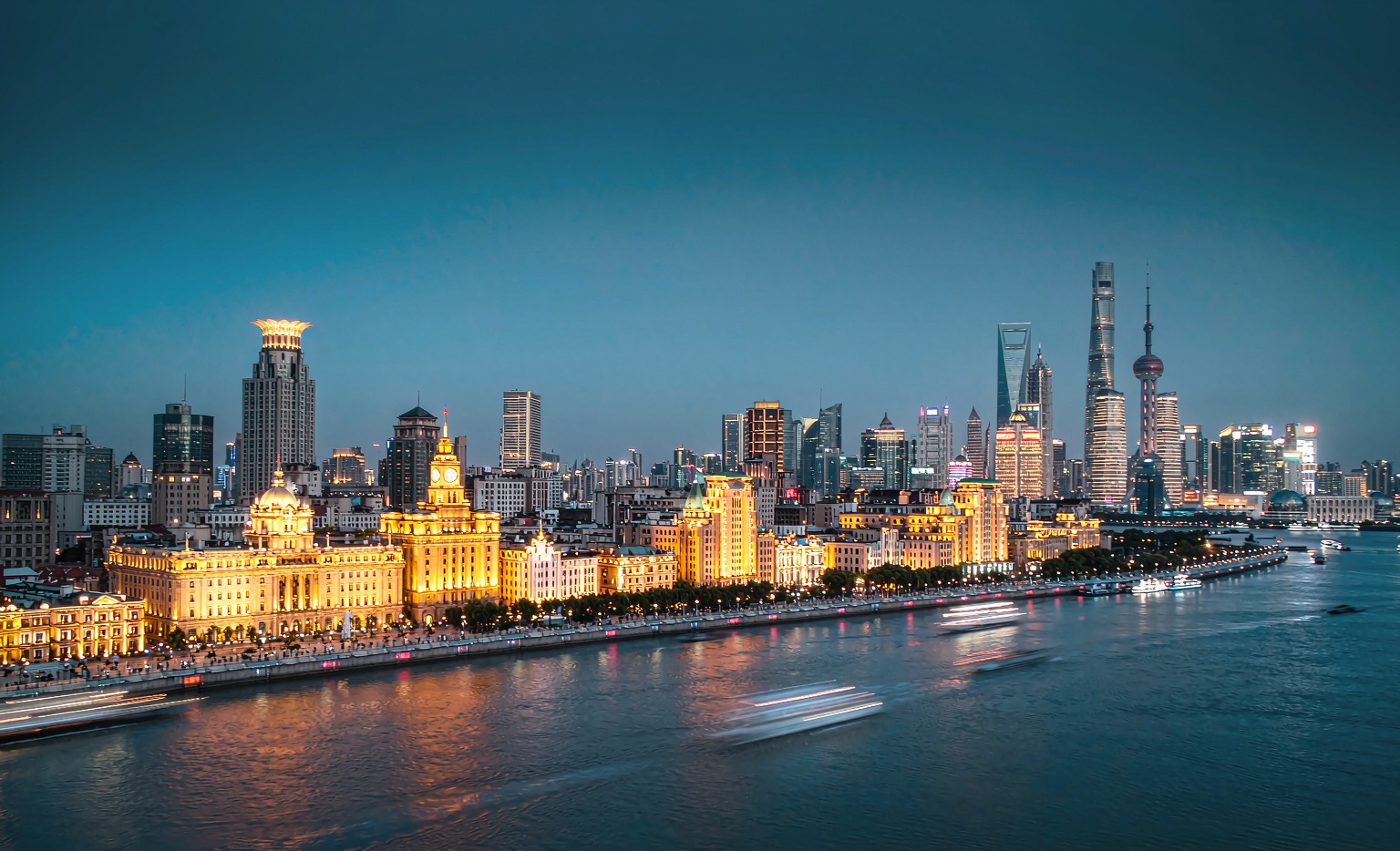
Shanghai's viral draw is not the skyline. It is the fact that you can land, get measured, and pick up a made-to-measure suit before you fly home.
Why it's going viral. The South Bund custom-tailoring centre has climbed to second place among Shanghai attractions on Tripadvisor, behind only the Bund itself — ahead of Yu Garden and the Shanghai Tower. The offer is simple to explain: a bespoke suit typically costs less than a third of the equivalent in Europe or North America, and the turnaround from measuring to collection can be as fast as 48 hours. The city's lane houses and historic bathhouses are the second half of the trend.
The numbers. Shanghai received 5.31 million inbound visitors in the first half of 2026, up 27.82% year on year.
Practical. Go to the South Bund early in your trip so the timeline works, and go with a clear idea of fabric and cut — English is widely spoken there. If you buy enough to qualify, the departure tax refund takes roughly 9% off eligible goods; our tax refund guide walks through the paperwork, and where to stay in China covers the hotel registration rule you will meet on arrival.
8. Guilin and Yangshuo — the landscape that inspired the paintings
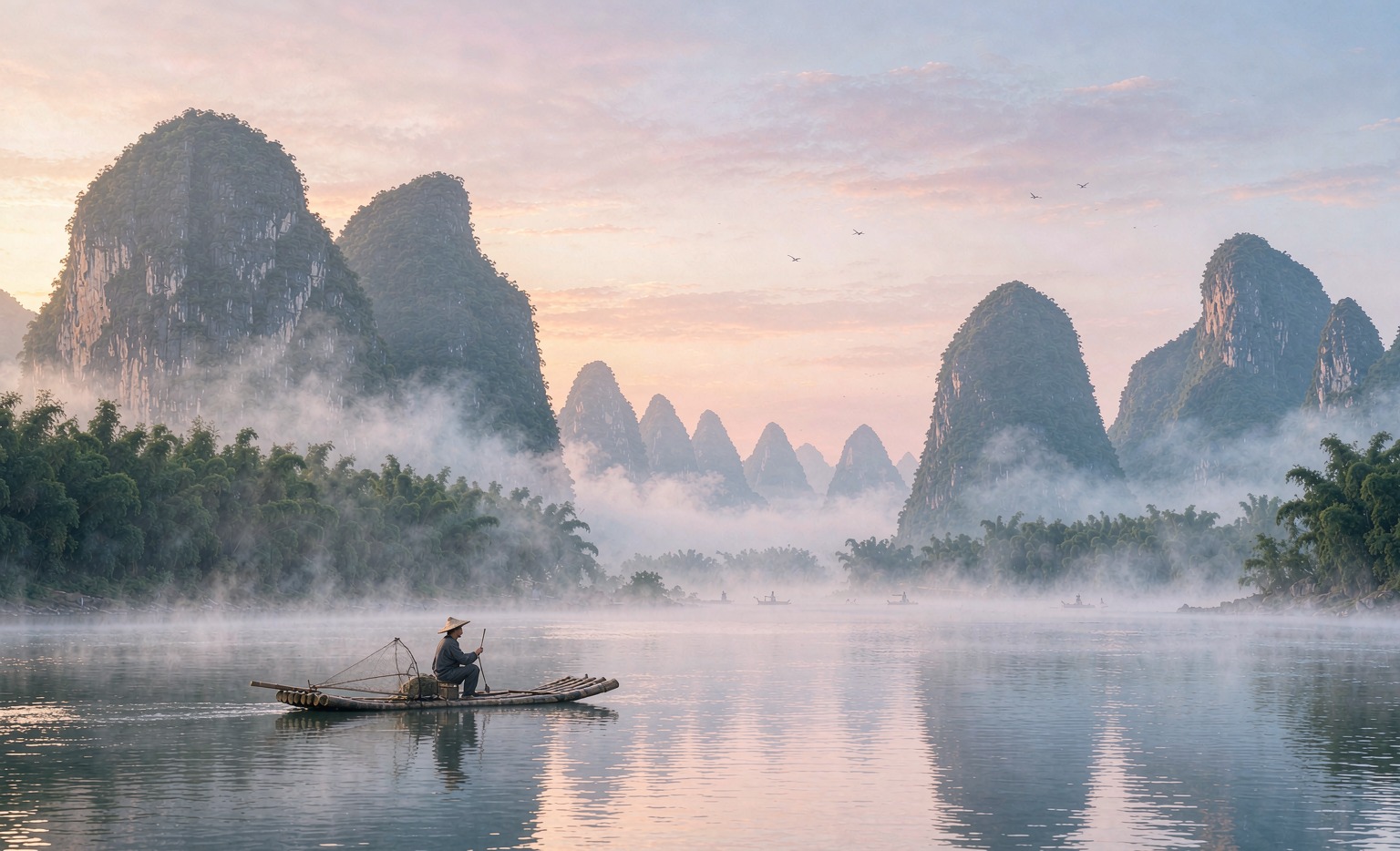
Guilin is the one classic that has held its place without needing a viral mechanic. It simply looks like the China people have seen in paintings for a thousand years, and that still works.
Why it matters now. It keeps surfacing in the top tier of foreign travel content — a well-followed American creator's Guilin video, covering Duxiu Peak, Reed Flute Cave and learning to paint the landscape, circulated widely with a simple argument: Western coverage of China focuses on manufacturing and AI, and misses the point that the country's 2026 push is to be experienced. Guilin is the cleanest demonstration of that.
Practical. The Li River cruise from Guilin to Yangshuo is the standard route, from about ¥215 for a basic boat seat — worth it for the stretch between Yangdi and Xingping, which is the actual postcard. Base yourself in Yangshuo and cycle the Yulong River valley in the early morning. The Longji rice terraces are a worthwhile add-on but need a separate day and a car. Our Guilin guide has the details.
9. Shopping as a reason to travel
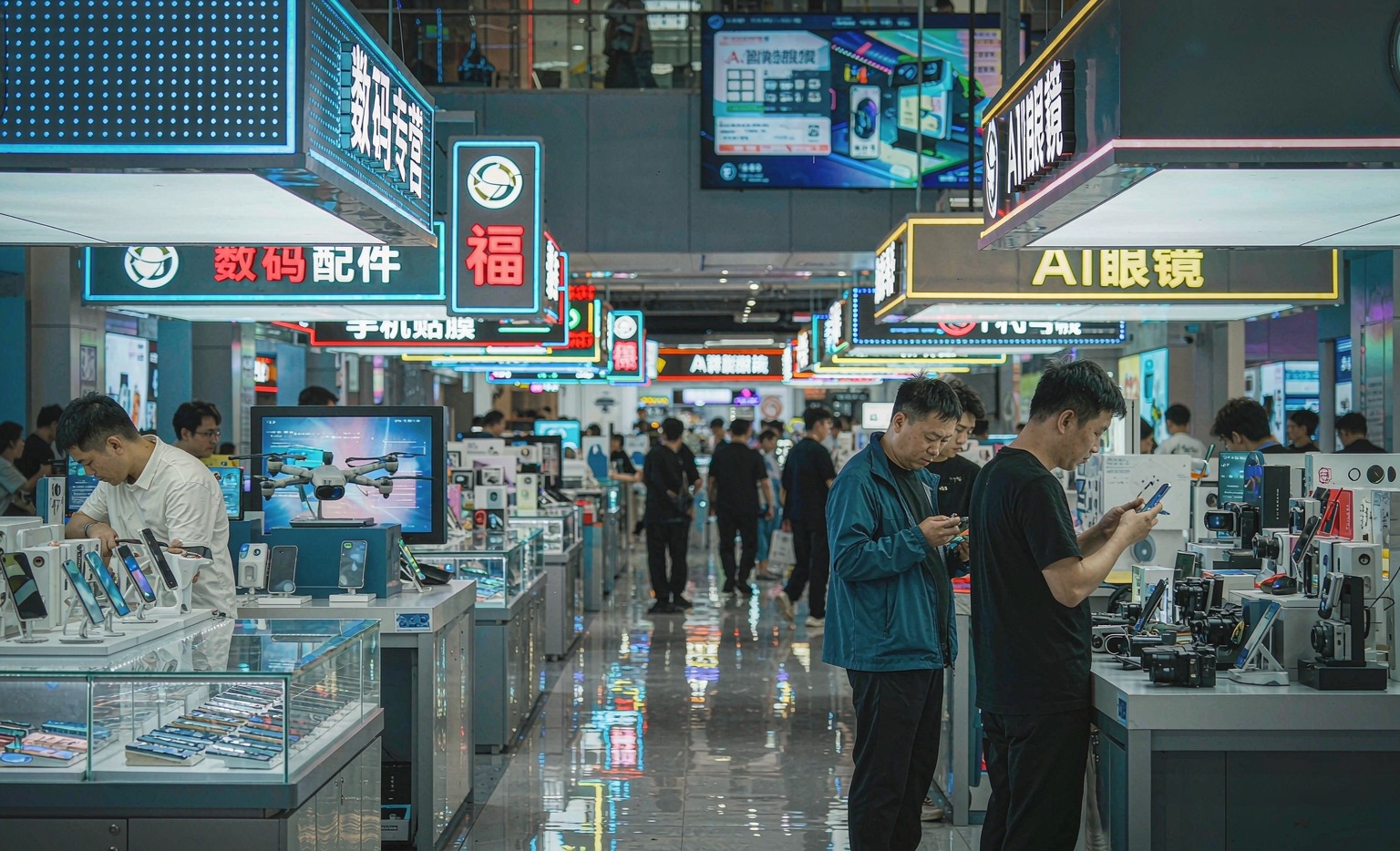
"Bring an empty suitcase" has become its own content category. Foreign visitors are increasingly building entire itineraries around buying things, and the numbers support it.
Why it's going viral. China's departure tax refund was upgraded in 2026 — the minimum spend threshold was lowered, the network of eligible stores expanded to about 14,000 outlets, and paperless refunds rolled out. The number of overseas visitors claiming refunds rose 366% year on year, with refund-eligible sales up around 69%. The shopping list has changed too: folding phones, AI glasses, drones, beauty brands and hanfu have replaced tea and silk.
Where to go. Yiwu in Zhejiang, the wholesale city that supplies much of the world's small merchandise, now gets tailored shopping itineraries for individual travellers — inbound flight bookings to Yiwu rose more than 60%. In Shenzhen, Huaqiangbei is the electronics equivalent. Beijing's Silk Street handles tailoring and accessories, with bargaining expected — start around 30–40% of the asking price.
Practical. Only stores displaying the tax-refund logo qualify. Show your passport at checkout, take the refund form, and claim at the airport — or instantly at a "buy now, refund now" point in certain districts. Details in our tax refund guide.
10. China Cool — the summer escape
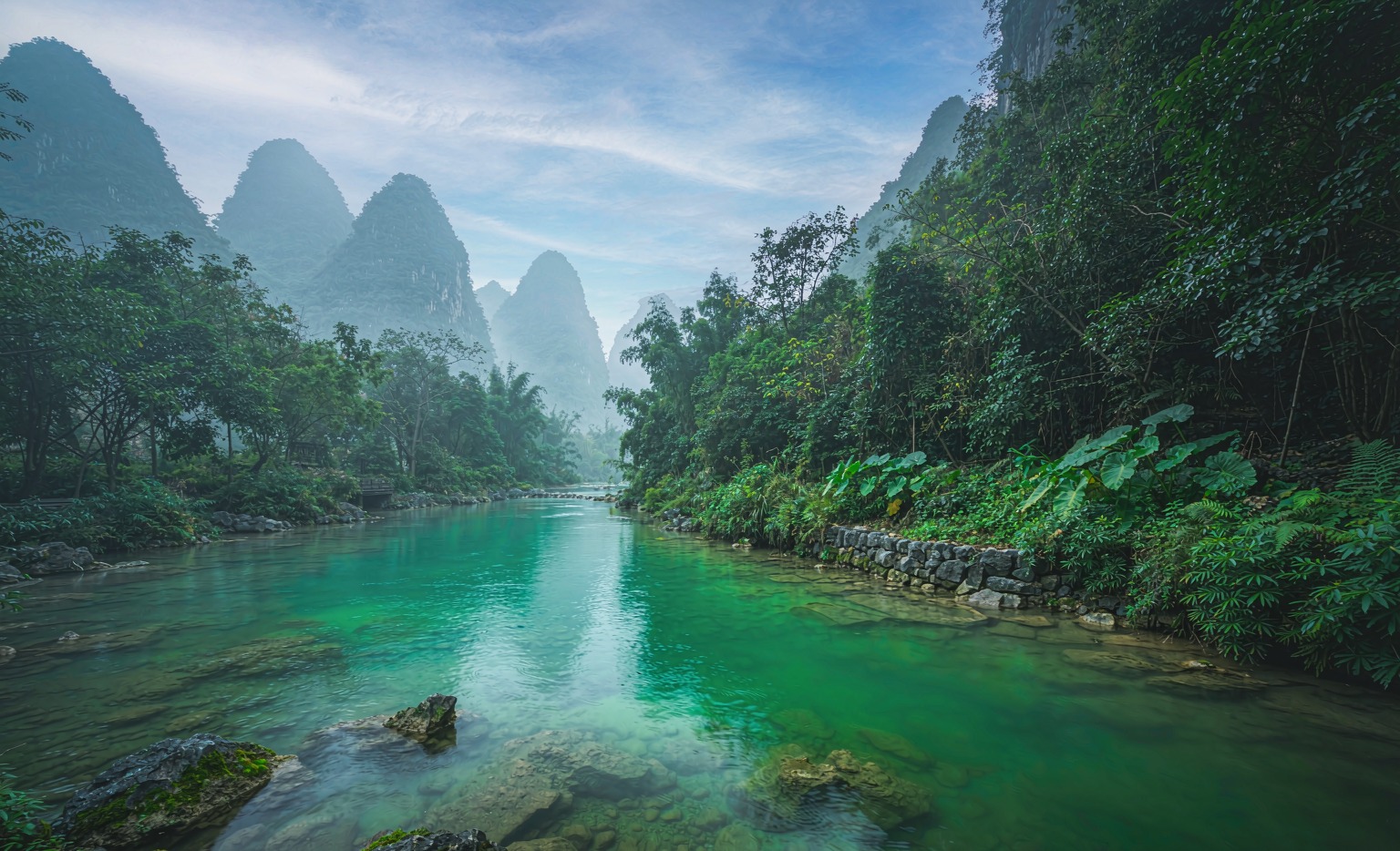
The last trend is seasonal, and it comes from a very simple premise: when Europe hit extreme heat in 2026, European travellers booked China.
Why it's going viral. The hashtag "China Cool" carries a double meaning — China as a cool place to be, and China as a literal cool refuge in summer. European bookings for summer trips to China rose 275% year on year, and Chinese-made air conditioners and portable fans sold out across Europe. The destinations that benefited most are the high-altitude and karst regions: Guizhou, Yunnan, Guangxi and the higher parts of Hunan.
What to do. Guizhou's Libo and its Xiaoqikong scenic area combine turquoise rivers with forested karst and a genuinely cool climate. Guizhou also has the highest concentration of the new "experience" attractions — the Hou'er Tiankeng area opened a 300-metre tube rail slide that Chinese netizens immediately dubbed the real-life Temple Run, and the idea spread fast enough that an Irish creator's canyon and zipline footage from Chongqing and Henan was picked up by national broadcasters. Guangxi's Longji terraces and the Guilin countryside are the gentler version.
Practical. Summer is peak domestic holiday season, so book rail tickets and hotels well ahead and check the dates of Golden Week — the first week of October — before committing. High-altitude areas need acclimatisation days.
How we picked these ten
If you search for the best places to visit in China, most lists give you the same six: Beijing, Xi'an, Shanghai, Guilin, Chengdu and Zhangjiajie. They are all still worth your time. But they are not what is actually driving the current wave of interest, and the data shows it.
China.org.cn analysed the 100 most-watched "China Travel" videos published across TikTok, YouTube and Instagram between April 2024 and April 2026. The breakdown of what those videos actually show is the most useful planning document you will find this year:
| What the video shows | Share of the top 100 |
|---|---|
| Modern skylines and infrastructure (rail, payments, night streets) | 48% |
| Food, from hotpot to morning tea | 37% |
| Cultural icons (Terracotta Army, Forbidden City, Great Wall) | 36% |
| Chinese people being welcoming to outsiders | 32% |
| County towns and rural areas | 24% |
| The journey itself (cycling, hitchhiking) | 14% |
(Source: China.org.cn, August 2026. Shares total more than 100% because a single video can cover several themes.)
Read that table again, because it changes how you plan. Infrastructure and everyday life outperform landmarks. The Forbidden City is not what is bringing Gen Z to China — the fact that a train runs through a residential building is. Hashtag volumes tell the same story: #ChinaTravel has passed 280 billion cumulative views, while #Chinamaxxing — videos of foreigners drinking warm water, practising baduanjin and going to bathhouses — passed 4 billion within months of appearing in early 2026 (CCTV Finance, August 2026).
That is why the ten entries above are organised around what is genuinely pulling people in, with the practical detail most viral videos skip: what it costs, when to go, and how to book. If you want the bureaucratic groundwork first, start with our guide to visa-free entry to China.
Putting it together: three routes
Nobody does all ten in one trip. Here is how they combine sensibly, using high-speed rail as the spine.
| Route | Days | Stops | Best for | Getting between them |
|---|---|---|---|---|
| The contrast run | 8–10 | Shanghai → Chongqing → Xi'an | First trip; maximum culture shock per day | Rail throughout (Shanghai–Chongqing is the long leg) |
| The landscape run | 10–12 | Guilin → Zhangjiajie → Chongqing | Photographers and hikers | Rail, plus one internal flight |
| The slow immersion | 14 | Chengdu → Guilin → Shenzhen | Travellers who want the daily-life half of this list | Rail, with the teahouse and park mornings built in |
If you are entering visa-free as a transit passenger, remember the rule: you must be travelling onward to a third country, not back to where you came from, and you must exit through an approved port. Our visa guide covers the eligible ports and permitted areas, and the trips hub has ready-made rail itineraries.
Before you go: the four things that actually trip people up
1. Your visa status may have an expiry date. China offers unilateral visa-free entry to ordinary passport holders of 50 countries and full mutual exemptions with 29 more. The 240-hour (10-day) transit visa-free policy — which now covers 65 ports across 24 provincial-level regions and allows cross-province travel within them — is the most useful option for a stopover. But note that the 30-day visa-free scheme has been announced only through 31 December 2026, so if you are planning a 2027 trip, treat the visa rules as provisional and re-check before you book flights. Our visa guide tracks the current status, and the visa checker will tell you whether your passport currently qualifies.
2. Set up payment before you land. Alipay linked to an international card works for most foreign visitors; WeChat Pay is more cumbersome without a Chinese bank account. Credit cards are accepted in high-end hotels and some department stores and essentially nowhere else. How foreigners pay in China covers the setup step by step.
3. Book major attractions in advance. The Terracotta Army, Zhangjiajie's park, Simatai and most major museums run timed entry with passport numbers. Avoid WeChat mini-programs if you do not read Chinese; licensed international platforms handle it more simply. Apps and the arrival toolkit covers what to install.
4. Expect the registration rule at your hotel. Hotels must register foreign guests with the police within 24 hours of arrival, and not every hotel is licensed to take foreign passports. Where to stay in China explains how to check before you book, and trains in China covers booking 12306 on a foreign passport.
FAQ
Is China expensive for foreign tourists?
Generally less than Western Europe or North America for the equivalent standard. Intercity high-speed rail is cheap relative to distance, entry tickets for major sites typically run ¥120–290, and street food and local restaurants are inexpensive. The bigger cost is flights in, plus accommodation in Beijing and Shanghai.
Do I need to speak Chinese?
No, but you need two apps: a translation app with camera OCR, and a navigation app that works in China (Apple Maps uses local data; Google Maps does not). Many younger Chinese people in cities speak some English.
What is the best time to visit China in 2027?
April to May and September to November for most of the country. Avoid the first week of October (National Day Golden Week) and the Spring Festival period if you dislike crowds. For the cool-summer destinations in this list, June to August is the point rather than a compromise. Winter makes its own case — see our Harbin Ice Festival 2027 guide.
How long do I need?
Eight to ten days covers three of the destinations above comfortably by high-speed rail. Two weeks lets you combine a city, a landscape and a cool-summer region. Do not try to do all ten in one trip.
Will the visa-free policy still be running in 2027?
Unknown at the time of writing. The unilateral 30-day visa-free scheme is currently announced only through 31 December 2026. Check the National Immigration Administration or your nearest Chinese embassy before booking.
The bottom line
The ten destinations above are not ranked by how famous they are — they are ranked by how much attention they are actually pulling, and by what the visitor statistics say about who is going where. Chongqing and Zhangjiajie lead because they produce footage nobody else on earth can produce. Shenzhen leads because its everyday infrastructure is the attraction. And the ritual destinations — the teahouses, the parks at dawn, the bathhouses — lead because that is where the story changed: travellers are no longer going to look at China, they are going to live in it for a week.
Plan the logistics first, then pick two or three. Our China trip planning hub has routes that combine several of these by rail.