We only have a few days — how long do we really need in Beijing, and what should we prioritise on a first trip?
Three to four days is the comfortable answer, and it is what most first trips actually need. Two is possible, but it means choosing what to drop.
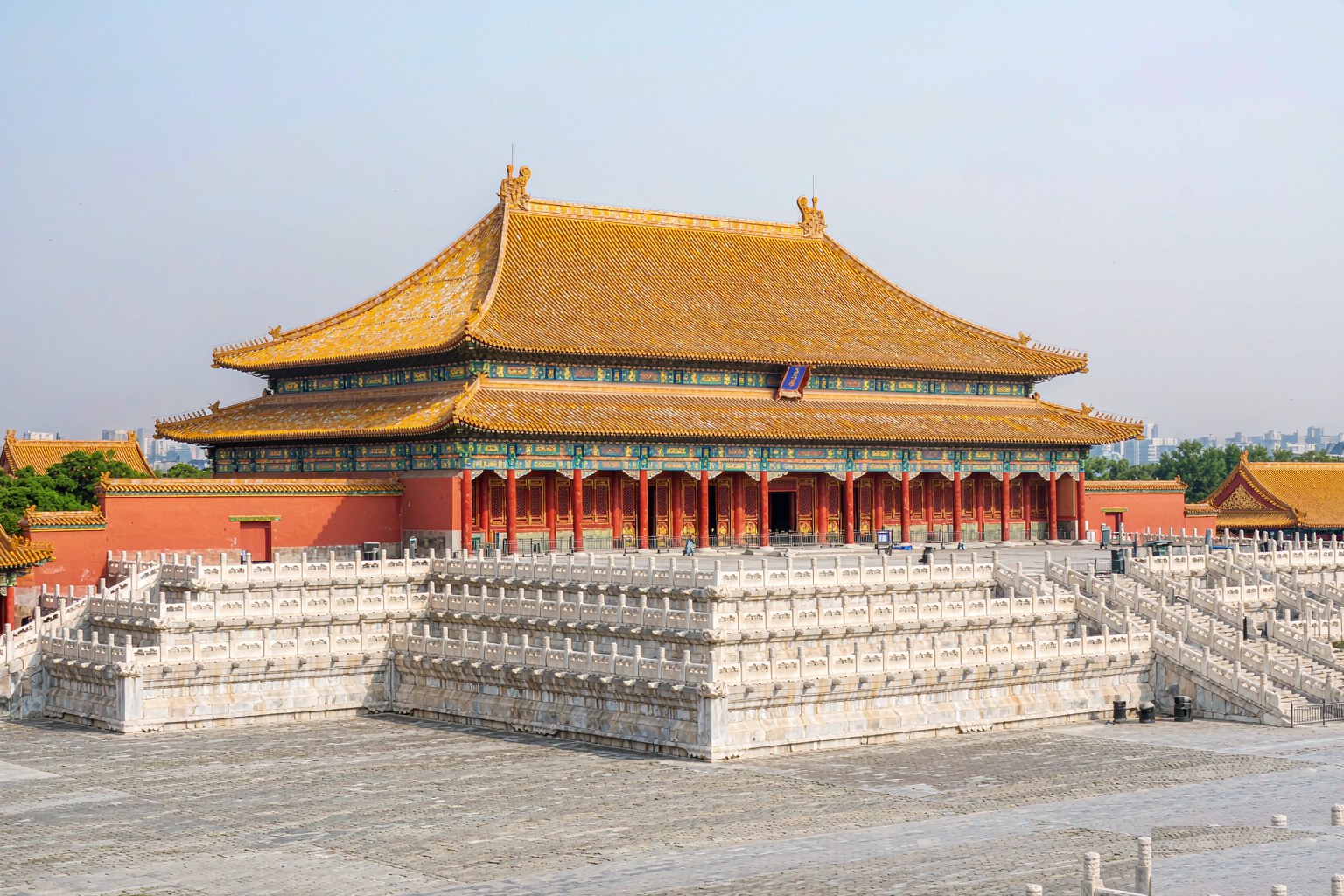
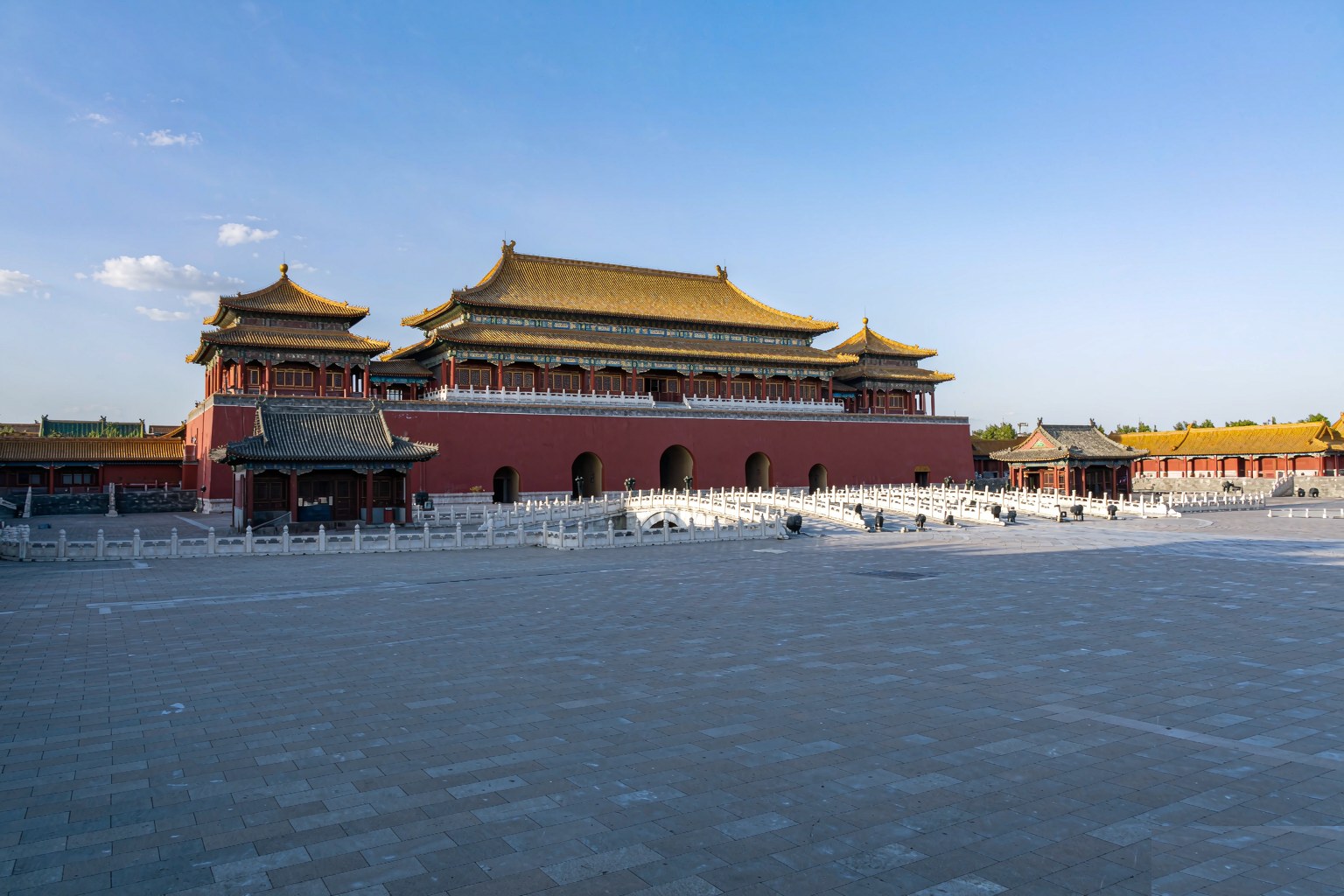
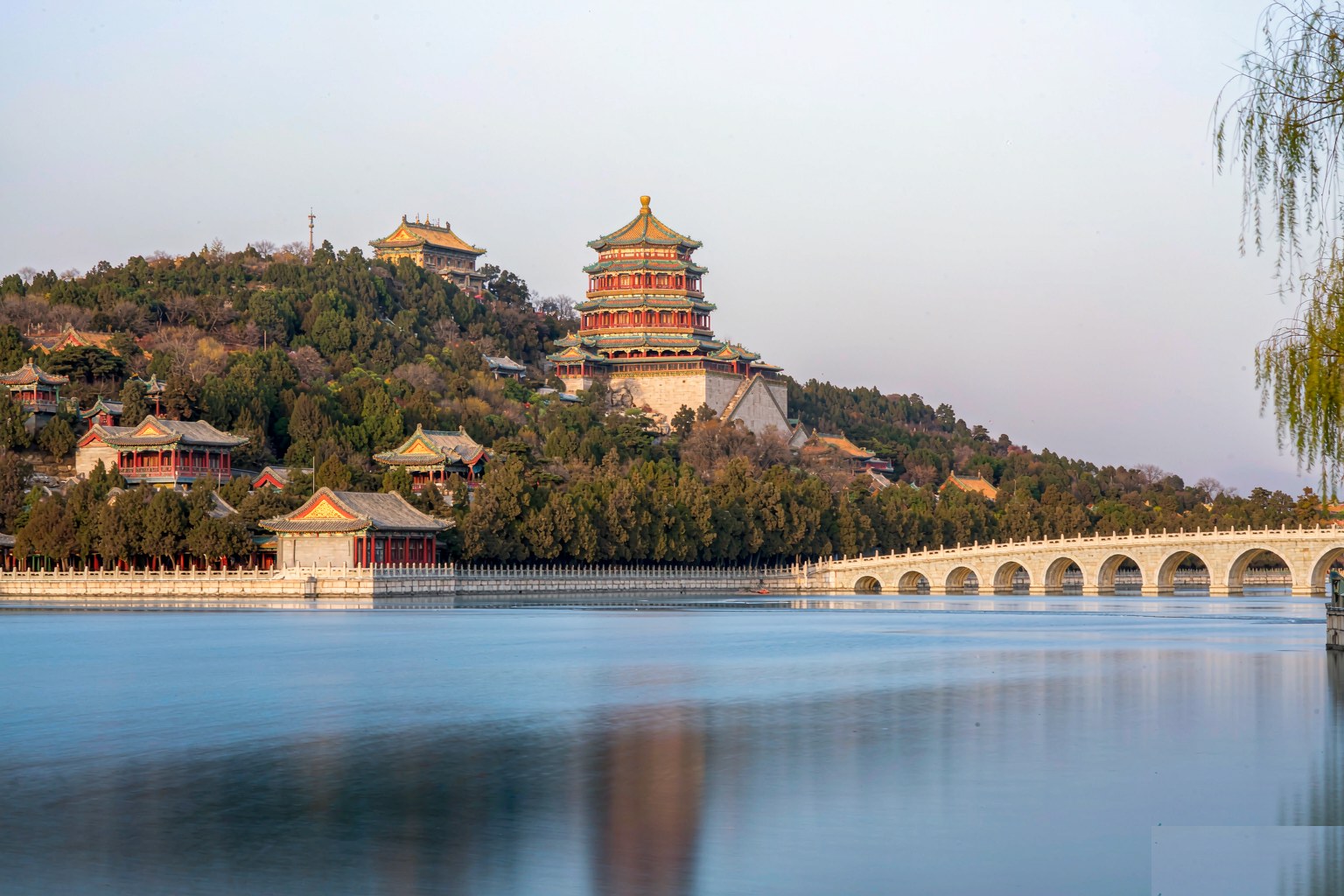
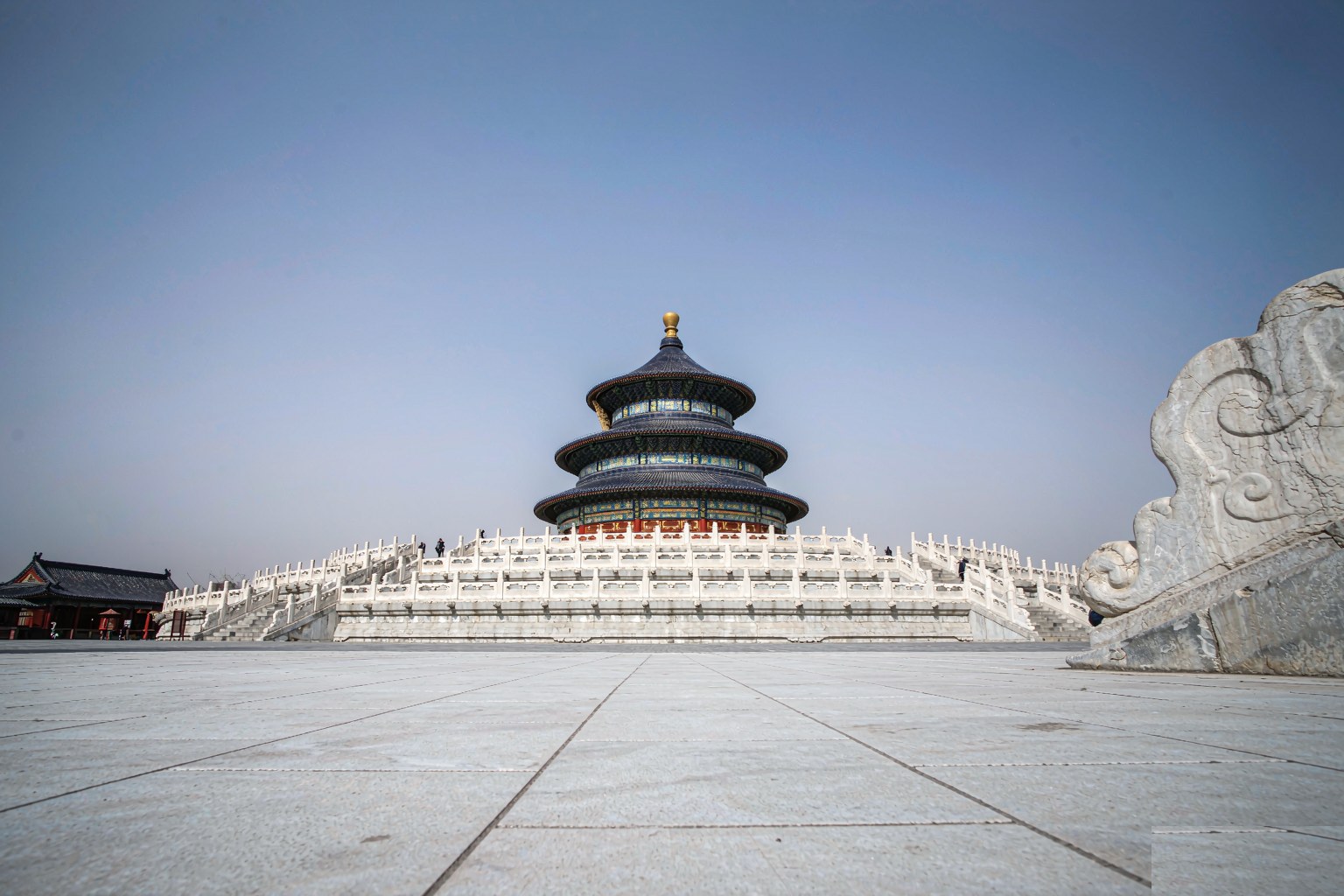
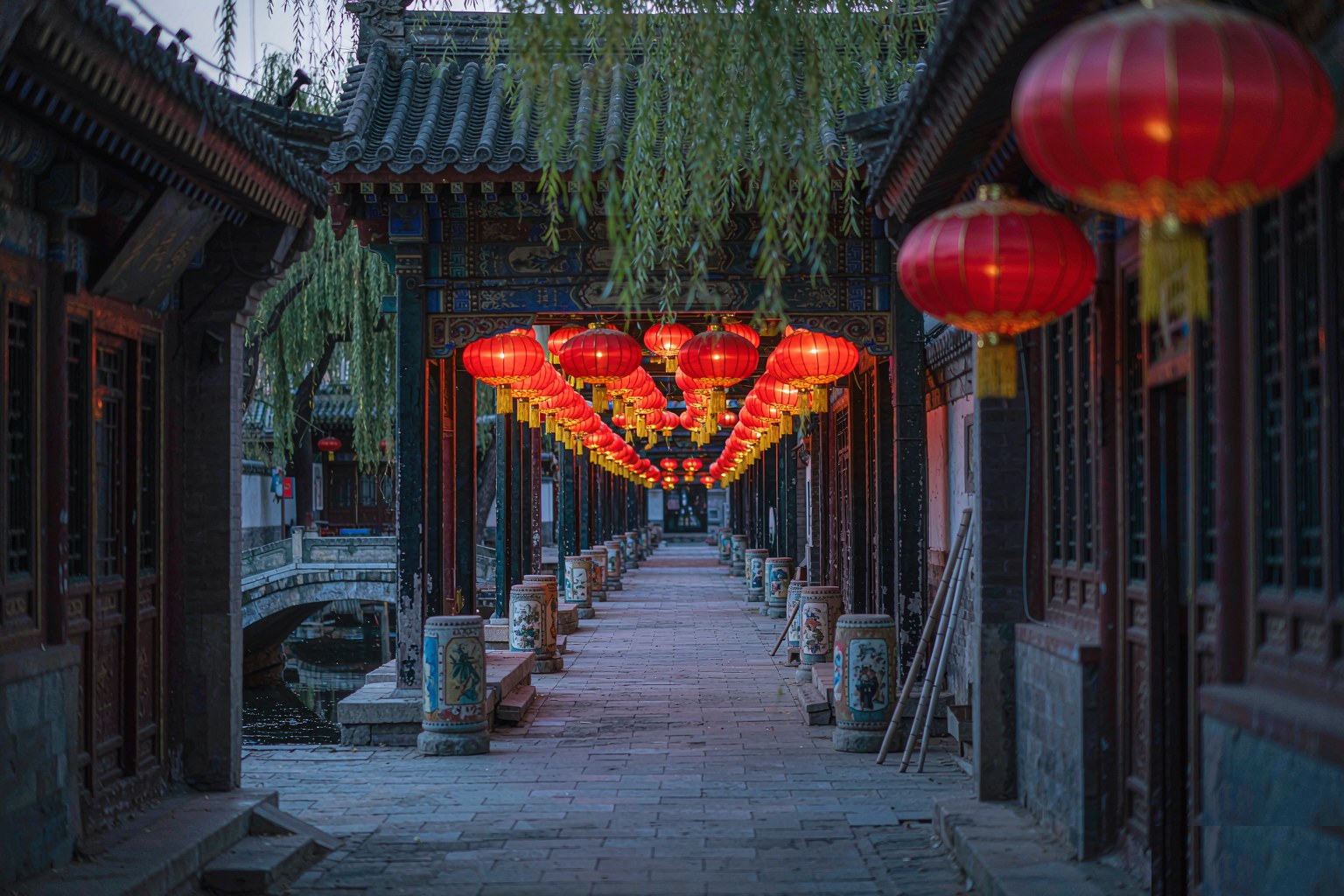
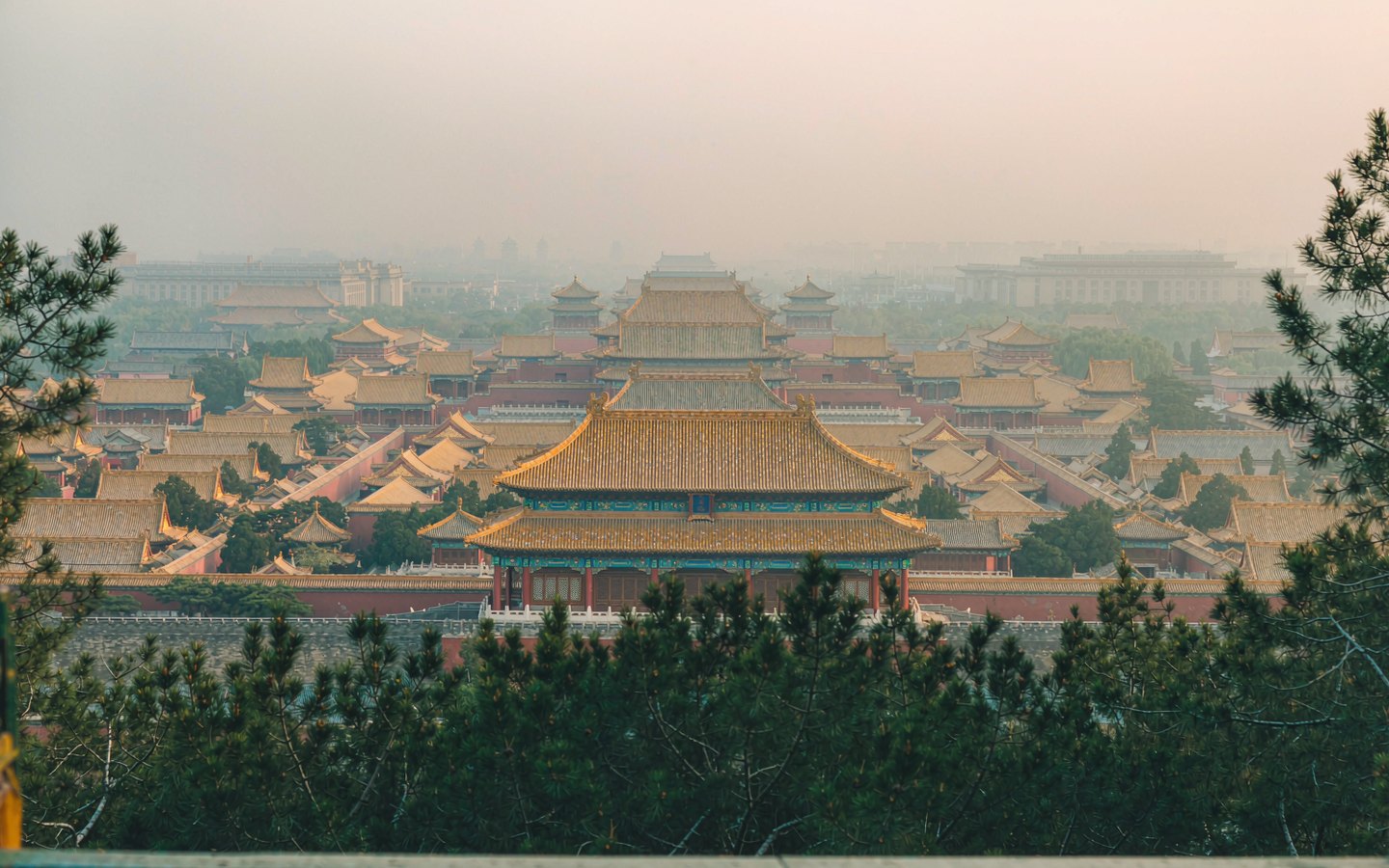
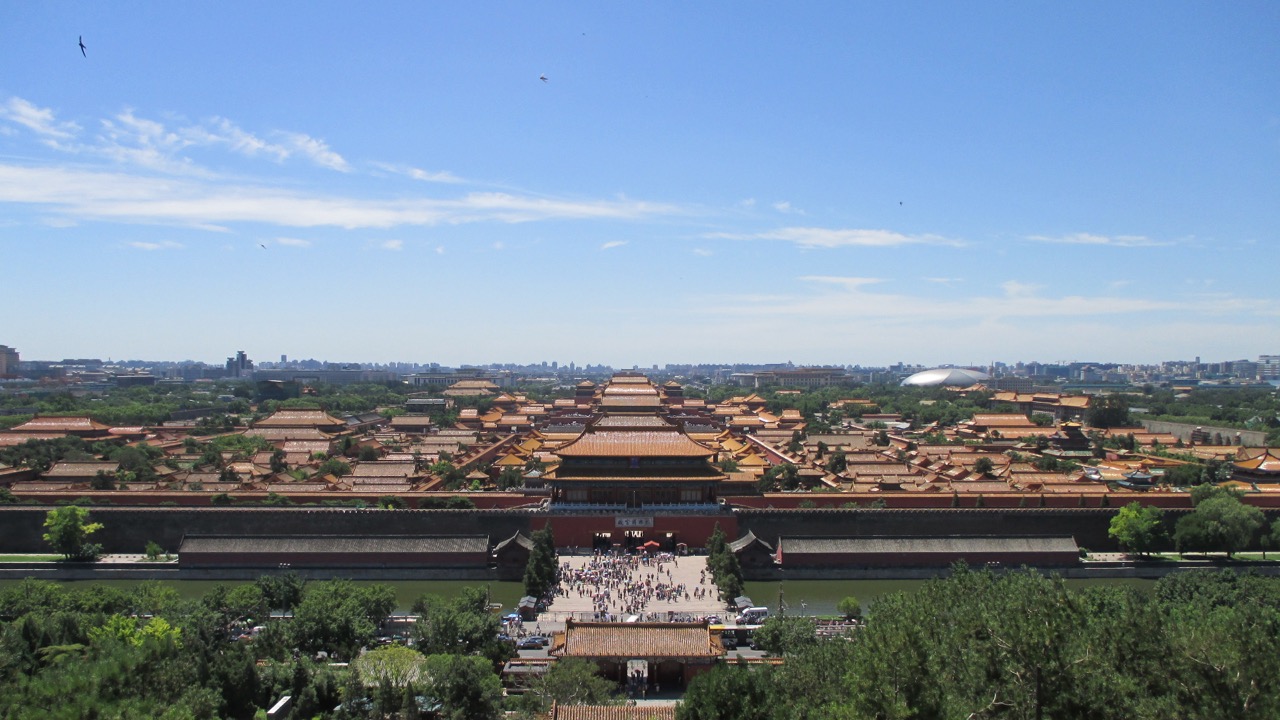
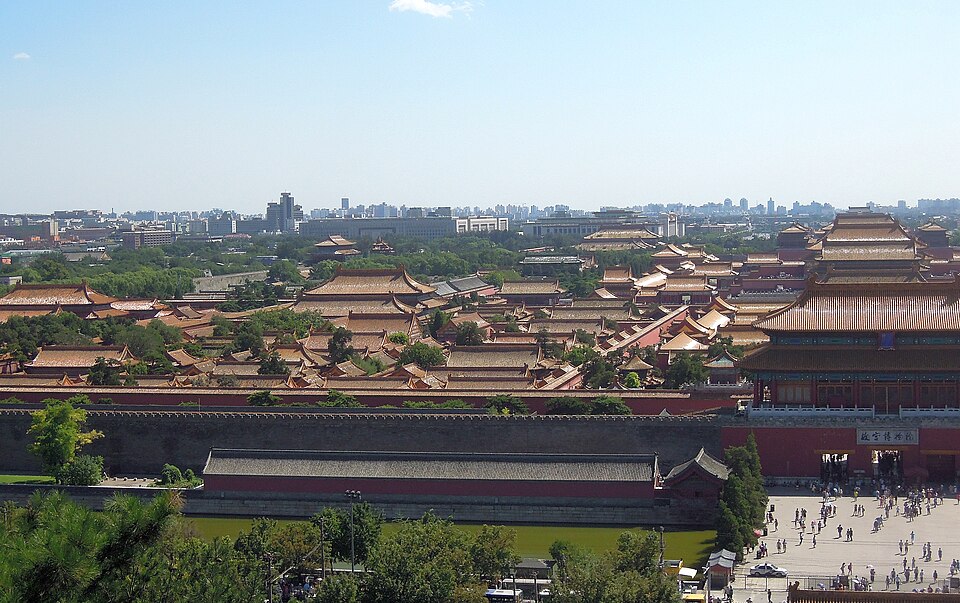
Day one belongs to the centre: Tiananmen Square, the Forbidden City and the Temple of Heaven sit close together and tell the imperial story in one go. Day two goes to the Great Wall, with the afternoon free for the hutong lanes. Day three is for the Summer Palace, and Beijing Zoo if you want to see pandas.
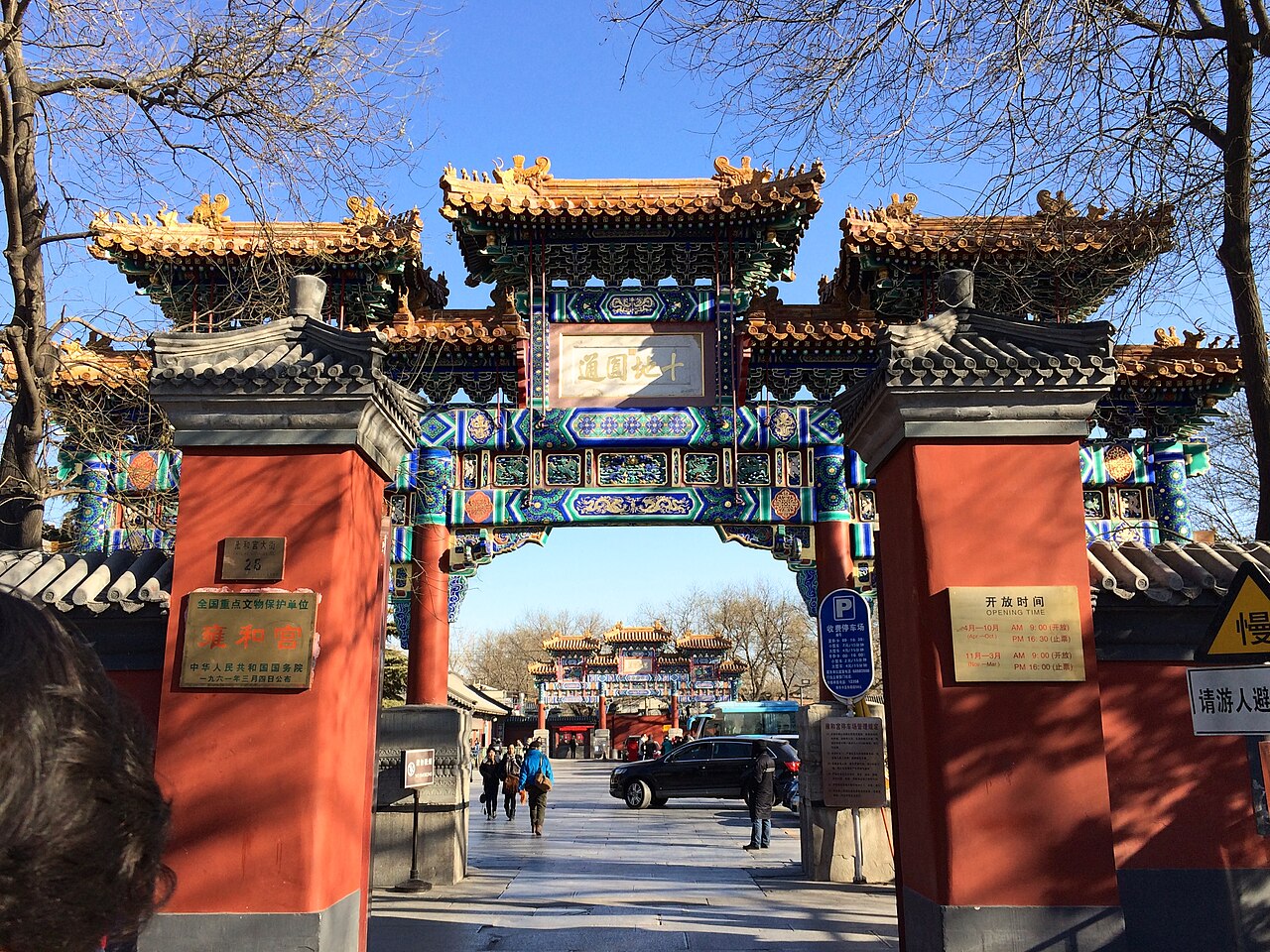
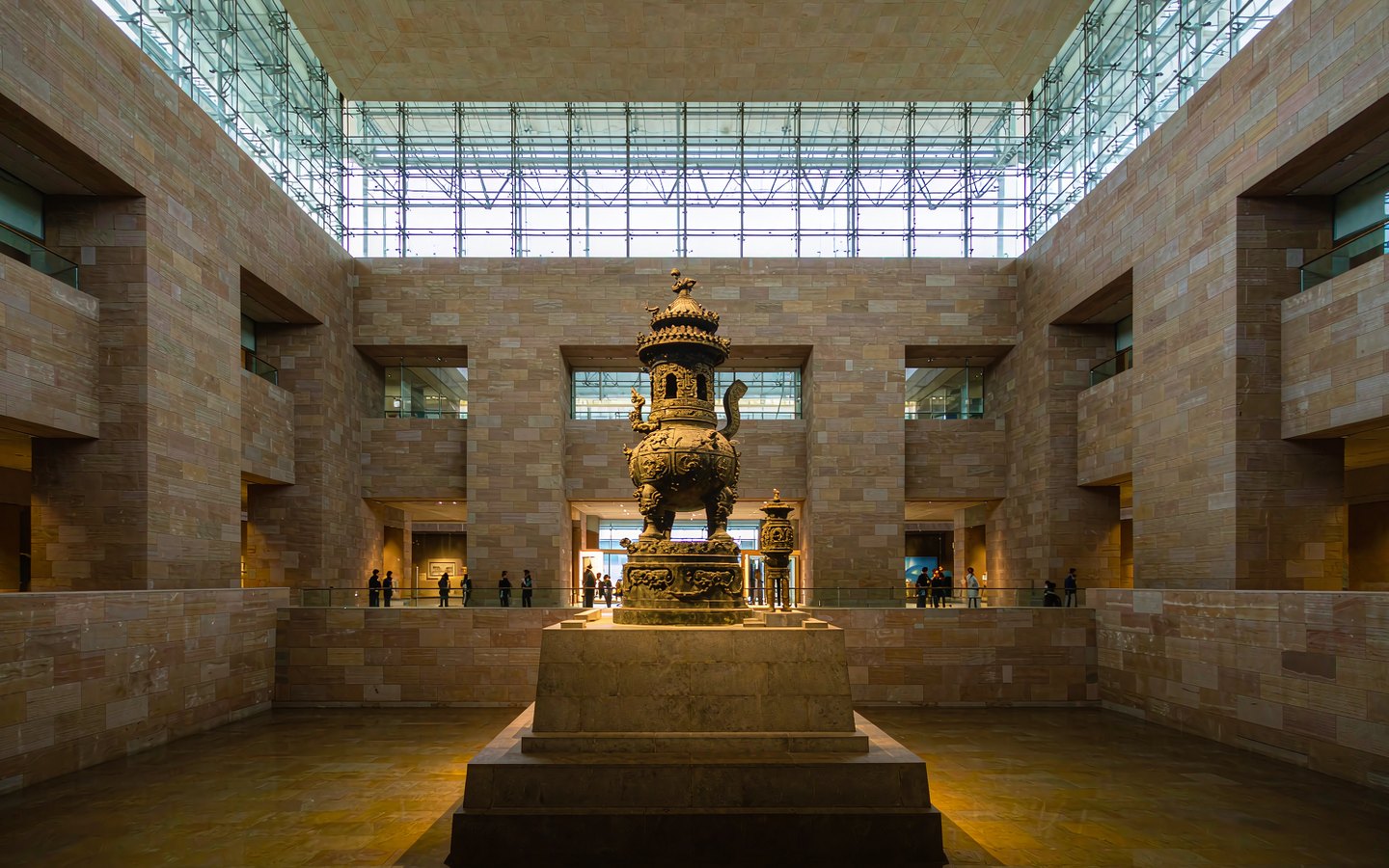
A fourth day opens up the National Museum, the Confucius Temple and Imperial Academy, Prince Gong's Mansion and the Ming Tombs — or a high-speed train to Xi'an for the Terracotta Army.
Whatever you decide, build the plan around Monday: the Forbidden City and most museums close, so put the wall, the Summer Palace or the Temple of Heaven park on that day.
What are the must-see sights? We don't want to miss the obvious ones.
The Forbidden City, Tiananmen Square and the Great Wall are the three that define Beijing, and Mutianyu is the section to pick. Behind them come the Summer Palace, the Temple of Heaven, Shichahai–Nanluoguxiang and the Lama Temple.
Two practical notes matter more than the ranking. The Forbidden City closes on Mondays and admits you on a passport number booked days ahead, with the peak slots going first. Tiananmen Square needs its own real-name reservation, so it is not somewhere you can simply walk into.
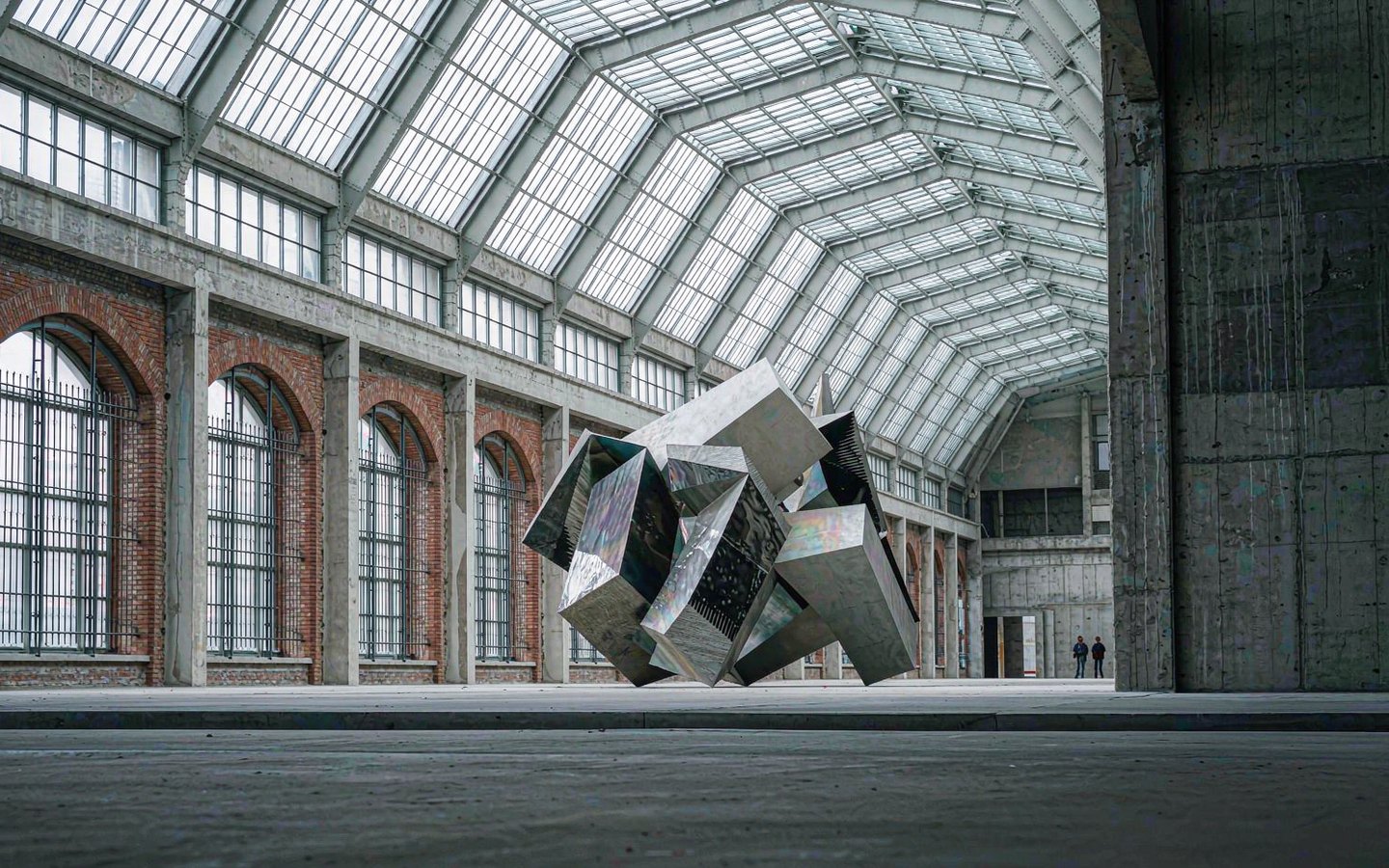
If you find yourself with a spare day, the 798 Art Zone, the National Museum of China and Fahai Temple are the ones people come back talking about.
There seem to be a dozen Great Wall sections. Which one should we actually book?
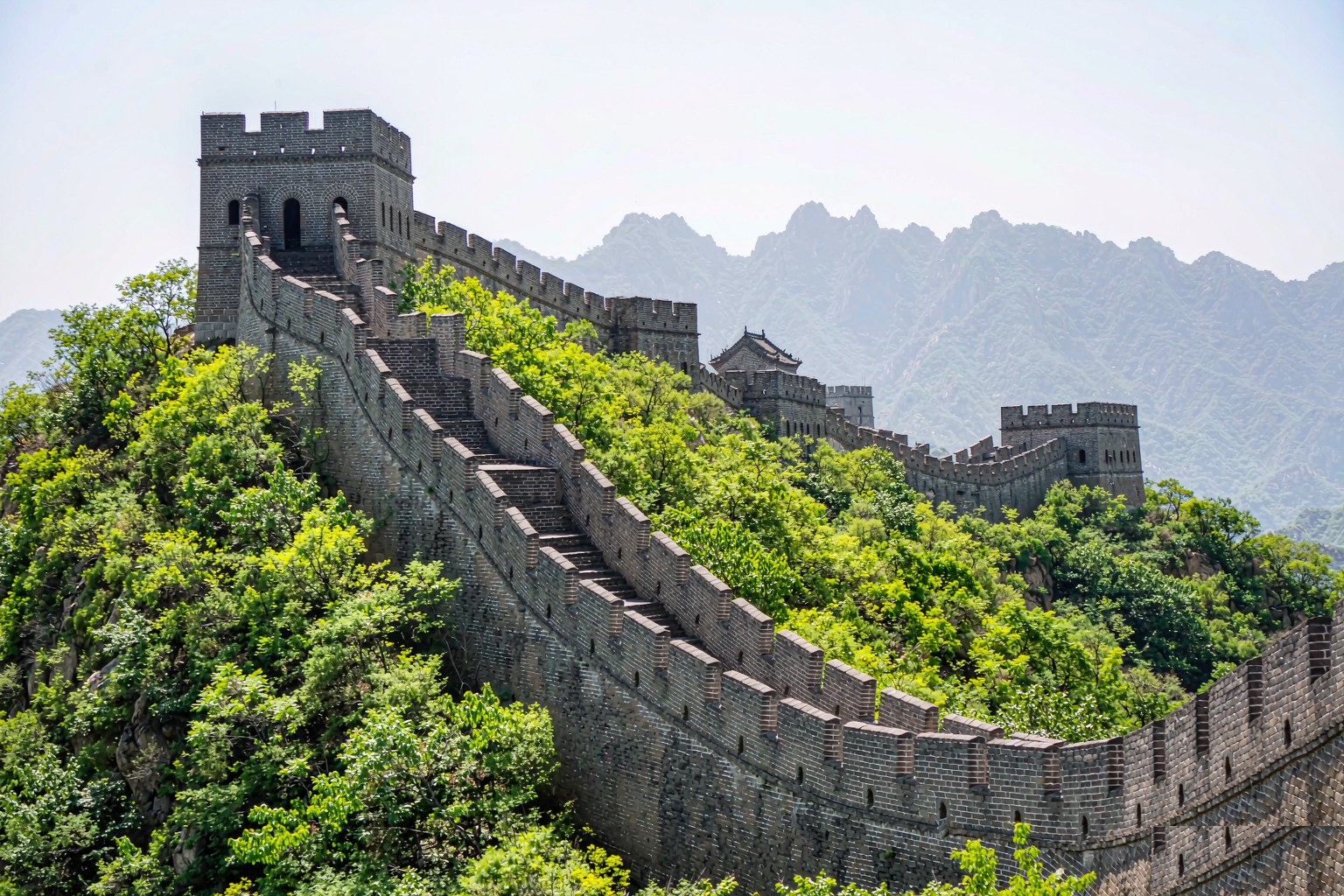
For a first visit it comes down to two. Mutianyu is the most photogenic of the restored sections, noticeably quieter, and a favourite with international visitors; cable cars, chairlifts and a toboggan run make it manageable for children and for anyone who would rather not climb seriously.
Badaling is the best-preserved and most iconic stretch, and the easiest to reach, with a high-speed train from Qinghe in around half an hour. The trade-off is crowds, which get heavy around public holidays.
Beyond those: Jinshanling keeps much of its original character and draws photographers, Jiankou is steep and suited to confident hikers, Huanghuacheng sits against lakes and works well for families, Juyongguan and Gubeikou appeal to history enthusiasts, and Simatai next to Gubei Water Town is the one to pick if you want to walk the wall after dark.
When's the best month to go? And are there weeks we should stay away from?
September to October and April to May are the sweet spots, with clear skies and comfortable temperatures. Pack in layers: long-sleeved tops, a windproof jacket, trousers and broken-in walking shoes.
On the wall the season matters more than it does in the city. From March into April the hills around it break into apricot and peach blossom; from September into November the ramparts run through hillsides of red leaves.
Winter is dry and freezing, and January is the harshest, though the sights stay open and a near-empty wall under snow is a real reward if you can take the cold.
Avoid the Labour Day holiday in early May, the National Day holiday from 1 to 7 October, and Chinese New Year — the Forbidden City and the Great Wall are overwhelmed then. July and August are hot, wet and full of school-holiday crowds.
Do we need a visa to visit Beijing?
It depends on your passport. Beijing is one of the ports where the 240-hour visa-free transit applies to 57 nationalities, which covers a stopover on the way to a third country.
A good many nationalities can also now enter visa-free for up to 30 days without a transit itinerary, but that list changes often — check the current rules for your passport before you book flights.
Whichever way you enter, your passport does the work once you are here: it is how the major sights, the metro and much of the payment system identify you, so keep it on you.
What's the easiest way to get from the airport into the city?
From Capital Airport (PEK) the Airport Express runs to Dongzhimen in about 25 minutes for ¥25, and Dongzhimen connects straight into the metro. From Daxing (PKX) the express reaches Caoqiao for ¥35.
The two airports are more than 60 km apart on separate lines, so check which one your ticket says before you book anything. A DiDi or taxi from either to the centre runs about ¥100–150.
If you land late, have your hotel address saved in Chinese on your phone — showing it beats pronouncing it.
How do we get around the city? Can we just use Uber or Grab?
The metro, more than twenty lines signed and announced in English, from ¥3 by distance. It is the fastest and cheapest way to move around.
Uber and Grab do not operate in mainland China. The local equivalent is DiDi, which has an English interface, registers on a foreign phone number and takes foreign cards — download it before you fly. It is also the easiest way to book a normal taxi.
Buses cost a couple of yuan but are signed in Chinese, which makes them the last resort.
One shortcut worth setting up: Alipay's transport mini-app generates a QR code that works at every gate, so there is no ticket machine queue and no deposit card.
Which area should we stay in?
Wangfujing–Dongdan puts the Forbidden City and Tiananmen within walking distance on metro lines 1 and 5, and has most of the international chains; you pay for the address.
Qianmen–Dashilan sits just south of the square, is cheaper, and is closer to old Beijing than anything else on this list. Sanlitun–Chaoyang is nightlife, international food and the embassy district, and the furthest from the sights.
Houhai–Nanluoguxiang has courtyard guesthouses in the hutongs, and is the best area just to walk around in the evening.
Whichever you pick, book somewhere licensed to register foreign guests — not every hotel can.
How do we pay for things? Will our credit card work?
Assume mobile payment is the default: it is how almost everything gets settled in Beijing, from taxis to convenience stores. Set up WeChat Pay or Alipay before you travel, register with your passport, link a Visa or Mastercard, and you pay by scanning a QR code.
Plastic is not widely accepted. You will find terminals for foreign cards at the airports, hotels of three stars and above, upmarket malls and the main attractions, but rarely at small neighbourhood restaurants, street stalls or markets.
Cash is still legal tender even if it is no longer the norm, so change a small amount at the airport as a backup.
How much English is spoken? Will we cope without any Mandarin?
Beijing has the widest English coverage of any city in China, but it is worth being realistic: you will hit gaps.
Staff at international four- and five-star hotels and at higher-end restaurants usually speak workable English; beyond that, do not count on it. Ticket counters and information desks at the major sights handle basic English.
The two things you will do most are covered — the metro is signed and announced in English, and DiDi has an English interface. When you do get stuck, university students and younger locals are your best bet. Download an offline translation app before you leave home.
Is Beijing safe for visitors — including at night?
Yes. Beijing is a safe city for visitors and being out in the evening is not an issue. Serious crime against tourists is rare; the realistic risk is pickpocketing, so keep wallets, phones and cameras secured in crowds and on busy carriages.
What genuinely catches visitors off guard is road traffic. Intersections without signals look chaotic, with cars, motorcycles, e-bikes, bicycles and pedestrians all moving at once, and drivers frequently do not stop at zebra crossings — partly a lingering habit from imperial times, when ordinary people gave way to officials in carriages. E-bikes and motorcycles often ignore crossings entirely, and pedestrians crossing on red is completely normal.
Look in every direction before stepping off the kerb, and stay alert in the outer districts too, where traffic moves faster.
What should we eat while we're there?
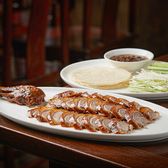
Peking duck is the headline, carved at the table into skin, meat and pancakes. The famous houses take bookings and the seven-o'clock queue is real; lunch is the easy way in.
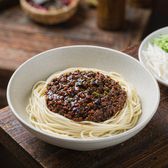
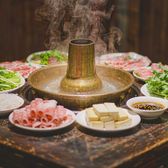
After that: zhajiangmian, thick noodles under a fermented soybean paste, and copper-pot lamb hotpot, the winter default and the most social meal in the city.
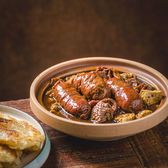
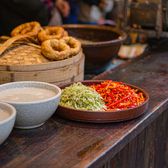
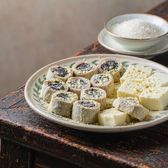
Luzhu stew and douzhi with jiaoquan are the adventurous end — douzhi is a fermented mung bean drink, it is genuinely divisive, and that is half the fun. For sweets, ludagun is a glutinous rice roll dusted in soy flour and wandouhuang a chilled pea-flour cake, both sold by the piece in hutong snack shops.
One practical note: the best food in Beijing is mostly in places with no English menu and no foreign card terminal. Have Alipay or WeChat Pay working before you go looking for it.
We'd rather not change hotels. What day trips work from Beijing?
The classic is a morning at Mutianyu and an afternoon back in town — the Summer Palace or the Temple of Heaven, or a rickshaw ride through the hutongs if you would rather keep it light.
Other pairings that work well: Badaling with the Ming Tombs close by, or Simatai combined with Gubei Water Town, which is the better of the two if you want to stay on into the evening.
If you are happy to travel further, high-speed rail puts Tianjin and Chengde within easy day-trip range, and Xi'an is even doable in a long day by high-speed train or overnight sleeper.
Beijing or Shanghai first? We may not have time for both.
Go to Beijing first if it is history and imperial scale you are after: the Forbidden City, the Temple of Heaven, the Summer Palace, and a stretch of the Great Wall under your feet.
Start in Shanghai if you would rather land in the modern, international side of China — the Bund looking across at the Pudong skyline, and the tree-lined streets of the former French Concession.
It is not really either/or. A week is enough for both, the high-speed train links them in about four and a half hours, and Beijing first, Shanghai second is the order that feels like it is building towards something.