Chongqing ● CITY TOUR BOARD

Chongqing 重庆

The 8D mountain megacity — skyscrapers stacked on cliffs, a monorail that runs through a building, two great rivers, and the spiciest hotpot in the country.

Introduction

Chongqing is built on cliffs between two rivers, and it will confuse you about which floor counts as the ground. Hongya Cave has a door onto one street at the bottom and a door onto another ten floors above it, a metro line runs straight through a block of flats, and a cable car from 1987 still carries commuters across the Yangtze. Two or three days covers the peninsula, and what catches people out is the walking maps: they measure in two dimensions, and this city has more.

Travel highlights

There is no single ground floor

Buildings here open onto different streets at different heights — Hongya Cave has a door at the bottom and another about ten floors up. Walking apps route in two dimensions, so allow extra time simply to find the entrance.

Line 3 does not reach Terminal 3

Line 3 ends at the Terminal 2 station; only Line 10 reaches Terminal 3, and it carries on directly to the peninsula in about 50 minutes. Flights have all used Terminal 3 since the end of 2025 while Terminals 1 and 2 are rebuilt into a second terminal area, so check the terminal printed on your boarding pass before you pick a line.

The cable car sells out

The Yangtze cableway is ¥30 one way, and at weekends the next available slots are hours out. Buy through the operator's WeChat mini-programme up to two days ahead, or turn up on a weekday morning.

July and August are punishing

Midsummer here is hard work: daytime highs of 35–40°C with heavy humidity are normal through July and August, and from mid-July the weather usually turns clear, hot and dry, so there is no rain to break the heat. Spring and autumn are the trip to plan.

Travel alerts

Top attractions

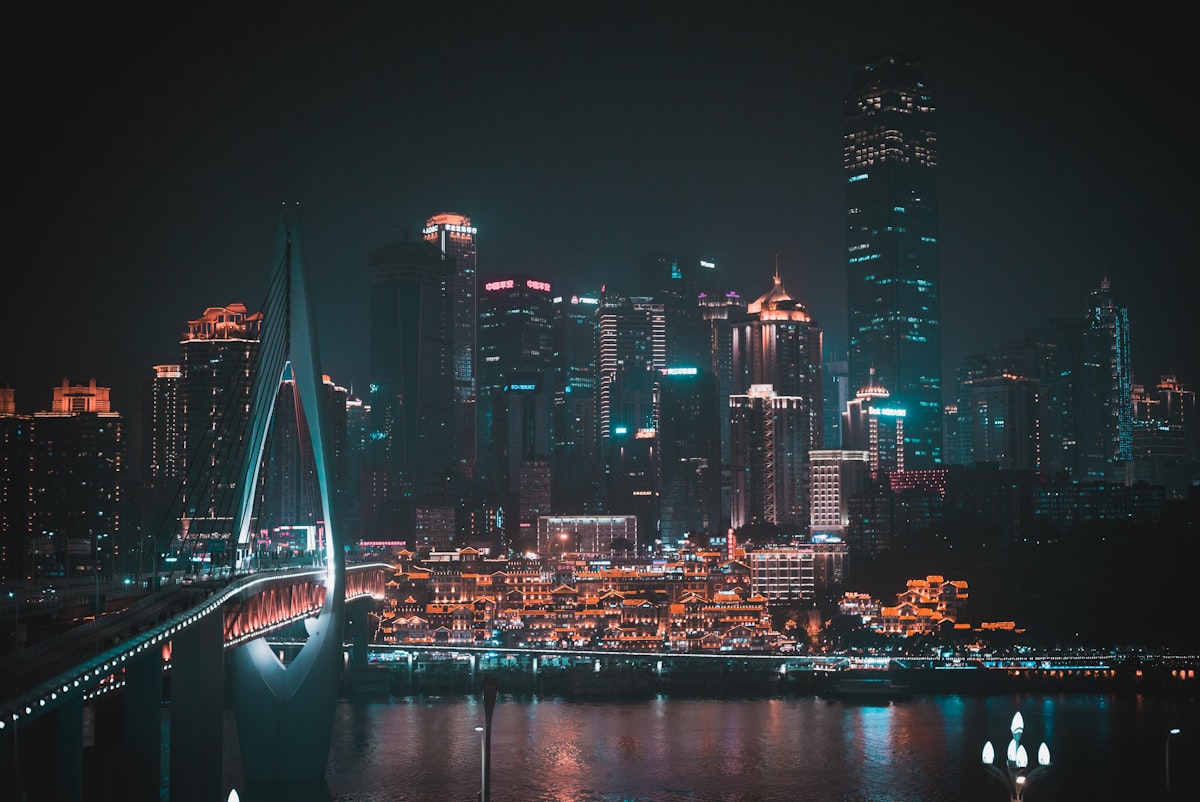
Hongyadong and Qiansimen Bridge lit up at night along the Jialing River in Chongqing

Hongya Cave · Jiefangbei

A cliffside stilt-house complex, lit after dark, with a street door at the bottom on Jiabin Road and another at the top on Cangbai Road, ten-odd floors apart. Entry is free, though weekends and holidays need a free timed booking, and the view is better from Qiansimen Bridge opposite. Jiefangbei's 1947 monument is ten minutes uphill.

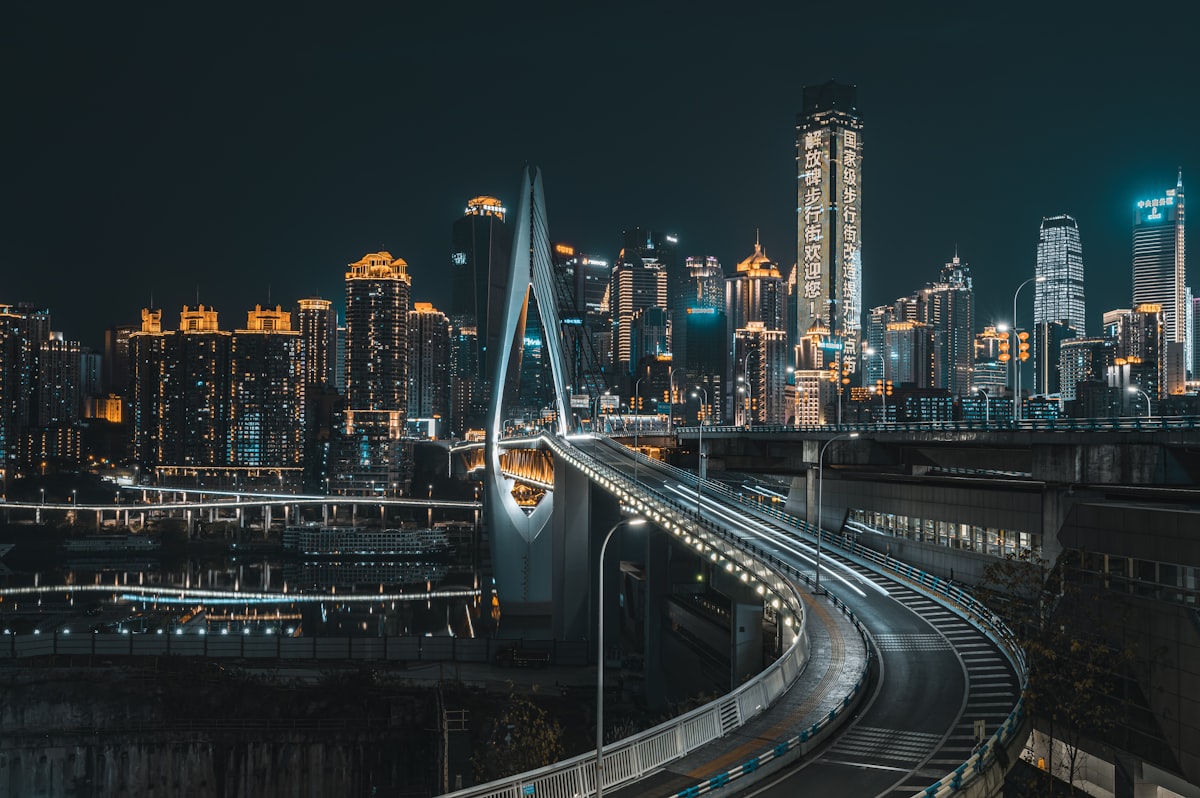
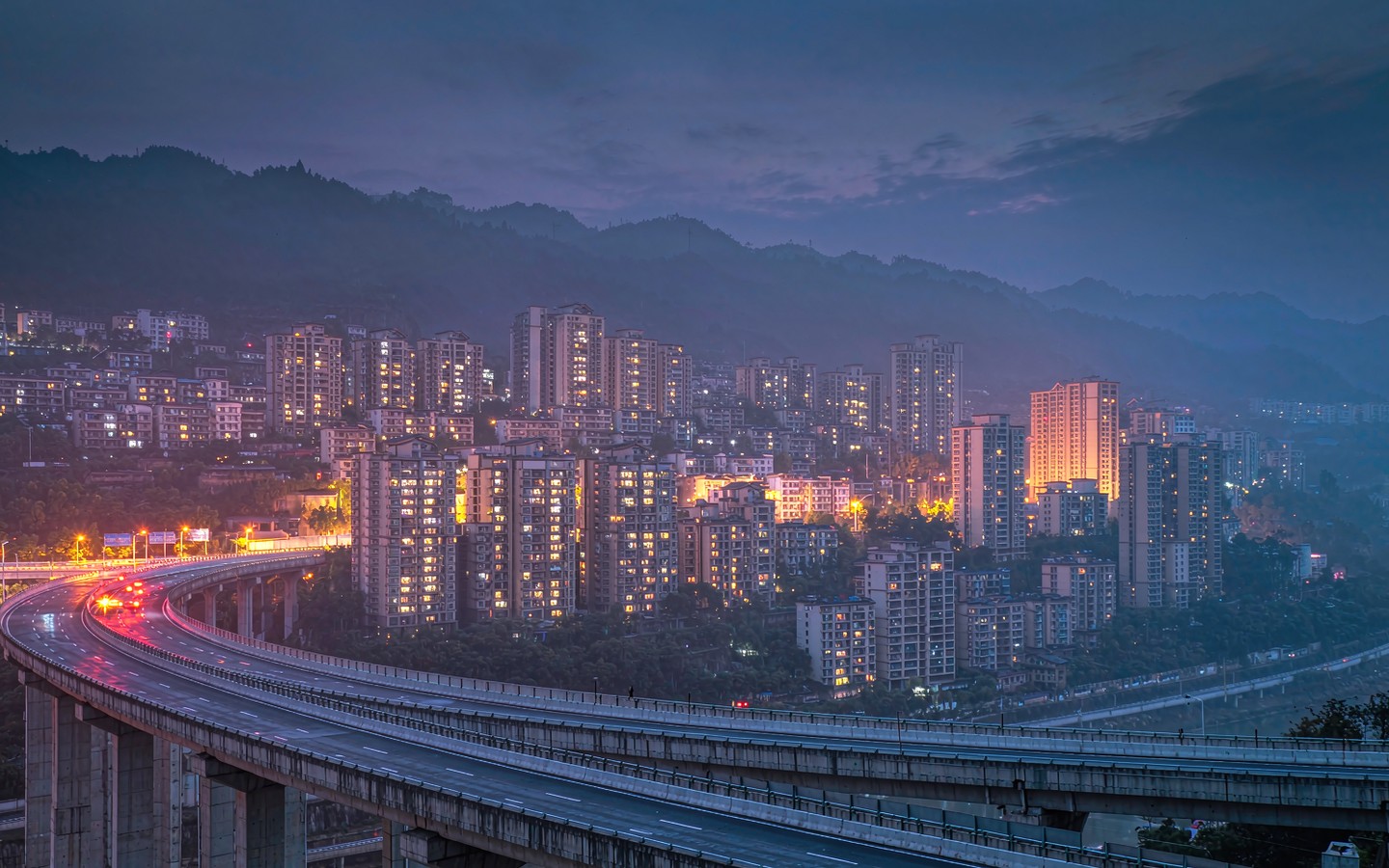
An elevated road curves toward Qiansimen Bridge amid Chongqing's night skyline

Two-river night cruise

Boats leave Chaotianmen and the Hongyadong dock through the evening for a loop past the lit bridges and Hongya Cave, about 45 minutes on the water. Night fares run from about ¥140 on the standard boats to ¥200 on the smarter ones; the ¥60 tickets you will see advertised are for the daytime sailings. If the budget is tight, skip it: Qiansimen Bridge gives you the same view for nothing.

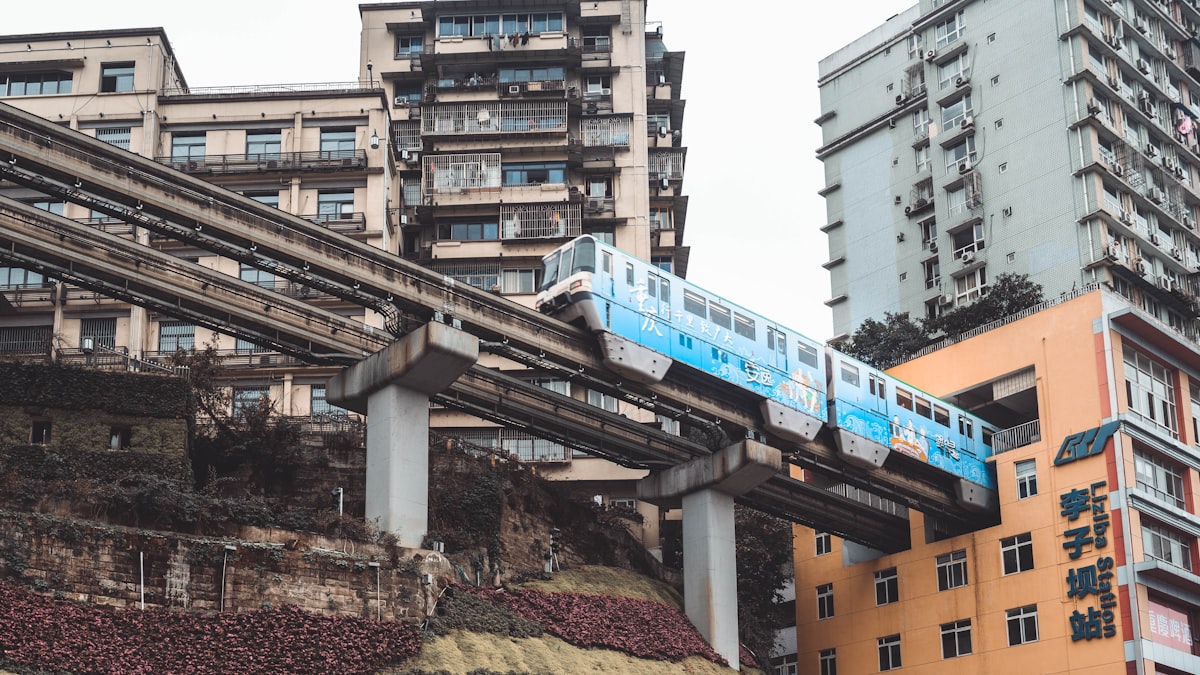
A monorail train passes through a residential building at Liziba station, Chongqing

Liziba monorail

Line 2 trains run in and out of the sixth to eighth floors of a nineteen-storey residential block, and the platform sits inside the building. Riding through costs an ordinary fare; watching costs nothing, from the free platform below reached by exit 2. Line 2 begins at Jiaochangkou beside Jiefangbei.

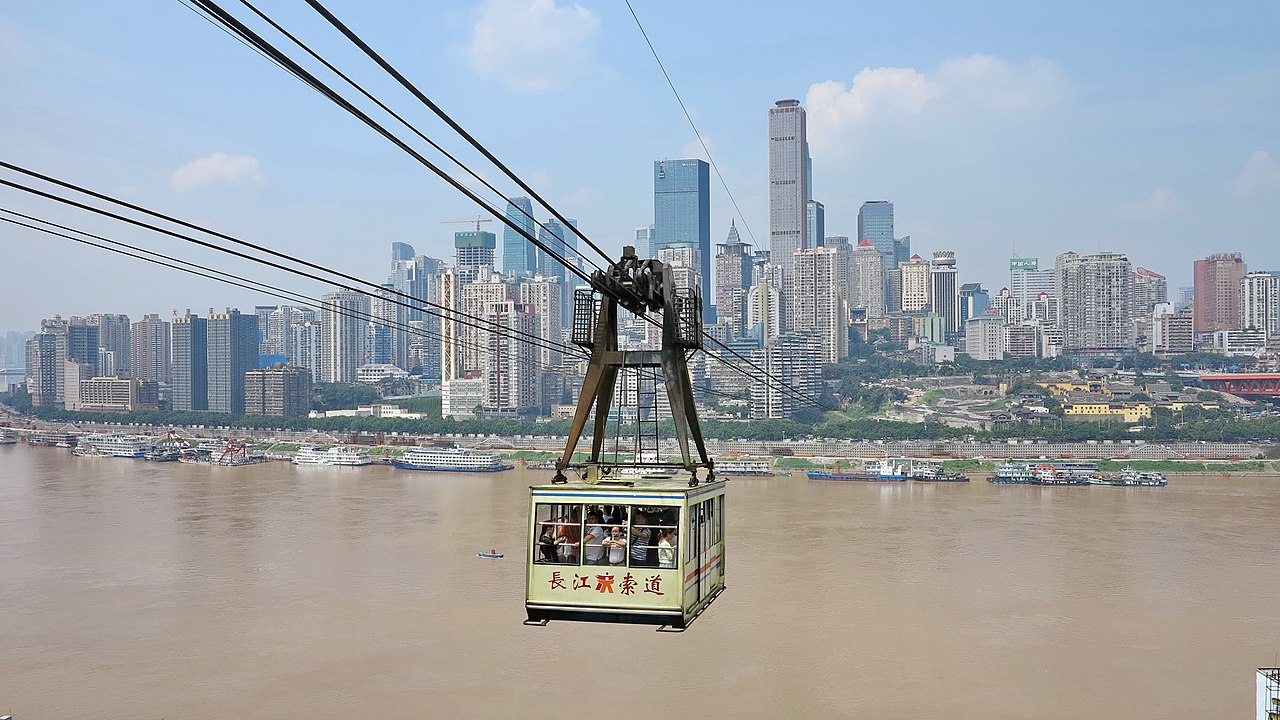
A Yangtze cableway car crossing the river with the Chongqing skyline behind it

Yangtze cableway

A 1987 commuter cable car, 1,166 metres across the Yangtze in under four minutes. It is ¥30 one way and ¥50 return, and at weekends the slots sell out hours ahead — buy through the operator's WeChat mini-programme up to two days out. Ride one way and land at Longmenhao Old Street, then walk back along Nanbin Road.

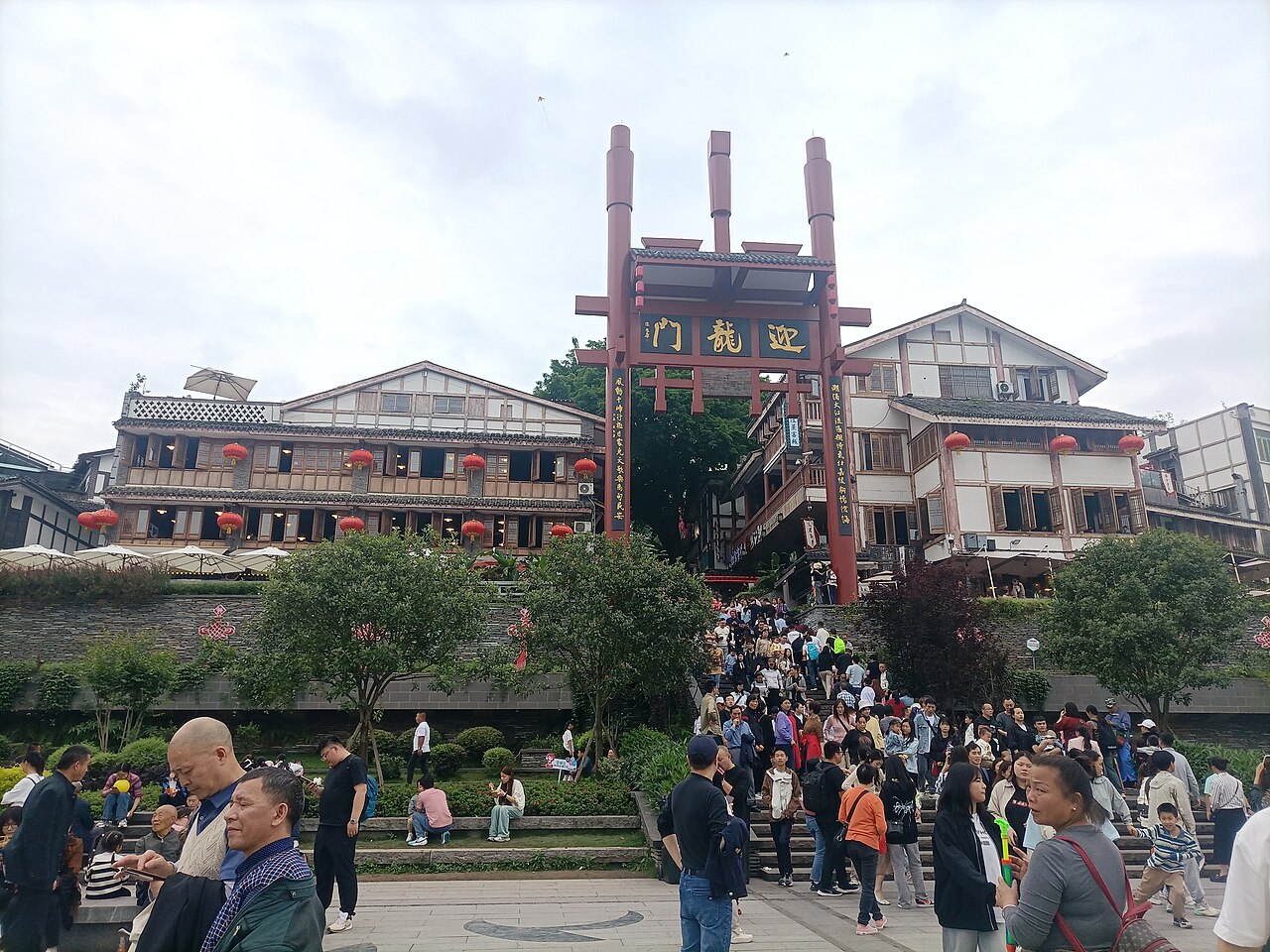
Crowds passing under the Yinglongmen gate at the entrance to Ciqikou old town, Chongqing

Ciqikou

A riverside old town on the Jialing, free and open at any hour, and the place maoxuewang was invented. It is thoroughly commercial now and the main lane sells the same souvenirs as every other old town in China, so come before ten in the morning or after dark. Line 1 runs there straight from Jiaochangkou.

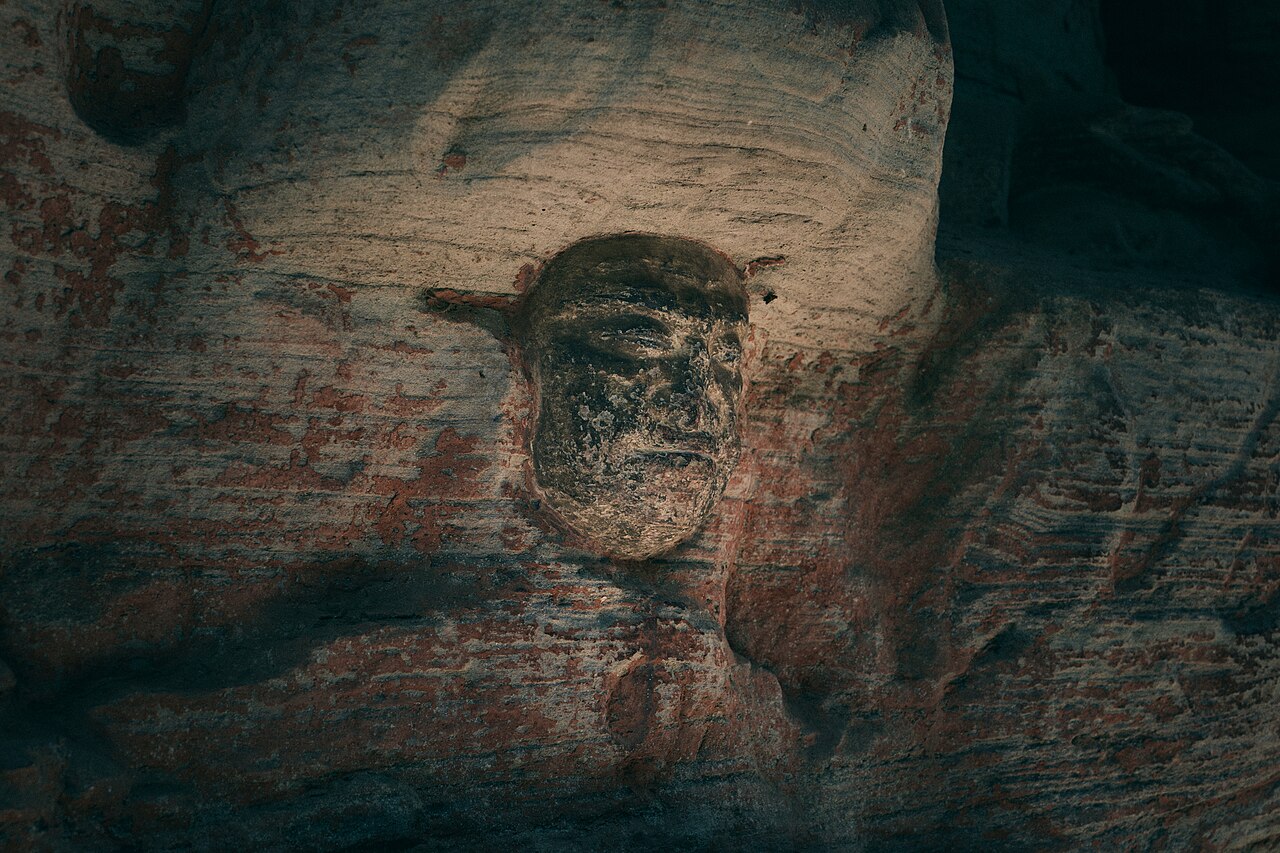
A carved Buddha face in the rock at the Dazu rock carvings

Wulong · Dazu

Two day trips in opposite directions. High-speed trains from Chongqing East reach Wulong South in around 40 minutes, for the Three Natural Bridges karst. Dazu is 25 to 45 minutes by train from Chongqing West or North, but Dazu South station sits about 40 km from the Baoding Mountain carvings — budget for the bus at the far end.

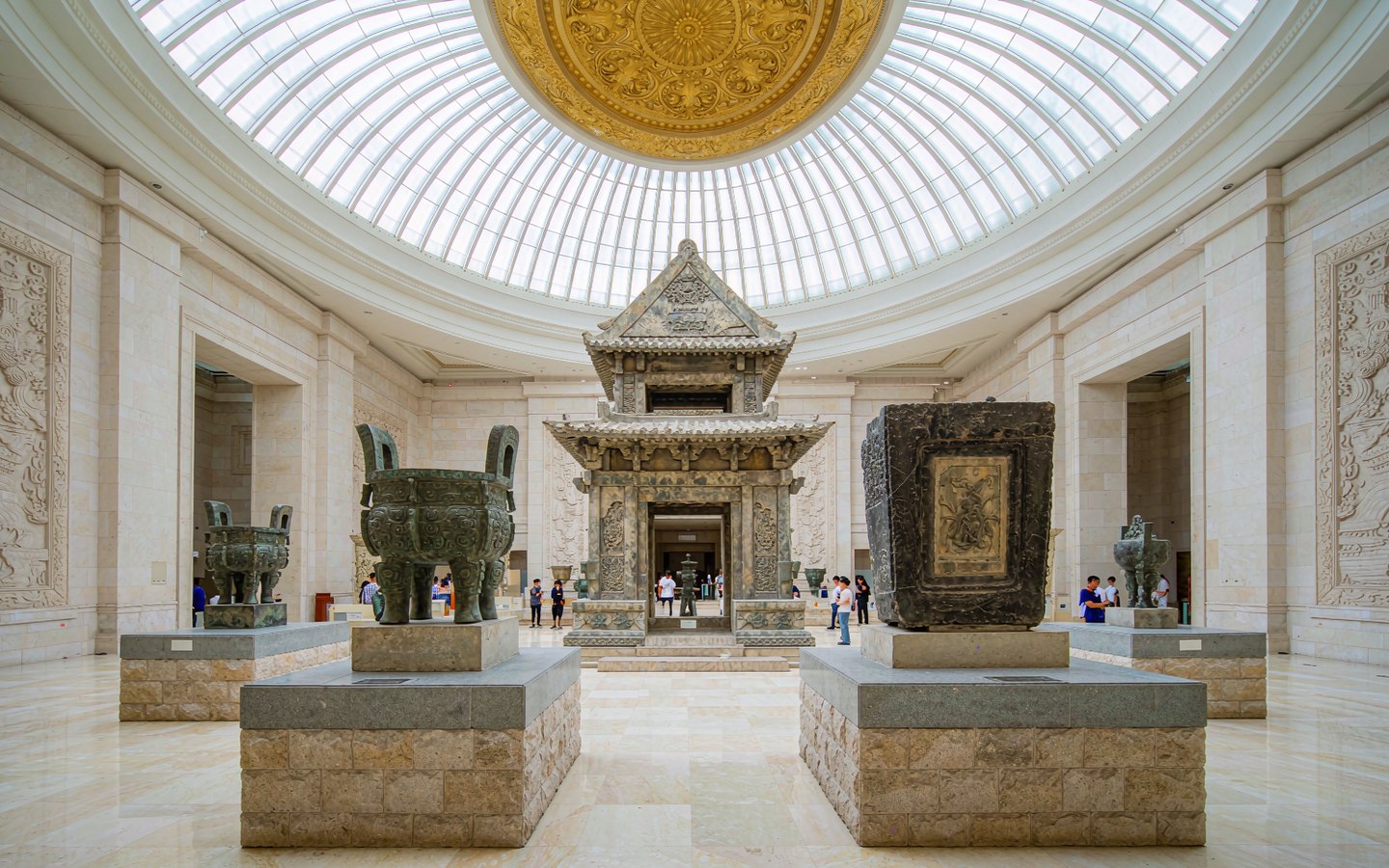
Grand museum atrium with ancient bronze vessels on pedestals

China Three Gorges Museum

Chongqing's missing culture layer: a national first-class museum facing the People's Great Hall, running the city from ancient Wushan man through Bayu bronzes, Han sculpture, the wartime capital and the Three Gorges migration — and the rare big museum you can decide on the spot to visit: since 1 October 2025, no reservation, just your ID (foreigners: carry the physical passport). Free; closed Mondays, last entry 16:30; special exhibitions ticket separately. Metro line 2 to Zengjiayan — the reliable rainy-afternoon save.

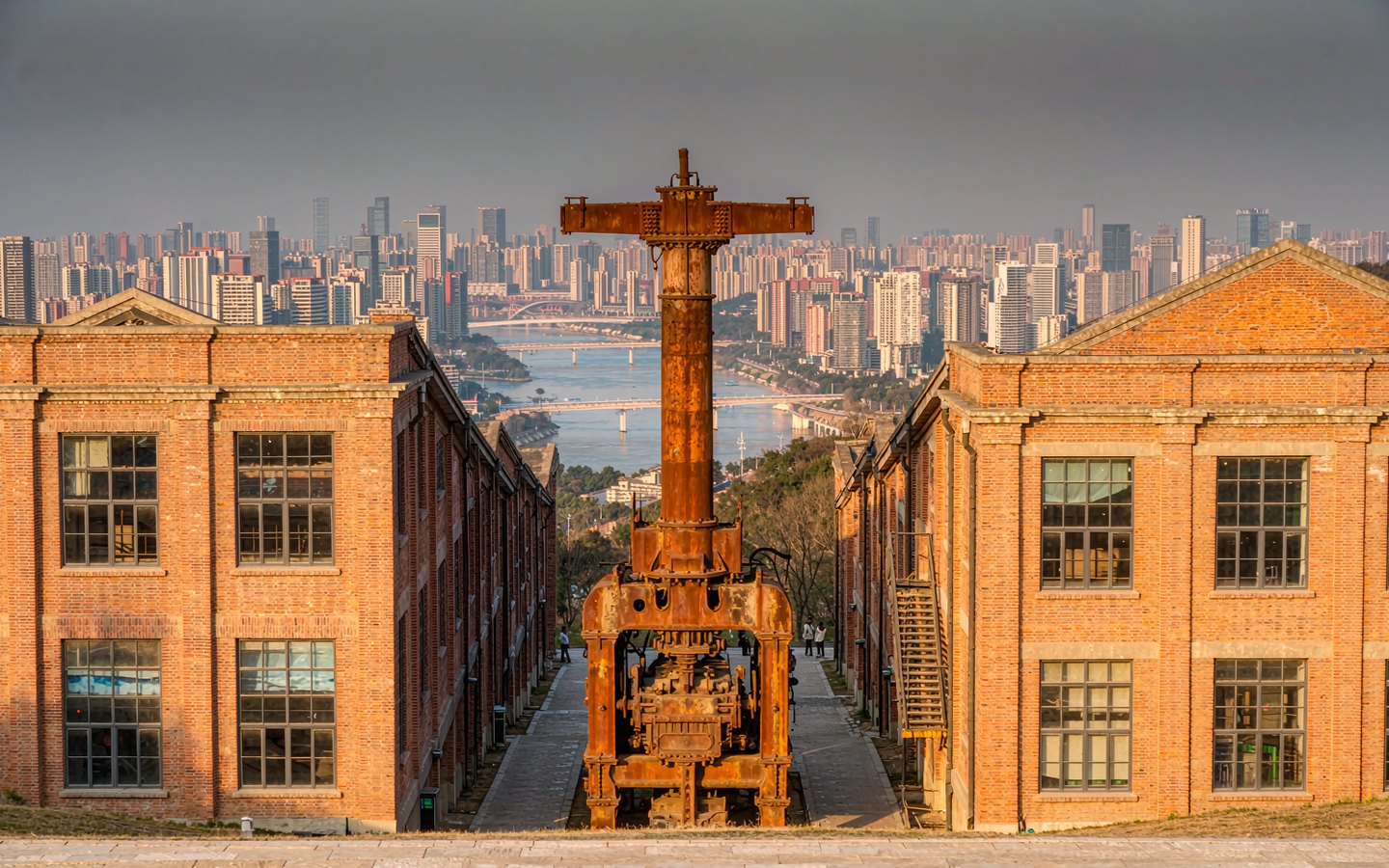
Red-brick factory lane with art installations on a hillside

Testbed 2 (Erchang Cultural & Creative Park)

A 1937 banknote-printing factory turned creative park — Soviet-style workshops, graffiti walls, a 1519 steam locomotive, the rooftop 'love terrace' from the film I Belonged to You — now a national leisure street. Free, open all day; some exhibitions and the terrace charge. The smart play is geography: it sits on the hill above the Liziba monorail-through-building sight, so ride up and walk down — the reverse climb is genuinely hard work. Evenings give the peninsula's lights, but taxis get thin.

2 more spots worth seeing
Long stone stairway descending through stacked old-style houses

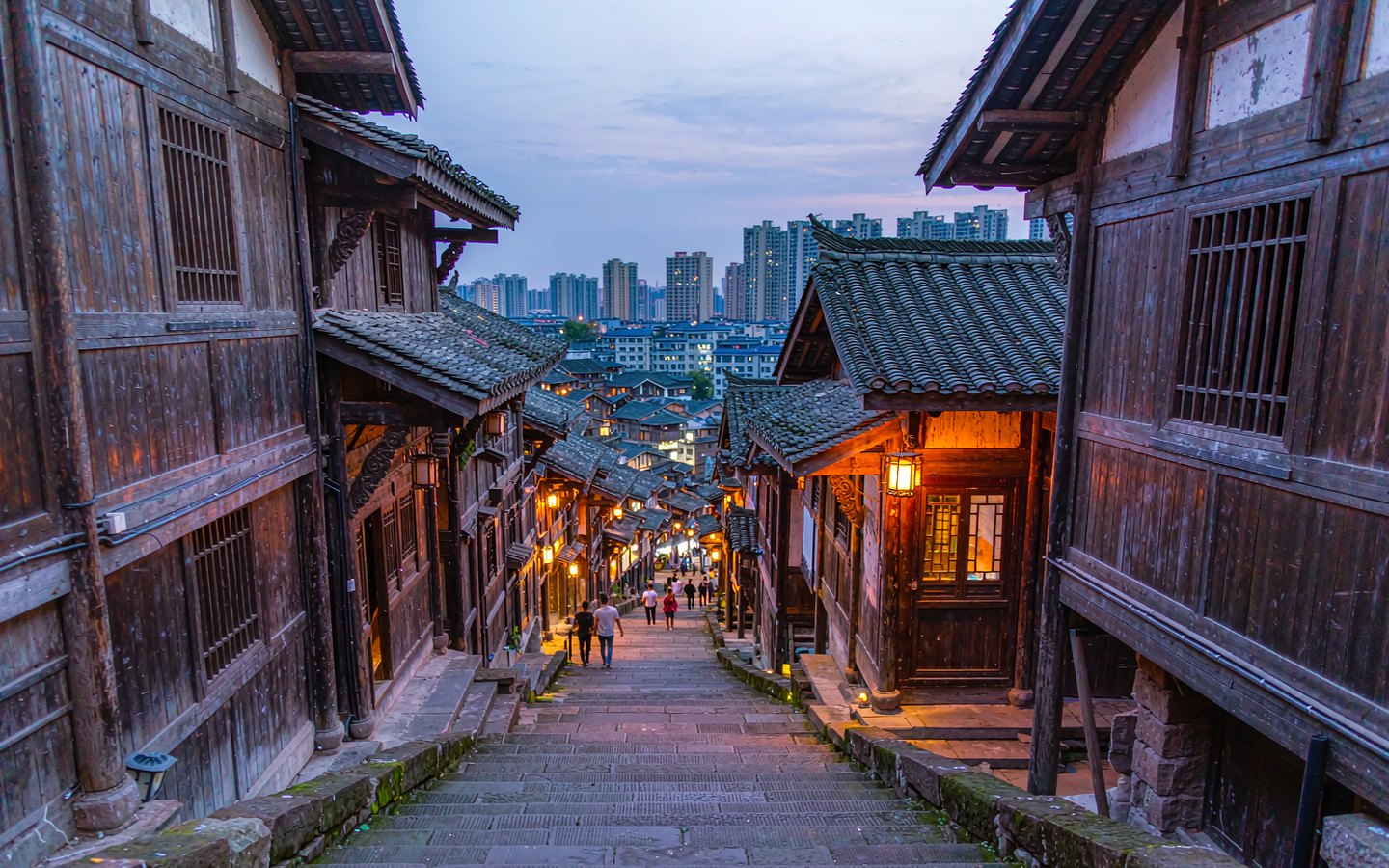
Shibati Traditional Scenic Area

The most legible lesson in Chongqing's 'upper town / lower town' split: a stairway district reopened in 2021 with its seven streets and six alleys intact, descending from Jiaochangkou toward the river — stone steps, stilt-house facades, the silhouette lit at night. Walk it top-down only, starting at Jiaochangkou metro (lines 1/2) or Shibati (line 18). Know the trade: it's a redeveloped vintage-style district with marked-up prices — come for the vertical cityscape, not untouched authenticity.

Old teahouse interior with kettles, benches and worn wooden tables

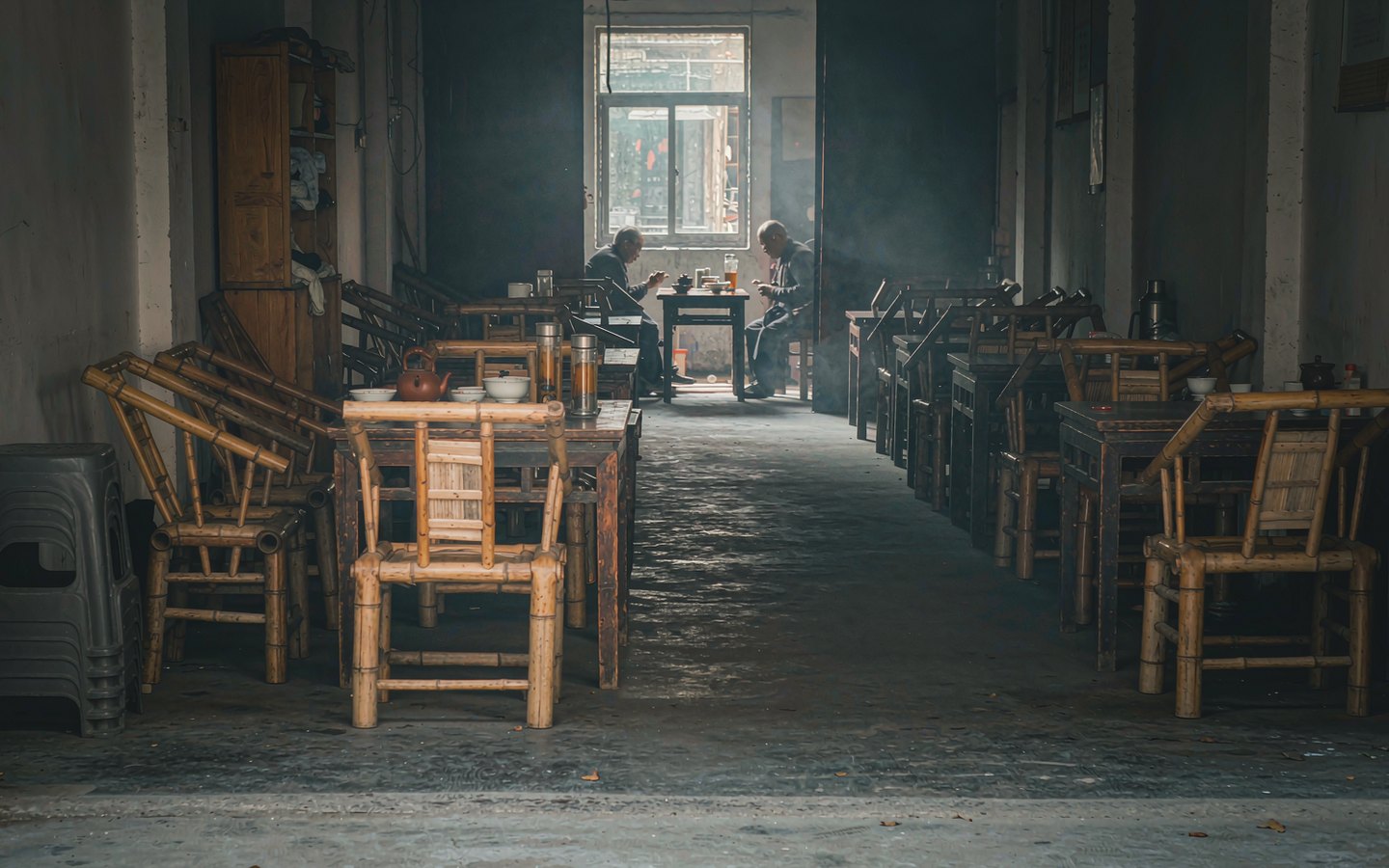
Huangjueping Graffiti Street & Transport Teahouse

The world's largest graffiti work — 1.25 km and 37 buildings painted by 800 artists, students and workers over 150 days — then duck into the Transport Teahouse, Chongqing's last untouched old teahouse, kept as-is since an art professor rescued it in 2005 and spent twenty years painting it. A few yuan buys bottomless gaiwan tea on a shared bench; Crazy Stone filmed here. It's a working teahouse, not a set: no flash, don't camp on seats, keep voices down (roughly 7:00–19:00).

Local cuisine

Where to stay

Book somewhere licensed to register foreign guests — plenty of small guesthouses are not, and they turn you away at the desk. Then check where the door actually is: an address in Chongqing can put reception several floors above or below the street your taxi stops on.

Getting around

Getting here

  • Jiangbei airport (CKG)

    Flights have all used Terminal 3 since the end of 2025, with Terminals 1 and 2 closed and being rebuilt into a second terminal area. Line 10 serves Terminal 3; Line 3 only reaches the Terminal 2 station, so check the terminal on your boarding pass before choosing a line.

  • Airport to the centre

    Line 10 runs from Terminal 3 straight onto the peninsula with no change: about 50 minutes to Qixinggang for ¥7–8, and Qixinggang is one Line 1 stop from Jiaochangkou beside Jiefangbei. A DiDi or taxi is about 40 minutes and ¥50–80; the K01 airport bus to Jiefangbei is ¥15 and takes about 70 minutes.

  • Train stations

    Four of them. Chongqing East opened in 2025 and is where the Wulong trains leave from, Chongqing North and West cover most other routes, and Shapingba is the convenient one for Chengdu.

Book on 12306 with your passport number and the passport is the ticket at the gate. Check which of the four stations your ticket names — they are spread right across the city.

Local transport

  • 🚇

    Metro & monorail

    More than ten lines, ¥2–11 by distance, signed in English. Lines 2 and 3 are straddle monorails that run at rooftop height. Open Alipay's transport mini-app and scan at the gate.

  • 🚡

    Cableway

    The Yangtze cableway is working transport as well as a sight: ¥30 one way, ¥50 return, under four minutes across the river. Book ahead at weekends or you will not get on.

  • 🚕

    DiDi

    English interface, takes foreign cards, and the answer once you have had enough of the stairs. Give the floor as well as the street — pick-up points here are often not at ground level.

Shared bikes exist here but sit in the flat outer districts; on the peninsula the gradients rule them out. Allow extra time whenever the last 300 metres on the map involve a cliff or a staircase.

What's on

Recommended routes

All routes →

FAQs

What is the best time of year to visit Chongqing?

Spring (March to May) and autumn (September to November) are the sweet spots: mild temperatures and the clearest views over the rivers. Summer goes the other way — Chongqing is one of China's "furnace cities" and July and August routinely pass 40°C. Winter (December to February) is mild but foggy, which is exactly why the city is nicknamed the Fog Capital; the misty mornings have their own appeal.

I can't handle much spice — can I still enjoy Chongqing hotpot?

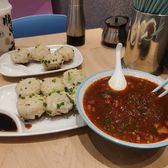
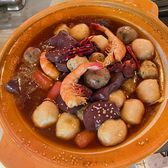
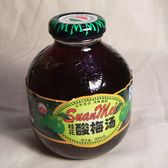
Yes. Order a yuanyang pot, which divides the broth into one fiery half and one mild half, or ask for a lightly spiced or plain base. Stir sesame oil into your dipping sauce to take the edge off, keep sour plum juice or bingfen (iced jelly) within reach, and remember that even wei la — the local "mild" — is genuinely hot, so say so plainly if you want it toned down. Plenty of Chongqing cooking is gentle too: even xiaomian noodles can be ordered with little or no chilli.

What is the best time to see the Hongya Cave lights?

Between 7pm and 10pm, when the whole cliffside complex is lit. Shoot the classic panorama from Qiansimen Bridge first, then walk down through the stilt houses — the street door at the bottom is on Jiabin Road and the one at the top on Cangbai Road, ten-odd floors apart. Entry is free, but weekends and public holidays need a free timed booking, so reserve before you go.

How many days do I need in Chongqing?

Two or three days cover the city core: Hongya Cave, Jiefangbei, the Yangtze cableway, the Liziba monorail and Ciqikou. Add a day or two to go further — the Wulong Three Natural Bridges and the Dazu rock carvings are both day trips — or pair the city with Chengdu for a five-day trip. Chongqing also works as the start of a Yangtze cruise; the boats leave from Chaotianmen, at the tip of the peninsula.

What is the best way to get around Chongqing?

The metro and monorail: more than ten lines, ¥2–11 by distance, signed in English, and they reach every major sight — the ride is half the attraction, since the trains cross rivers and run at rooftop height. Taxis and DiDi are cheap, but the mountain roads are so tangled that drivers often take the long way round. Self-driving is best avoided; the multi-level streets regularly defeat GPS.

How do I plan a day trip to the Wulong Three Natural Bridges?

The train makes it workable: high-speed services leave Chongqing East for Wulong South in around 40 minutes, and a shuttle bus covers the last stretch to the karst gorge. Allow two to three hours inside the Three Natural Bridges, and pair it with Xiannu Mountain or Longshui Gorge if you have the appetite. Going by train and joining a local tour at the far end is usually smoother than driving yourself.

Where should I stay in Chongqing?

Jiefangbei–Hongyadong is the default: the monument, the food streets and the lights are all on foot, though a river-facing room costs noticeably more than the same room three streets back. Guanyinqiao, across the Jialing, is the other big shopping district and cheaper for the same standard. Nanbin Road has the skyline view but is quiet and thin on restaurants; Shapingba–Ciqikou is the student side of town and the cheapest of the four.

What food is Chongqing known for?

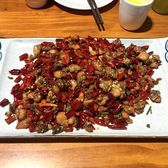
Hotpot above all — the nine-grid pot, ordered as a split if you want a milder side — then xiaomian noodles, the city's real breakfast staple and a few yuan a bowl. Behind those come suanla fen, maoxuewang (invented at Ciqikou), laziji and grilled river fish, with a sour plum drink to cool the fire. Bayi Road Food Street, Jiaochangkou and Ciqikou are the classic places to graze.

Should I ride the Yangtze cableway, and how long are the queues?

Yes — it is a 1987 commuter cable car, 1,166 metres across the Yangtze in under four minutes, and it sets you down at Longmenhao Old Street on the far bank. The catch is the queue: ¥30 one way and ¥50 return, and at weekends the slots sell out hours ahead, so buy through the operator's WeChat mini-programme up to two days in advance. Ride at dusk, then walk back along Nanbin Road.

How much does a trip to Chongqing cost?

Less than you would expect for a city this size. Hotels set the budget: Jiefangbei–Hongyadong runs about ¥350–1,500 a night, Nanbin Road ¥300–1,200, Guanyinqiao ¥250–900, and Shapingba–Ciqikou the least of the four. Everything else is small change — metro fares are ¥2–11 by distance, the K01 airport bus ¥15, a bowl of xiaomian a few yuan, and the city's biggest sight, Hongya Cave, is free.

How do I get from Chongqing Jiangbei airport to the city centre?

Metro Line 10 runs from Terminal 3 straight onto the peninsula with no change — about 40 minutes, ¥7–8 to Qixinggang, which is one Line 1 stop from Jiaochangkou beside Jiefangbei. A taxi or DiDi takes about 40 minutes and costs roughly ¥60–100; the K01 airport bus to Jiefangbei is ¥15 and takes about 70 minutes. Check the terminal on your boarding pass: every flight now uses Terminal 3, and Line 3 only reaches the closed Terminal 2 station.