
Mid-Autumn Festival 2026: how China celebrates, region by region
On Friday 25 September the full moon gets its festival: three days off, mooncakes by the ton, a 67-metre fire dragon in Hong Kong, mooncake dice games in Xiamen and a tidal bore near Hangzhou. How China celebrates the Mid-Autumn Festival, region by region — and where a traveller can join in.
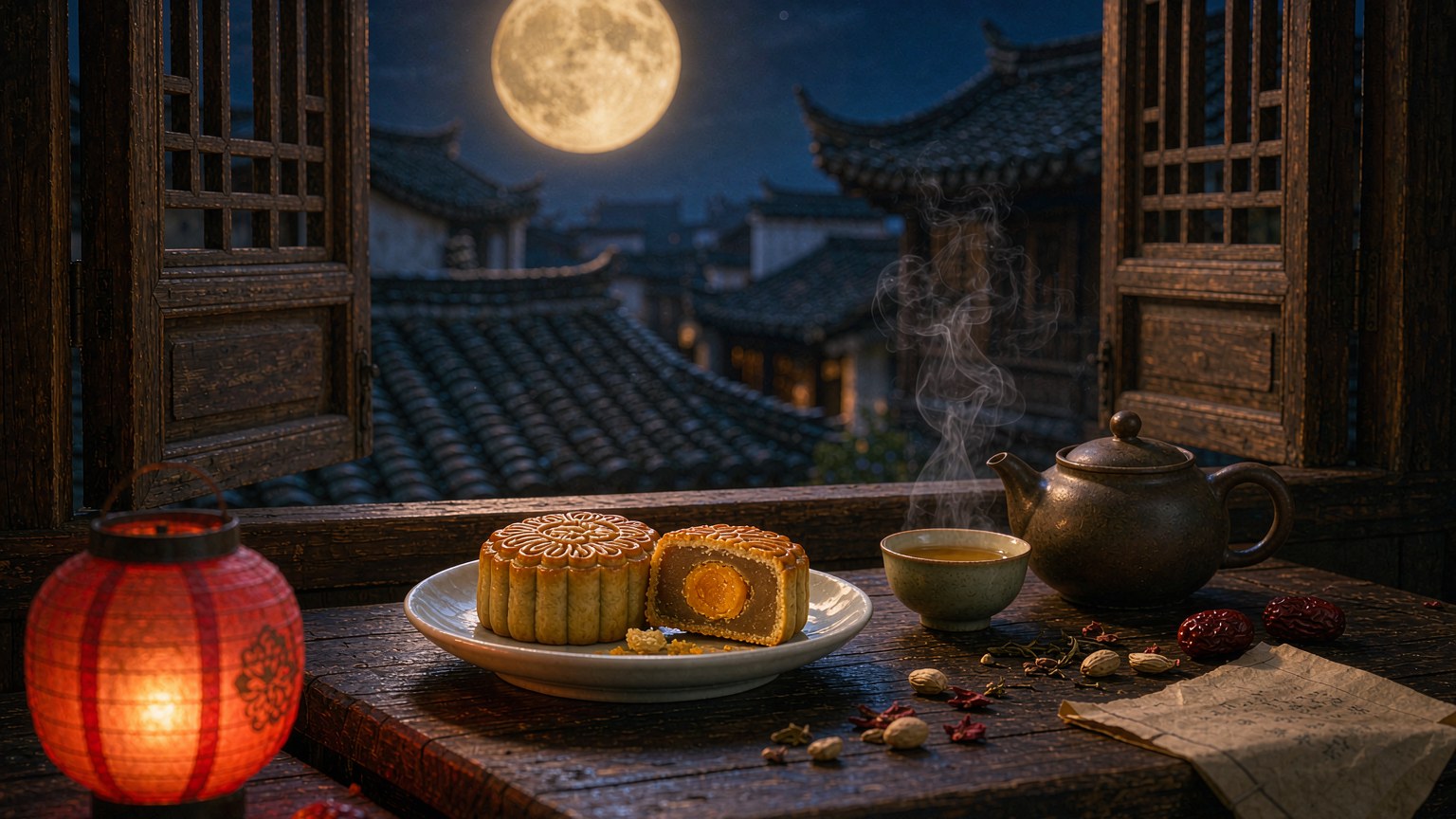
On Friday, 25 September 2026, China marks the Mid-Autumn Festival — the fifteenth day of the eighth lunar month, when the moon is at its roundest and, in Chinese symbolism, the year at its most "reunited". It is the country's second biggest traditional festival after the Spring Festival, and this year it comes with a three-day public holiday from 25 to 27 September. In one sentence: families gather for a reunion dinner, share mooncakes, and go out to look at the moon. But the way each region does that varies wildly — from a fire dragon in Hong Kong to dice games in Xiamen and a wall of river water near Hangzhou.
This year's state-media gala, the televised centrepiece of the evening, airs at 8pm on 25 September from Huainan in Anhui province — a deliberate choice. It was in Huainan that the Han-dynasty text Huainanzi first fully recorded the 24 solar terms and wrote down the legend of Chang'e, the goddess who flew to the moon. Two thousand years later, the same story is still the emotional core of the festival.
The heart of it: moon, mooncakes and the reunion table
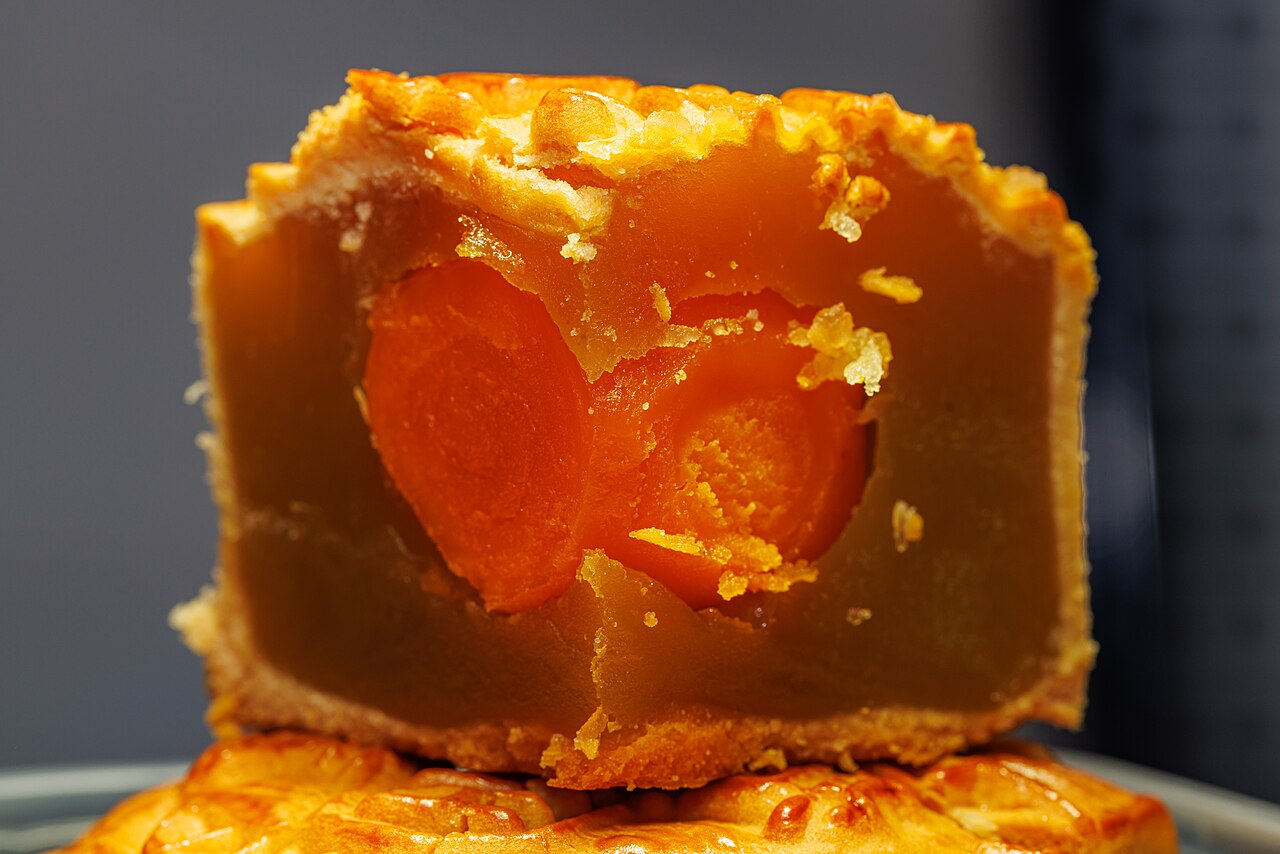
Moon-gazing at Mid-Autumn began in the Wei and Jin dynasties and flourished in the Tang and Song; by the Northern Song the festival was fixed on the fifteenth of the eighth lunar month. The mooncake started life as an offering to the moon god before becoming the edible emblem of family reunion — round cake, round moon, whole family. Regional styles are a point of pride: Cantonese mooncakes with smooth lotus-seed paste and a salted egg yolk standing in for the moon; flaky Suzhou-style crusts; Beijing-style sweetened crusts; Yunnan versions with cured ham. Around the cake sit the season's supporting cast — osmanthus wine (the osmanthus blooms in the eighth month), pomelos, and in Nanjing a plate of osmanthus-blossom duck, the city's non-negotiable festival dish.
Beijing: a clay rabbit rules the night
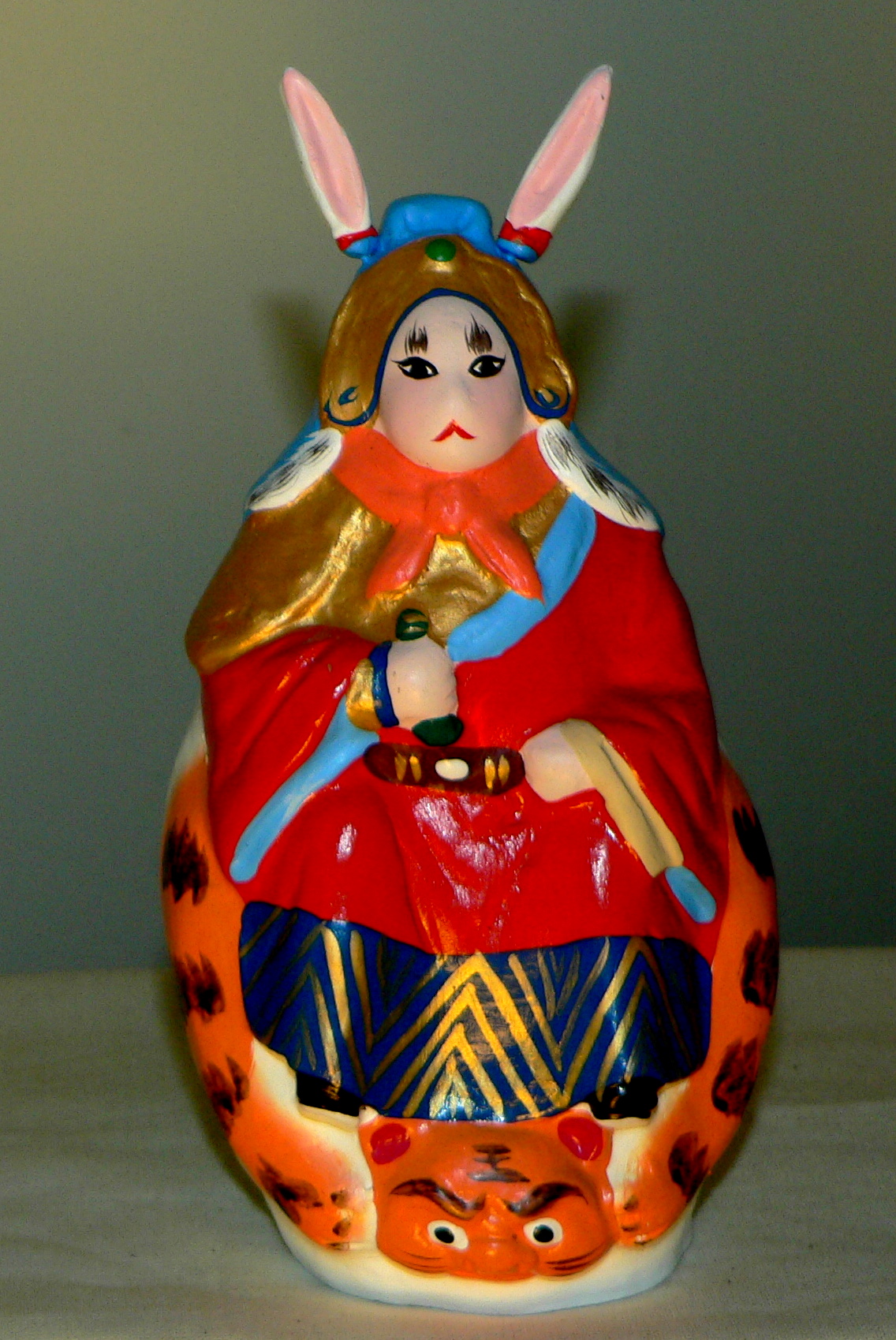
Old Beijing's festival mascot is Tu'erye — Lord Rabbit — a painted clay figurine with a rabbit's head on an armoured, flag-bearing body, born from the legend of the jade rabbit that pounds medicine on the moon. First recorded in the Ming dynasty as an object of moon worship, by the Qing it had slid down the social scale into a beloved children's toy, and Beijing families still set one out for health and safety in the year ahead. Look for the figurines in craft shops around the hutongs if you are in the capital this week.
Hong Kong: the fire dragon of Tai Hang
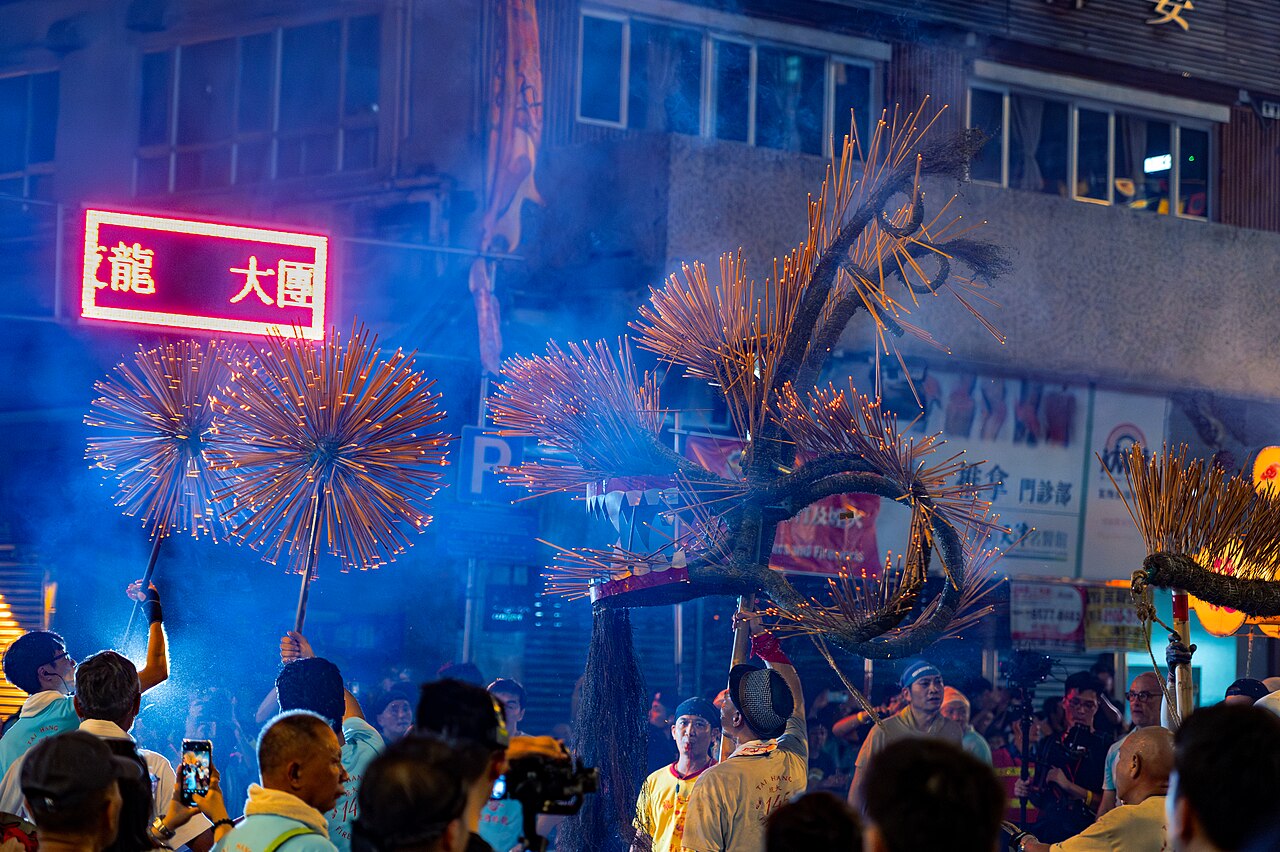
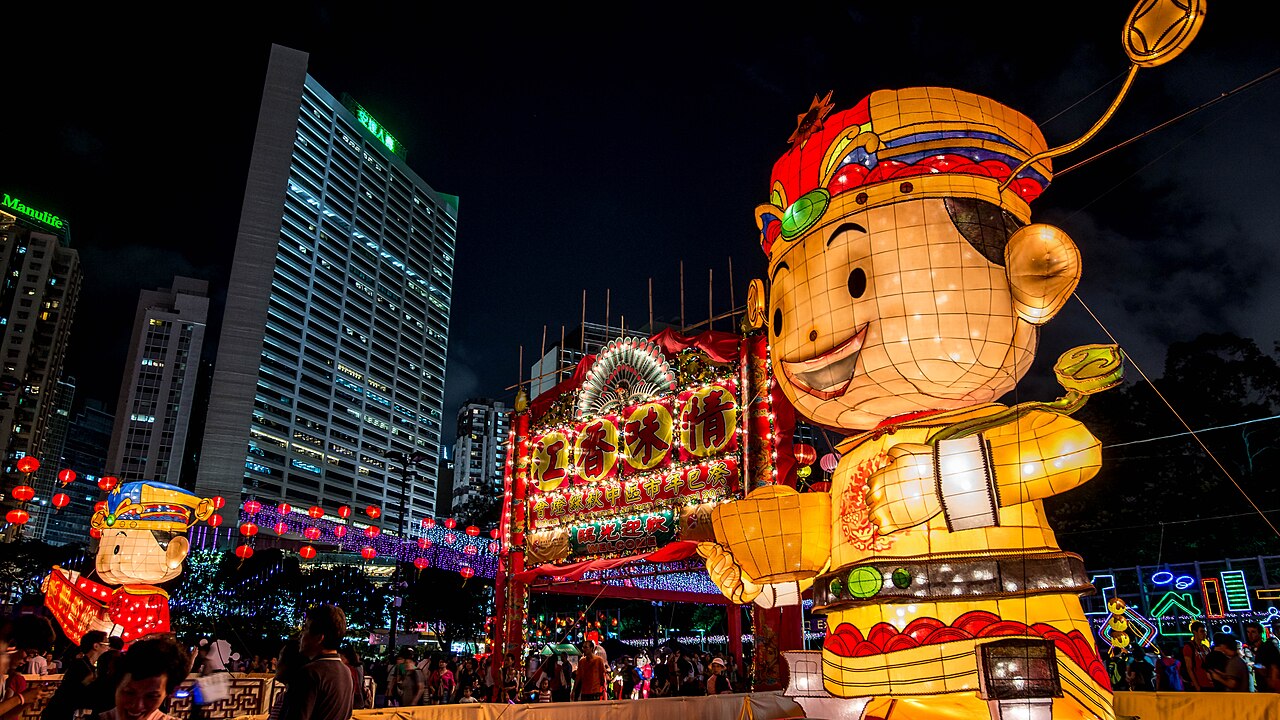
The most spectacular Mid-Autumn custom in the country happens in a few dense streets of Causeway Bay. In 1880, so the story goes, a plague struck the Hakka village of Tai Hang; villagers built a dragon of straw, studded it with burning incense sticks, and paraded it through the lanes with firecrackers — and the plague receded. The dance has run every year since: a 67-metre dragon bristling with more than 10,000 lit incense sticks, carried by around 300 performers to a soundtrack of gongs and drums, on the 14th, 15th and 16th of the eighth lunar month — this year the evenings of 24, 25 and 26 September. It was inscribed on China's national list of intangible cultural heritage in 2011. Across the harbour, the Urban Mid-Autumn Lantern Carnival in Victoria Park fills the nights with lantern displays, and both are free to watch. Details for visitors are in our Hong Kong city guide.
Xiamen: gambling for mooncakes
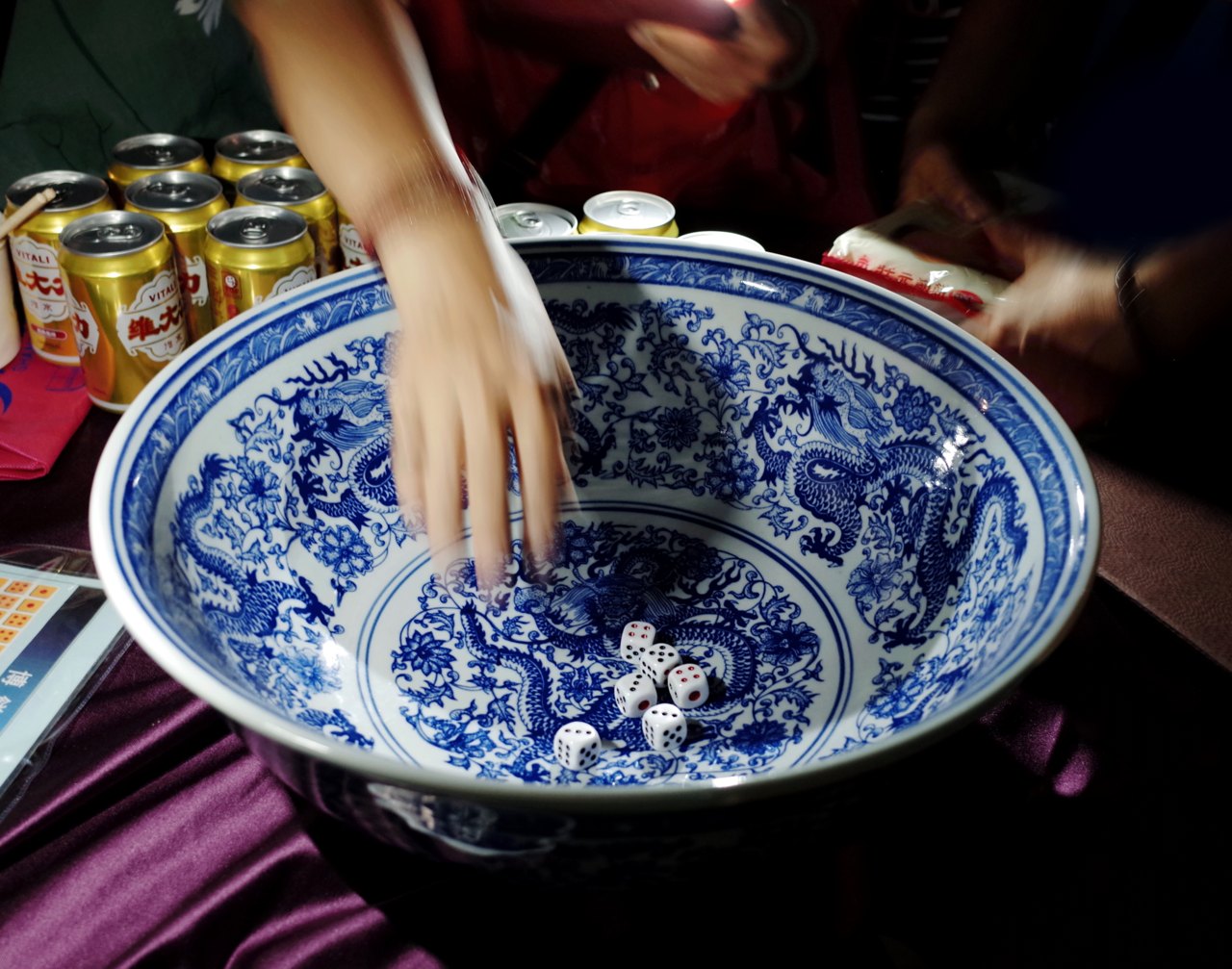
In Xiamen and across southern Fujian, the soundtrack of the eighth lunar month is dice rattling in a porcelain bowl. The game is bo bing — "mooncake gambling". Legend credits it to a general under Koxinga (Zheng Chenggong), whose troops were stationed in Xiamen in the 17th century and homesick at festival time; the game, with prizes named after the old imperial examination ranks — from xiucai (scholar) up to zhuangyuan (top of the empire) — kept spirits up. A traditional prize set is exactly 63 mooncakes, from 32 scholar-cakes up to one grand zhuangyuan cake, and the game is on the national intangible cultural heritage list. It is emphatically still alive: this week, 150 students, teachers and doctors from Taiwan, China joined a cross-strait bo bing session in Xiamen, and 320 members of the Huang clan from both sides of the strait rolled for luck after their ancestral rites at the Jiangxia Hall. Today the prizes run from toothpaste to cars, but the point is unchanged: a table of people, six dice, and the year's luck settled in a bowl.
Hangzhou: watching the river run backwards
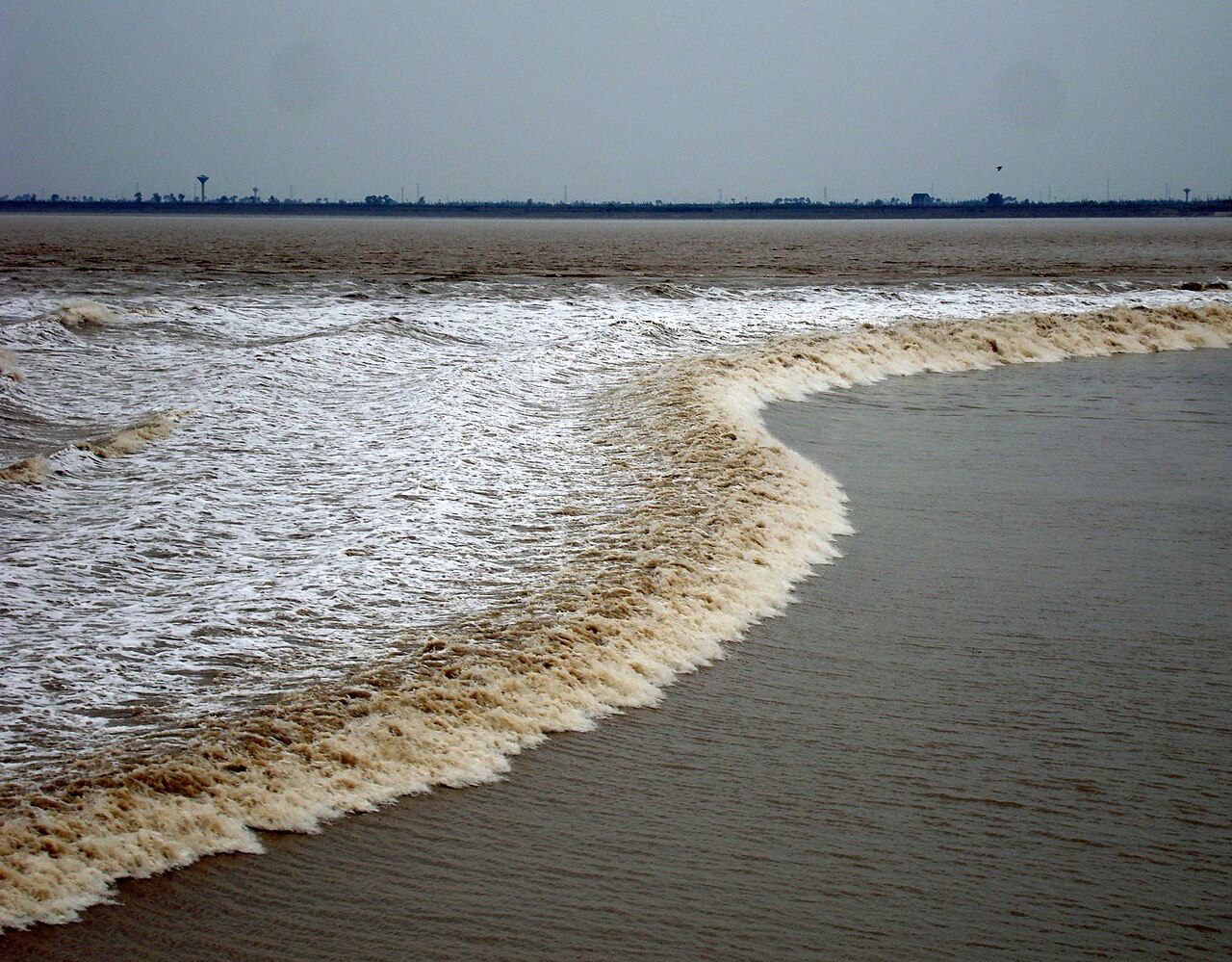
Tide-watching at Mid-Autumn is recorded as early as the Han dynasty, and the place to do it is the Qiantang River outside Hangzhou, where the funnel-shaped estuary squeezes the incoming tide into a single advancing wall of water — the famous "one-line tide" at Yanguan. The Su Shi poem every Chinese schoolchild knows promises "night tide kept for viewing beneath the moon". The bore peaks around the 18th of the eighth lunar month — 28 September this year, three days after the festival itself — under the old saying "the tide of the eighteenth of the eighth has no equal under heaven". If you go, treat it with respect: arrive at least 40 minutes early, stay behind the barriers, and check the official tide forecast before setting out.
The rest of the map
- Suzhou and the Jiangnan south. Festival night was traditionally for walking under the moon — women strolling the bridges and lanes together — and for burning towering cones of incense called dou xiang. Lantern boats once lit the canals.
- Guangdong. Families "raise the Mid-Autumn" — hoisting lanterns on tall poles and rooftops so whole streets glow; in the Chaoshan region, women and children set out tables to worship the moon with taro and pomelo.
- Hunan, Hubei and Jiangxi. The old custom is the fire pagoda: tiles stacked into a tower and lit from within, flames for a harvest wish — the brighter, the better the omen.
- Jiangsu and Shandong villages. On festival night, touching the autumn let young women slip into melon patches — a pumpkin foretold a boy, a bean pod a girl, and the "robbed" household took it as a compliment.
- Taiwan, China. The island's signature custom is younger than its neighbours': barbecue. Folk scholars trace the craze to the 1980s, when a soy-sauce maker's TV jingle — "one family grills, ten thousand smell it" — and rival barbecue-sauce ads turned grilling into the festival's main event; surveys have put participation at four in five households. After the grill: pomelos, the peels folded into flower-shaped hats for the kids.
- Yunnan. Yi villages keep tiao yue, the moon dance — an evening of song and circle dancing under the full moon that doubles as courtship season.
If you are in China this Mid-Autumn
The 25–27 September holiday is a domestic travel peak — trains and headline attractions sell out, so book early (and if you are routing through the country on the 240-hour transit visa-free scheme, a festival stopover is very doable). Three evenings worth planning around:
- 24–26 September, Hong Kong: the Tai Hang fire dragon dances the streets of Causeway Bay each evening; arrive early for a sightline, then walk to the Victoria Park lantern carnival.
- All lunar month, Xiamen: hotels, companies and neighbourhoods run bo bing tables — visitors are routinely waved in; the Bo Bing Folk Custom Park by Haicang Bridge explains the rules.
- 28 September, Yanguan (Haining, near Hangzhou): the year's biggest tidal bore. The riverside is controlled on peak days; check tide times, get in early, and follow staff instructions — the tide is faster than you are.
And wherever you are on the night itself, do the simplest thing the festival asks: step outside after dinner, cut a mooncake into quarters, and look up.
FAQ
When is the Mid-Autumn Festival in 2026?
Friday, 25 September 2026 — the 15th day of the eighth lunar month. Mainland China's public holiday runs 25–27 September.
Is Mid-Autumn Festival a public holiday in China?
Yes. It is one of China's statutory festivals, and in 2026 the State Council notice grants three consecutive days off, 25 to 27 September, with no make-up working days attached.
What do people eat at Mid-Autumn Festival?
Mooncakes above all — Cantonese lotus-seed paste with salted egg yolk is the benchmark. Beyond that: osmanthus wine and osmanthus duck in Nanjing, pomelos in the south, hairy crab as the season opens, and in Taiwan, China, a full barbecue.
Can tourists watch the Tai Hang fire dragon dance?
Yes — it parades the public streets of Tai Hang, Causeway Bay, on the evenings of 24–26 September 2026, and watching is free. Expect dense crowds; the heritage centre on School Street has context if you arrive early.
What is the difference between the Mid-Autumn Festival and the Lantern Festival?
The Lantern Festival closes the Chinese New Year period in the first lunar month; Mid-Autumn belongs to the eighth month and the harvest moon. Both involve lanterns, but Mid-Autumn's grammar is mooncakes, moon-worship and family reunion.
From us, under the same moon
However you mark it — a dragon of burning incense, six dice in a bowl, a river running uphill, or simply a quiet window and a shared cake — the festival comes down to one line written twelve centuries ago: though a thousand miles apart, we share the same moon. From all of us at Chinaroutemap: Happy Mid-Autumn Festival. 中秋快乐!