What food must I try in Hangzhou — and is it spicy?
Hangzhou cooking belongs to the wider Zhejiang and Jiangnan tradition: fresh, seasonal, lightly sweet and elegant, with texture prized over heat. Arriving from Sichuan or Hunan the absence of chili will surprise you; arriving from Europe or North America the subtlety will feel familiar, though the flavours are entirely their own.
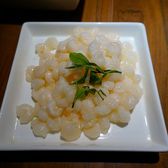
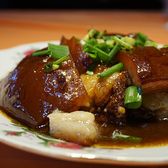
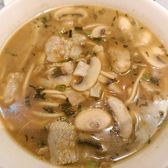
The dishes worth ordering: Dongpo pork (东坡肉), the city's signature — pork belly braised slowly in soy and rice wine until it melts, rich and glossy, ¥48–98 a portion at the historic restaurants. Longjing shrimp (龙井虾仁), river shrimp stir-fried with fresh Longjing tea leaves, light and umami-forward, ¥88–188. Pian'er chuan (片儿川), a humble noodle soup of pork, bamboo shoots and pickled greens — the local comfort food, and the best thing you can eat on a damp morning, ¥18–45. Beggar's chicken (叫化鸡), a whole bird wrapped in lotus leaves and clay and baked, a ceremonial dish worth trying once.
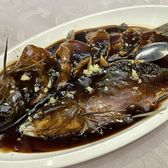
One honest warning about West Lake vinegar fish (西湖醋鱼): it is the city's most famous dish and also its most divisive. Made with grass carp, it carries a subtle fishy aftertaste under an intense sweet-sour sauce that many international visitors find overwhelming. Order a small portion to try it, but don't make it your main dish.
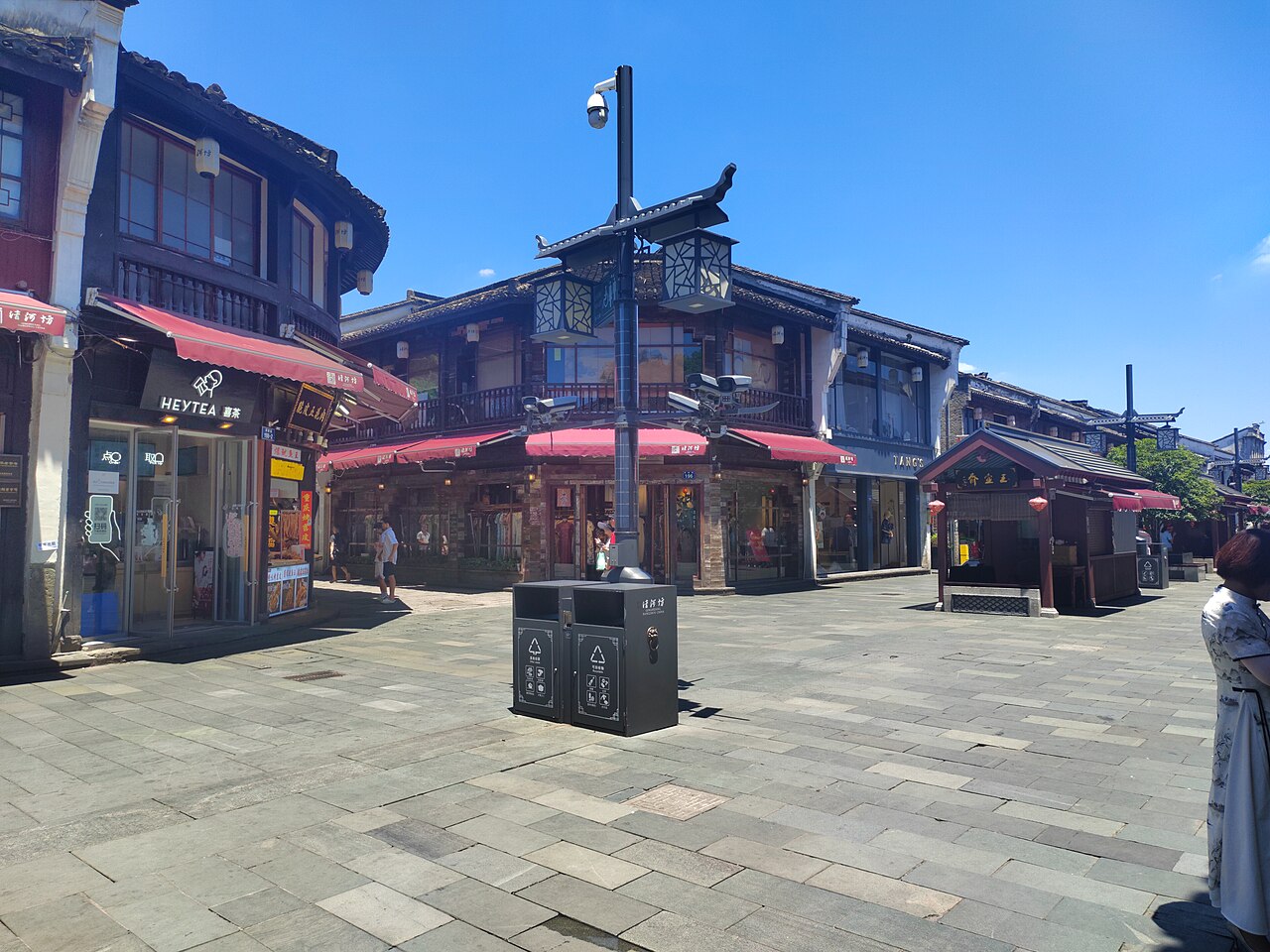
Where to eat: Lou Wai Lou and Zhi Wei Guan are the historic institutions, Green Tea Restaurant the reliable modern option, and Kuiyuan Guan the local classic for budget noodles. For evening snacks, Hefang Street delivers street food at ¥10–40 an item.
What are the must-see attractions in Hangzhou?
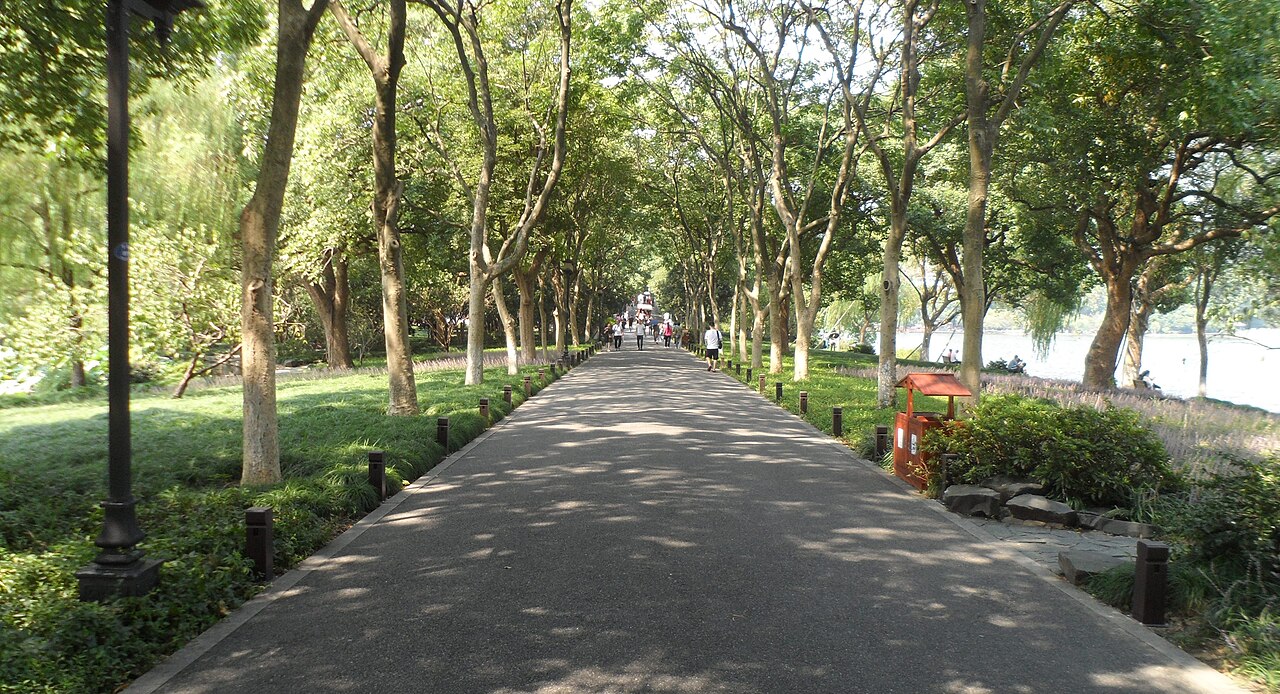
West Lake (西湖) anchors any trip, and the lake itself is free and open 24 hours around its entire perimeter — walking the full shoreline at a relaxed pace takes about three hours. The iconic sights are Broken Bridge, Bai Causeway, Su Causeway and Three Pools Mirroring the Moon, the island that appears on China's one-yuan banknote.
| Attraction |
Price |
Notes |
| Three Pools Mirroring the Moon (boat tour) |
¥55 regular / ¥70 painted boat |
Includes island admission |
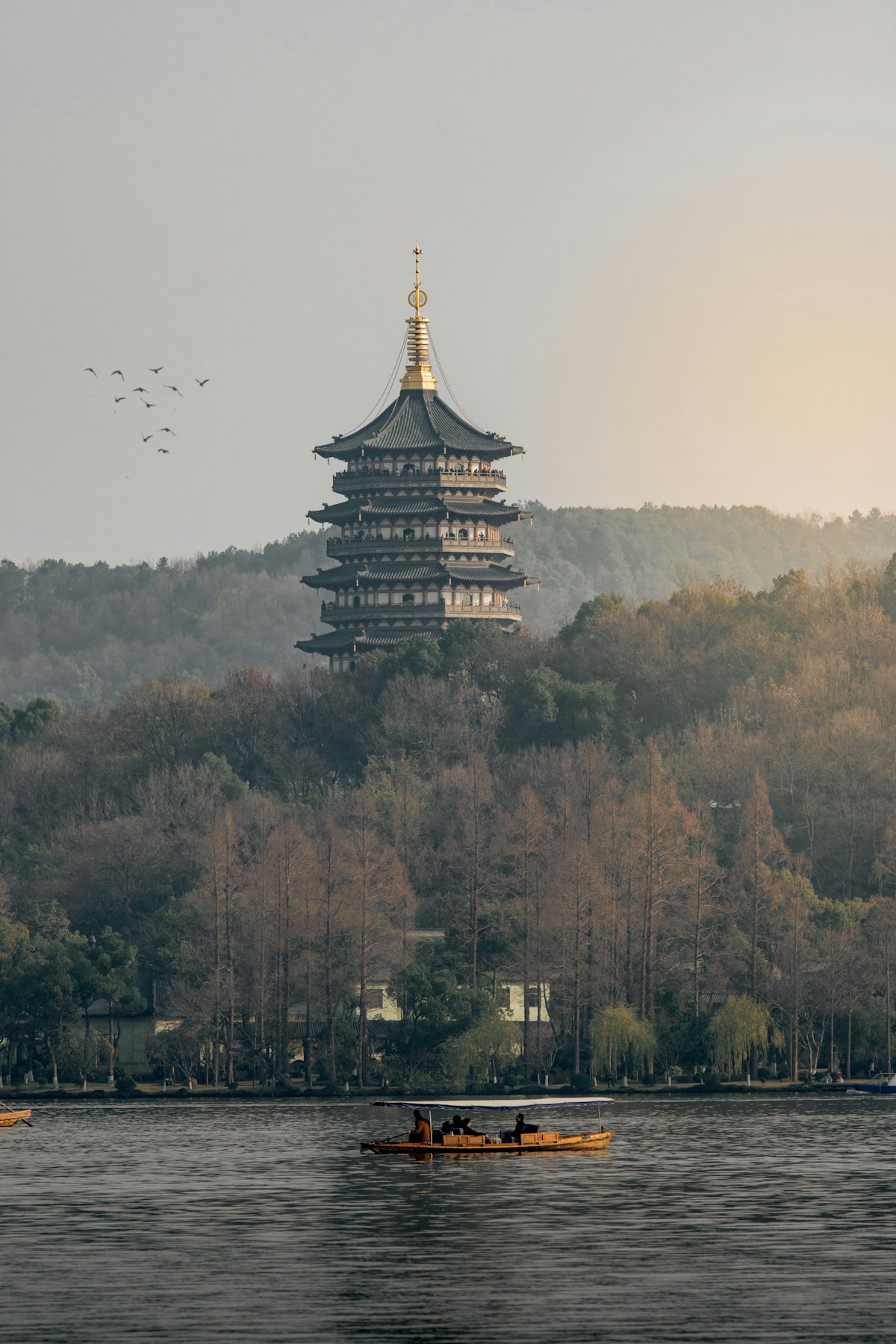
| Leifeng Pagoda |
¥40 |
Best sunset views over the lake |
| Yue Fei Temple |
¥25 |
Honours the Song dynasty general |
| Jingci Temple |
¥10 |
Quieter alternative for photos of Leifeng Pagoda |
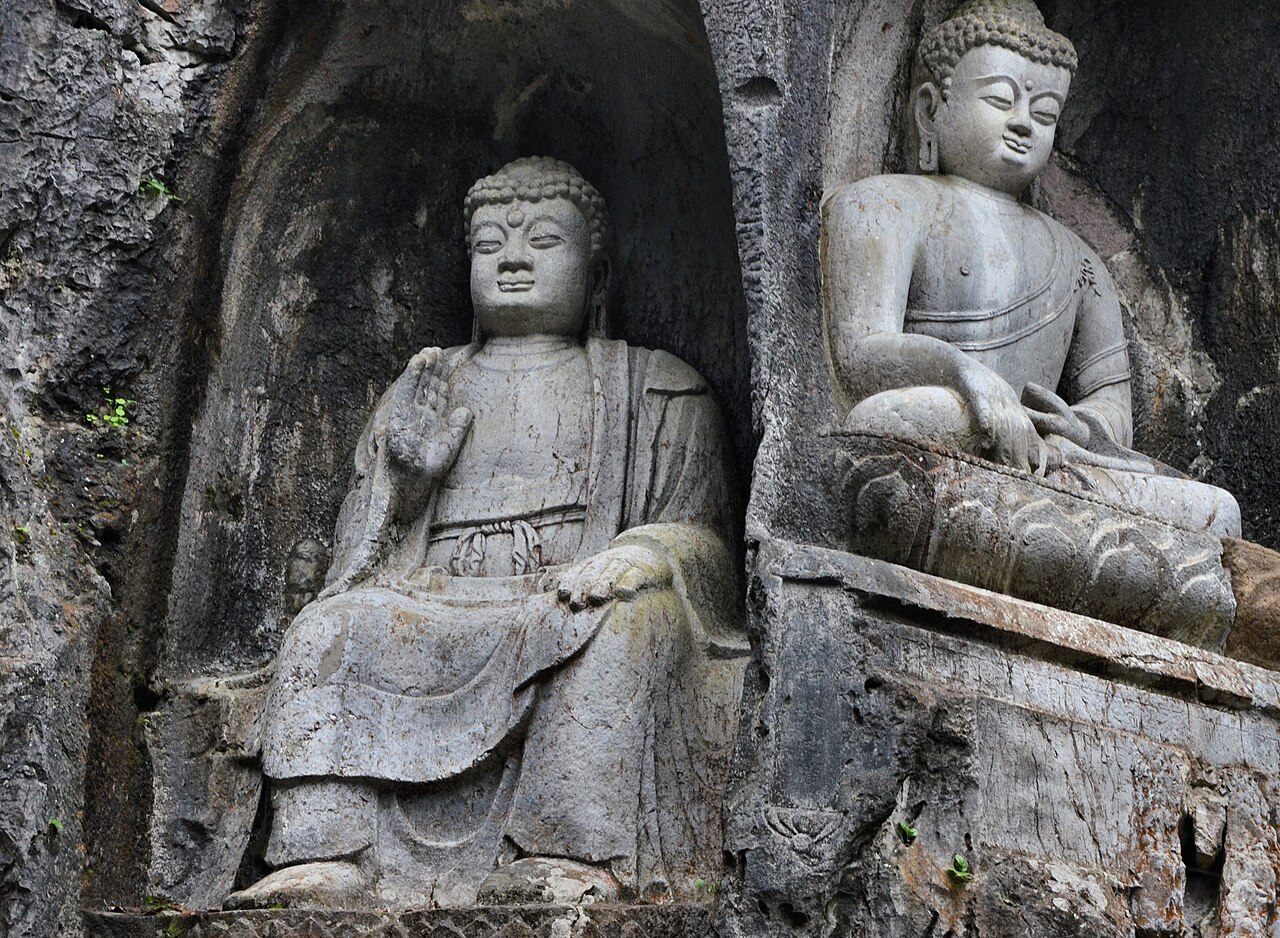
Lingyin Temple (灵隐寺) and the Feilai Peak beside it are the other essential stop — one of the wealthiest and most significant Buddhist sites in China, with hundreds of Buddhist statues carved directly into the cliff face behind the main hall. Admission is free as of 2026, but a real-name reservation is compulsory, the official system runs entirely in Chinese, and the daily quota goes quickly. Without a Chinese phone number, foreign visitors can book through platforms such as GetYourGuide, which offer passport-based entry lanes that bypass the standard queue.
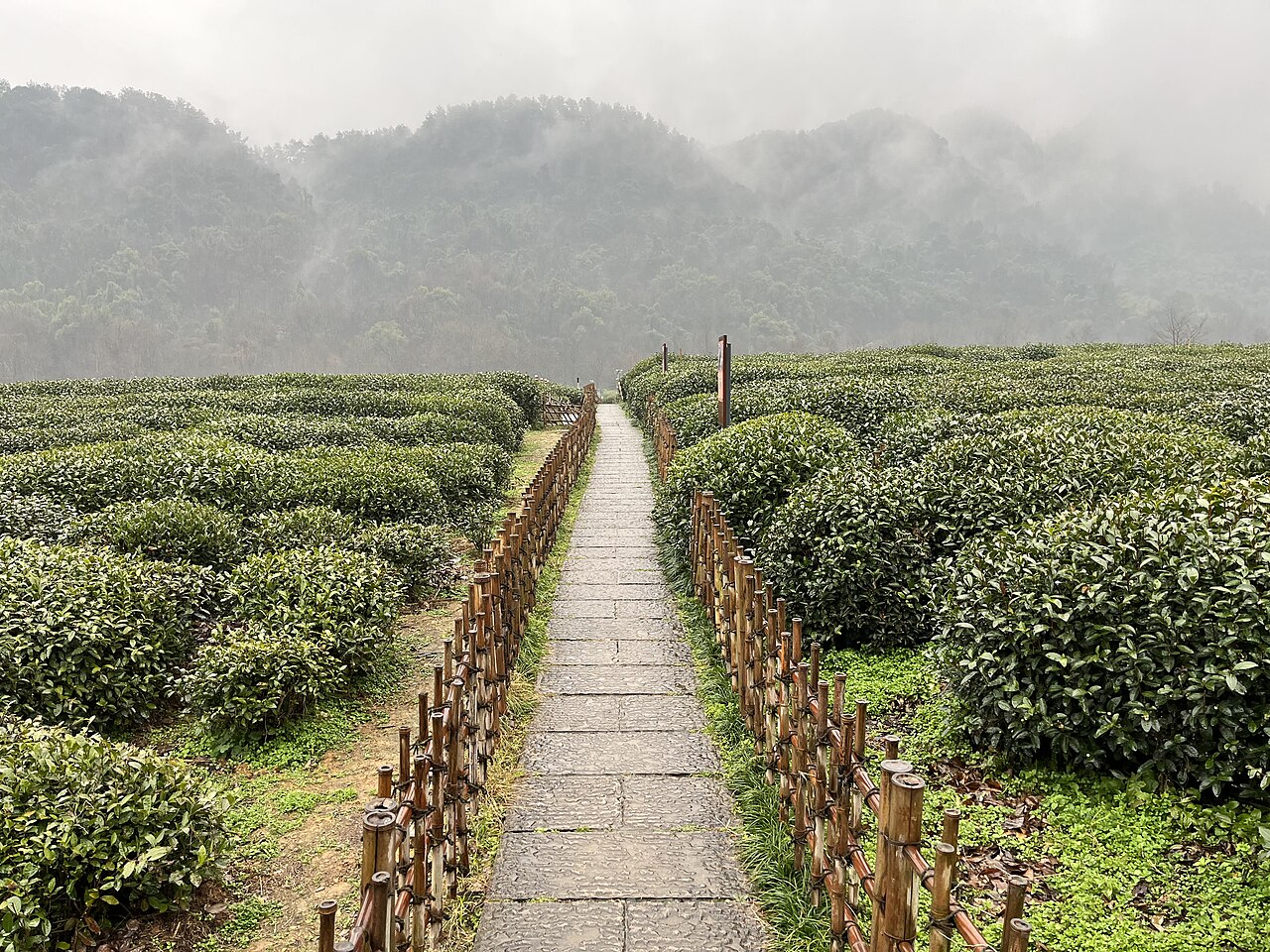
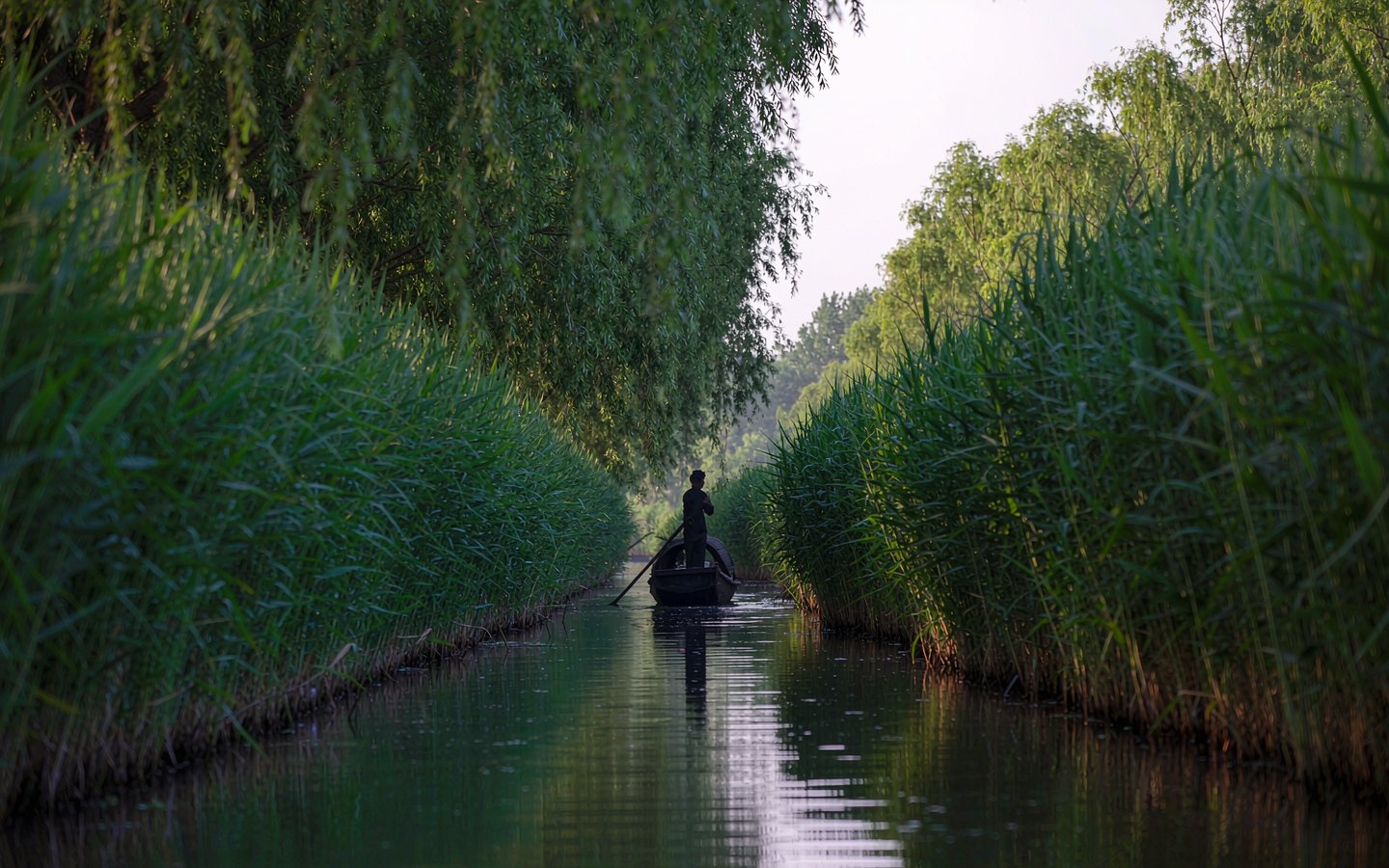
For a slower day: Meijiawu tea village runs picking, roasting and tasting sessions led by English-speaking hosts, generally 09:00–17:00 daily. Xixi Wetland is the quieter alternative to West Lake, especially during the spring flower festival.
When is the best time to visit Hangzhou?
Hangzhou has four sharply defined seasons, and the city's character changes dramatically with each one.
| Season |
Months |
Temperature |
Verdict |
| Spring |
Late March–May |
12–26°C |
Classic Hangzhou: cherry blossom, green willow, a misty lake. |
| Autumn |
Late Sept–Mid Nov |
12–26°C |
Most comfortable: clear, dry, osmanthus in the air. |
| Summer |
June–August |
26–33°C+ |
Hot, humid, heavy rain. Possible, but exhausting. |
| Winter |
December–February |
1–10°C |
Damp cold. Quiet and cheap, but the lake loses its colour. |
For first-time visitors, April or October are the zero-mistake choices — they balance beauty, comfort and the full Hangzhou experience.
November is the most underrated month. Crowds drop dramatically after 7 October, the end of China's Golden Week, temperatures stay pleasant at 18–23°C, and the autumn light over West Lake is arguably the best of the year.
One warning about summer: the humidity makes 30°C feel significantly hotter than the thermometer suggests. In July or August, plan outdoor activity for early morning and late evening.
What festivals and events should I know about?
Hangzhou's festival calendar is tied to the traditional lunar calendar and to the rhythms of tea and flowers.
Spring. The Xixi Flower Festival (西溪花朝节) runs from late March to 10 May at Xixi National Wetland Park; the 2026 edition showed 105 flower varieties and nearly 80,000 potted plants along themed garden paths, with a traditional 'flower god' ceremony re-enacted in Song dynasty style. The Lixia Festival (立夏节), celebrated at the traditional start of summer around 5–6 May, is a UNESCO-recognised intangible cultural heritage event — the 2026 edition in Banshan staged a 17-float parade with 300 performers in traditional costume, from drum teams to silk-flower maidens and a '24 solar terms' inheritance float.
Summer. The Dragon Boat Festival (端午节) falls in June on the lunar calendar, and the Xixi Dragon Boat Cultural Festival blends competitive racing with water performances and cultural activities rooted in a millennium of dragon boat lore.
Autumn. Mid-Autumn Festival (中秋节) is the second most important traditional holiday after Chinese New Year, and the classic Hangzhou experience is watching the full moon rise over West Lake or the Qiantang River.
Winter. The Lantern Festival (元宵节) falls in February or March — the 2026 celebration lit the city with tens of thousands of lanterns, dragon lantern dances, riddle games, iron-flower shows and tangyuan tastings. Song Fu Hangzhou New Year (宋福杭州年) is a city-wide Lunar New Year programme running from early January to early March, with themed routes, temple fairs and traditional performances.
How do I get from Hangzhou to Shanghai — and is it worth a day trip?
Yes, and it is one of the easiest connections in China.
High-speed trains run between Hangzhou East Railway Station and Shanghai Hongqiao throughout the day, from early morning until late evening, and the fastest services take as little as 45 minutes. A standard second-class seat costs ¥87, first class is ¥140, and business class is ¥306.
What this means for your itinerary: leave Hangzhou at 8 AM, spend a full day in Shanghai on the Bund, at Yu Garden and in the French Concession, and be back in Hangzhou by 10 PM. No flight, no airport transfer, no baggage check-in — the stations sit in the middle of both cities and the metro connections are direct.
Booking tip: book through Trip.com or Klook if you don't have a Chinese ID. Tickets open for sale roughly 15 days in advance, and for weekends and holidays book early — the most convenient morning departures sell out first.
Beyond Shanghai, Hangzhou East Railway Station is one of China's busiest rail hubs, with direct connections to:
| Destination |
Travel time (HSR) |
Approximate fare (2nd class) |
| Suzhou |
~1.5 hours |
¥100–140 |
| Nanjing |
~1.5–2 hours |
¥120–180 |
| Shanghai |
~1 hour |
¥87 |
| Beijing |
4.5–5 hours |
¥500+ |
For a Jiangnan loop, the classic itinerary is Hangzhou → Suzhou → Shanghai, all connected by high-speed rail in under two hours a leg.
What is the West Lake Music Fountain and when can I see it?
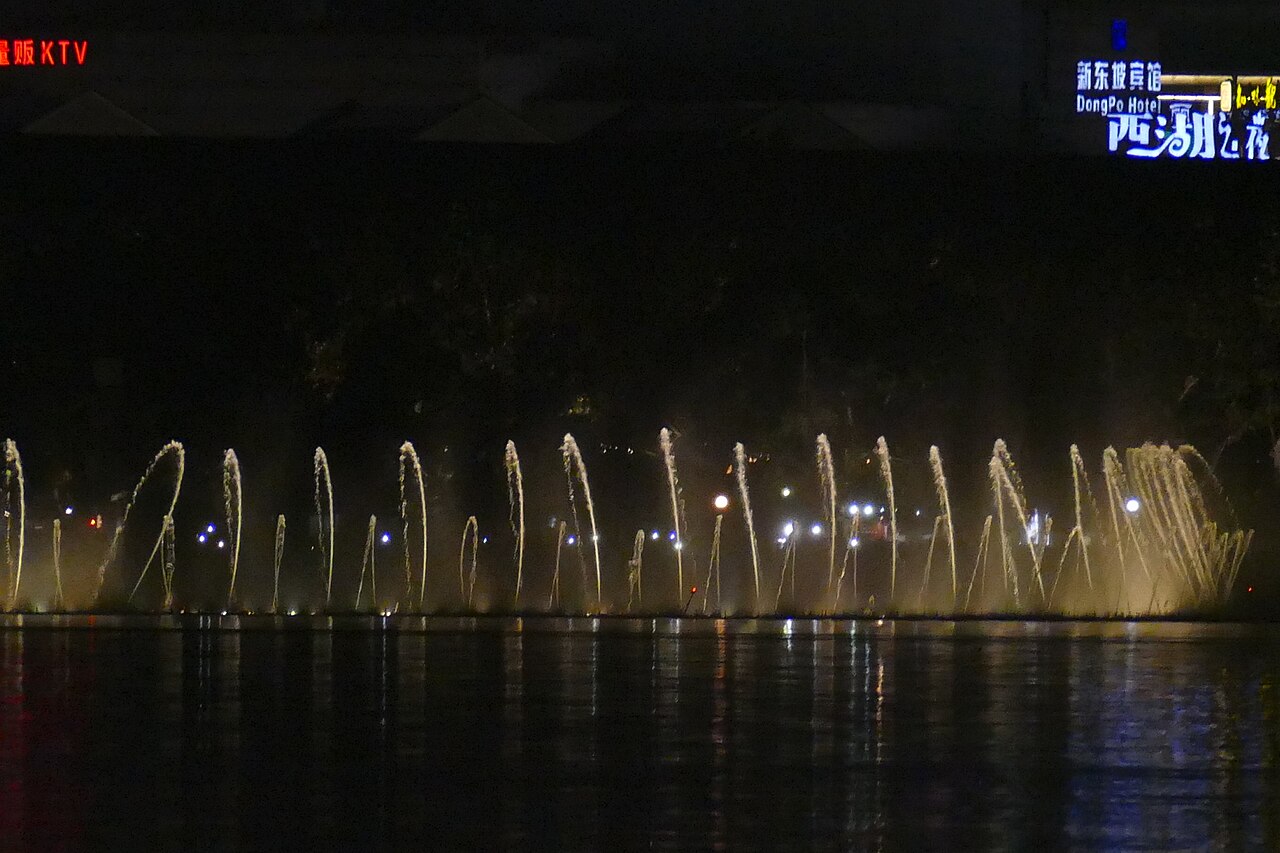
The West Lake Music Fountain performs every night at 19:30, running for approximately 15 minutes. During holidays additional shows may be added, so check for on-site announcements.
The fountain sits on the Hubin lakeside, easily walkable from Longxiangqiao metro station. Arrive 20–30 minutes early for a good viewing spot, especially at weekends.
Other evening options: the Qianjiang New City Music Fountain runs on a slightly different schedule — Friday and Saturday at 19:15 and 20:15, Sunday through Thursday at 20:15 only. The Wulin Square Music Fountain performs at 18:30, 19:30 and 20:30 each evening.
From 15 April to 30 September 2026, Hangzhou operates on its spring-summer lighting schedule, with the Qiantang River light show and citywide landscape lighting running to adjusted timings.
What should I know about Lingyin Temple reservations?
Book in advance — this is the single most important booking decision for your Hangzhou trip. Lingyin Temple and Feilai Peak operate on a mandatory real-name reservation system. Foreign visitors can reserve with a passport, but the official system, the "杭州灵隐飞来峰" mini-program inside Alipay or WeChat, is entirely in Chinese and requires strict real-name registration.
Official method: search for the Lingyin Feilai Peak mini-program inside Alipay or WeChat. Reservations open 7 days in advance at 08:00, with morning sessions (07:30–12:00) and afternoon sessions (12:00–17:00).
Easier alternative: third-party platforms such as GetYourGuide and Trip.com offer Lingyin Temple reservations designed specifically for international visitors, with guaranteed slots and passport-based entry lanes that bypass the standard queue.
What makes it worth the effort: Lingyin is not just a temple but a living religious site — you can watch monks chant, see locals making offerings, and walk through centuries-old cliff carvings. The Feilai Peak section behind the main hall is accessible even if you don't enter the temple itself.
Is Hangzhou expensive — and how much should I budget per day?
Hangzhou is moderately priced — cheaper than Shanghai, comparable to Chengdu, and far more affordable than Beijing for accommodation.
Daily budget estimate per person:
| Category |
Budget |
Mid-range |
Comfortable |
| Accommodation |
¥200–350 |
¥400–700 |
¥800+ |
| Meals |
¥80–120 |
¥150–250 |
¥300+ |
| Transport (metro + DiDi) |
¥30–50 |
¥60–100 |
¥100–150 |
| Attractions |
¥50–100 |
¥100–200 |
¥200+ |
| Daily total |
¥360–620 |
¥710–1,250 |
¥1,400+ |
Real-world examples:
A bowl of pian'er chuan noodles: ¥18–45
A full Dongpo pork meal at a mid-range restaurant: ¥48–98 a portion
A metro ride across the city: ¥2–10
A DiDi from West Lake to Hangzhou East Station: ¥40–60
A West Lake boat tour to Three Pools Mirroring the Moon: ¥55–70
Longjing tea at a lakeside teahouse: ¥30–80 a cup
Money-saving tips: West Lake's shoreline is completely free — pack a picnic and eat by the water. Use the metro instead of DiDi for longer trips. The Zhejiang Travel (嗨游浙江) coupon programme inside Alipay offers up to ¥450 in discounts for foreign visitors, applicable to transport, attractions, dining and accommodation.
How do I get around Hangzhou without speaking Chinese?
Alipay is your everything app. Hangzhou is Alipay's home city and the integration is deeper here than almost anywhere else in China. Link your international card before arrival and you can use Alipay for: metro and buses, scanning the transport code at the gates; DiDi, through the mini-program; shared bikes, unlocked with a QR scan; restaurants, where 99% of Hangzhou orders and pays by QR code, from lakeside dining rooms to tiny lane eateries; and attractions, where many ticket reservations and payments go through it too.
If you don't set up Alipay, you will struggle: physical menus are rare, card machines rarer, and cash is accepted but inconvenient. Download Alipay and WeChat Pay before you arrive — they work with international phone numbers and convert foreign currency at real-time rates.
Metro essentials: Hangzhou Metro has 12 lines with bilingual signage. Line 1 is the tourist backbone, connecting Hangzhou East Railway Station to the West Lake area at Longxiangqiao and continuing toward the tea villages; Line 19 serves the airport. Once you're in the scenic areas around West Lake, walking and cycling are often faster and more enjoyable than the metro.
Language help: download Google Translate with the offline Chinese pack, or use Baidu Translate, which is often more accurate for Chinese. Save your hotel address in Chinese characters — even with DiDi there are moments when showing a Chinese address resolves confusion instantly.
What are the most important practical tips for first-time visitors to Hangzhou?
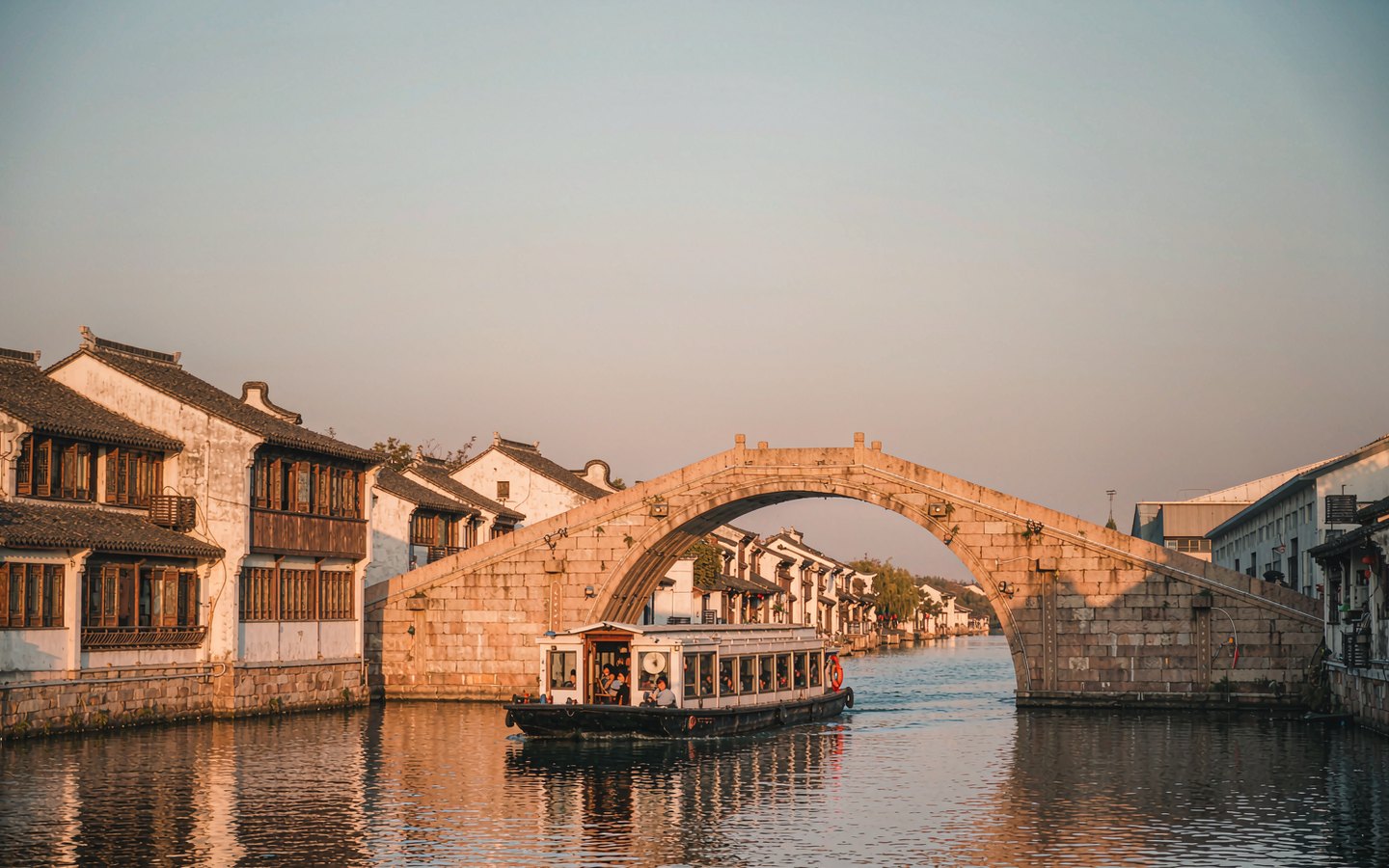
Pace yourself. Hangzhou rewards slow movement more than almost any Chinese city — the lakeside paths, tea hills and hidden alleys are the experience itself, not just transit routes. Don't try to 'do' West Lake in an afternoon. Give yourself at least two full days: one for the lake and Lingyin Temple, one for the tea villages, the Grand Canal and a proper sit-down Hangzhou meal. Three days is better.
Book Lingyin in advance. This is the one thing that can genuinely derail your trip if you leave it too late; use GetYourGuide or Trip.com if you don't have a Chinese phone number.
Avoid West Lake at weekends and on public holidays. Traffic around the lake becomes extremely slow and locals avoid driving there altogether — take the metro to the lake area, then walk or cycle.
Install a VPN before you leave your home country. Google, Instagram, WhatsApp and Facebook are blocked in mainland China without one. Test it before you fly — some VPNs work better than others on Chinese networks.
Try the tea. Longjing tea is not a tourist gimmick — it is the real thing, and Hangzhou is the only place in the world where the authentic version is grown. Visit Meijiawu or Longjing village, sit in a courtyard and let a farmer brew you a cup. It is one of the most genuinely memorable experiences the city offers.
Eat at local hours. Hangzhou locals eat dinner early, usually between 17:30 and 19:00, and popular restaurants fill up fast. To eat at a famous spot without a queue, go before 17:30 or after 20:00.
Daily budget: ¥400–800 per person covers mid-range accommodation, meals, transport and attractions — and you can do Hangzhou comfortably on less if you prioritise street food and the free lakeside attractions.