Hong Kong ● CITY TOUR BOARD

Hong Kong 香港

A vertical city where the harbour, the Peak and a thousand dai pai dong sit minutes apart. Its own border, currency and open internet make it the softest landing into — or out of — China.

Introduction

Hong Kong is smaller than its skyline suggests: almost everything on this page sits within forty minutes of everything else, on a metro signed and announced in English. It is part of China but runs as a separate jurisdiction, with its own passport queue, its own currency and no Great Firewall — Google, WhatsApp and Instagram all work. What catches people out is the weather, and the fact that the two best things here, a harbour crossing and the view down from the ridge, cost almost nothing while the famous versions of both cost a lot.

Travel highlights

Hong Kong is a separate border

Its own immigration, its own dollar, its own rules: 90 days visa-free for most Western passports, 180 for British citizens. Arriving here does not admit you to the mainland, and a Chinese visa does not admit you here.

The free viewpoint is free

Peak Galleria has a free open-air deck on level three, looking out over the same harbour as the paid Sky Terrace in the Peak Tower across the road. Go up there first and decide whether the ticket is worth it. The level loop round Lugard Road costs nothing either — pay for the tram for the ride, not the view.

Signal 8 shuts the city

Typhoons run May to November and peak from July to September. At warning signal 8, offices and schools close, buses and ferries stop and flights are cancelled. The Observatory posts it hours ahead of the wind.

Octopus is the card to get

Hong Kong runs on the Octopus card — metro, buses, trams, ferries, convenience stores. Alipay and WeChat Pay QR codes are taken at MTR gates and in plenty of shops, so the mainland habit is not useless here, but Octopus covers more. On an iPhone you can set one up before you fly with the Octopus for Tourists app; on Android the digital version needs a Hong Kong bank card, so buy the plastic one at an MTR customer service counter.

Travel alerts

Top attractions

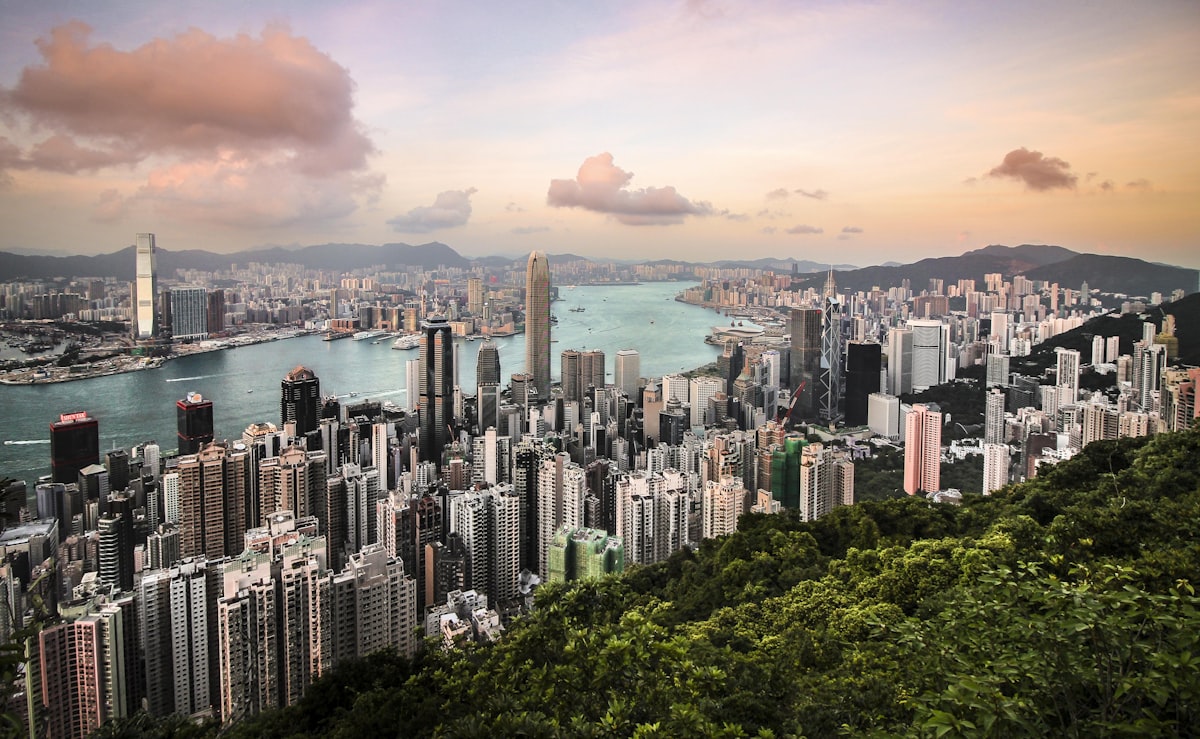
Victoria Harbour and Hong Kong's skyline seen from Victoria Peak at sunset

Victoria Peak

The ridge above Central, and the queue at the Garden Road tram station is the real cost of it — bus 15 from Exchange Square or minibus 1 from Two ifc climb the same hill for a fraction of the tram fare. The summit itself is a telecoms station and closed; what you want is the level loop round Lugard Road, about an hour and free.

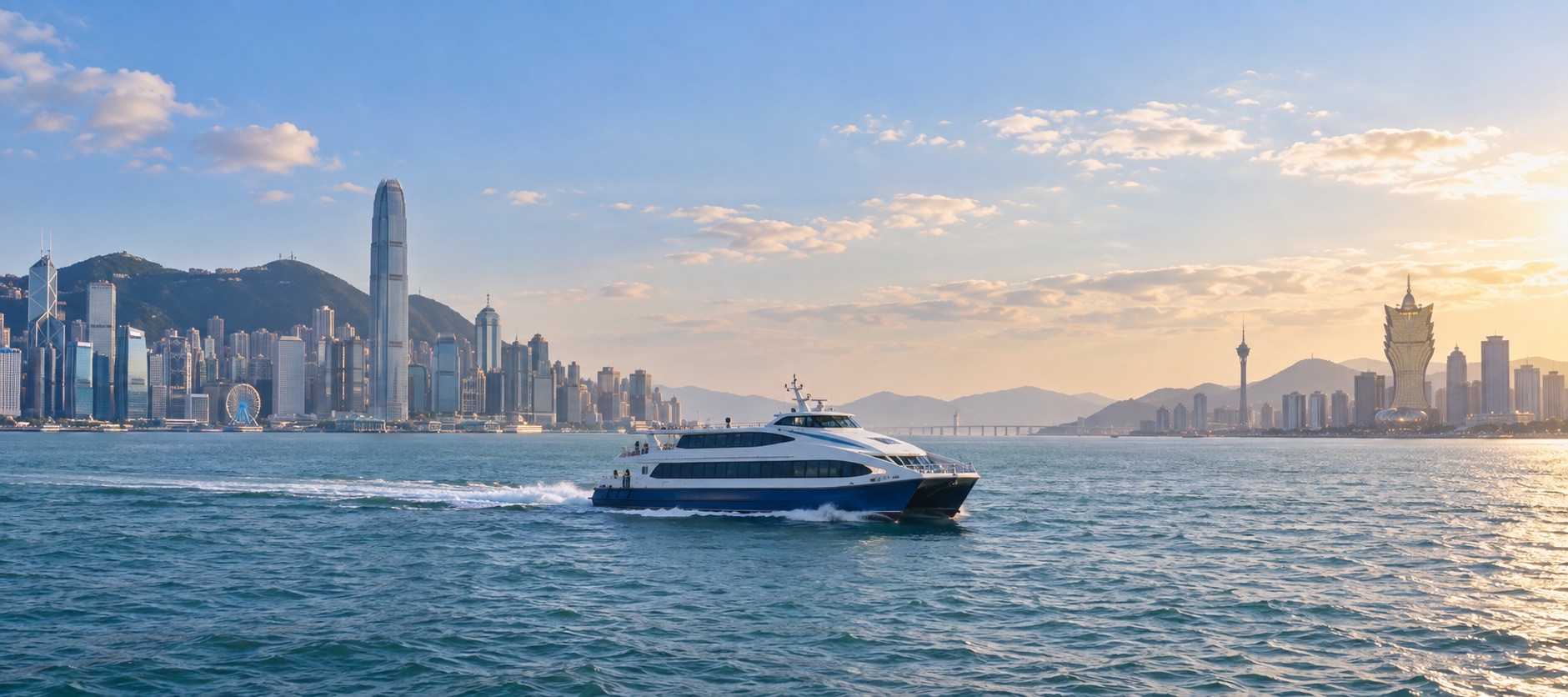
A Star Ferry crosses Victoria Harbour toward Central and the IFC tower in Hong Kong

Central & SoHo

Below the Peak, the Mid-Levels escalator runs 800 metres up through SoHo — free, and it points downhill until ten in the morning, uphill until midnight after that. Step off it for Hollywood Road, Man Mo Temple with its hanging incense coils, and Tai Kwun, the old Central Police Station and prison, open since 2018.

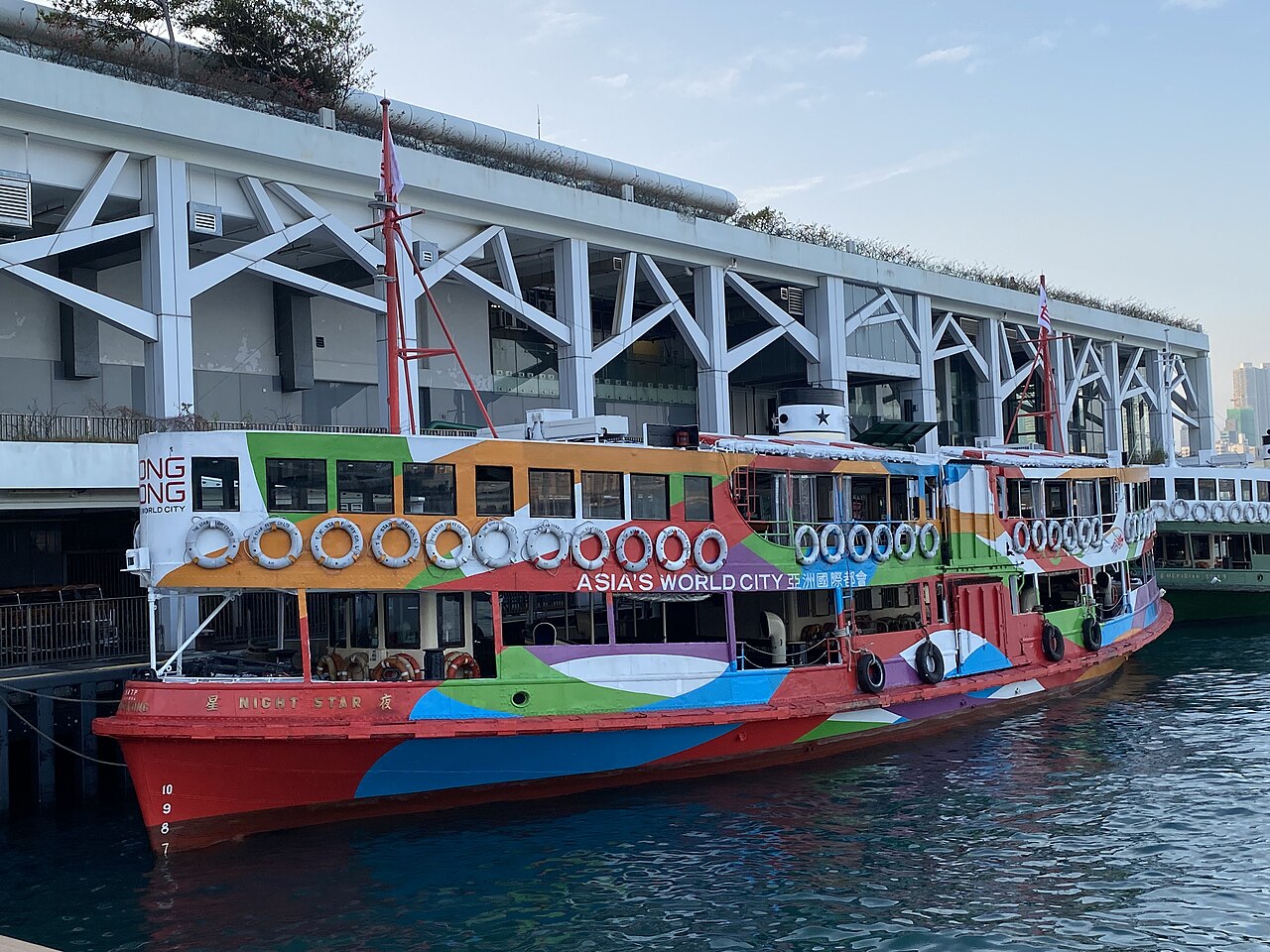
A green and white Star Ferry at its pier in Hong Kong

Star Ferry

Central Pier 7 to Tsim Sha Tsui, under ten minutes, HK$4 to HK$6.50 depending on the deck and whether it is a weekend. The company has been crossing this water since the 1880s and the fare is still less than a coffee. Take it northbound at dusk, upper deck, with the island lighting up behind you.

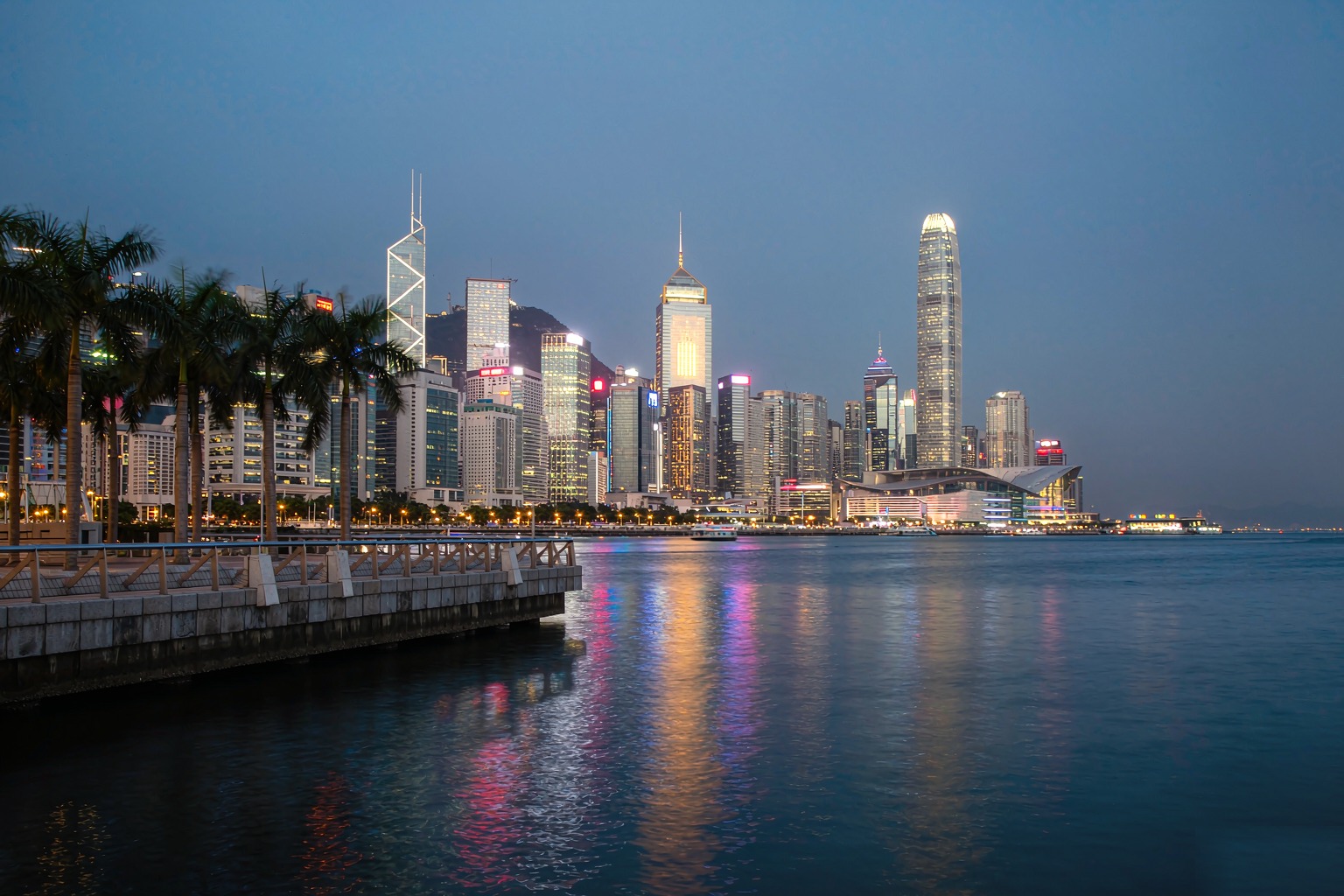
Victoria Harbour and the Hong Kong Island skyline seen from the Tsim Sha Tsui promenade

TST Promenade

The Kowloon waterfront, and the right side of the harbour to stand on, because the skyline everyone photographs is the one across the water on the island. The Avenue of Stars runs 440 metres along it, free, with Bruce Lee in bronze. Come at dusk and stay: the towers light up as the sky goes, and the rail costs nothing.

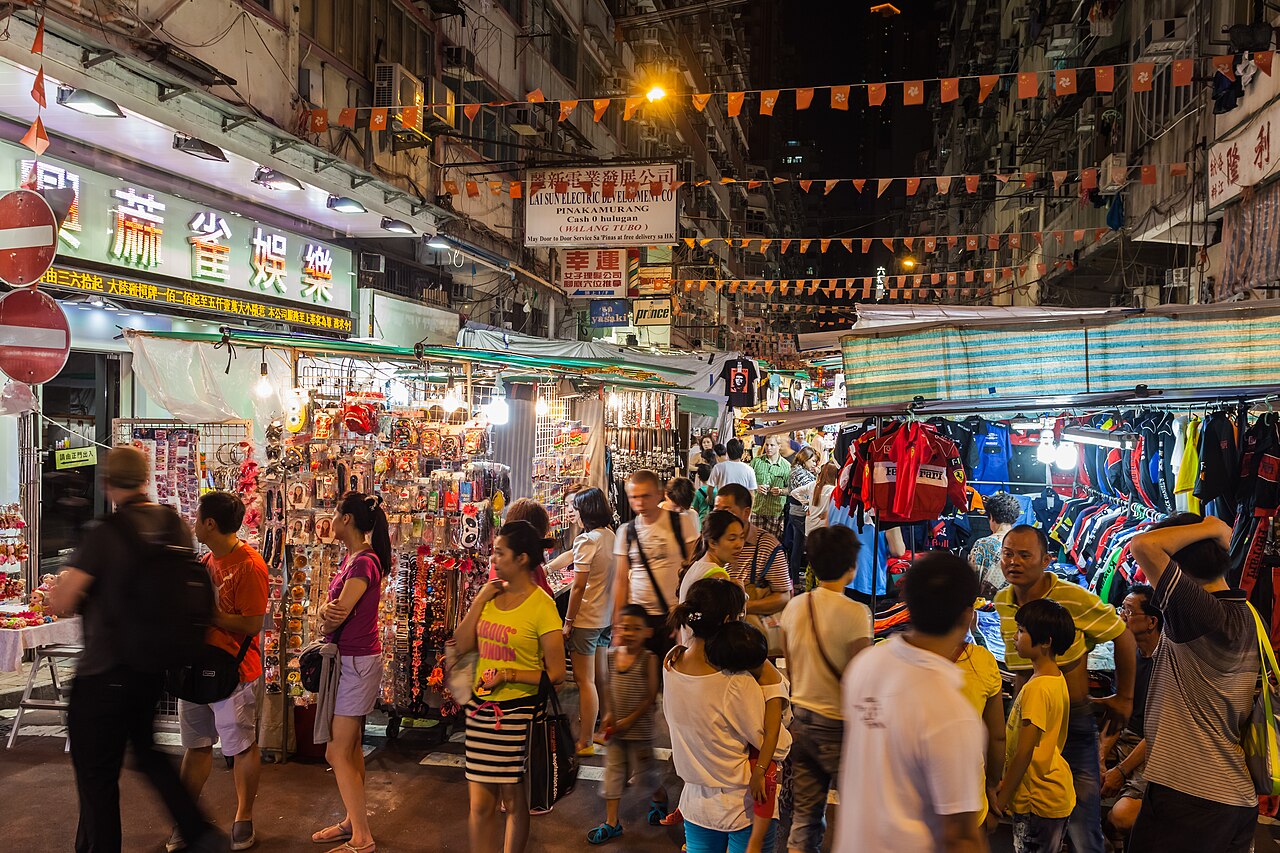
Stalls under awnings at the Temple Street night market, Hong Kong

Temple St market

Opens around six in the evening, a stop or two up the line from Tsim Sha Tsui, and it is smaller than its reputation — far fewer stalls than it had twenty years ago, and a lot of forgettable merchandise. Come for the food stalls, the fortune tellers and the opera singers at the Yau Ma Tei end.

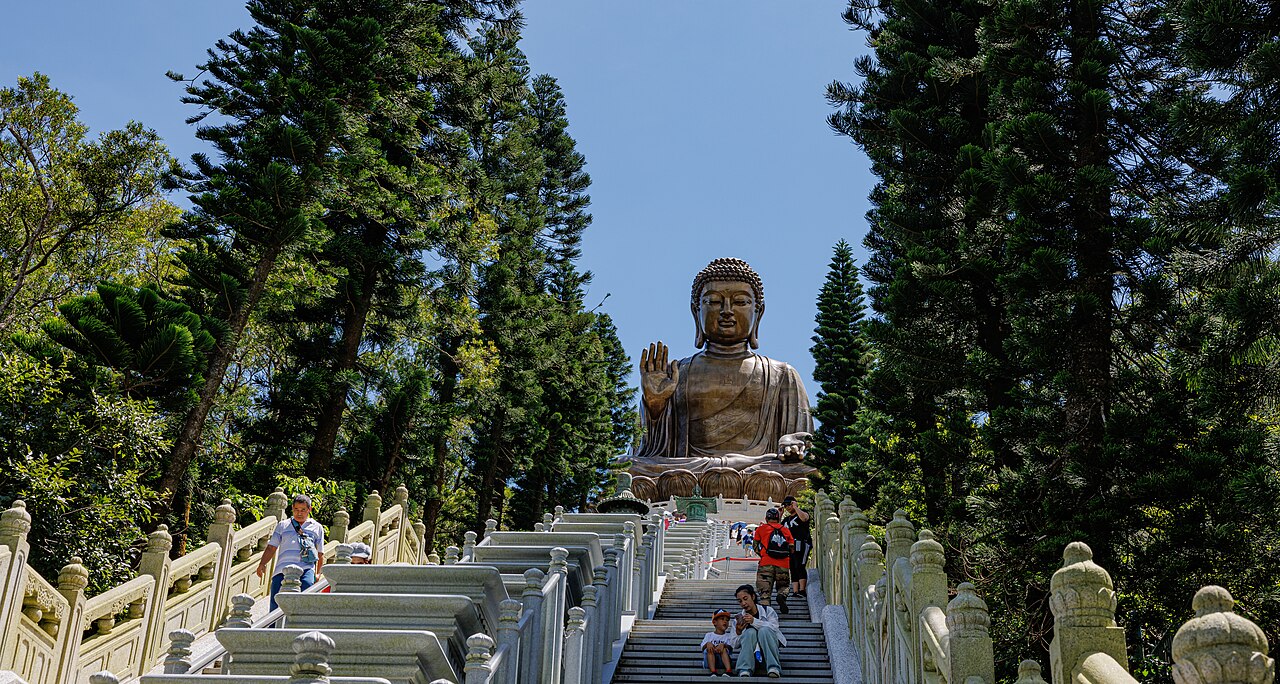
The Tian Tan Buddha seated at the top of its stairway on Lantau Island

Big Buddha · Lantau

A half-day out at the west end of Lantau. The Tian Tan Buddha is 34 metres of bronze at the top of 268 steps, finished in 1993 and free to climb to, with Po Lin Monastery beside it. Take the MTR to Tung Chung, then the cable car — 25 minutes — or bus 23, an hour by road and still running when wind stops the cable car.

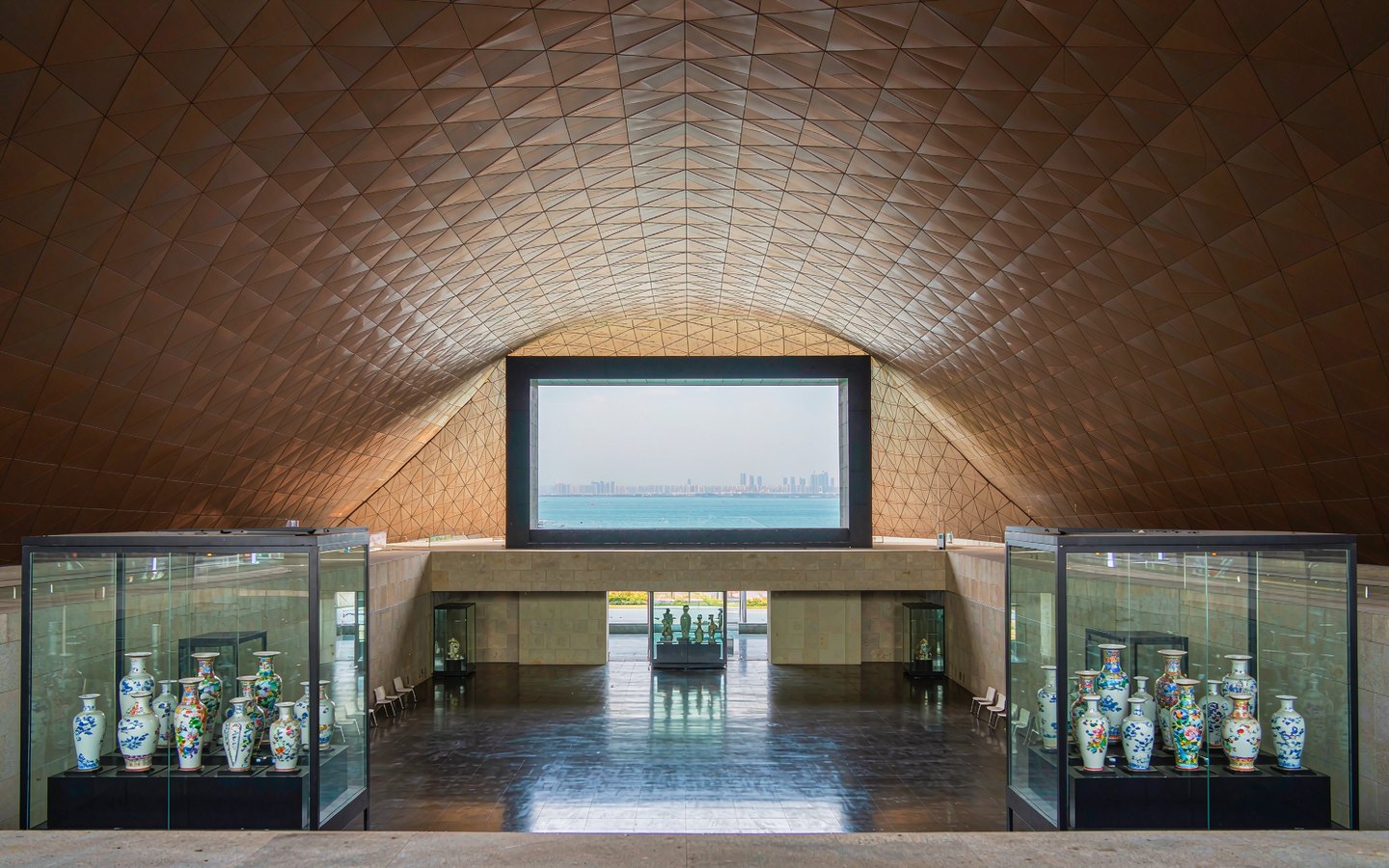
Modern bronze-toned museum atrium with imperial ceramics on display

Hong Kong Palace Museum

The Palace Museum's largest partner institution outside Beijing — real loans from the Forbidden City on rotation, no flight required; Gallery 3's Ming ceramics show runs July 2026 to January 2028. It fills the 'Chinese court art' gap on a Hong Kong trip. Two traps: closed Tuesdays (plus the first two days of Lunar New Year), and blockbuster exhibitions sell out — book online or via Cityline ahead. From West Kowloon station take the CX1 minibus from exit J1.

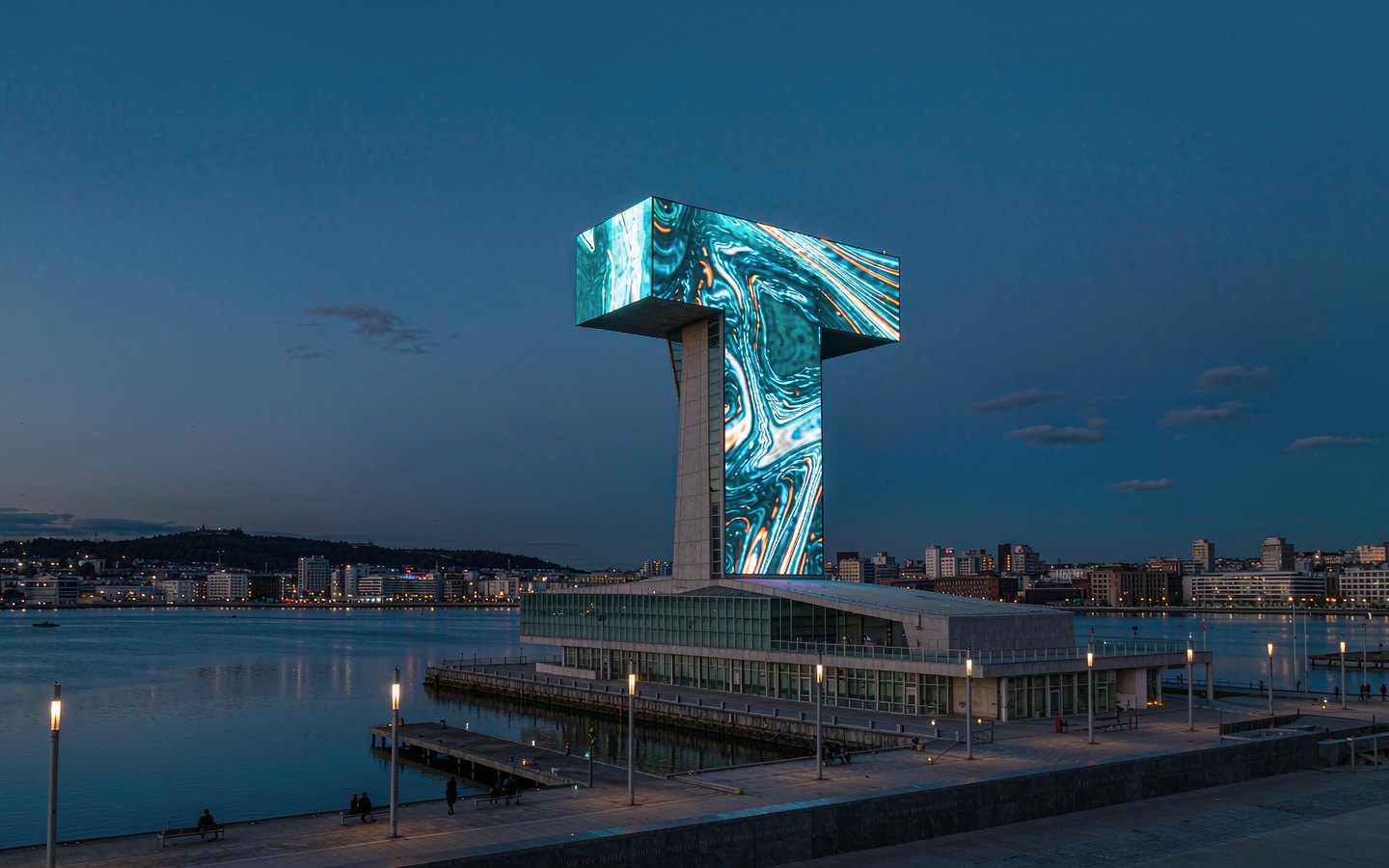
Inverted-T museum tower glowing beside the harbour at dusk

M+

Asia's first global museum of contemporary visual culture: 65,000 m² in an inverted-T Herzog & de Meuron building whose facade is a giant LED screen facing Victoria Harbour. The Sigg collection is one of the world's most complete runs of Chinese contemporary art, and the roof garden gives a 270-degree harbour view. Closed Mondays — Fridays open to 22:00 — and headline exhibitions need separate tickets, with hot shows drawing hour-long queues, so book ahead.

4 more spots worth seeing
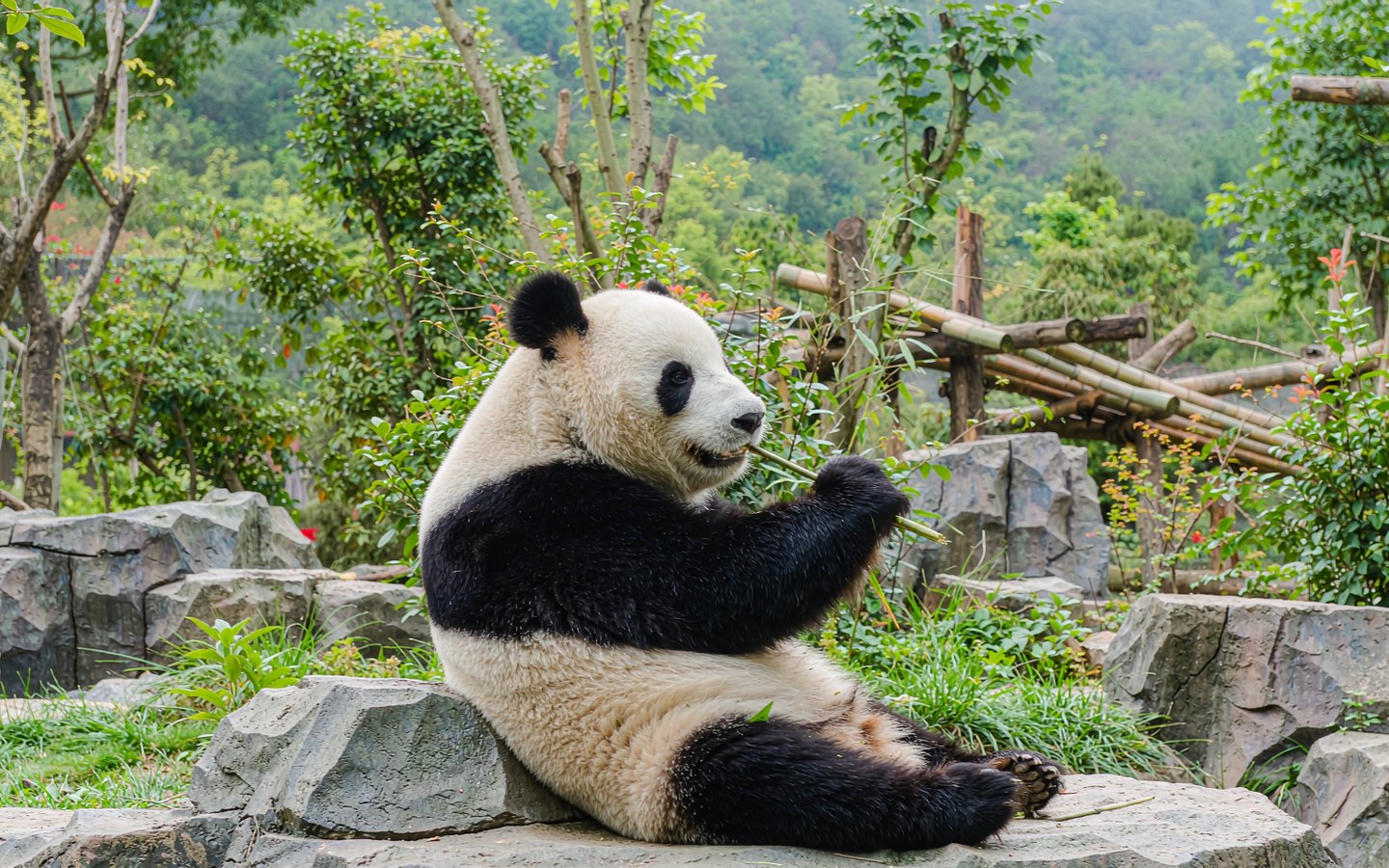
Giant panda cub chewing bamboo on a rock in a leafy enclosure

Ocean Park & its six giant pandas

The easiest place in China to tick off giant pandas: six in one park, including Jia Jia and De De, twins born here in August 2024 — Hong Kong's first locally born pandas, delivered by 19-year-old Ying Ying, the oldest first-time panda mother on record. Arrive at opening and do the panda halls first; it's a full-day park, so budget accordingly. Typhoon season runs May–November — a No. 8 signal closes the park — and the new panda halls won't open before 2027.

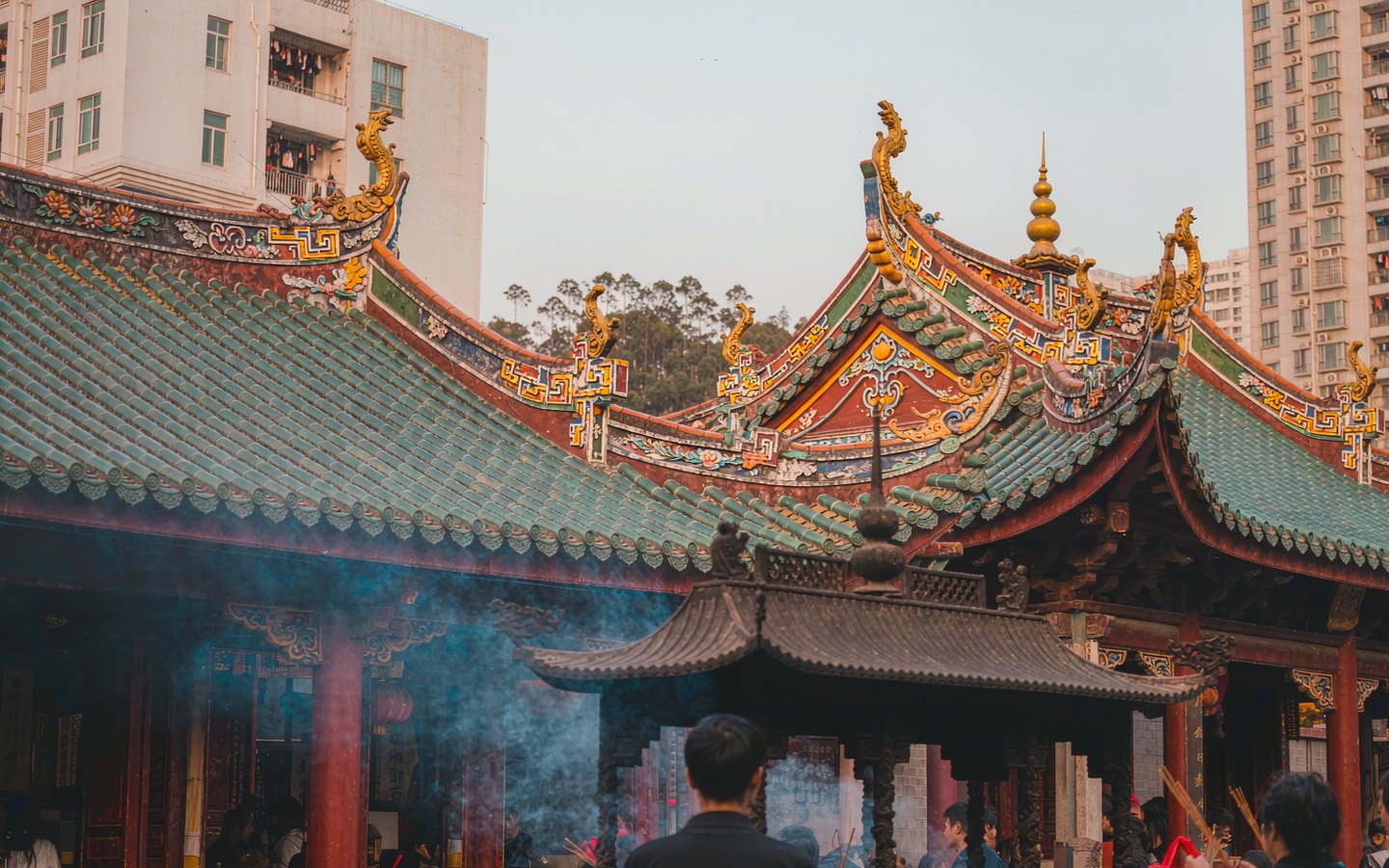
Worshippers with incense before a red-and-gold temple hall

Wong Tai Sin Temple

Hong Kong's most-visited temple — Taoist, Buddhist and Confucian in one 18,000 m² compound right at the MTR exit — and the cheapest way to watch living Chinese folk religion: shake a bamboo fortune-stick tube until one falls out, then take the number to the fortune-teller stalls outside. Free; allow 40–90 minutes. The stalls are private businesses charging HK$30–180, so settle the price before you sit, and the Tai Sui hall costs HK$100 extra.

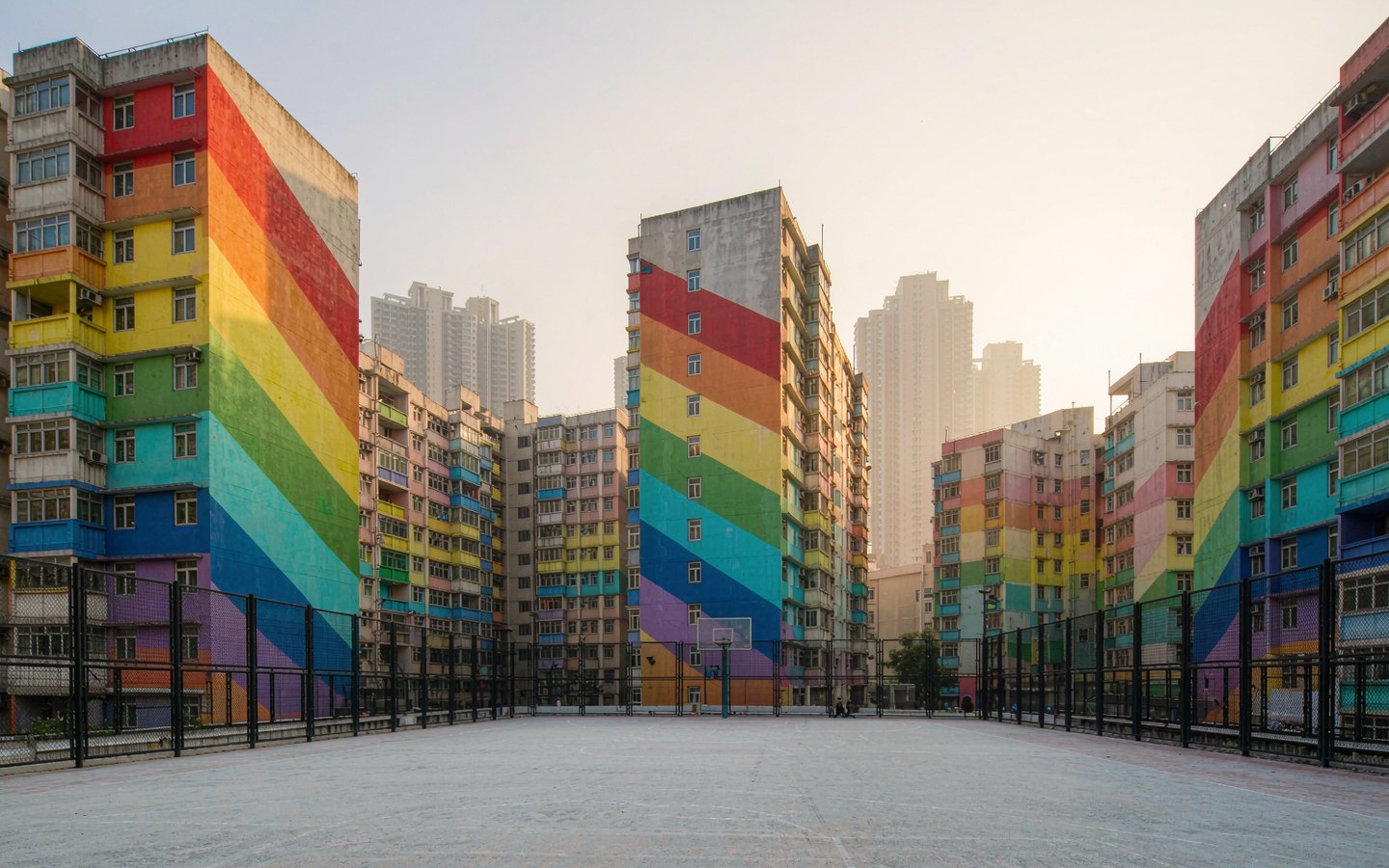
Basketball court on a rooftop framed by rainbow-coloured housing blocks

Choi Hung Estate rooftop basketball court

Hong Kong's most photographed frame of the decade: a 1960s public housing estate whose rainbow facades enclose a basketball court on a carpark roof — free, minutes from Choi Hung MTR. It's on a countdown: the Housing Authority announced in December 2024 that the estate will be rebuilt in three phases, phase-one blocks clearing by April 2029 — the only official date. It's a lived-in estate, not an attraction: keep quiet, stay out of residential floors, and come early or on weekdays.

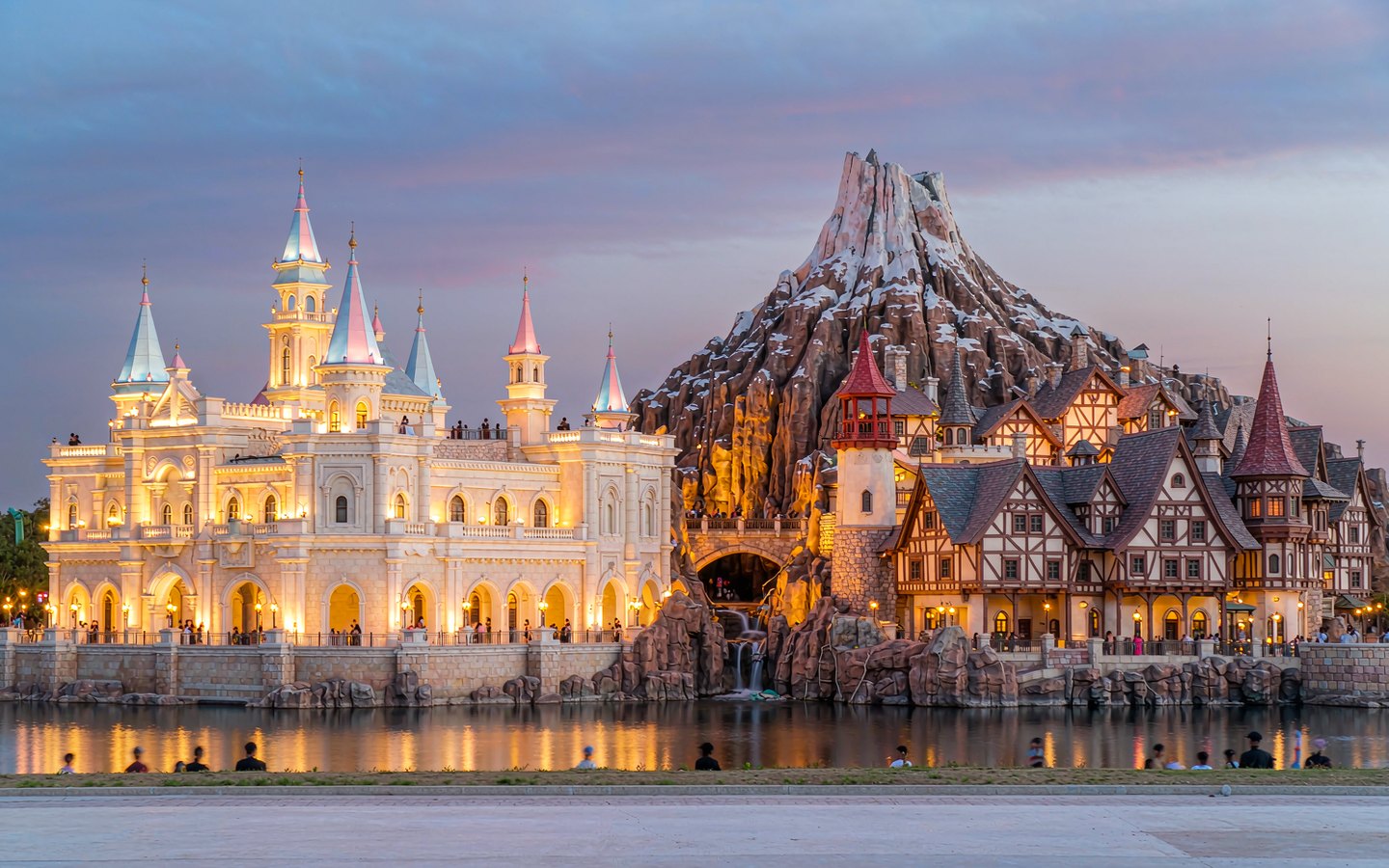
Fairy-tale castle and a snow-capped mountain land at dusk

Hong Kong Disneyland

The world's smallest Disneyland — walkable in a day — with the first and largest Frozen land anywhere (World of Frozen, opened November 2023) plus the first Marvel-themed ride. It was Hong Kong's most-visited paid attraction in fiscal 2025 with 7.5 million guests; note the 20th-anniversary celebrations ended in June 2026. Tiered tickets run roughly HK$669–939, and you usually still reserve your visit date after buying. Peaks hit at Lunar New Year, May Day, National Day and summer.

Local cuisine

Where to stay

Check the floor area in square metres before you book, not just the photographs — a Hong Kong double can be under fifteen, and you are paying for the location rather than the space. The cheapest rooms in Tsim Sha Tsui are guesthouses inside Chungking Mansions, a 1961 tower on Nathan Road holding more than a hundred of them: central, genuinely cheap, and nothing like the listing pictures suggest.

Getting around

Getting here

  • Airport Express

    HK$120 to Hong Kong Station on Octopus, 24 minutes, a train every ten to twelve minutes from just before six in the morning until just after midnight. Kowloon is a stop earlier and cheaper.

  • The cheap way in

    Airport buses run to Kowloon and Hong Kong Island for a fraction of the Airport Express fare and take about an hour. Worth it if you are not carrying much and not landing at rush hour.

  • High-speed rail to the mainland

    West Kowloon reaches Futian in Shenzhen in about 14 minutes and Guangzhou South in about 46. Mainland immigration sits inside the Hong Kong station, so you clear both borders before you board.

Hong Kong is a border in both directions — a passport check flying in, and a second one going on to the mainland. A Chinese visa and a Hong Kong entry are separate questions, so check what your nationality needs before you plan a day in Shenzhen.

Local transport

  • 🚇

    MTR

    Ten lines, every station signed and announced in English, and it reaches everything on this page. Tap an Octopus card in and out — the digital one in your phone works the same as the plastic.

  • ⛴

    Star Ferry

    HK$4–6.50 across Victoria Harbour depending on the deck and the day, roughly every ten minutes from 06:30 to 23:30. Central Pier 7 or Wan Chai to Tsim Sha Tsui.

  • 🚋

    Tram

    HK$3.30 flat however far you go, paid when you get off. Hong Kong Island only, Kennedy Town to Shau Kei Wan, double-deck and slow — sit upstairs at the front.

Taxis come in three colours and the colour is a territory: red for urban Hong Kong and Kowloon, green for the New Territories, blue for Lantau. Flag-fall for the first two kilometres is HK$29, HK$25.50 and HK$24. Carry cash or an Octopus card.

What's on

Recommended routes

All routes →

FAQs

What is the best time to visit Hong Kong?

October to December — the coolest, driest and clearest months for the harbour and the peaks.

How many days should I spend in Hong Kong?

Two to three days: the Peak and Central, the Star Ferry and Tsim Sha Tsui promenade, and Lantau or a market evening on the third.

How do I get from Hong Kong airport to the city centre?

The Airport Express reaches Central in 24 minutes for HK$120 — tap an Octopus card — and the city buses are the cheaper alternative.

What is the best way to get around Hong Kong?

The MTR, ten lines signed and announced in English, with an Octopus card for nearly everything. The Star Ferry crosses the harbour for HK$4–6.50 and the tram runs the island for HK$3.30 flat.

Which area should I stay in Hong Kong?

Tsim Sha Tsui for the harbour at the end of the street; Central, Sheung Wan and Admiralty for the Peak tram and SoHo; Causeway Bay and Wan Chai as the middle option; Jordan, Yau Ma Tei and Mong Kok for the cheapest beds. Check the floor area before you book — rooms run small.

What food should I try in Hong Kong?

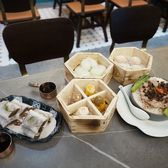
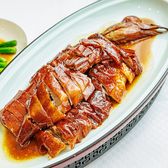
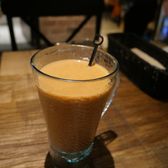
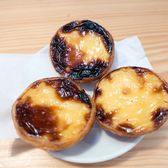
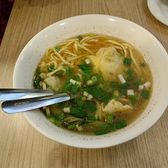
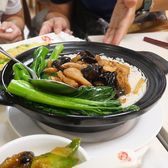
Dim sum at a proper yum cha, roast goose, Hong Kong milk tea, egg tarts, wonton noodles and claypot rice.

What are the must-see sights in Hong Kong?

Victoria Peak, Central and SoHo, the Star Ferry, the TST promenade, the Temple Street market and the Big Buddha on Lantau. Hong Kong is its own jurisdiction, so expect a separate immigration stop.