Lhasa sits at 3,650 metres and the single most useful thing anyone can tell you about it is that the first two days are not sightseeing days. Land, sit still, walk slowly, and let the fourth day be the one with the mountain pass in it. Foreign visitors need a Tibet permit arranged through a travel agency before arriving, and the arrangement takes weeks rather than days, so this is not a trip that can be decided on a Friday.
At a glance
- Day 1Arrive → the hotel → a slow walk
- Day 2Barkhor kora → Jokhang Temple → a sweet tea house
- Day 3Potala Palace → Sera Monastery debates
- Day 4Kamba La → Yamdrok Lake → back
Day 1
Do almost nothing, deliberately
Arrive → the hotel → a slow walk
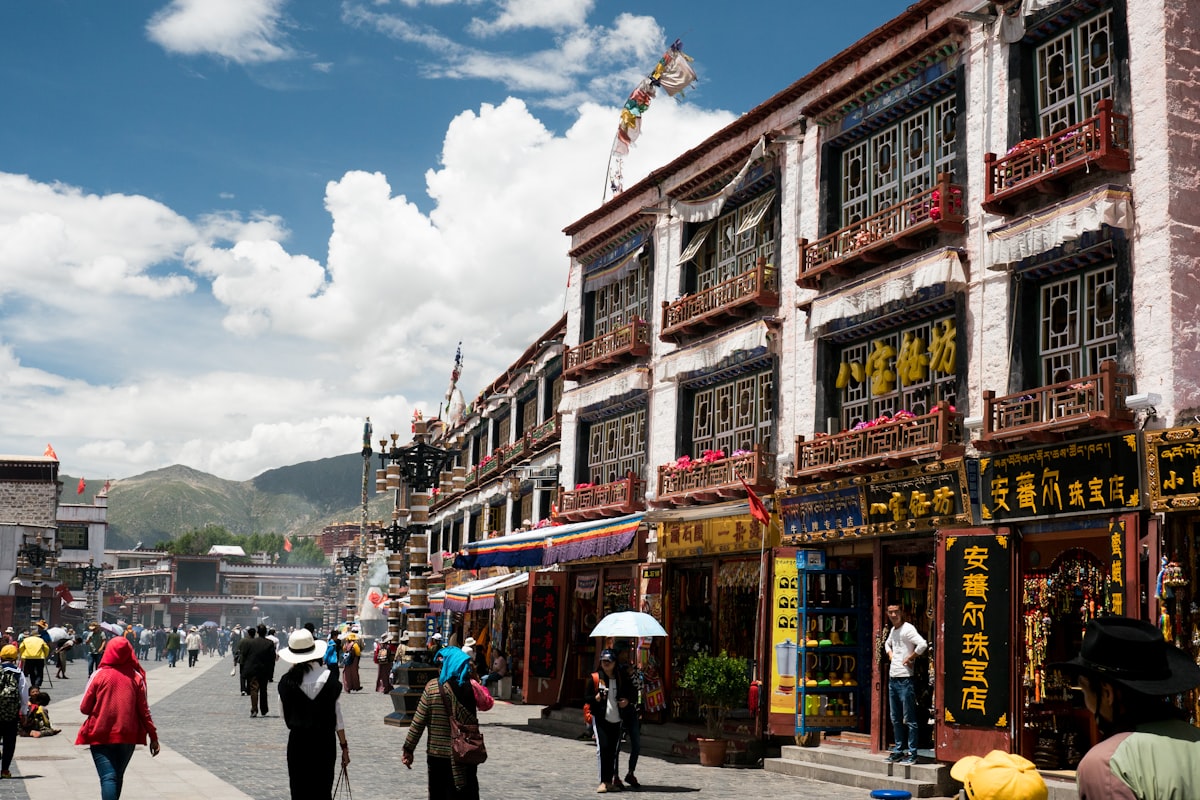
Whatever time you land, spend the first two or three hours in the room. Not because you feel bad — most people feel fine, which is the trap — but because the reaction comes later. Then a slow walk in the old town, warm water rather than cold drinks, a light meal rather than a large one, and no shower tonight. Three rules for the first forty-eight hours: do not run, do not walk fast, do not wash your hair. A mild headache and a bad night's sleep are normal; worsening symptoms are not, and the answer to those is oxygen and a lower altitude, not endurance.
 Day 2
Day 2
The circuit, and the temple at the middle of it
Barkhor kora → Jokhang Temple → a sweet tea house
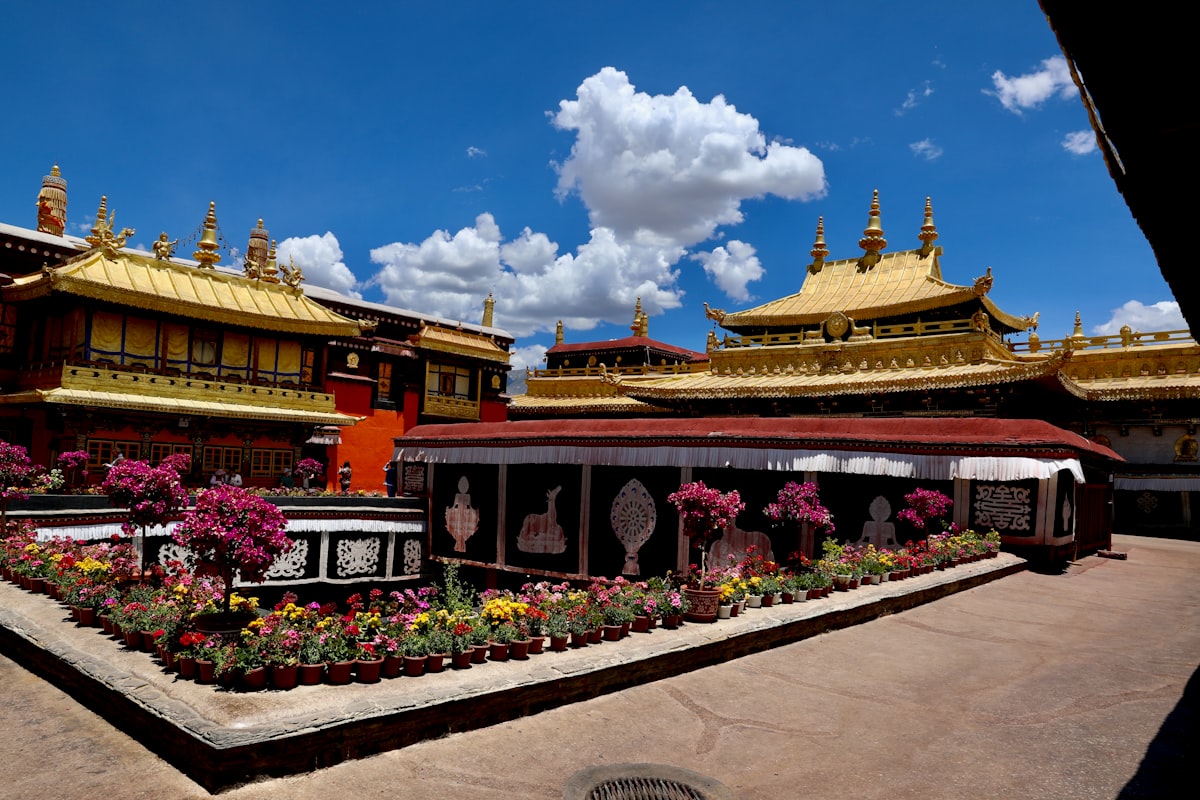
The Barkhor is a clockwise circuit around the Jokhang, walked by pilgrims from before dawn, and joining it at a slow pace is the gentlest possible second day at this altitude. The Jokhang itself is the oldest and most sacred building in Tibet and takes an hour. Afterwards, a sweet tea house: glasses of milky tea poured from a thermos at a long table, refilled until you put money on the table to stop. It is the cheapest hour in the city and the most Lhasa.
 Day 3
Day 3
The palace, then monks arguing
Potala Palace → Sera Monastery debates
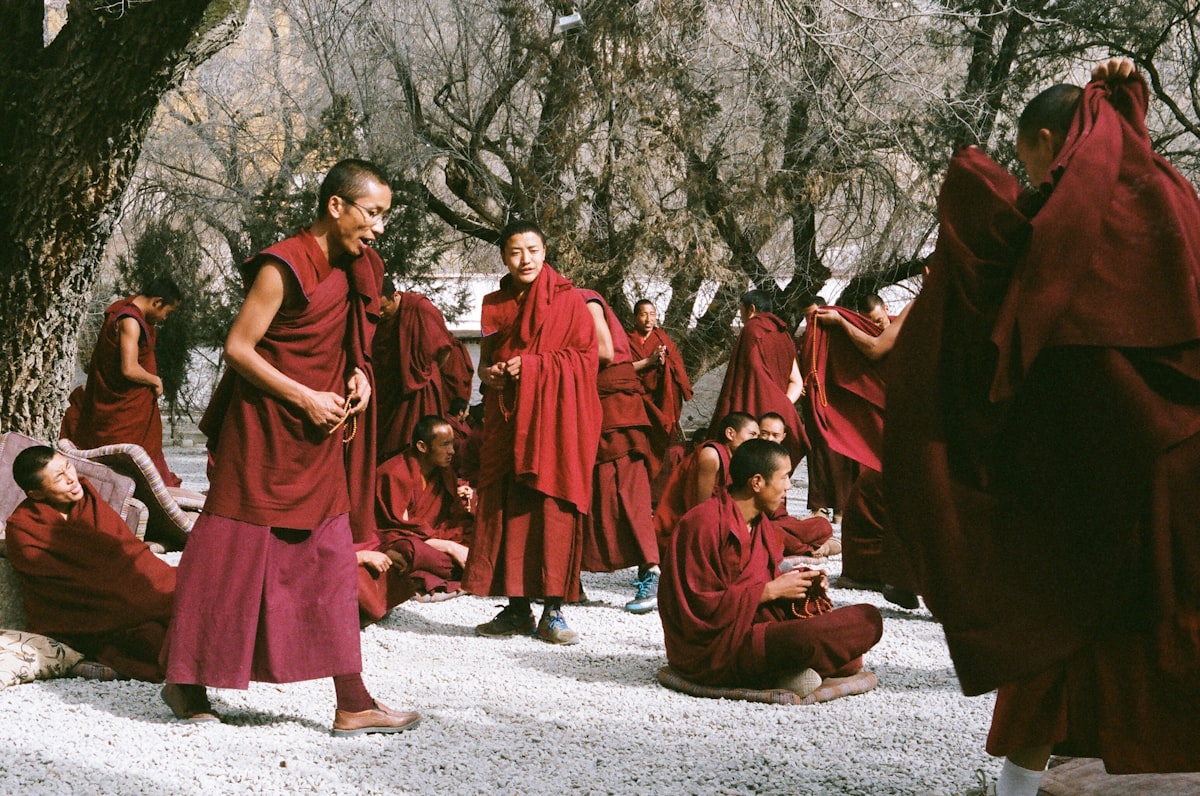
Potala tickets are limited, dated and booked in advance, and the climb inside is long and stepped at 3,700 metres — which is the real reason it belongs on day three rather than day one. Your slot has a time on it and the guards mean it. In the afternoon, Sera Monastery holds its debating sessions in a walled courtyard: monks clapping the point home at each other, every weekday except Sunday, and the most alive thing you will see in a monastery anywhere.
 Day 4
Day 4
Over the pass, to the lake
Kamba La → Yamdrok Lake → back
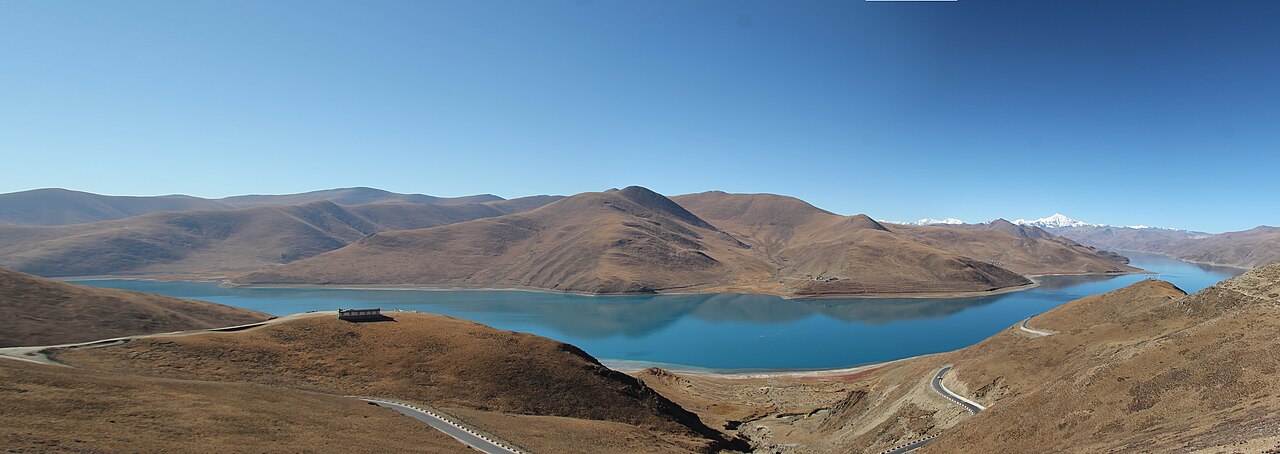
Yamdrok is a day out by hired car — over the Kamba La pass at nearly 4,800 metres, which is a thousand metres above the city and the reason this waits for day four. The lake is a colour that photographs badly and is worth the drive anyway. Stay high for less time than you think you want to, keep the water handy, and come back down to Lhasa to sleep, which is the standard advice on every high day in Tibet: climb high, sleep low.
Eat like you mean it
- Tibetan momosSteamed or fried, yak or vegetable, in every tea house.
- Sweet tea housesMilky tea by the glass at a shared table. Sit as long as you like.
- Thukpa noodle soupThe everyday hot meal, and easy on a stomach adjusting to altitude.
- Tsampa (barley)Roasted barley flour worked with butter tea by hand. Try it once, properly.
- Yak meat & yoghurtAir-dried strips, and thick plain yoghurt with sugar.
- Yak butter teaSalty rather than sweet. It grows on people faster at altitude.
Where to stay
- Barkhor and the old townInside the circuit, which is where you want to be at six in the morning.
- Below the Potala · Yaowang ShanThe view from the door and a short walk to the palace.
- Beijing East RoadThe main strip: agencies, restaurants, and everything within reach.
- West Lhasa · NorbulingkaQuieter, greener, and further from the noise of the old town.
Before you go
- Foreign visitors need a Tibet Travel Permit arranged through an agency, weeks in advance. There is no way to arrange one on arrival.
- The first forty-eight hours: do not run, do not walk fast, do not shower. Altitude sickness usually arrives about eight hours after landing, so feeling fine on the day is not evidence.
- Warm water, small meals, no alcohol. Metabolising a large dinner is work your body has better uses for right now.
- Do not tough out worsening symptoms. Oxygen, then a lower altitude. People have gone from a headache to hospital by deciding to endure it.
- Arriving by train rather than by air gives you a day and a half of gradual climb, and it makes a real difference to how the first night goes.
- Book the Potala in advance and be at the gate at the time on the ticket. Slots are capped and the timing is enforced.
One honest thing — Altitude sickness usually arrives about eight hours after you land, not on arrival — which is why people who feel fine at the airport are in trouble by bedtime. The first two days have rules, and they are in the tips below.