Lhasa ● CITY TOUR BOARD

Lhasa 拉萨

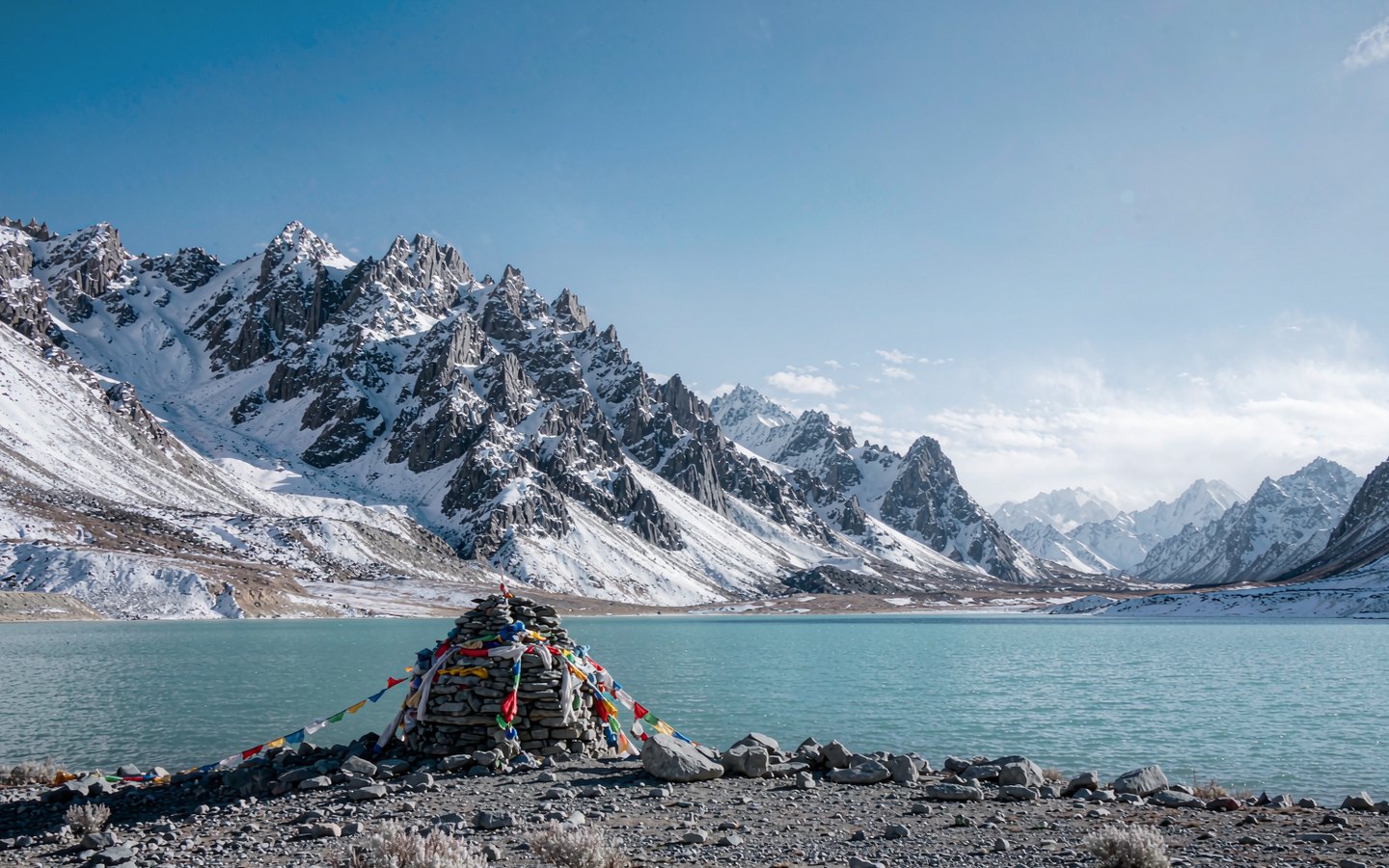
The rooftop of the world: the Potala rising white and red above the city, pilgrims turning prayer wheels around the Jokhang, and thin, brilliant high-altitude light over everything. Sacred, singular — and the trip that needs the most planning.

Introduction

Lhasa is the one Chinese city you cannot simply turn up in. Foreign travellers need a Tibet Travel Permit that only a Tibet-based agency can apply for, and it comes with a guide and an itinerary fixed before you fly; the 240-hour visa-free scheme does not reach here. Past the paperwork is a valley at 3,650 m under nearly three thousand hours of sun a year, the Potala standing white and red above it, and pilgrims walking the circuit around the Jokhang at dawn. Plan your first day as a rest day.

Travel highlights

The permit comes before the ticket

You cannot buy a flight or train into Tibet until the permit exists, and only a Tibet-based agency can apply for one. Allow weeks, not days, and get your China visa settled first — the permit sits on top of it.

Do nothing on day one

Lhasa sits at 3,650 m, where the air holds about 68 per cent of the oxygen it does at sea level. Land, check in, walk slowly, drink water and skip the beer. The Potala's stairs will still be there tomorrow.

The train is the gentler arrival

Flying puts you at 3,650 m in a couple of hours. The Qinghai–Tibet railway takes about 40 hours from Beijing, crosses the Tanggula Pass at 5,072 m, and has an oxygen supply at every seat and berth.

Everything here goes clockwise

Pilgrim circuits are walked clockwise and prayer wheels are turned the same way, so join the flow rather than cutting across it. Ask before photographing people, and expect cameras to be banned inside chapels.

Travel alerts

Top attractions

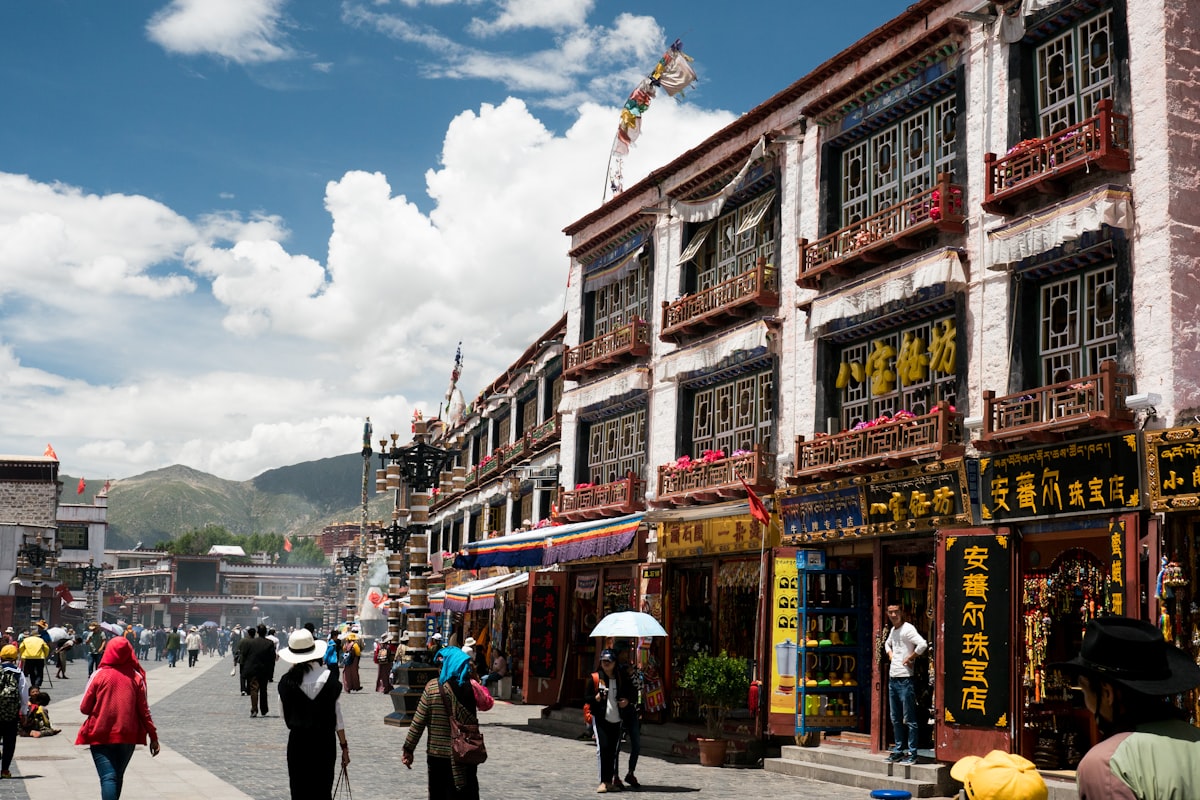
Pilgrims and shoppers on Barkhor Street in the old town of Lhasa

Barkhor pilgrim circuit

A kilometre of streets circling the Jokhang, walked clockwise by everyone — pilgrims with prayer wheels, some covering the whole loop by prostration, and shoppers going the same way. Free, flat, and the right thing to do on your first afternoon, when climbing anything is a bad idea. The Jokhang stands at the centre of it.

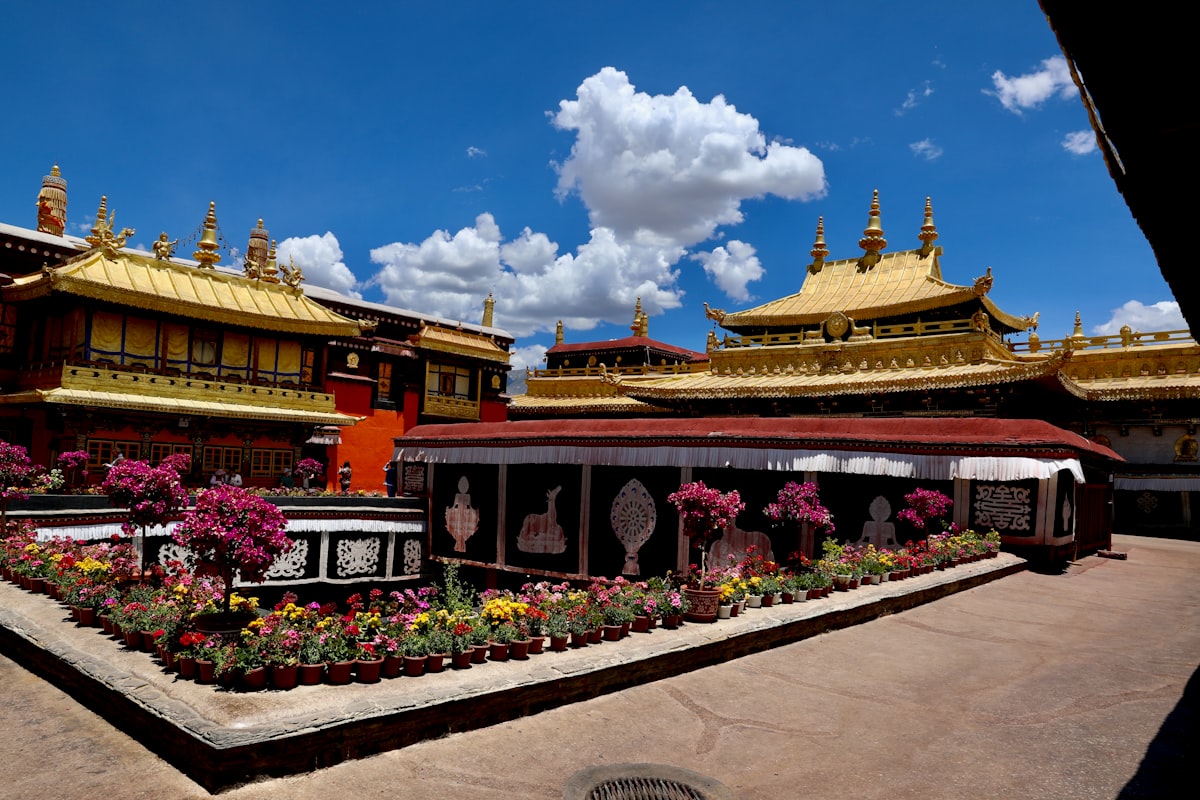
Gilded rooftops of Jokhang Temple with flower beds, Lhasa

Jokhang Temple

Founded around 652, and the temple every pilgrim on the Barkhor is walking towards — the Jowo Shakyamuni statue inside is the most revered in Tibet. It is a working temple thick with butter-lamp smoke, not a museum: follow the crowd clockwise, and expect chapels where cameras are not allowed. The hours move with festivals and religious days, so let your guide fix the time. Barkhor Square is the door. Entry is ¥85; book one day ahead on the official '大昭寺' mini-program, and expect visitor hours roughly 11:30–17:30 (mornings are mostly for devotees).

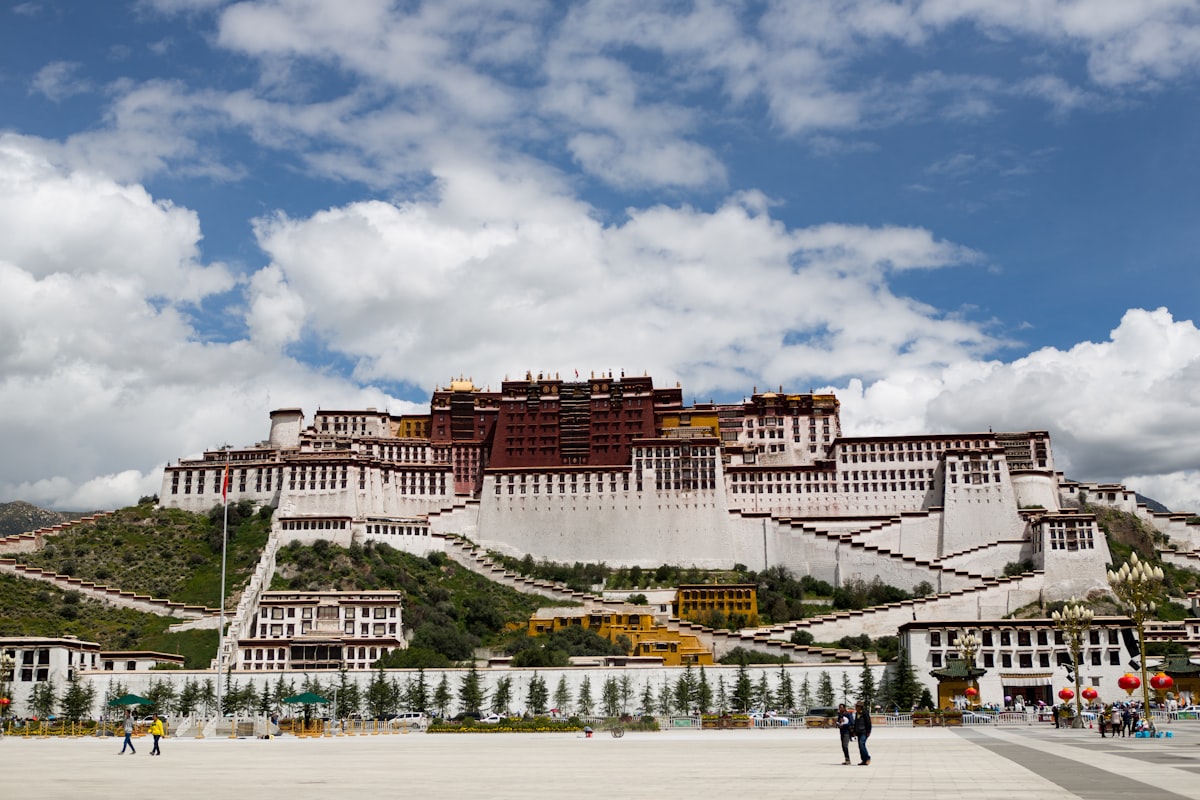
Potala Palace rising above its square in Lhasa under summer clouds

Potala Palace

White and red on the Marpo Ri hill above the city, begun in 1645 and finished in 1694. Numbers are capped each day, the ticket is booked ahead against the passport you will carry in, and you enter at a set time; it is a long climb of stairs at 3,700 m, and no photography is allowed inside. Keep it for day two, not the day you land. Entry is free during the 'Winter Tibet' campaign and otherwise ¥100 (low season) / ¥200 (high season, Line 1); book ahead on the official mini-program — release windows shift, so check the official site before you go.

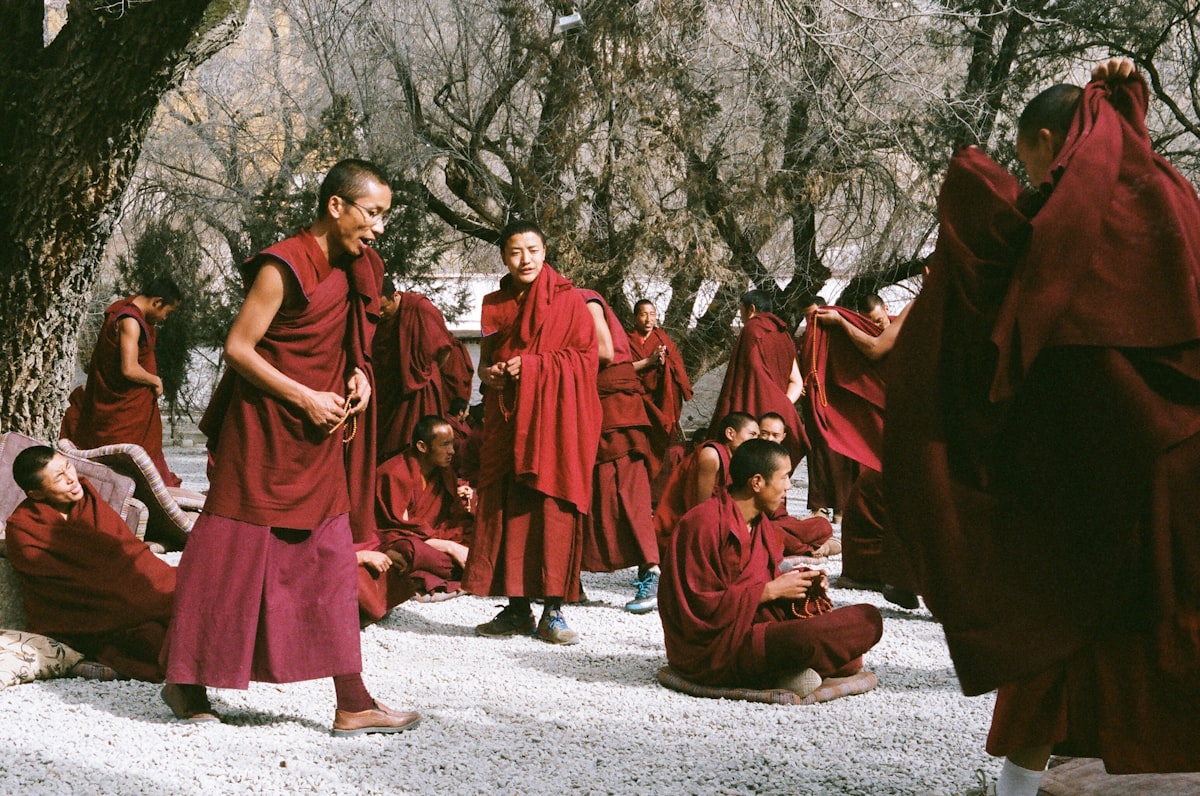
Monks debating in the tree-shaded courtyard of Sera Monastery, Lhasa

Sera Monastery debates

Founded in 1419, about 5 km north of the Jokhang. The reason to come is the afternoon debating in the tree-shaded courtyard: monks clap their hands as they put questions to a seated partner, three until five, every day except Sunday. The halls start closing around the time the debating begins, so look round them first. Pair it with a Potala morning — it is a short ride out from the old town. Entry is about ¥50.

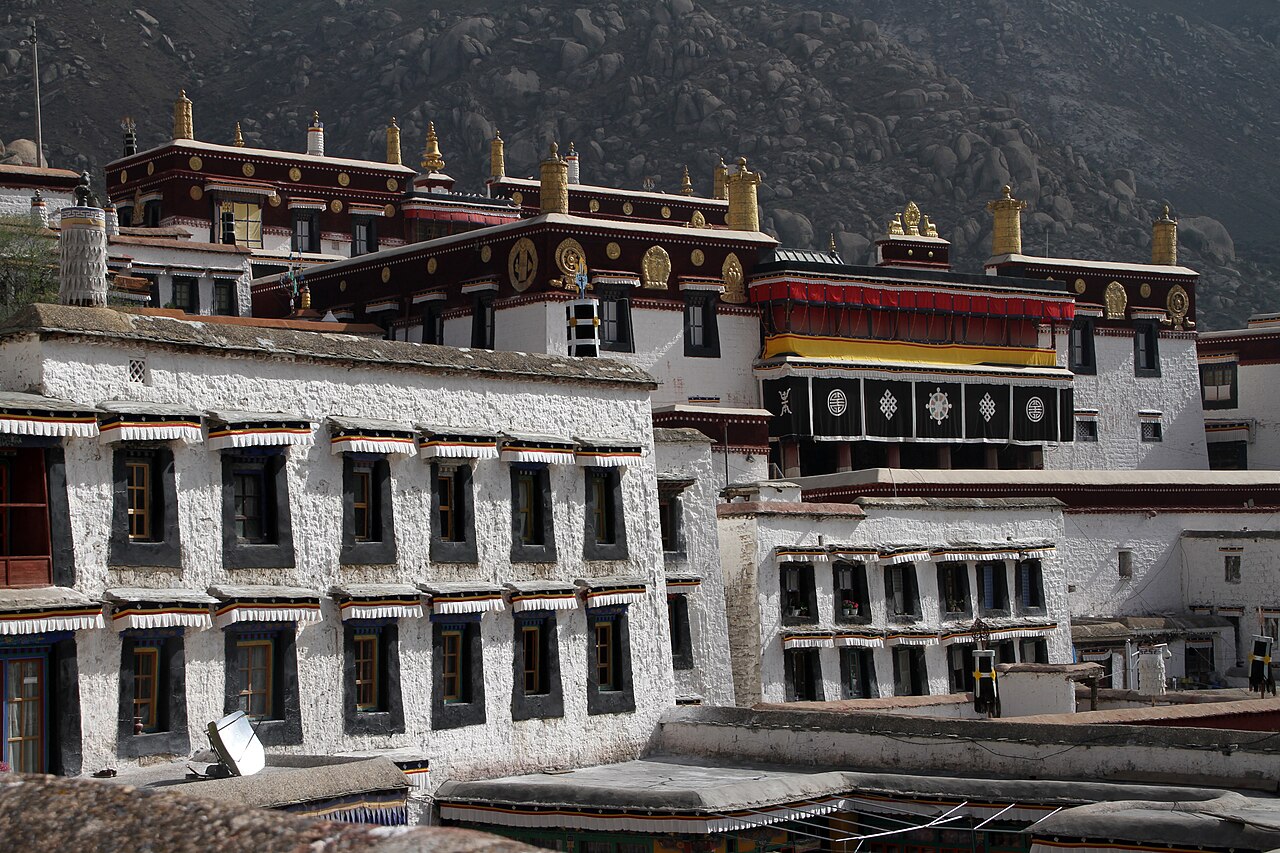
The white buildings of Drepung Monastery stacked up the hillside outside Lhasa

Drepung Monastery

Founded in 1416 on the slopes of Mount Gephel, about 5 km west of the city, and historically home to thousands of monks — it reads less like a building than like a white town on a hillside. Come in the morning, while the chapels are open. Norbulingka, the summer park of the Dalai Lamas, is on the same side of town.

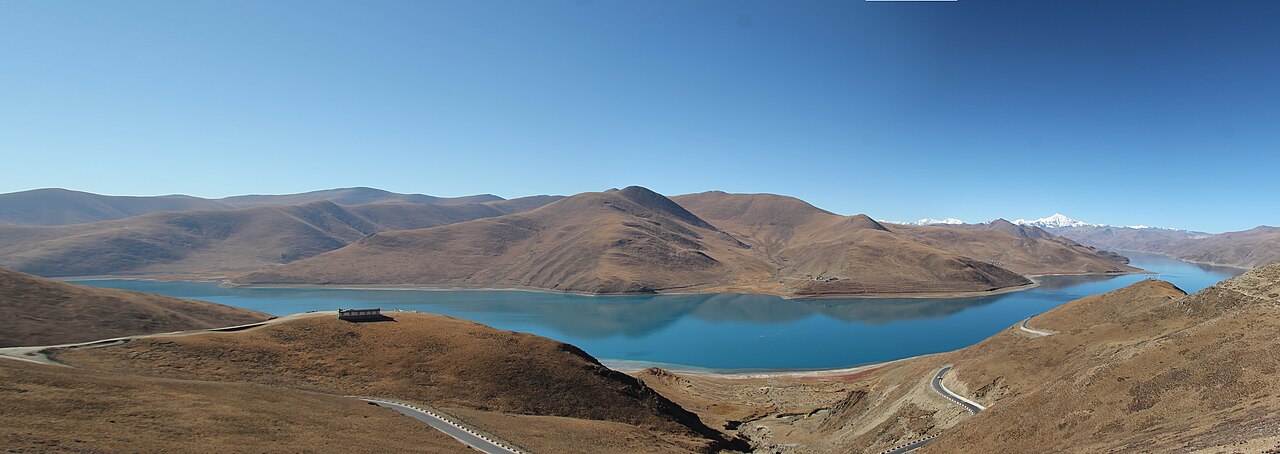
The turquoise water of Yamdrok Lake between bare mountains

Yamdrok Lake

A lake 72 km long at 4,441 m, about 100 km southwest of Lhasa over a high pass, and the day trip most people add. It has to be named on your permit before you fly, so ask for it when you book. Save it for late in the trip: it sits nearly 800 m higher than Lhasa and you will notice the difference.

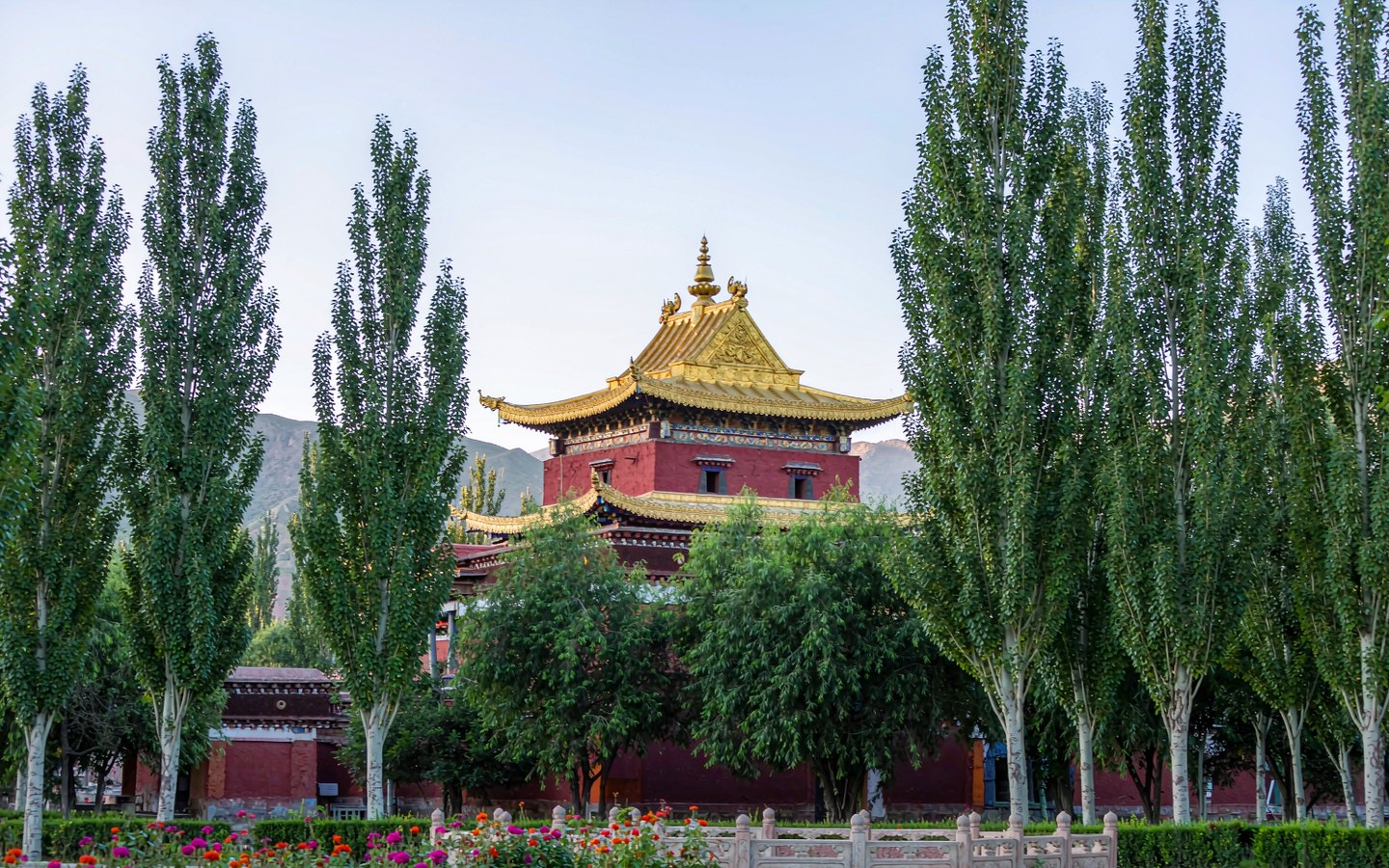
Gilded palace pavilion among tall poplars in a Tibetan garden

Norbulingka

The third component of Lhasa's World Heritage listing: the Dalai Lamas' summer palace from the 18th century, a 36-hectare 'jewel garden' two kilometres west of the Potala. At 3,650 m it's the gentlest stop of an acclimatisation day, and pairs with the Tibet Museum next door. Pricing swings with Tibet's winter-free policy (¥60 from 16 March 2026, often free in winter), so check the season; during Shoton, usually August, Tibetan opera plays for days.

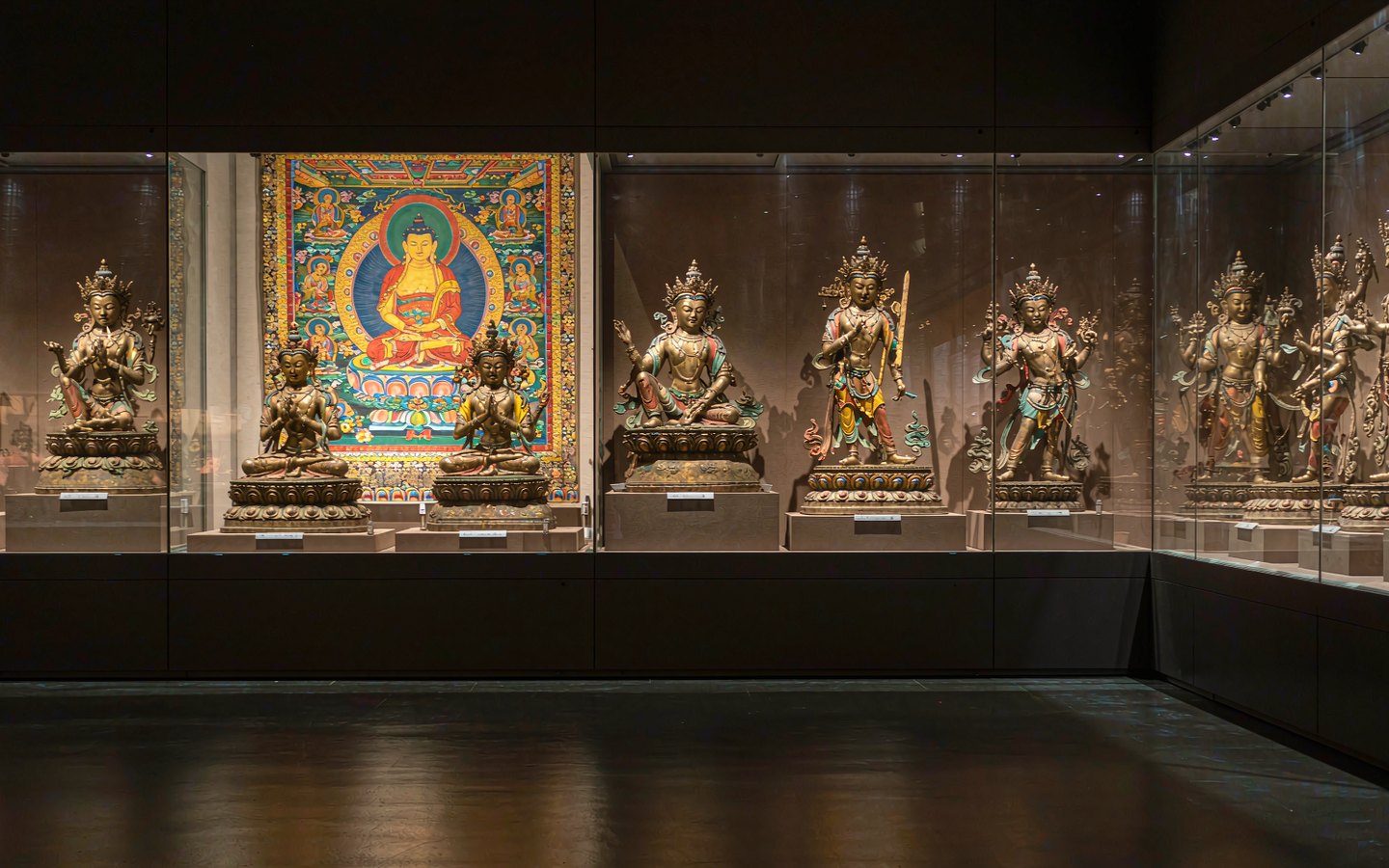
Gilded Buddhist statues and thangkas in a hushed museum hall

Tibet Museum

Tibet's largest museum, national first-class, free, right beside Norbulingka — the perfect acclimatisation-day stop, when the advice is no exertion and the Potala's long staircase is exactly what you shouldn't climb. Two seated, air-conditioned hours here cover Tibetan history, thangkas, the golden-urn lottery and palm-leaf manuscripts before you meet them in the monasteries. Book via the museum's WeChat account, 3–5 days ahead from May to October; closed Mondays, no photography in the galleries, audio guides in English.

1 more spots worth seeing
Turquoise sacred lake under snow peaks with prayer flags on the shore

Nam-tso Lake

One of Tibet's three sacred lakes and the world's highest large saltwater lake at 4,718 m, backed by the Nyenchen Tanglha snow range — and one of China's finest dark-sky spots. The altitude is the whole risk: you cross the 5,190 m Nagenla Pass to get there. Foreign visitors need it written into their Tibet permit route in advance, and the north shore's Holy Elephant gate is a border zone. With only 4–5 days, choose Nam-tso or Yamdrok, not both.

Local cuisine

Where to stay

Your hotel is usually part of the permit package, which means the agency picks it unless you say otherwise — name the area and the standard you want in writing before you pay. Ask about heating too: Lhasa nights are cold even in July, and not every older building has any.

Getting around

Getting here

  • Permit first, tickets second

    The Tibet Travel Permit has to be granted before you can book transport into Tibet, and only a Tibet-based agency can apply for it. Nothing else on this page happens until that is done.

  • Gonggar Airport (LXA)

    About an hour from the city on the airport expressway, and the transfer is normally part of your package. The airport itself stands at 3,600 m, so you are already at altitude when the doors open.

  • The Qinghai–Tibet railway

    Slower and kinder: 1,956 km from Xining, about 40 hours from Beijing, over the Tanggula Pass at 5,072 m. Every seat has an oxygen outlet, and you sign a health registration card for the Golmud–Lhasa leg.

The permit is handed to your guide when you land and stays with them. Carry your passport on you every day — it is what you are checked against at stations, checkpoints and hotel desks.

Local transport

  • 🚕

    Your guide's car

    The permit comes with a guide and a vehicle, and between them they cover the monasteries outside town and any day trip. It is the one Chinese city where you do not plan your own transport.

  • 🚌

    Buses and taxis

    City buses run for a yuan or two but are signed in Tibetan and Chinese only. Taxis are cheap and fine for moving around town on your own — but the monasteries are sights your guide has to be with you for, so those trips are made together.

  • 🚲

    Hired bikes

    Hotels and cycle shops in the old town hire bikes out, and the streets are flat enough. Leave it until day three — pedalling on your first day at 3,650 m is how people make themselves ill.

The old town is small and flat: the Jokhang, the Barkhor and the Potala are a slow half hour apart on foot. Walk slowly. The air here holds about 68 per cent of the oxygen it does at sea level, and hurrying is what makes people ill.

What's on

Recommended routes

All routes →

FAQs

What is the best time to visit Lhasa?

April to October, when the plateau is warmest and the high passes clear. Winter is cold but dry, bright and far quieter.

How many days should I spend in Lhasa?

Three days at minimum, and take them slowly — at 3,600 m the first day or two goes to acclimatising, not sightseeing.

Do I need a permit to visit Lhasa?

Yes. Foreign travellers need a Tibet Travel Permit arranged in advance through a registered agency — visa-free entry or a visa alone does not get you in, and the permit has to be granted before you can book transport into Tibet.

How do I get to Lhasa?

Gonggar Airport (LXA) is about an hour from the city on the expressway, and the transfer is normally part of your tour package. The Qinghai–Tibet railway is slower and kinder for acclimatising, climbing over the Tanggula Pass at 5,072 m.

What is the best way to get around Lhasa?

The permit comes with a guide and a vehicle, which covers everything outside the old town. The Barkhor area itself is walked; city buses are a yuan or two but signed in Chinese.

Which area should I stay in Lhasa?

Barkhor and the old town for the pilgrim circuit at your door, or Beijing East Road between the old town and the Potala. Your hotel is usually part of the permit package, so name the area and standard you want early.

What food should I try in Lhasa?

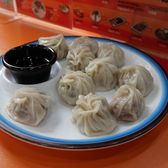
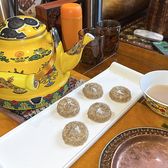
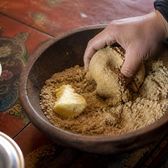
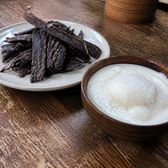
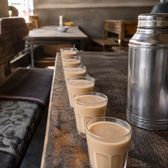
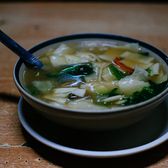
Tibetan momos, yak butter tea, tsampa, yak meat and yoghurt, thukpa noodle soup — and an afternoon in a sweet tea house.

What are the must-see sights in Lhasa?

The Barkhor pilgrim circuit and Jokhang Temple, the Potala Palace, the debating monks at Sera, Drepung Monastery, and Yamdrok Lake as the day trip.