Shanghai ● CITY TOUR BOARD

Shanghai 上海

The Bund at dawn, art-deco lanes, and Pudong's towers across the river. China's easiest first city — English-friendly, and a metro signed in English reaches almost everything in this guide.

Introduction

Shanghai is the easiest place in China to land first: a waterfront of 1920s banks facing a skyline built in thirty years, and plane-tree lanes in between. The metro carries more passengers a year than any other in the world, it signs itself in English, and since 2025 a contactless foreign bank card opens the gate. What catches people out is the airports — Pudong and Hongqiao are 60 km apart, and the train between them takes 40 minutes.

Travel highlights

Two airports, and a fast train between them

Pudong (PVG) takes the long-haul flights. Hongqiao (SHA) sits 13 km from People's Square and handles most domestic ones. The Airport Link Line has run between them since the end of 2024: under 40 minutes, ¥26, about every 15 minutes, first train at six in the morning and last at ten at night. Metro Line 2 also joins them, but it takes about an hour and a half.

Monday and Tuesday close different things

Yu Garden and the Shanghai Museum on People's Square shut on Mondays. The Shanghai Museum East, across the river in Pudong, shuts on Tuesdays instead. The Bund and the lanes are open whichever day it is.

Your own bank card opens the gate

Every metro gate has taken contactless Visa, Mastercard, Amex and JCB since June 2025 — tap in, tap out, charged by distance. The card has to allow small contactless payments without a PIN. Most cards issued outside China already do; check with your bank before you fly if yours is strict about fraud.

The tea invitation is a scam

On Nanjing Road and the approach to the Bund, friendly English-speaking students invite you to a tea ceremony or a student art show. Bills of ¥800–2,500 a person are normal and much larger ones happen. The friendly conversation is part of the scam, so turn down the invitation itself.

Travel alerts

Top attractions

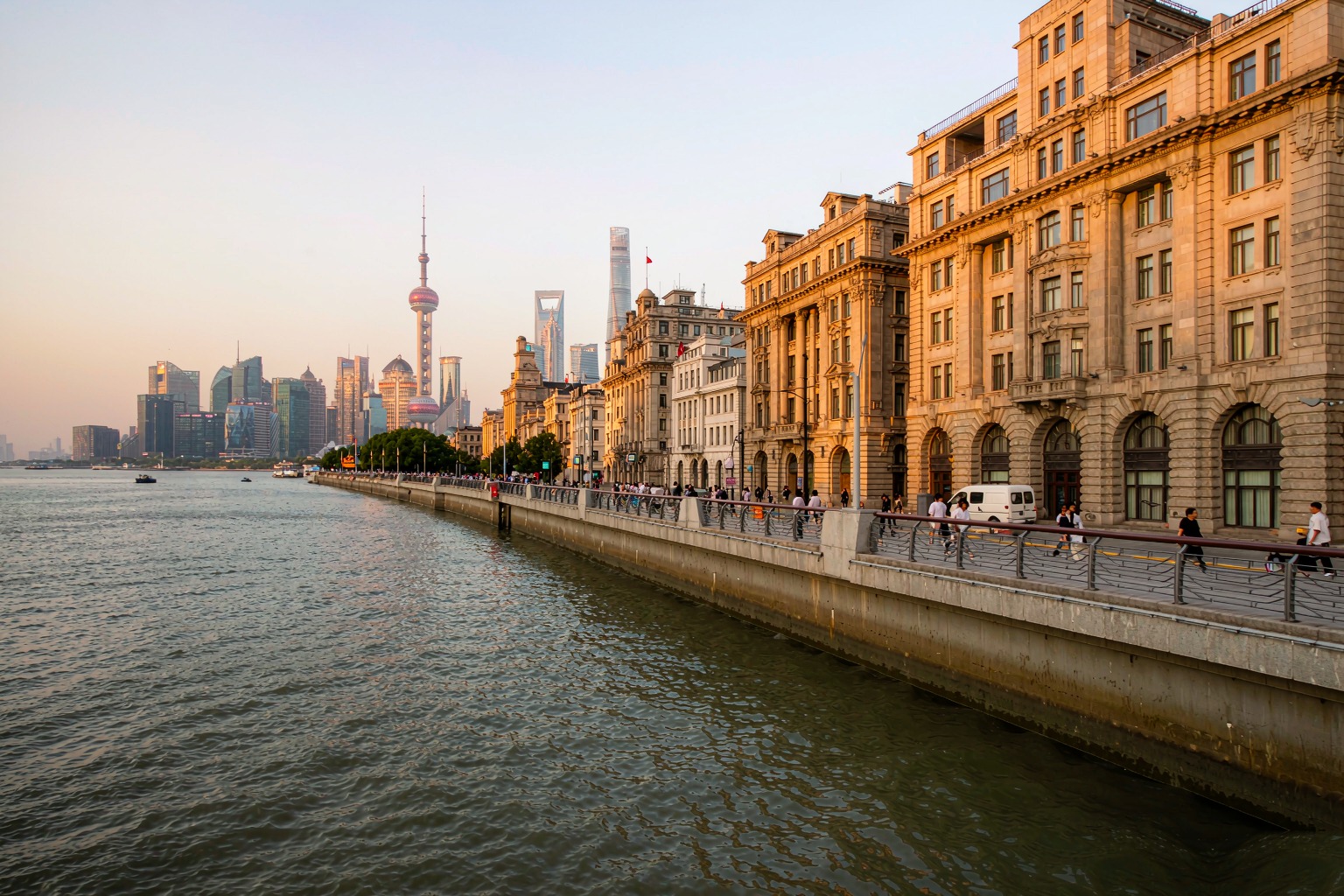
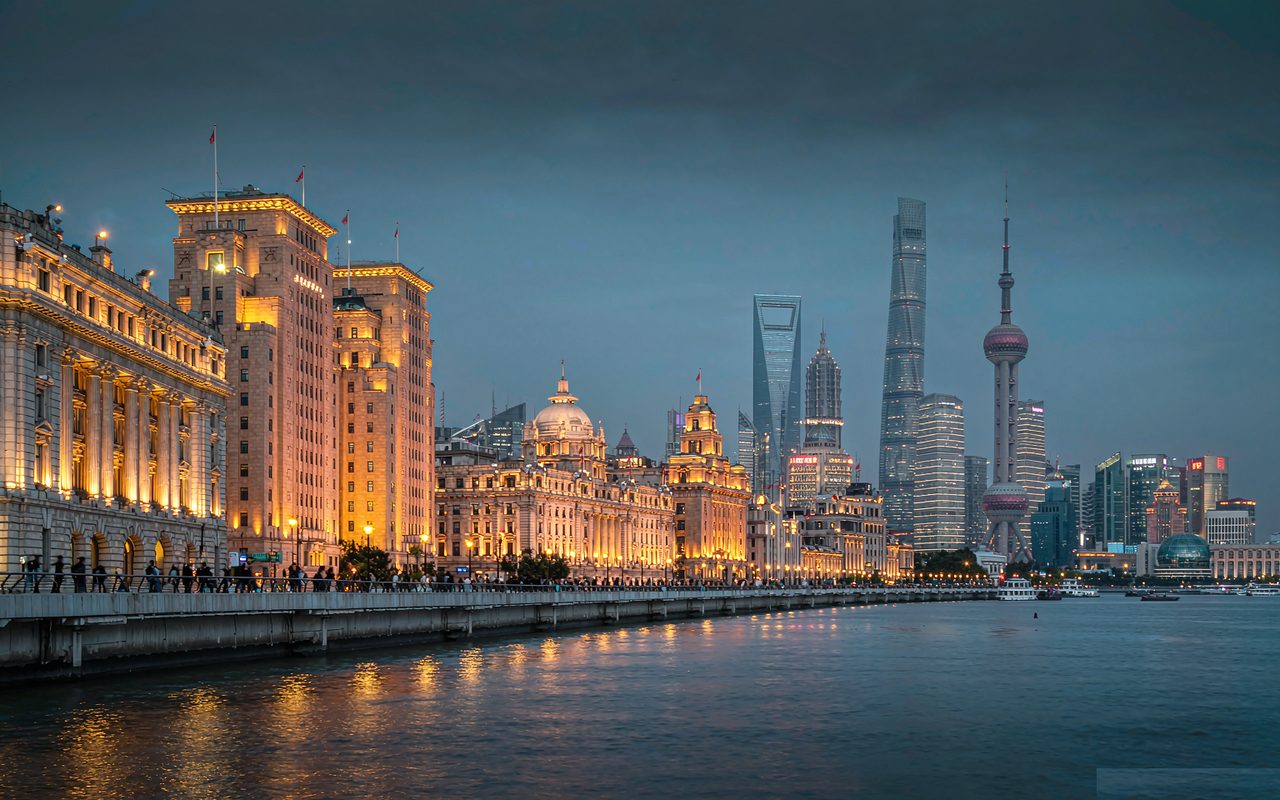
Historic art-deco buildings along the Bund promenade at golden hour, Pudong skyline across the Huangpu River, Shanghai

The Bund

A mile of 1920s bank and shipping houses facing the Pudong towers across the water. Free, never closed, and best at either end of the day — before eight it is nearly empty, and a weekday evening is far quieter than a Saturday. East Nanjing Road station on Lines 2 and 10 leaves you a five to ten minute walk east of the promenade.

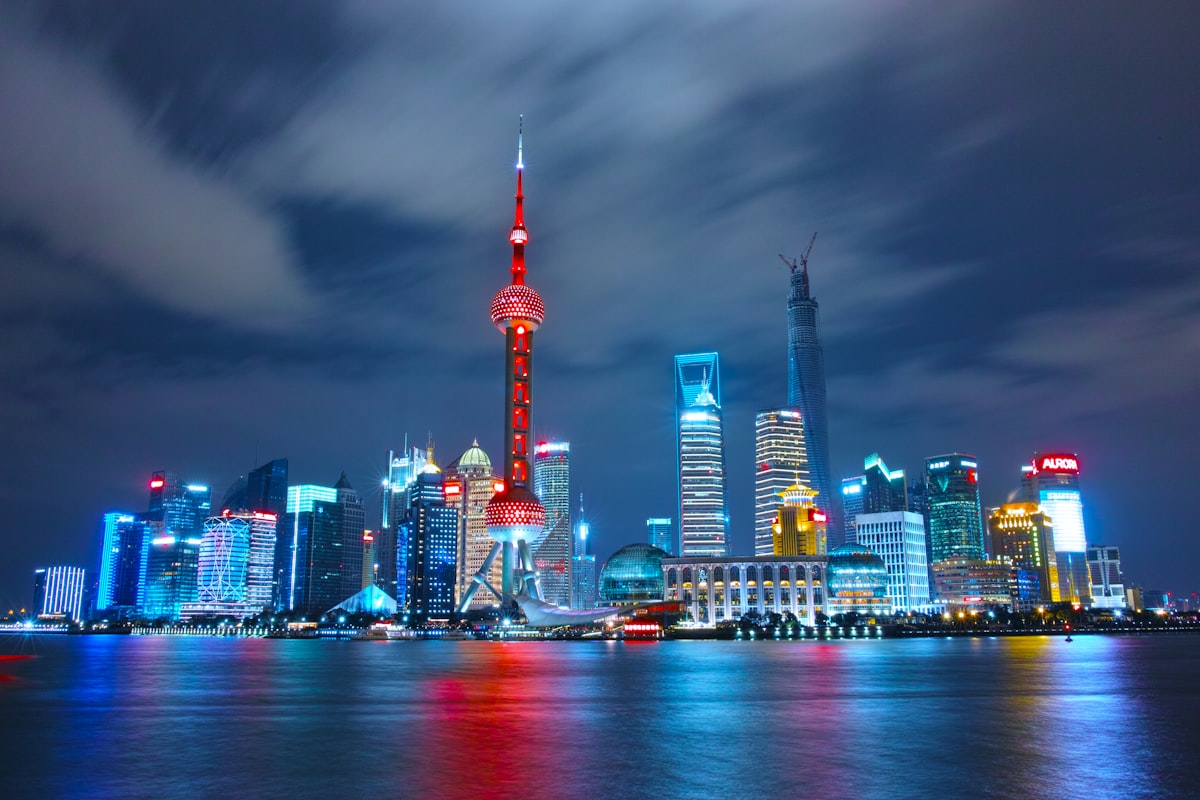
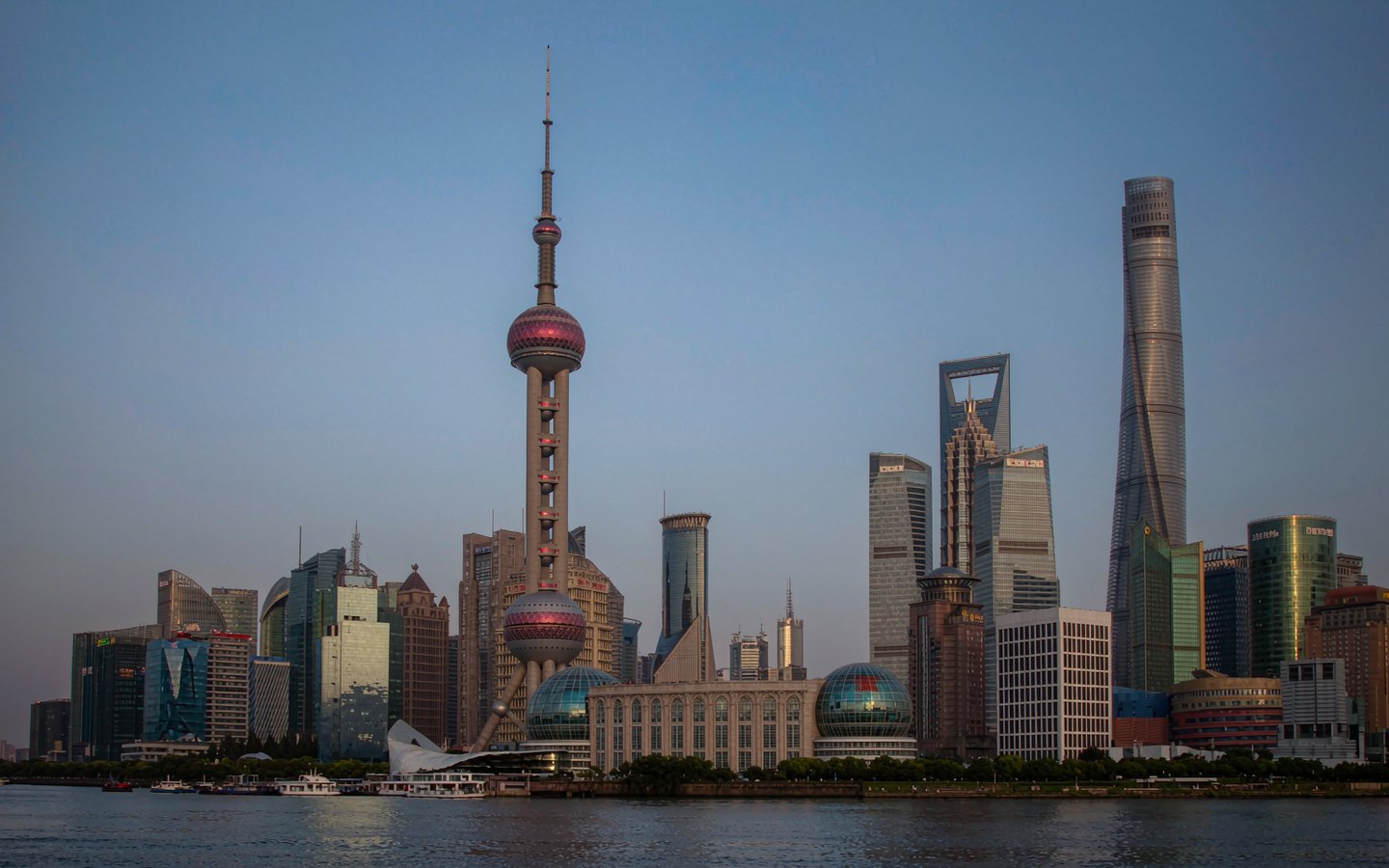
Shanghai's Pudong skyline lit up at night along the Huangpu River

Lujiazui towers

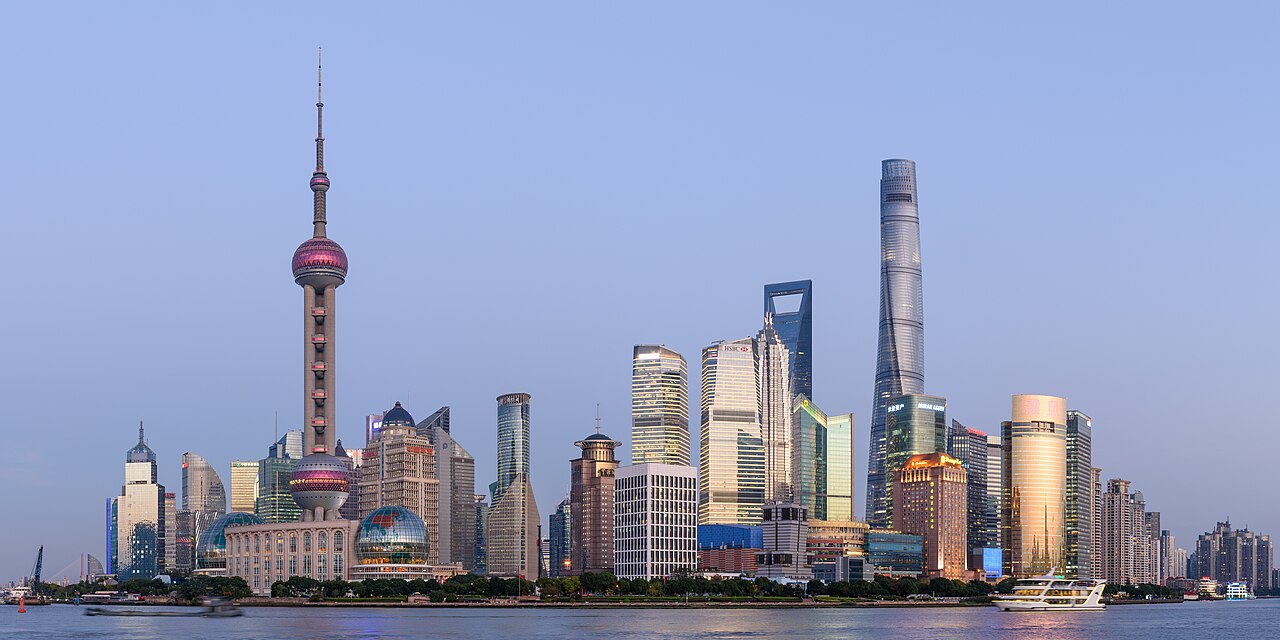
Shanghai Tower, the Jin Mao and the World Financial Center stand in one group across the river. The observation deck on the 118th floor of Shanghai Tower is the highest, around ¥180, timed entry — check the haze before you pay for a view. The cheapest crossing is the ¥2 Jinling Road ferry from the Bund, five minutes over.

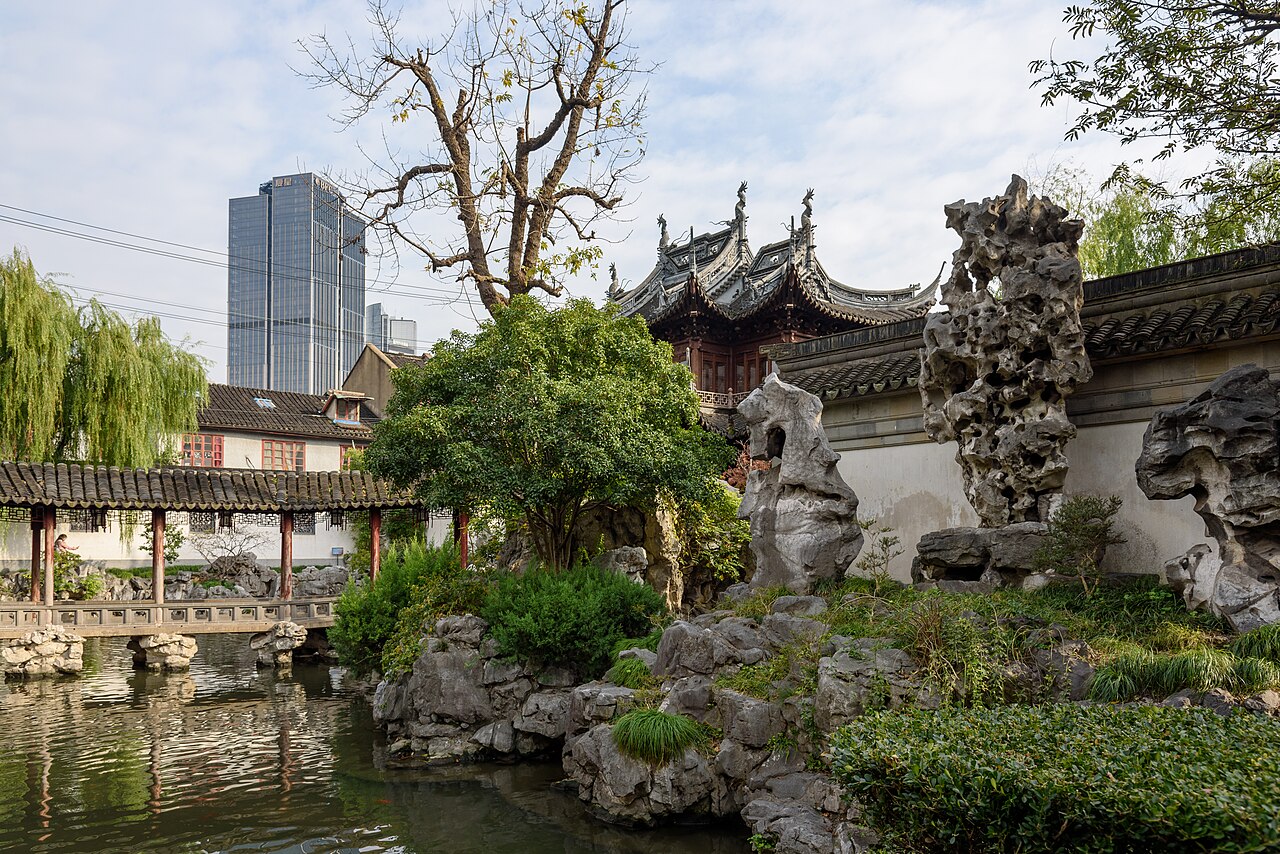
Rockeries, a pond and pavilion roofs inside Yu Garden, a modern tower rising behind

Yu Garden · City God Temple

A Ming garden of rockeries and covered walks, walled inside a bazaar that costs nothing to wander. The garden is open daily (全年无休, special events excepted) and costs ¥30–40 depending on the season. Tickets are sold under a real-name system, so bring your passport — you can buy at the gate or book ahead online. Go at nine when it opens; by eleven the zigzag bridge outside is packed.

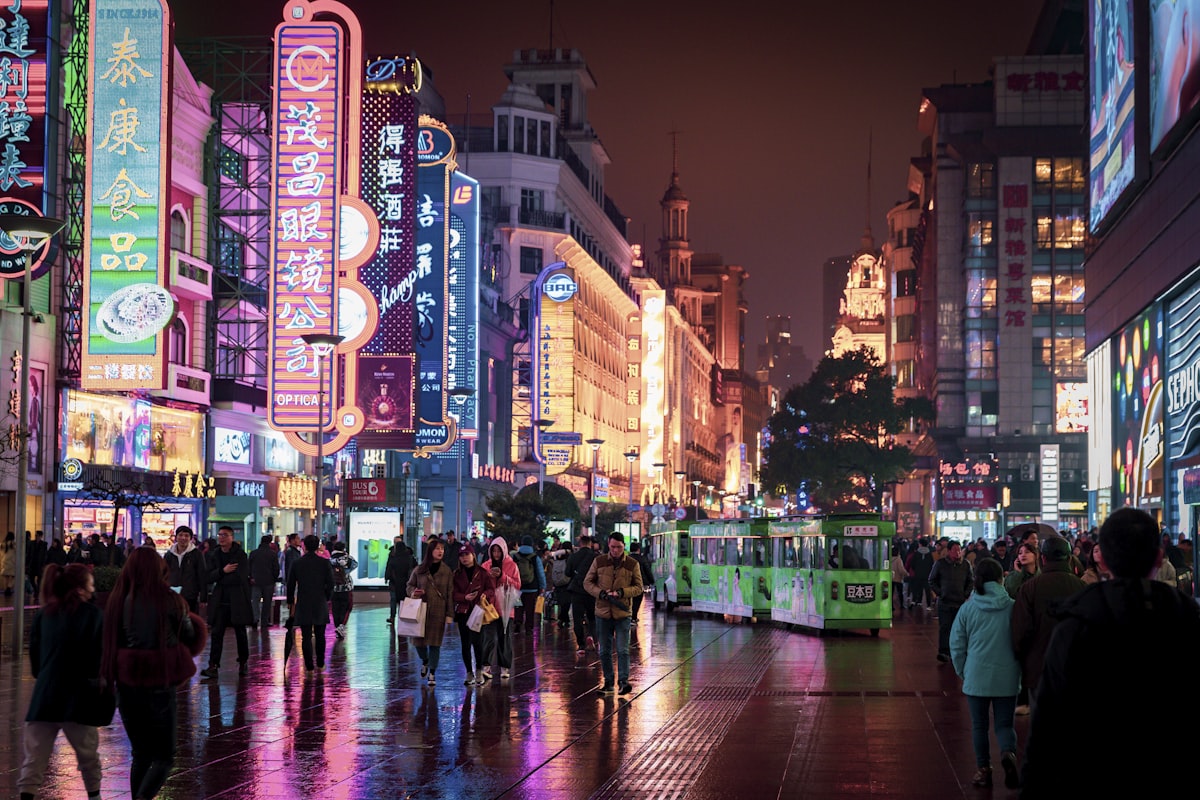
Neon signs and evening crowds on Nanjing Road, Shanghai's main shopping street

Nanjing Road

The pedestrian street running west from the Bund to People's Square, neon end to end after dark and full of shops you have at home. Walk it once as the link between those two, then get off it. This is where the touts work, so keep going past the friendly student with the good English.

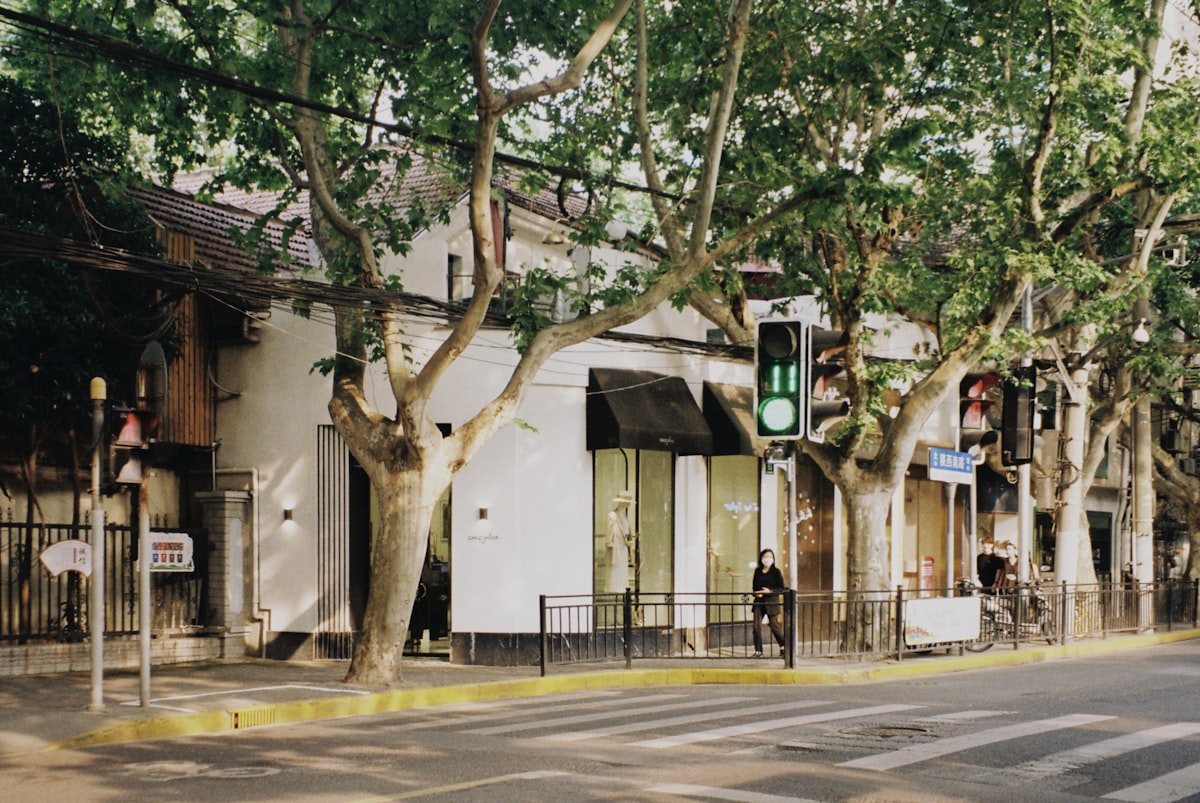
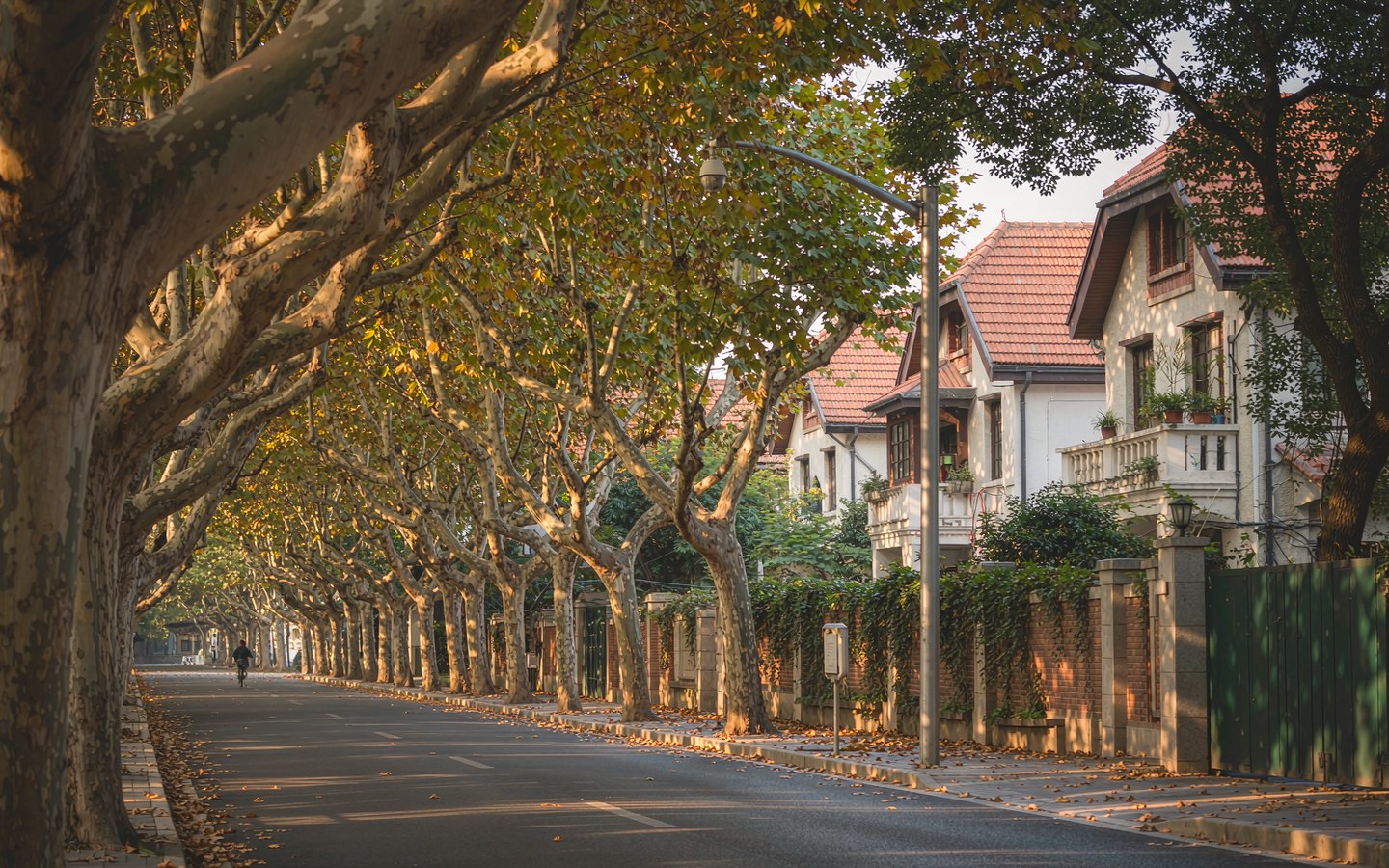
Plane trees shading a street corner in Shanghai's former French Concession

Wukang Road

The best block of the former French Concession: plane trees, 1920s villas, and Hudec's wedge-shaped Wukang Mansion at the Huaihai Road corner, finished in 1924. The mansion is flats, so you look at it from outside, and police hold the crowd back at that corner on weekends. Come on a weekday morning.

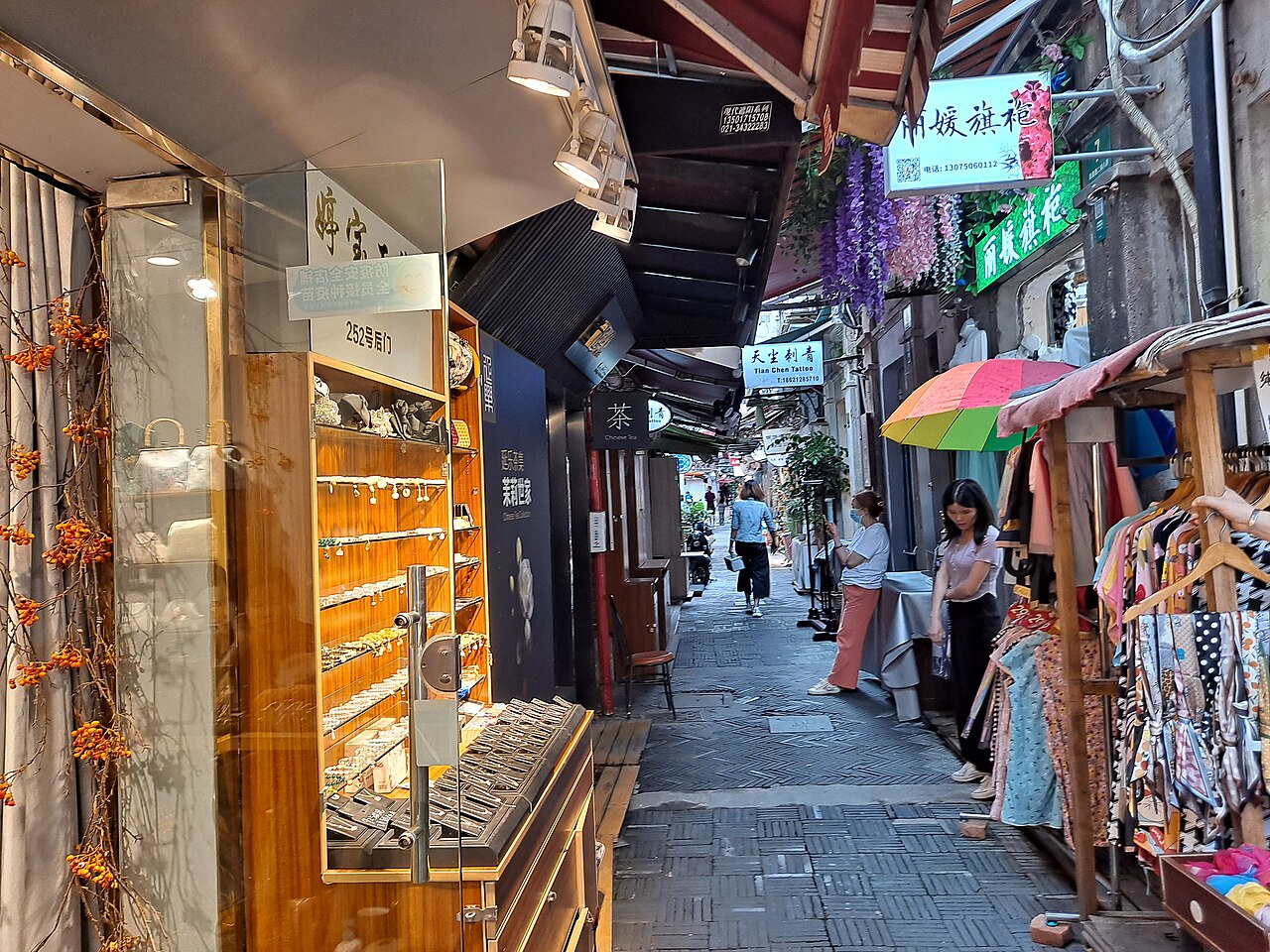
Shops and studios lining a narrow shikumen lane in Tianzifang, Shanghai

Tianzifang

A block of 1930s shikumen lane houses turned into a warren of small shops, studios and bars — free, open late, and smaller than it sounds. An hour is enough, and weekends are the worst of it. Dapuqiao on Line 9 is at the door, a short ride from the Wukang Road end of the Concession.

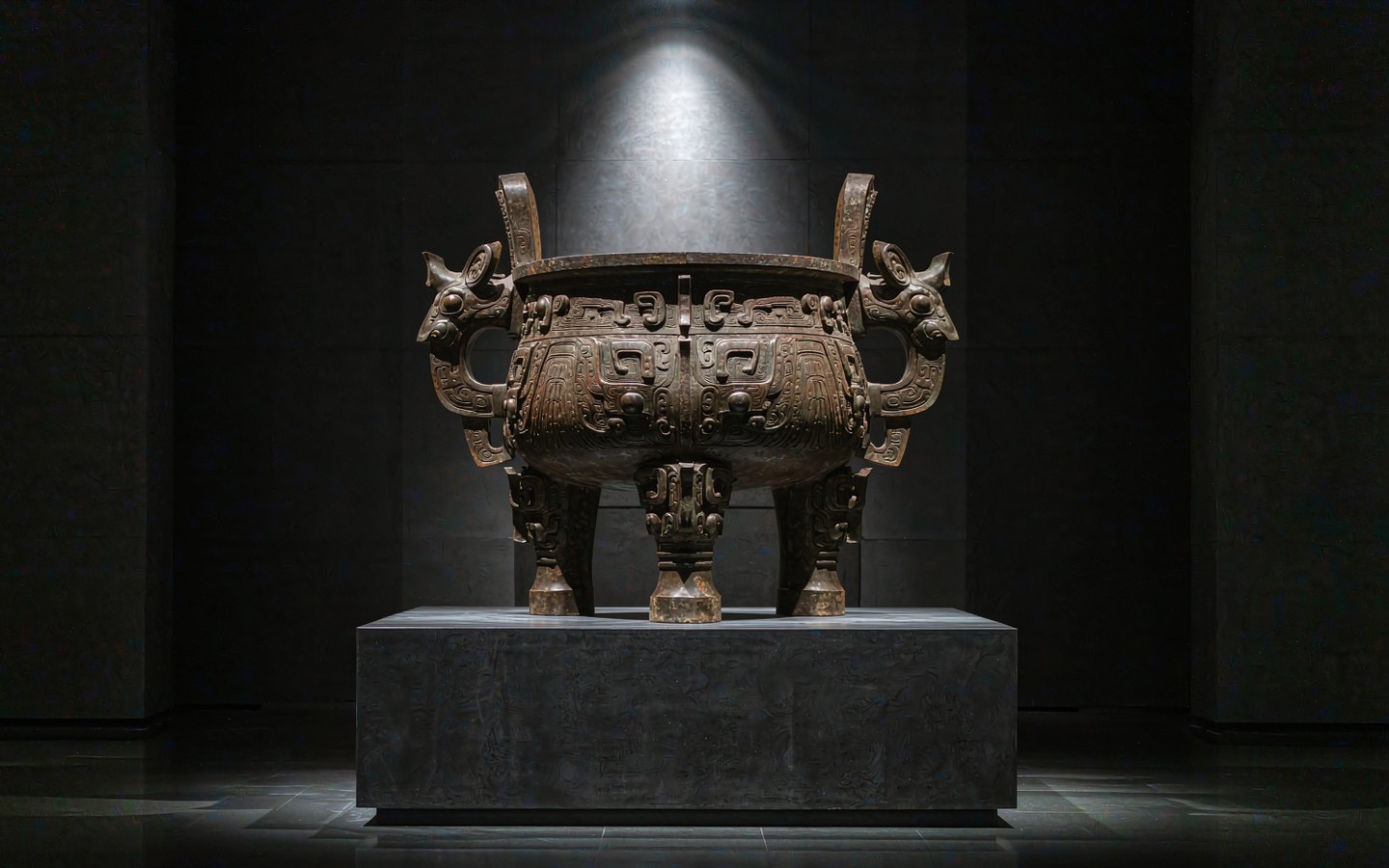
Ancient bronze ritual vessels in a softly lit museum gallery

Shanghai Museum (East & People's Square)

Free, and one of the world's most complete collections of ancient Chinese art, across two buildings. The People's Square branch sits off Nanjing Road and hosts the 16-month 'Ancient Civilizations of the Americas' blockbuster (July 2026–Nov 2027), but closes for installation from 6 May 2026 and reopens in July; the East branch in Pudong needs no reservation, just your physical passport. The classic trap: they close on different days — People's Square Mondays, East Tuesdays.

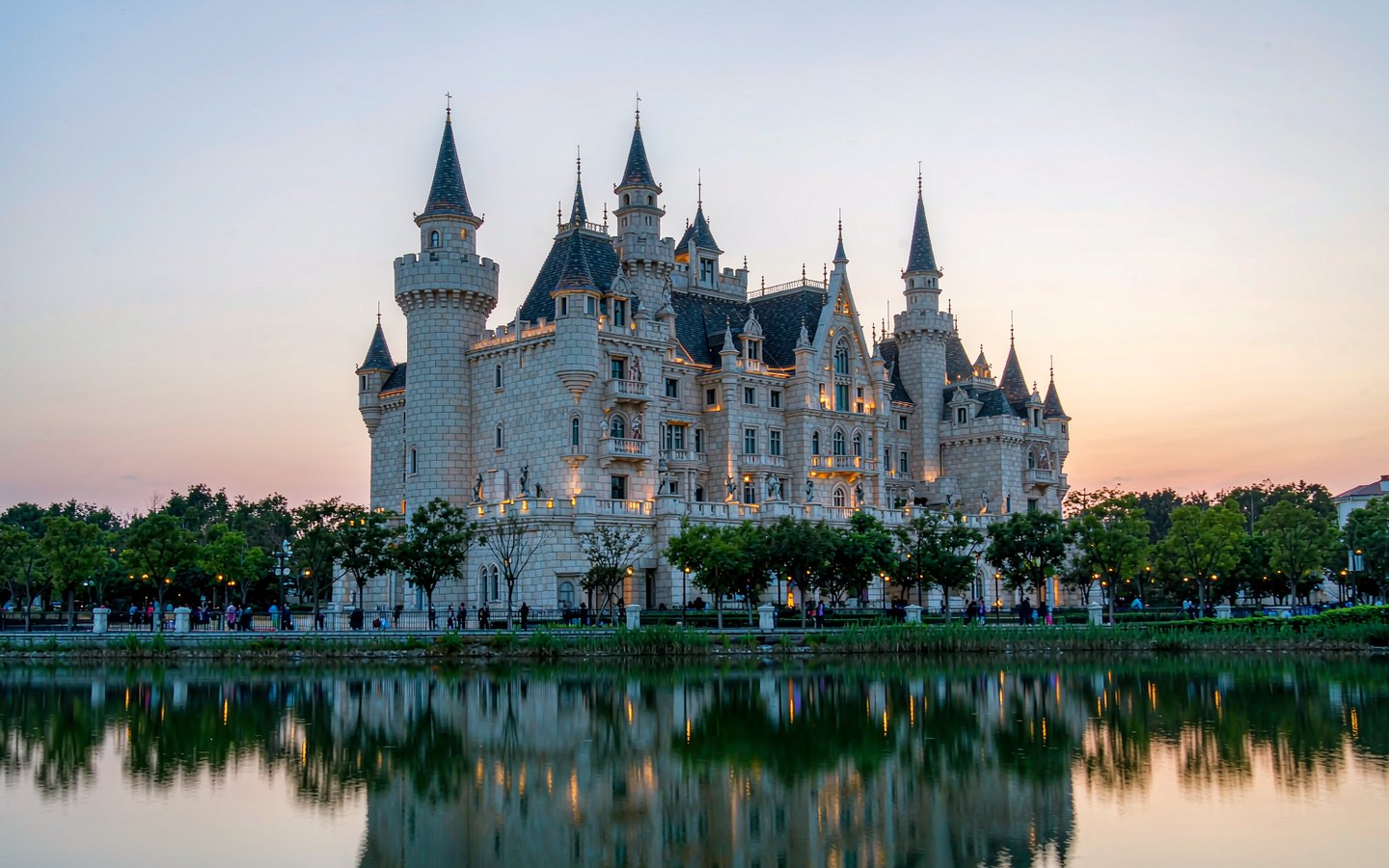
Fairy-tale castle across a lagoon with evening lights coming on

Shanghai Disneyland

China's most-visited theme park — 14.7 million guests in 2024, fifth worldwide — and home to the only Zootopia land on earth, which about a quarter of visitors say they came for alone. Budget a full day: metro line 11 takes roughly an hour from downtown each way. For couples or solo travellers without kids the value is weak, so treat it as an optional full day rather than squeezing it between half-day sights.

5 more spots worth seeing
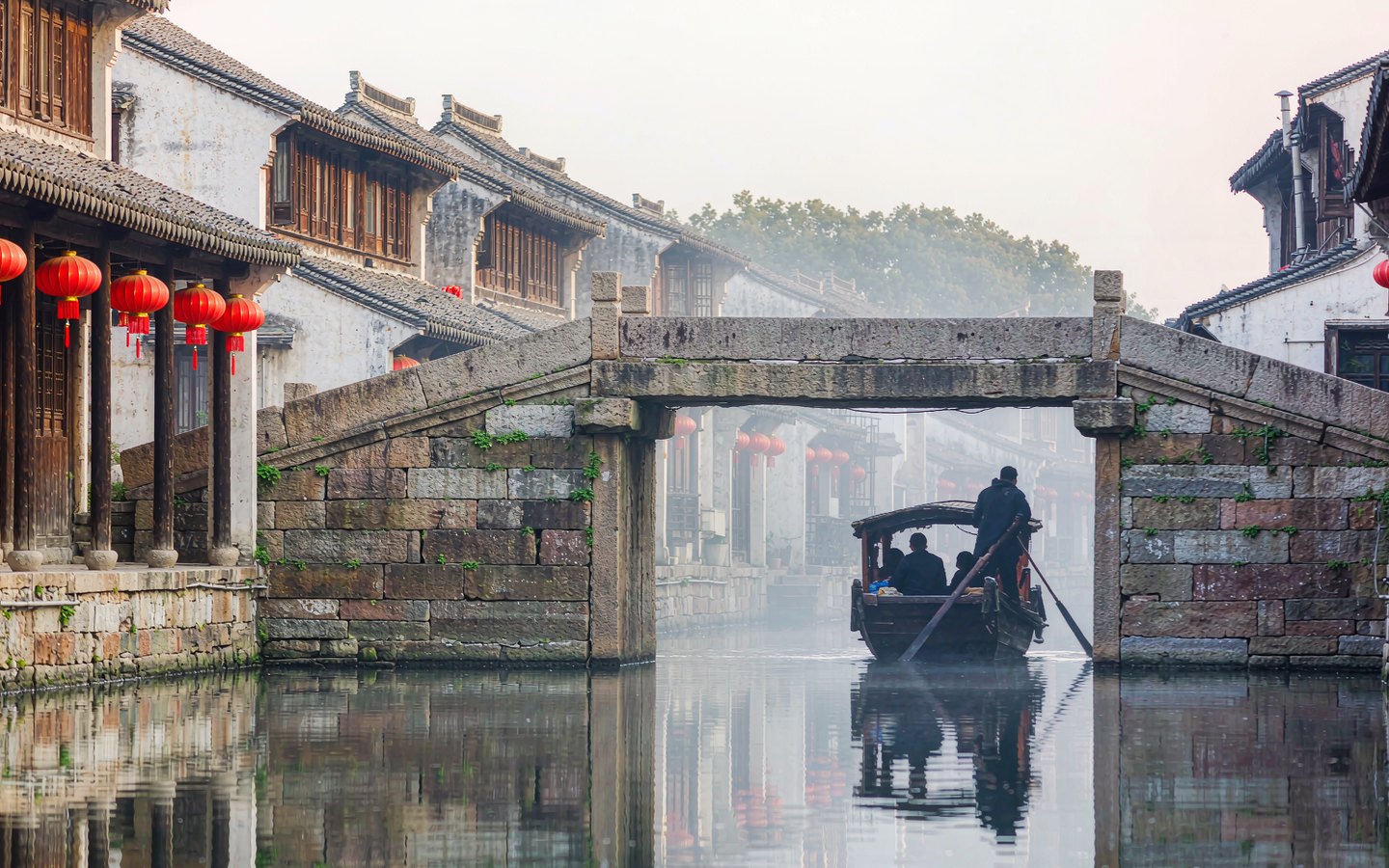
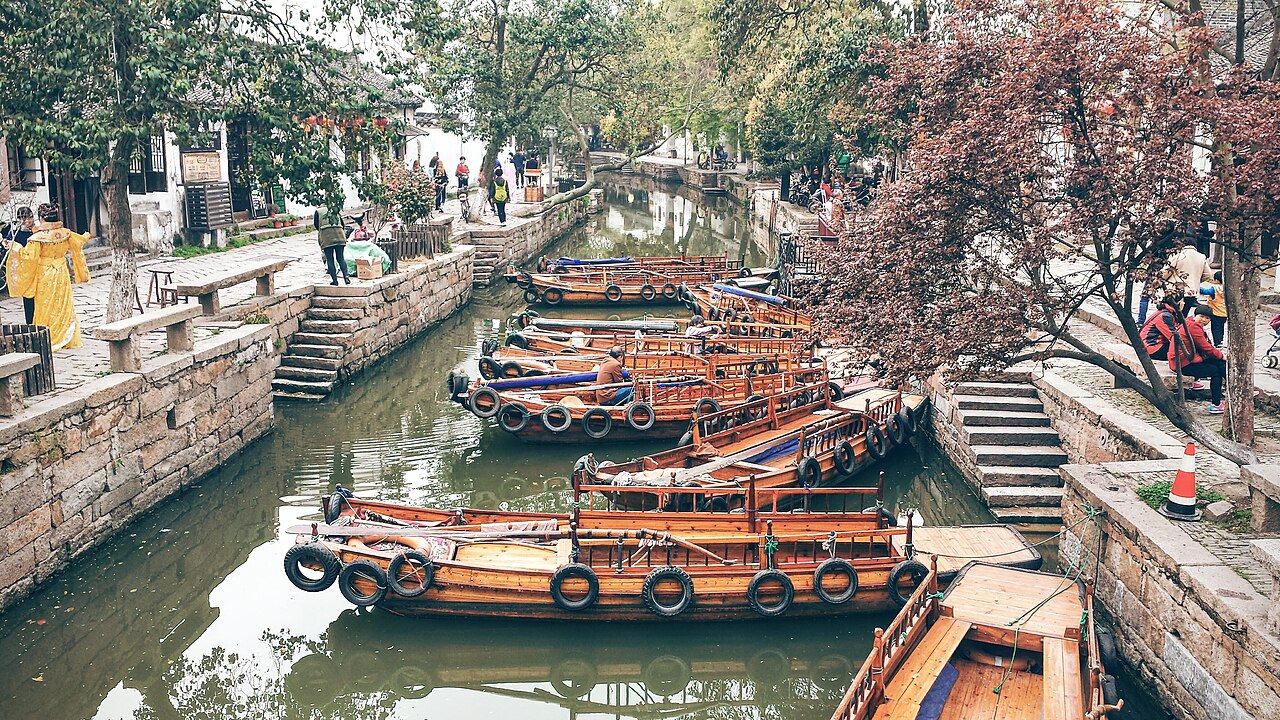
Stone arch bridge over a canal lined with old wooden houses

Zhujiajiao Water Town

Shanghai's most international-ready water town, an hour-plus from downtown on metro line 17 — it drew 2.27 million inbound visitors in 2025. The lanes are free; only three garden sights share a ¥60 combo ticket. Four-language signage, foreign-card POS and instant tax refunds make it the easiest Jiangnan water town to add to a Shanghai stay. Weekends are packed and North Street is heavily commercial — come early on a weekday.

View from a sky-high deck over twisting towers and a river bend at dusk

Shanghai Tower “Top of Shanghai” deck / Oriental Pearl Tower

Two tickets, two different views. Shanghai Tower's 118th-floor deck (546 m, ¥180) is reached by an 18 m/s lift in 55 seconds and is the only spot that looks down on all three Lujiazui towers at once; the Pearl's ¥199 two-sphere ticket is the only angle that frames the Bund without the Pearl itself in shot. Note that Shanghai Tower's 125th and 126th floors are currently closed for renovation.

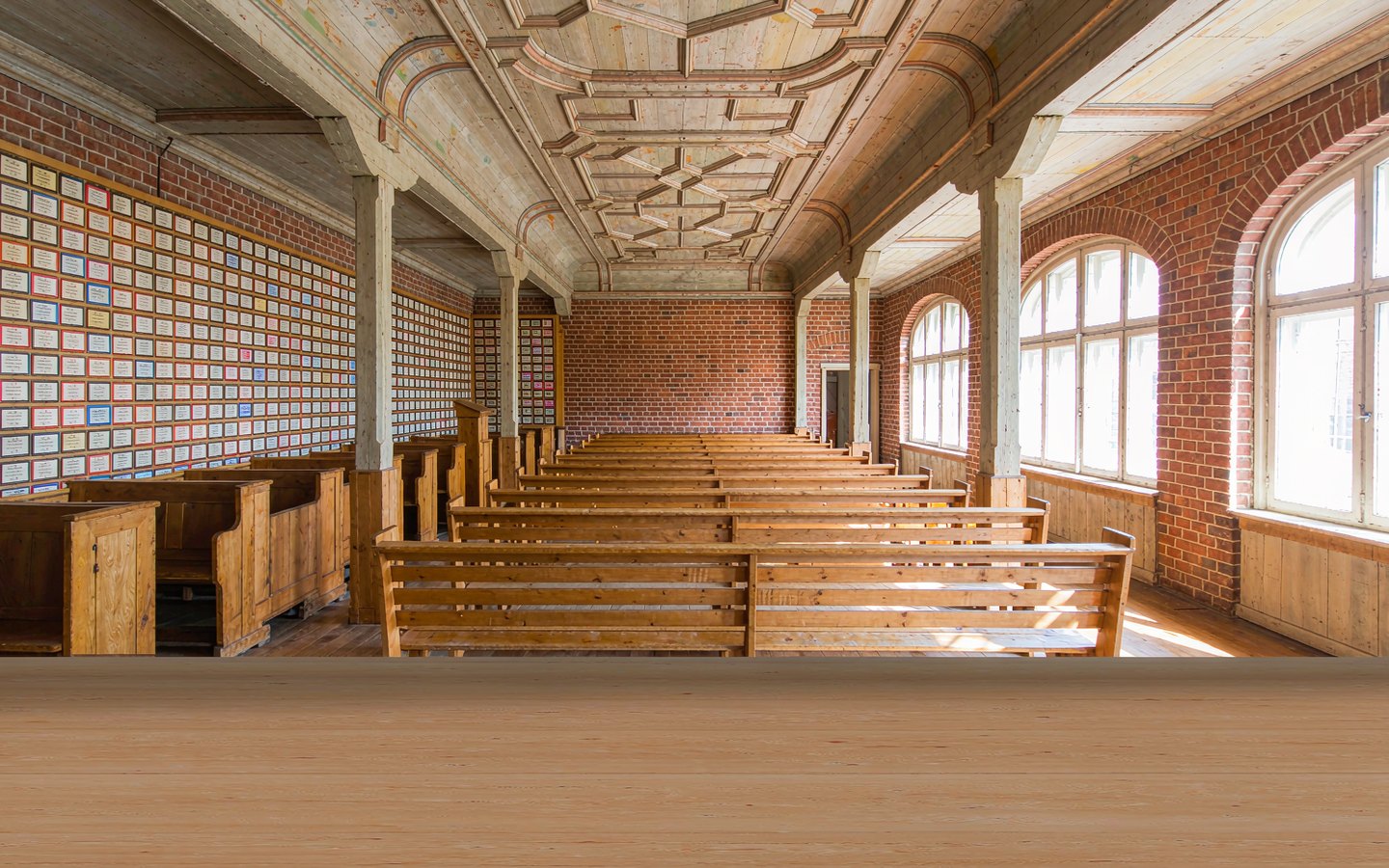
Restored brick synagogue interior with wooden benches and quiet light

Shanghai Jewish Refugees Museum

The 1927 Ohel Moshe synagogue and the most intact record of the roughly 20,000 European Jews Shanghai sheltered when it was one of the last visa-free ports on earth — many visitors find their own family names on the survivors' wall. ¥20, five minutes from Tilanqiao station (line 12), two hours is enough. Closed Mondays; displays are Chinese-first, so rent the audio guide. It's in Hongkou, off the Bund axis — give it a dedicated half-day.

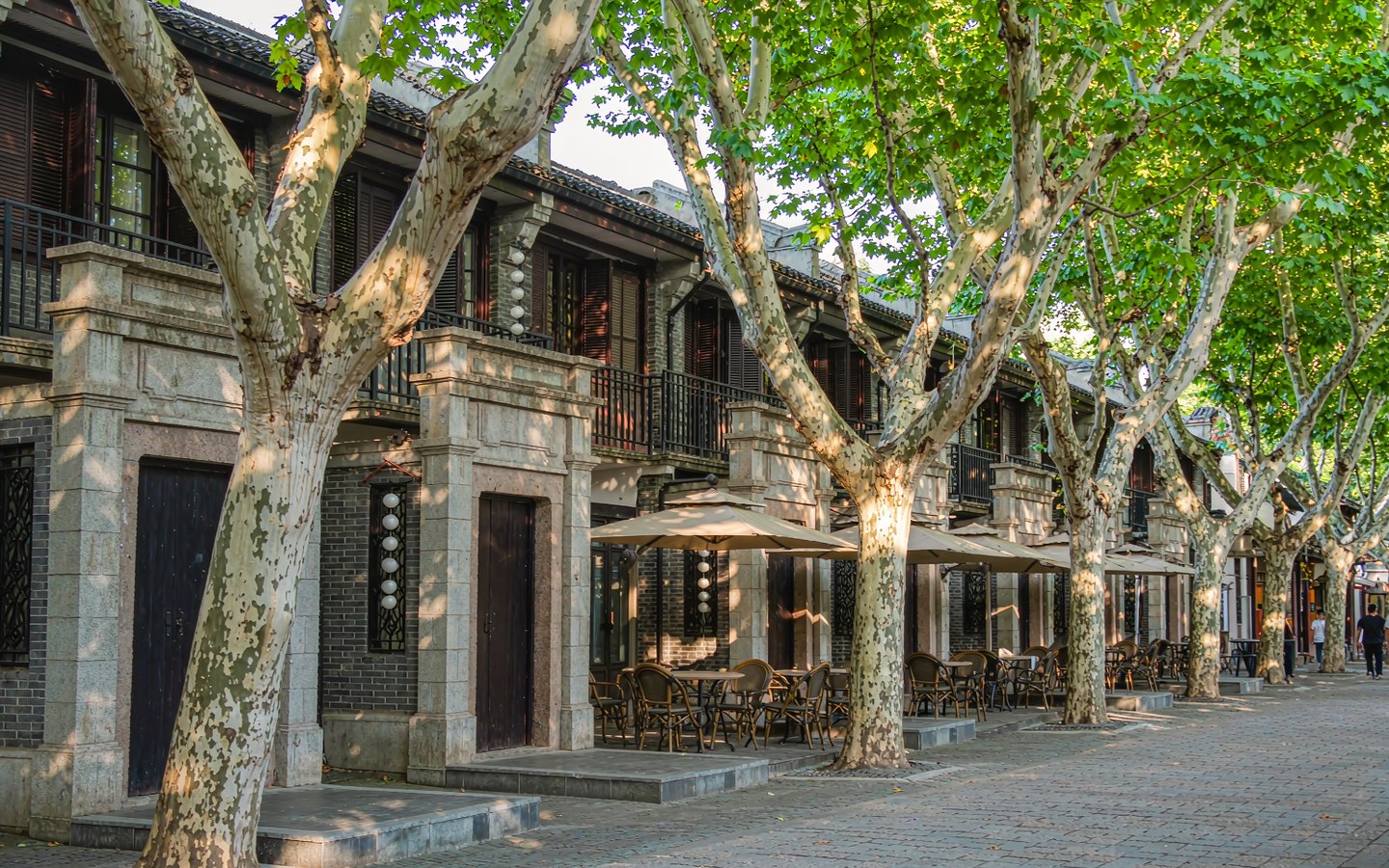
Grey-brick shikumen lanes with cafe terraces under plane trees

Xintiandi

The clearest single lesson in how Shanghai became Shanghai: a 2001 restoration that kept the shikumen brick shells — weathered grey walls, even old residents' chalk marks — while rebuilding the interiors with glass atriums and steel. Free, open all day, on metro lines 1/13, with the Site of the First CPC Congress across the street. Expect polished, high-end dining rather than old-Shanghai prices; the architecture is the point.

Plane-tree avenue with 1920s garden villas behind low walls

Hengfu Historic Area (the “plane-tree district” beyond Wukang Road)

The plane-tree district is far bigger than Wukang Road: a 775-hectare historic zone of 46 tree-lined streets — Sinan Mansions' 51 garden villas, Hengshan, Anfu and Fenyang roads, the Rong Zhai mansion. Wukang Road–Anfu Road alone sees 30–40,000 people a day past just 180 shopfronts. There's no ticket and no gate, so treat it as a wandering route rather than a sight; the official name is Hengfu, and locals don't call it the Concession.

Local cuisine

Where to stay

Since 2024 hotels are not supposed to turn away foreign guests for lack of a special licence, but some still do, mostly cheaper places away from the centre. Book somewhere that states it accepts foreign passports, and avoid arriving after midnight on the first night.

Getting around

Getting here

  • Maglev from Pudong (PVG)

    ¥50 one way, ¥40 on a same-day boarding pass · 8 minutes to Longyang Road, then Line 2 into town

  • Metro Line 2 from Pudong (PVG)

    about ¥8 and 75–90 minutes to People's Square — slow, but cheap and there is never a queue. Some trains terminate at Guanglan Road; if yours does, you change to the train waiting across the same platform. Check the terminus on the front of the train.

  • Hongqiao (SHA) by metro

    Lines 2 and 10 leave from under the terminals · about ¥5 and 30 minutes to People's Square

Pudong and Hongqiao are about 60 km apart. The Airport Link Line covers it in under 40 minutes for ¥26; Metro Line 2 takes about an hour and a half. Check which airport your ticket actually says before you pick a hotel or book a connection — the names are easy to skim past.

Local transport

  • 🚇

    Metro

    Twenty lines, ¥3–10 by distance, every station signed and announced in English. Tap a contactless Visa, Mastercard, Amex or JCB straight at the gate.

  • 🚕

    Taxi & DiDi

    ¥14–16 for the first 3 km, more between 23:00 and 05:00. DiDi has an English app, which solves the problem of saying an address.

  • ⛴

    Huangpu ferry

    ¥2 from Jinling Road to Dongchang Road, about five minutes across. First boat around 7:15, last around 18:30 — a daytime crossing, not a way home from the Bund after dark. The cheapest view in Shanghai.

Last metro trains go between roughly 22:30 and 23:30 depending on the line. That is earlier than the city feels, so if you are out on the Bund for the lights, check the time back or plan on a taxi.

What's on

Recommended routes

All routes →

FAQs

What is the best time of year to visit Shanghai?

Late March to May, and October to November. Spring is mild as the plane trees come out; autumn gives the Hengfu district — Wukang Road and its neighbours — its best light and the city its most walkable weather. High summer is hot, sticky and busy with domestic school holidays, and winter is grey and damp-cold but quieter. The Bund works in every month, and it is best at either end of the day.

How many days should I give Shanghai?

Two to three days covers the core: the Bund and Lujiazui, Yu Garden and the old town, and the lanes of the former French Concession. Add a full day for Disneyland or half a day for Zhujiajiao and three to four days is comfortable — this city’s own itineraries are built at three days and at four. Five is the length that also takes in Hangzhou and Suzhou by train.

Is the metro the best way to get around?

Almost always: twenty lines, ¥3–10 by distance, and every station signed and announced in English. Tap a contactless Visa, Mastercard, Amex or JCB straight at the gate — there is no ticket to buy. Last trains run between roughly 22:30 and 23:30 depending on the line, earlier than the city feels, so if you are out on the Bund for the lights check the way back or plan on a taxi (¥14–16 for the first 3 km, more after 23:00). The ¥2 Jinling Road ferry is the cheapest crossing, but it stops around 18:30.

When is the best time to see the Bund?

Either end of the day. It is free and never closed, and before eight in the morning it is nearly empty — 1920s facades in flat light and the promenade almost to yourself. Come back at dusk for the moment the Pudong towers come on, and stay for the skyline. A weekday evening is far quieter than a Saturday. East Nanjing Road on Lines 2 and 10 leaves you a five to ten minute walk from the water.

Is Shanghai Disneyland worth a day, and how do I do it?

Budget the whole day, not an afternoon: metro Line 11 takes about an hour each way from downtown. It is China’s most-visited park — 14.7 million guests in 2024, fifth in the world — and the only one with a Zootopia land. Go on a weekday rather than a weekend. If you are travelling as a couple or alone without children, treat it as an optional extra: the same day spent in Puxi buys more of what you came to Shanghai for.

Where should I eat xiaolongbao — and how?

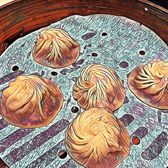
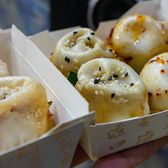
Nanxiang Mantou Dian in Yu Garden is the original, and the queue has been there since 1900; the upstairs dining rooms move much faster than the street window. Eat them off a spoon: lift one gently, bite a small opening at the top, sip the soup, then dip in ginger vinegar — the soup is scalding and a whole dumpling is a mistake. For the same soup without the wait, shengjian buns are the breakfast version (the good shops sell out by mid-morning), and benbang braised pork is the sit-down order.

Where is worth shopping in Shanghai?

Nanjing Road for the spectacle — walk the pedestrian street once between the Bund and People’s Square, then leave it to the crowds. For browsing worth the time: Xintiandi (Lines 1 and 13) and Tianzifang (Line 9), 1930s shikumen lanes turned into shops, studios and bars; both are free, open late, and an hour is enough in each. The Hengfu plane-tree district is where the small independent shops are. Zhujiajiao, an hour-plus out on Line 17, is the water town set up for foreign cards and instant tax refunds.

Which part of Shanghai should I stay in?

The Bund and East Nanjing Road if you want to walk to the river at any hour — ¥600–2,500 a night, and the loudest, most touristed part of the city. The former French Concession (Xuhui and Huaihai Road) for the lanes and small restaurants, ¥450–2,000, though the metro stations sit further apart than the map suggests. Jing’an is the practical compromise — Line 2 runs from here to both airports and to the Bund — at ¥400–1,500. Lujiazui (¥700–3,000) buys a high floor and the view back at the Bund, but the district empties after office hours. Since 2024 hotels are not supposed to refuse foreign guests for lack of a licence, but some cheaper places still do: book somewhere that states it takes foreign passports.

What does a day in Shanghai cost?

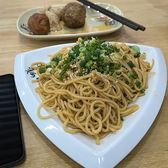
Where you sleep decides it. Rooms run ¥400–1,500 in Jing’an, ¥450–2,000 in the former French Concession, ¥600–2,500 at the Bund and ¥700–3,000 in Lujiazui. Everything else is small: metro ¥3–10, a taxi ¥14–16 for the first 3 km, the Jinling Road ferry ¥2, a bowl of scallion-oil noodles about ¥15. Sightseeing is the cheapest part of the day — the Bund and the Shanghai Museum are free, Yu Garden is ¥30–40 and the Shanghai Tower observation deck ¥180.

Will I manage in Shanghai without Chinese?

More easily than almost anywhere else in China. Every metro station is signed and announced in English, and lines 2, 10 and 11 between them reach nearly everything a visitor wants to see. Younger staff in hotels, cafés and shops generally speak some English. DiDi’s English app solves the one genuinely hard task, which is telling a driver an address. Nothing here depends on Shanghainese — locals speak Mandarin to visitors, and the dialect is a language of its own rather than an accent.

What is the difference between Pudong and Puxi?

The Huangpu River splits the city into Puxi, the west bank, and Pudong, the east. Puxi holds the Bund, Yu Garden, Nanjing Road, Xintiandi, Tianzifang and the Hengfu plane-tree district — the 1920s stone and shikumen lanes that people mean by old Shanghai. Pudong holds Lujiazui, where Shanghai Tower, the Jin Mao and the World Financial Center stand in one group, plus the East branch of the Shanghai Museum and Disneyland further out. Cross both ways at least once — the ¥2 Jinling Road ferry costs less than any observation deck — and the two halves stop feeling like separate cities.

What is worth a day trip from Shanghai?

Suzhou, about 21 minutes by train, for the classical gardens — book the Humble Administrator’s Garden online, one to seven days ahead, in the name on your passport, and note the Suzhou Museum is free but capped and closed on Mondays. Hangzhou is roughly 45 minutes, for West Lake and the hills behind it. Zhujiajiao, an hour-plus on metro Line 17, is the closest water town and half a day at most. One day out of the city is the best single addition to a Shanghai trip.

How do I get from Pudong airport to the city centre?

The Maglev: 8 minutes to Longyang Road for ¥50, or ¥40 on a same-day boarding pass, and it connects to Metro Line 2. Line 2 the whole way to People’s Square is about ¥8 and 75–90 minutes; some trains terminate at Guanglan Road, where you change to the train waiting across the same platform — check the terminus on the front of the train. A DiDi is around ¥160. If your ticket says Hongqiao instead, Lines 2 and 10 leave from under the terminals and reach People’s Square in about 30 minutes for ¥5. The two airports are 60 km apart, so check the name on the ticket first.