
Shenzhen–Surabaya direct flight: small route, big pattern
On 15 September 2026, China Southern flew the first direct service between Shenzhen and Surabaya, Indonesia's second city — two flights a week on an A321, replacing a journey that used to mean a Jakarta layover. By itself it is a footnote. Read together with a doubled Jakarta service, a new through-check-in scheme and Indonesia's place on the 240-hour transit visa-free list, it is a sign of how quickly the South China–Southeast Asia corridor is thickening.
The route, in numbers
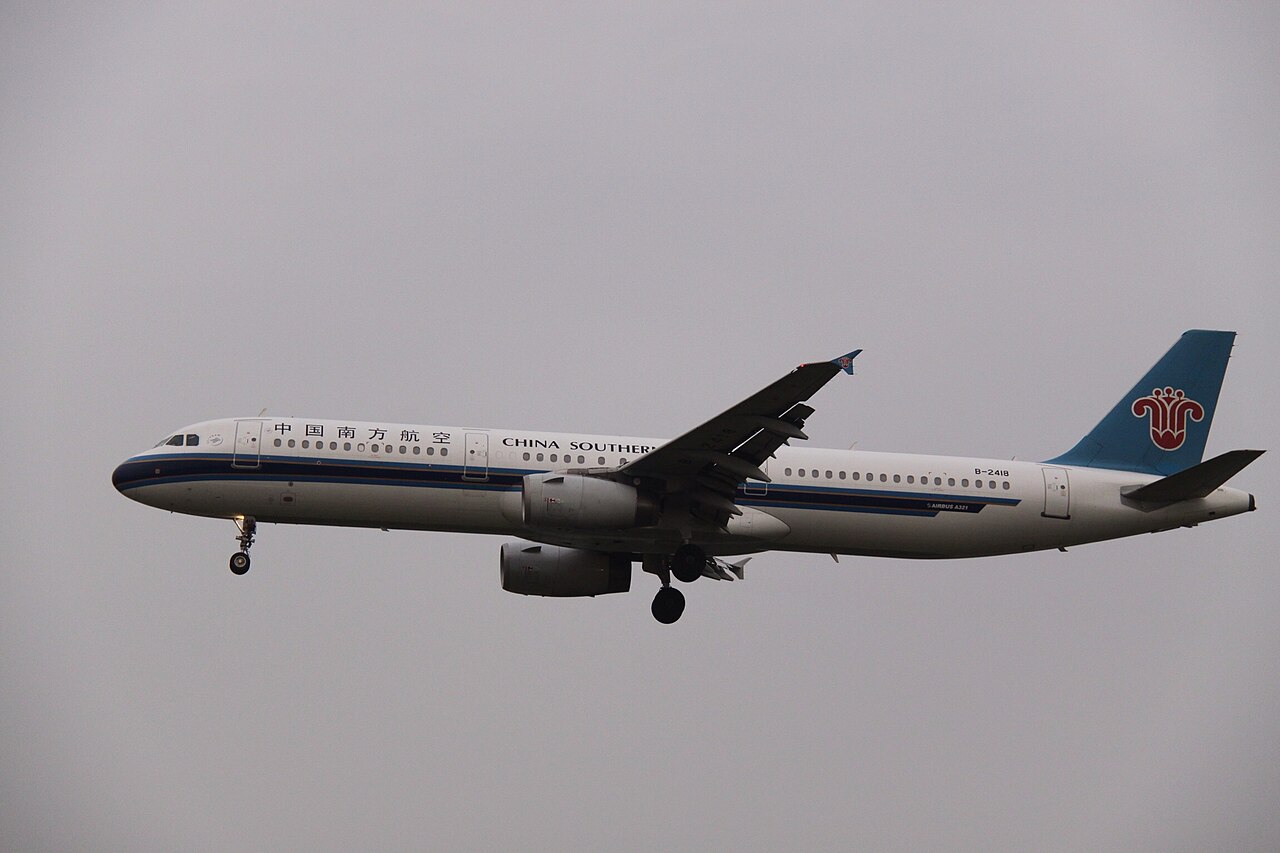
China Southern's CZ8341 leaves Shenzhen Bao'an International Airport at 16:45 and lands at Surabaya's Juanda International Airport at 21:00 local time — about five and a quarter hours with the one-hour time change. The return, CZ8342, is a red-eye: out of Surabaya at 22:30, into Shenzhen at 05:00 the next morning. The service runs twice a week, Tuesdays and Saturdays, on an Airbus A321, and tickets are already on sale across the usual channels.
Until 15 September there was no direct option. Travellers between Shenzhen and Surabaya routed through Jakarta — adding a transfer, a second security screening and typically several hours to an already long day. The new link removes the layover entirely and gives East Java a straight line into the Greater Bay Area.
Not one route but a corridor
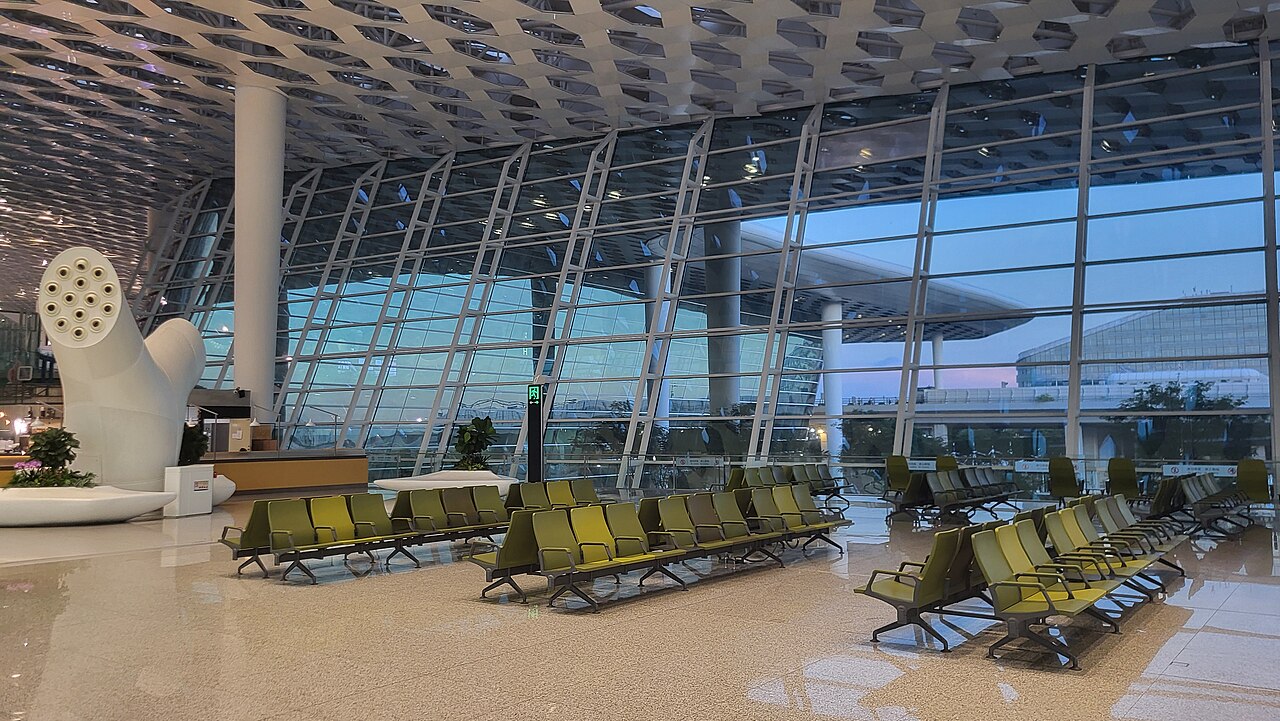
The Surabaya launch did not arrive alone. Since 15 July, China Southern has flown Shenzhen–Jakarta twice daily, adding a night pair (CZ8055/56) to what was a single daily rotation. And since 7 July, all of the airline's international arrivals connecting through Shenzhen have been eligible for through check-in — bags checked to the final destination, no re-check mid-journey. Taken together: more capacity on the trunk route, a brand-new spoke into eastern Indonesia, and less friction for anyone connecting onward.
The timing is not accidental. Shenzhen hosts APEC meetings in 2026, and Surabaya — Indonesia's second-largest city and the commercial capital of East Java — is itself a regular host of APEC working-level sessions. China Southern frames the route as part of building the city's web of links to Asia-Pacific economies; the trade and conference traffic is the point as much as the leisure traffic.
The corridor runs both ways
The aircraft are not flying empty in either direction. In the same week the Surabaya route launched, Thailand's tourism authority opened "Nihao Month 2026", its third annual Golden Week campaign for the Chinese market, and projected about 250,000 Chinese arrivals between 25 September and 7 October — up 24% year on year and worth an estimated 11.5 billion baht. Forward bookings to Thailand for October are up 16%, flight searches from China are up 24%, and six new China–Thailand direct routes have been added for the autumn. One telling detail: with the "three days off, thirteen days free" holiday arithmetic, the authority expects the average Chinese stay to stretch from eight nights to thirteen.
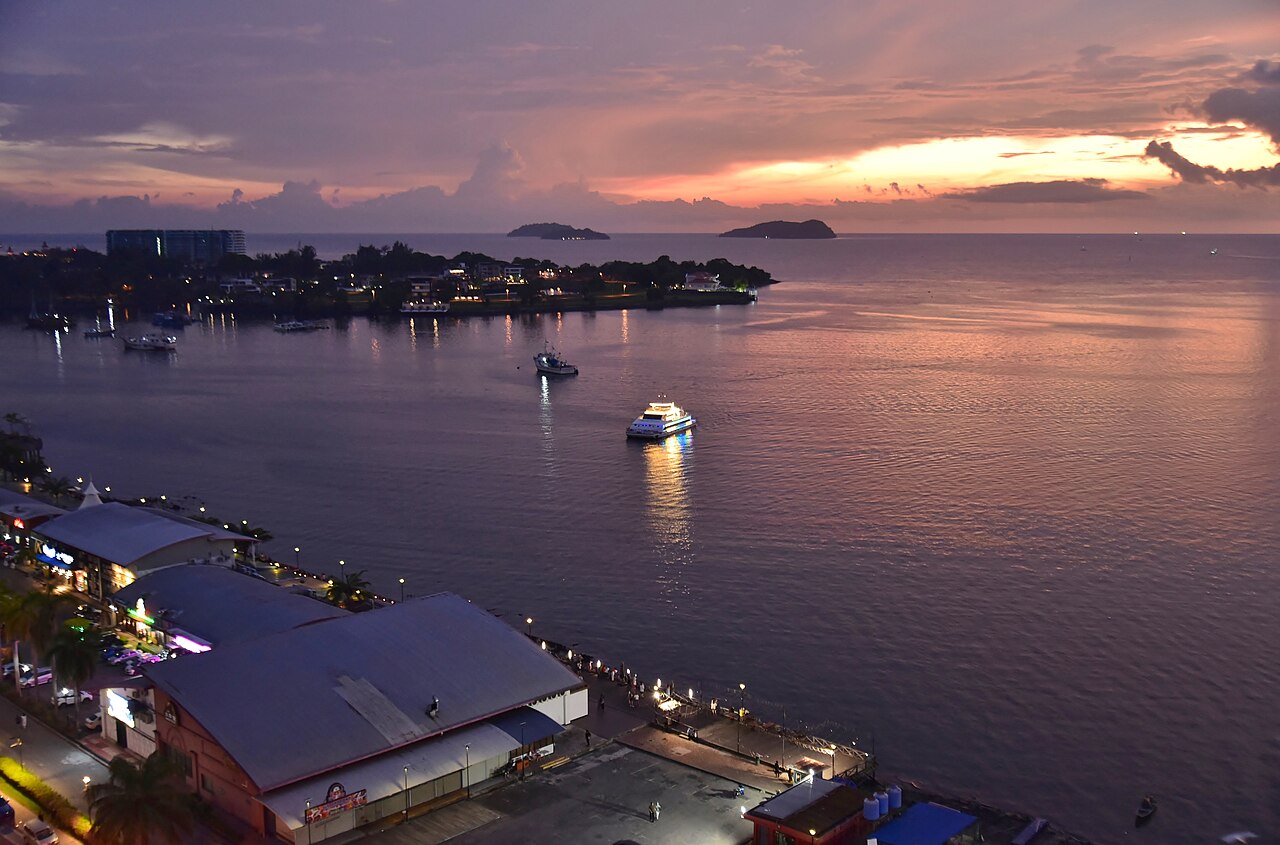
Malaysia tells the same story one seat-row over. Sabah received 484,699 visitors from China in the first seven months of 2026 — up 25.5% on the same period of 2025, and the state's largest international market. Xiamen Airlines resumes its Xiamen–Kota Kinabalu service on 23 September: four flights a week, joining three from Fuzhou for seven direct Fujian–Sabah links. Spring Airlines has flown Shanghai–Kota Kinabalu daily since January.
For travellers from outside the region, the significance is itineraries. A dense two-way mesh between China and Southeast Asia means one trip can pair a China leg with Thailand, Malaysia or Indonesia without backtracking through a distant hub — and for Southeast Asian passport holders heading the other way, the 240-hour transit visa-free scheme turns the return leg into a China stopover in its own right.
What it means if you are based in Indonesia
For Indonesian travellers this is the practical part. Since 12 June 2025, Indonesian passport holders are on China's 240-hour transit visa-free list — 57 countries as of August 2026. Flying Surabaya→Shenzhen→a third country or region, you can enter China without a visa and spend up to ten days in the permitted region, which is more than enough for Shenzhen, the wider Greater Bay Area and a side trip or two. Indonesians are also on the Hainan 30-day visa-free list, a separate scheme worth knowing if the island is the actual destination.
The overnight return is well shaped for this: land in Shenzhen at 05:00, clear the border as the airport wakes up, and have a full first day. The outbound 16:45 departure is equally forgiving — no dawn check-in at Juanda.
And if you are heading the other way
For China-based travellers, the route opens East Java properly. Surabaya is the jumping-off point for Mount Bromo's sunrise caldera, the Ijen crater's blue fire, and the Tumpak Sewu waterfall — a circuit that previously meant connecting through Jakarta or Bali. Twice-weekly is thin, so the Tuesday/Saturday rhythm rewards planning a 4- or 7-night trip around it.

Worth knowing. Twice-weekly routes are the first to be adjusted when schedules change. The times here are the inaugural schedule, checked on 18 September 2026; reconfirm close to departure, and do not build tight same-day connections off a route that flies only on Tuesdays and Saturdays.
Frequently asked questions
Which days does the Shenzhen–Surabaya flight operate?
Tuesdays and Saturdays. CZ8341 leaves Shenzhen at 16:45, arriving 21:00 local; CZ8342 leaves Surabaya at 22:30, landing in Shenzhen at 05:00 the next day. All times local, and subject to schedule changes.
Do Indonesian citizens need a visa for China?
Not necessarily. Since June 2025, Indonesians transiting to a third country or region can use the 240-hour (ten-day) transit visa-free scheme. Indonesians are also eligible for Hainan's 30-day visa-free entry. A full visit beyond those bounds still needs a visa.
How long is the flight?
About five hours fifteen minutes eastbound, with a one-hour time difference (Surabaya is one hour behind Shenzhen).
Can I connect onward at Shenzhen?
Yes — since 7 July 2026, China Southern's international arrivals connecting through Shenzhen get through check-in, with bags tagged to the final destination. Leave generous buffers on a twice-weekly route.