
China's record cruise week, and the visa-free rule behind it
In the third week of September 2026, the cruise terminal in Tianjin logged its busiest single day of the year while, 1,800 kilometres south, China's first homegrown mega-ship tied up in Shenzhen at the end of its summer season. The two stories are one story: cruising into China is getting easier, and the mechanism doing the work is a 15-day visa-free rule most foreign travellers have never heard of.
Two ports, one record week
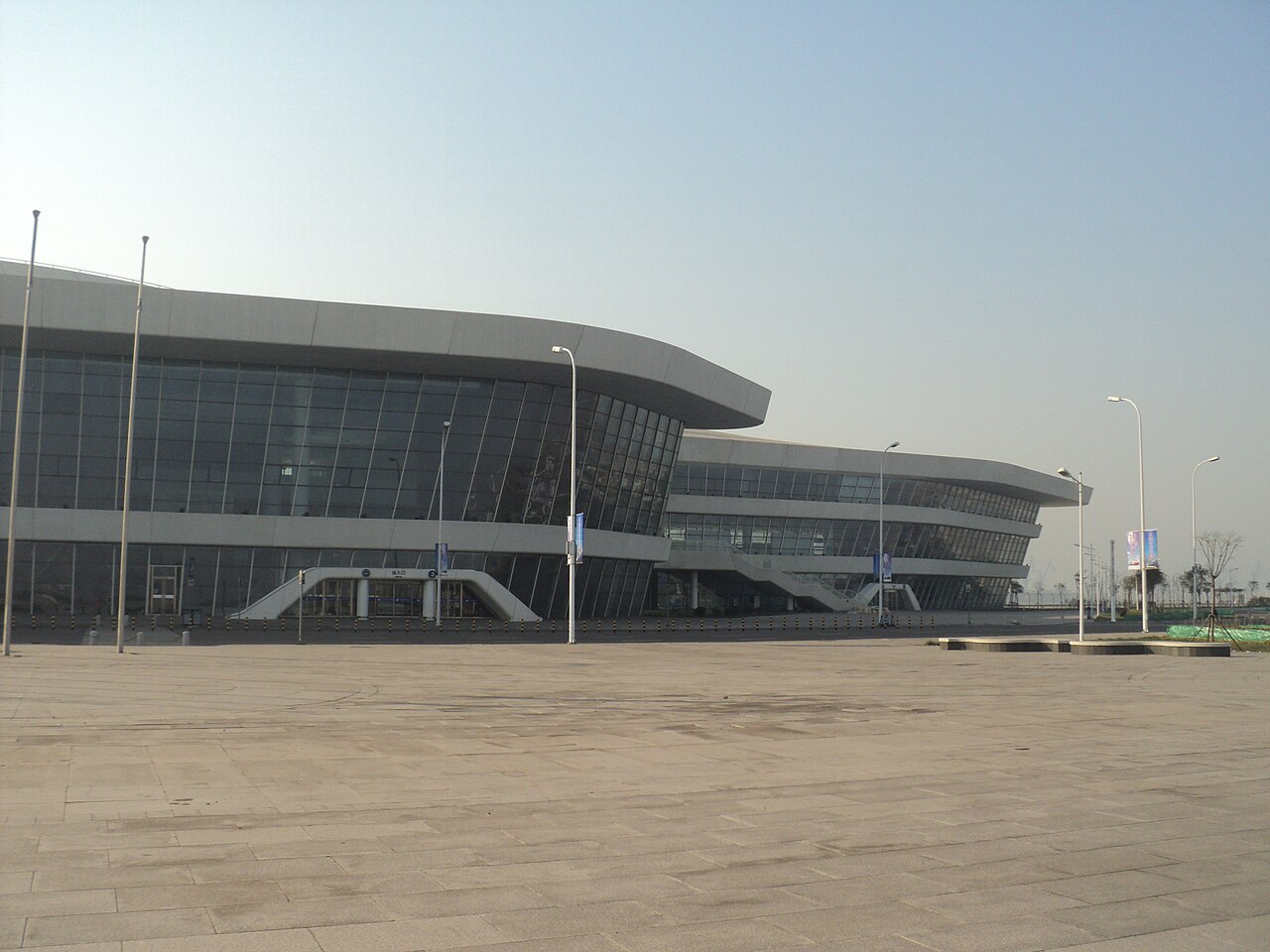
Start in the north. On the morning of 17 September, the cruise ship Lixiang (理想号) eased into the Tianjin International Cruise Home Port with more than 2,700 passengers aboard. By 5 p.m. it had sailed again — full, with over 3,000 passengers beginning a six-day, five-night itinerary. Close to 6,000 travellers cleared the port in a single day, a 2026 record for the Tianjin cruise terminal, according to the Dongjiang border inspection station.
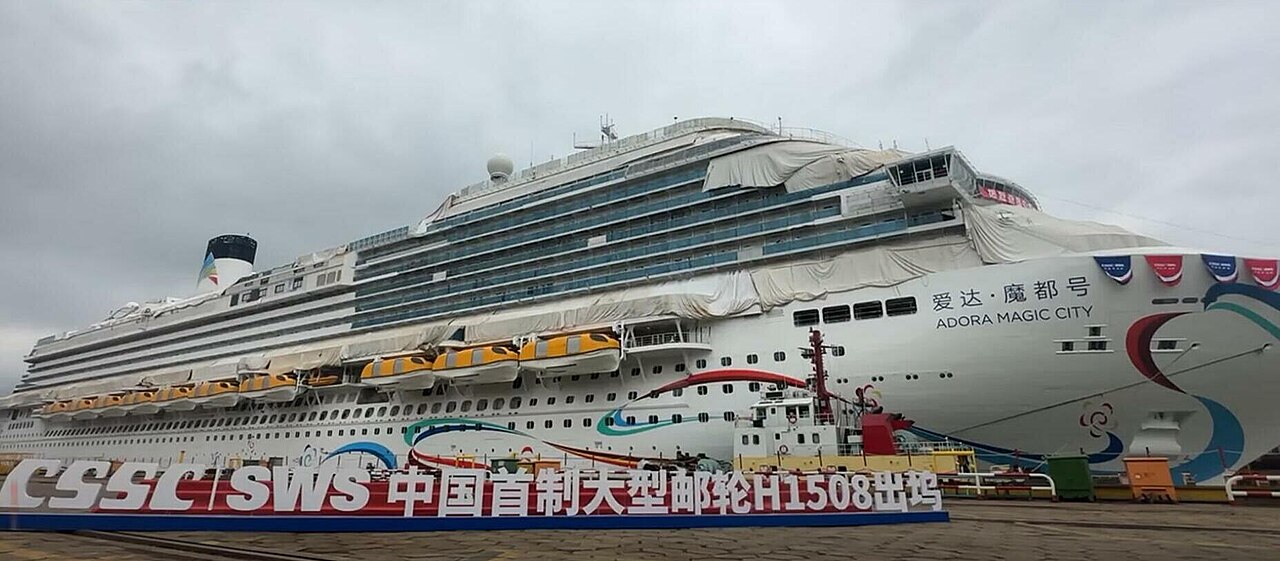
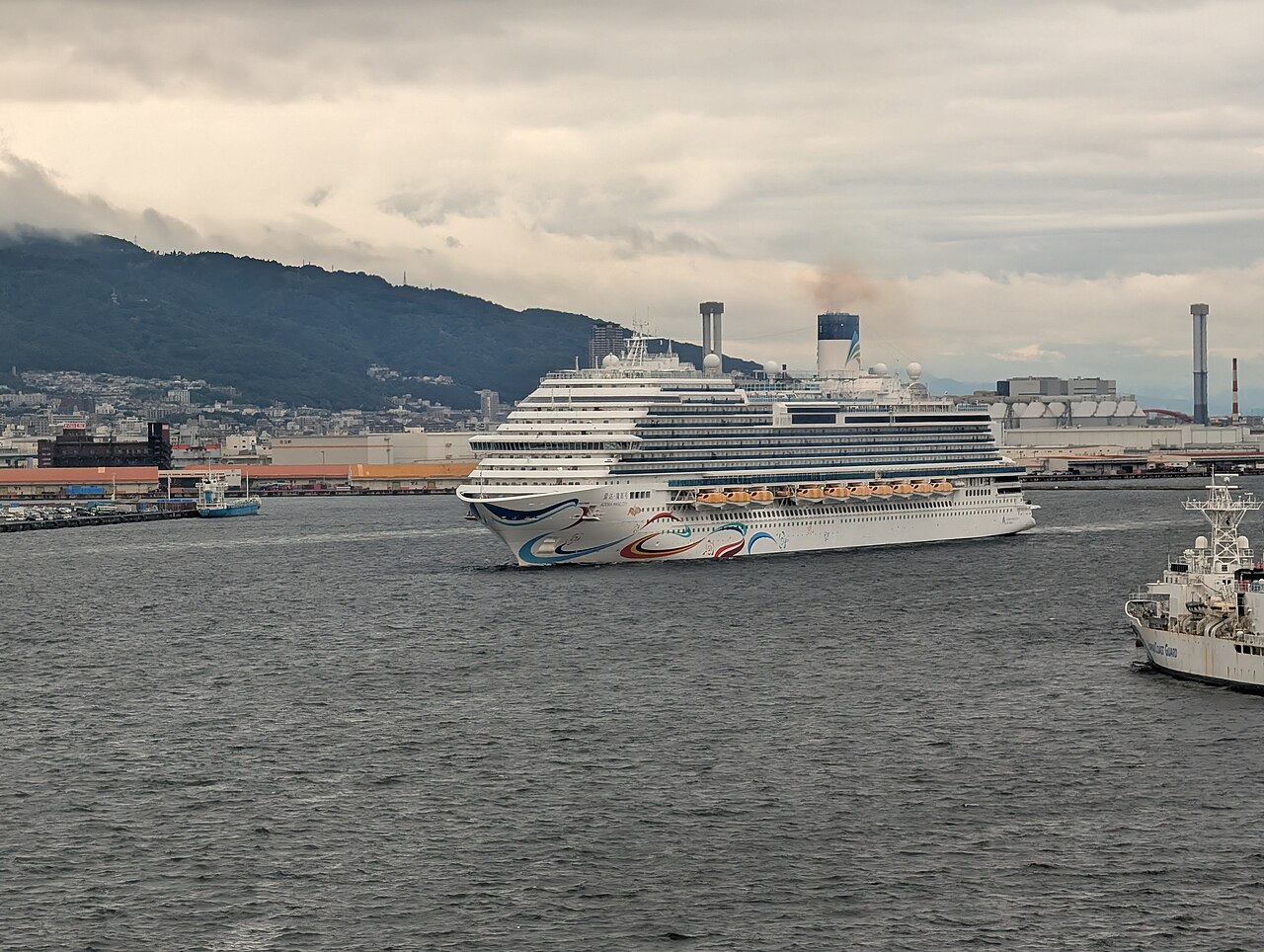
The day before, at the opposite end of the coast, the Adora Magic City docked at the Shenzhen International Cruise Home Port in Shekou and closed out its summer season. China's first domestically built large cruise ship had spent the summer based in Shenzhen, running international routes to Hue and Nha Trang in Vietnam, Kota Kinabalu in Malaysia and Jeju in South Korea: six sailings, 48,000 passenger trips. The holiday calendar is already loaded — over the Mid-Autumn and National Day break, the Dream (梦想号) is scheduled for six more sailings from Shenzhen, stringing together Malaysia, Brunei, Singapore and Vietnam.
The rule doing the heavy lifting
Neither of these stories works without a policy change that took effect on 15 May 2024. That day, the National Immigration Administration extended a Shanghai pilot nationwide: foreign tour groups of two or more people, travelling on a cruise and received by a Chinese travel agency, can now enter visa-free at 13 coastal cruise ports — Tianjin, Dalian, Shanghai, Lianyungang, Wenzhou and Zhoushan, Xiamen, Qingdao, Guangzhou and Shenzhen, Beihai, Haikou and Sanya — and stay up to 15 days.
The conditions matter more than the headline:
- You must stay with your ship. The group enters, moves and leaves on the same cruise. It is not a general visa waiver.
- Your range is the coastal provinces plus Beijing. That covers the classic add-ons — Beijing from Tianjin, the Greater Bay Area from Shenzhen — but not, say, Xi'an or Chengdu.
- A Chinese agency has to receive the group. In practice the cruise line or its local partner handles this; independent travellers cannot self-organise it.
The same announcement folded seven smaller cruise ports — Dalian, Lianyungang, Wenzhou, Zhoushan, Guangzhou, Shenzhen and Beihai — into the transit visa-free system, which is the better fit if you are flying in and cruising out, or vice versa.
Worth knowing. The 15-day cruise rule and the 240-hour transit visa-free policy solve different problems. Cruise passengers touring with their ship use the first; travellers combining a flight and a few independent days use the second. Mixing them up is the most common planning error we see.
Why the ships suddenly matter
The Adora Magic City is not just another hull. Delivered by Shanghai Waigaoqiao Shipbuilding and in service since January 2024, it is 323 metres of proof that China now builds, as well as boards, mega-ships — 135,500 gross tonnes and up to 5,246 passengers. Its Shenzhen summer is part of a deliberate spread south: Shenzhen's home port is the country's first integrated sea-and-air cruise hub, able to berth ships of up to 220,000 tonnes, and port officials say they are using the 2026 APEC year in China to pitch more Southeast Asian itineraries. The autumn Dream sailings to four APEC economies are the first visible result.
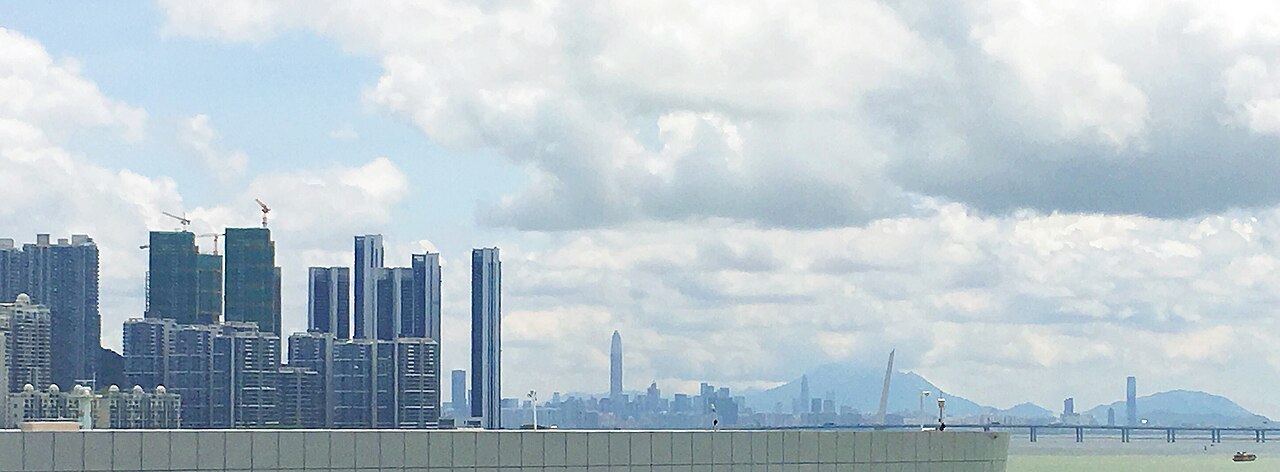
For a foreign traveller the practical effect is choice. Five years ago a China cruise almost always meant Shanghai. Now there is a northern hub at Tianjin — 170 km from Beijing, the natural gateway for the capital — and a southern one at Shenzhen, surrounded by the food and nightlife of the Greater Bay Area.
Faster at the border
Record numbers only work if the queue moves. Both ports spent this week showing off how. At Shekou, customs says it pre-mapped passenger peaks, opened a dedicated cruise channel on the mezzanine level and used smart screening on luggage, cutting average clearance from 45 minutes to 15. At Tianjin, the Dongjiang border inspection station co-ordinated berth times with the terminal and cruise line in advance, opened every inspection lane, added floor staff to shepherd passengers, and ran special channels for elderly travellers and those with limited mobility.
None of this is glamorous, and all of it is the point. Visa rules decide whether you can come; fifteen-minute clearance decides whether you would come back.
If you are planning a China cruise
- Pick your gateway by what you want ashore. Tianjin for Beijing and the Great Wall; Shenzhen for the Greater Bay Area and warm-weather Southeast Asia routes; Shanghai for the Yangtze delta.
- Visa-free is for the group itinerary. Want to peel off for three days in Xi'an afterwards? That needs a visa or a transit-visa-free play — plan it before you book, not at the gangway.
- Watch the holiday calendar. The autumn sailings are timed to China's Mid-Autumn and National Day holidays, when domestic demand peaks. Book early, and expect full ships like the Lixiang's record day.
- Recheck the rules before you sail. Entry policies have been changing roughly every few months since 2023. The sources below are dated; treat them as a snapshot.
Frequently asked questions
Do I need a visa to take a cruise to China?
If you join a cruise tour group (two or more people) received by a Chinese travel agency, you can enter visa-free at 13 coastal ports for up to 15 days, staying with your ship. Independent travel beyond that needs a visa or the 240-hour transit visa-free scheme.
Can I leave the ship and explore on my own?
Within the group framework, yes for the coastal provinces and Beijing during port calls — but you rejoin the same ship and leave China with it. It is not a hop-on, hop-off arrangement.
Which Chinese cities have cruise ports open to the visa-free scheme?
Thirteen: Tianjin, Dalian, Shanghai, Lianyungang, Wenzhou, Zhoushan, Xiamen, Qingdao, Guangzhou, Shenzhen, Beihai, Haikou and Sanya.
Is the Adora Magic City open to international passengers?
It sails international routes — Vietnam, Malaysia, South Korea among them this summer — and books through normal cruise channels. Sailings are Chinese-market in flavour, which is part of the appeal.