Wuhan ● CITY TOUR BOARD

Wuhan 武汉

Central China's river giant: cherry blossoms in spring, a legendary tower, and the country's most serious breakfast culture.

Introduction

Wuhan is three old towns — Wuchang, Hankou and Hanyang — fused into one megacity where the Yangtze meets the Han River. It was the seat of the ancient Chu kingdom, the flashpoint of the 1911 revolution that ended imperial China, and today a high-speed rail crossroads roughly four hours from both Beijing and Shanghai. What survives for the traveler is the Yellow Crane Tower above the river, the Chu bronzes and chime bells of the Hubei Provincial Museum, the vast East Lake, and Hankou's concession-era riverside. The real reason to linger is guozao (过早), the city's dawn breakfast ritual of hot dry noodles and doupi eaten standing at street counters. Two to three days covers it well; add a day in late March for cherry blossom season.

Travel highlights

Yellow Crane Tower and the Yangtze waterfront

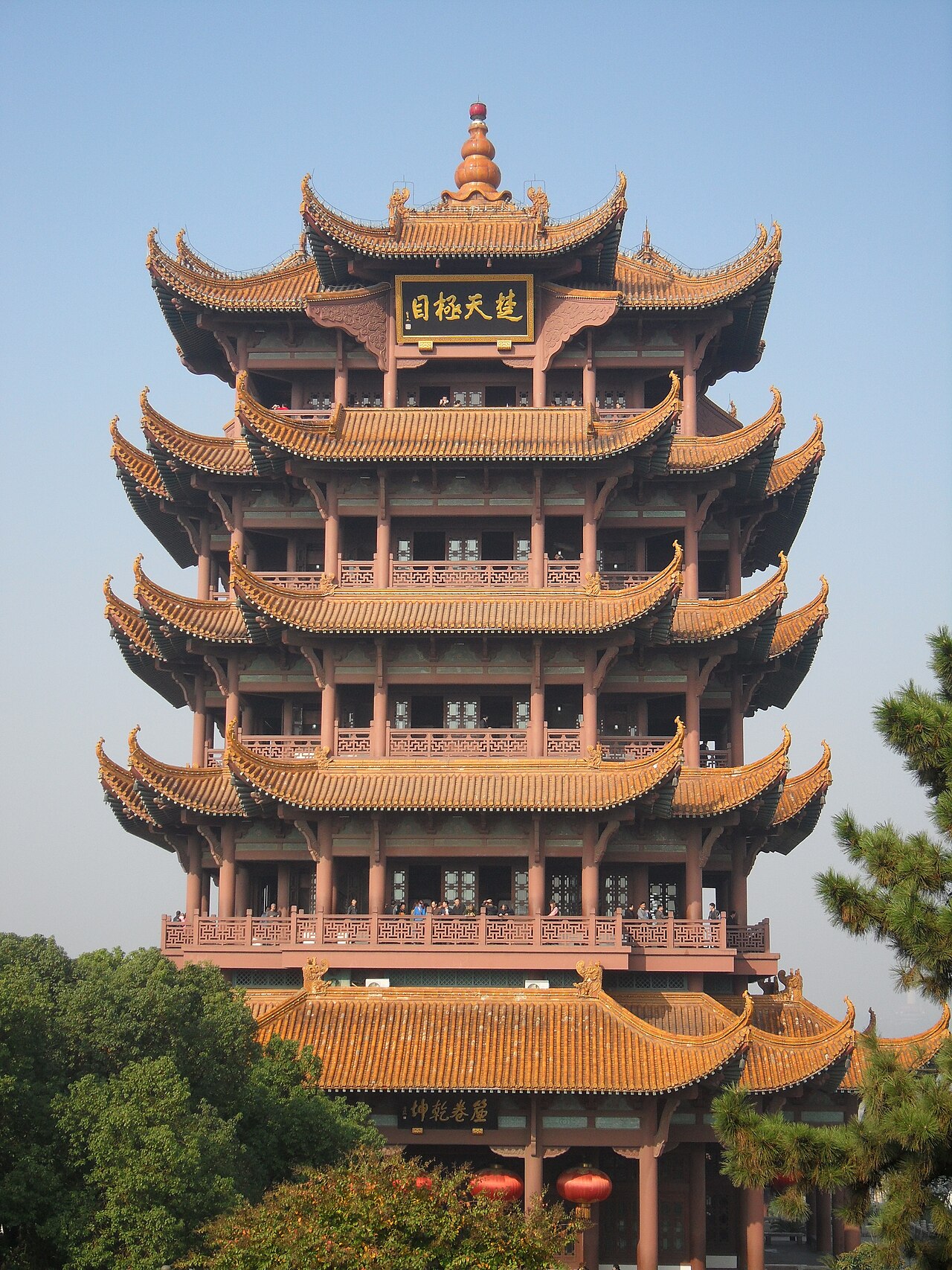
The five-story tower (黄鹤楼) on Snake Hill has been rebuilt many times since 223 AD but remains the city's emblem. Day tickets are ¥70, open 08:30-18:00; a separate night light-show ticket runs 19:30-22:30. Combine it with a walk onto the 1957 First Yangtze Bridge, the first road-rail bridge over the river.

Chime bells at the Hubei Provincial Museum

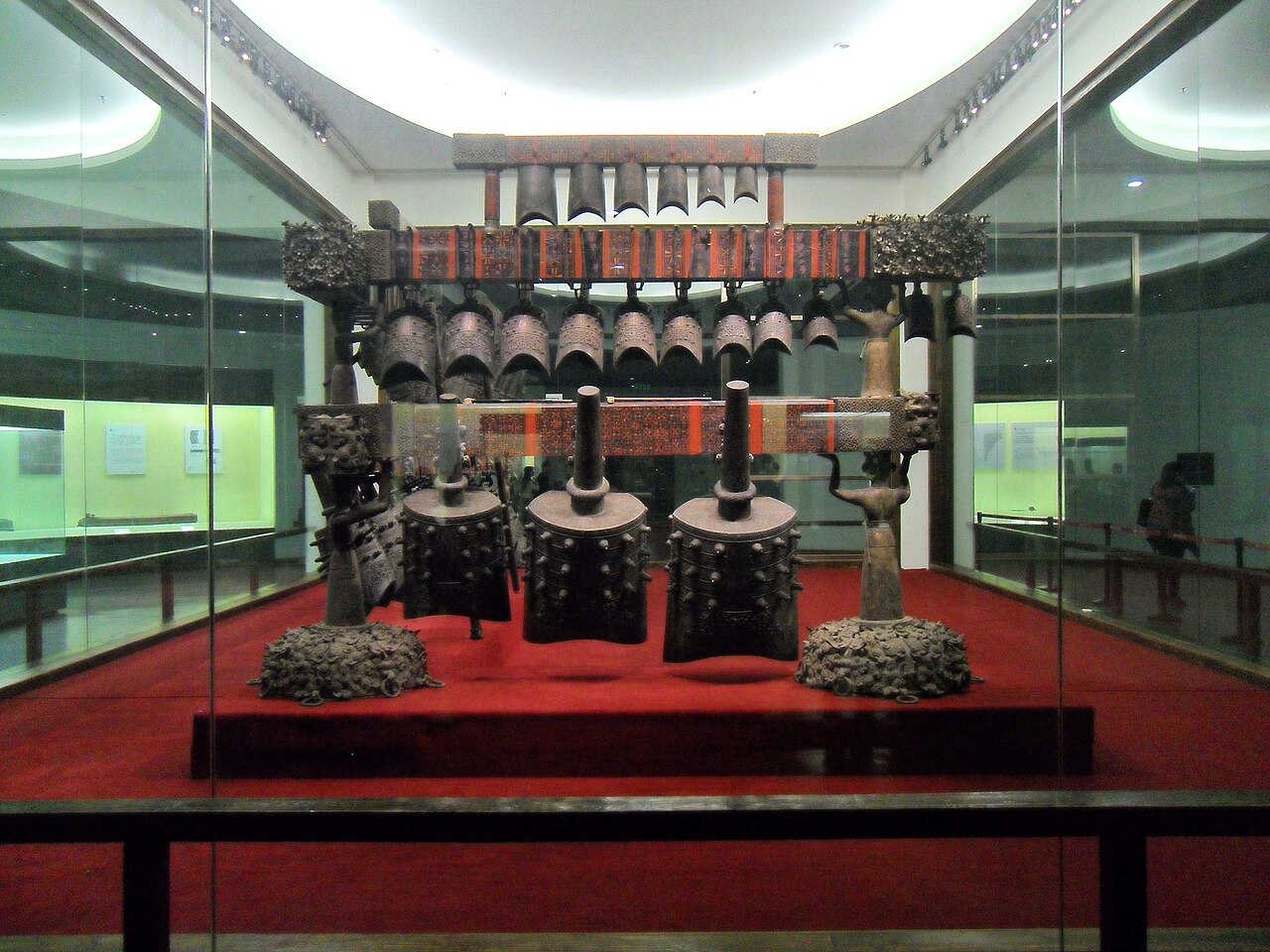
The museum (湖北省博物馆) holds the 2,400-year-old bronze bells of Marquis Yi of Zeng, the headline of Chu culture. Entry is free but requires an advance reservation via the museum's WeChat or website; it is closed Mondays. Allow half a day and try to catch a bell performance.

Cherry blossoms in late March

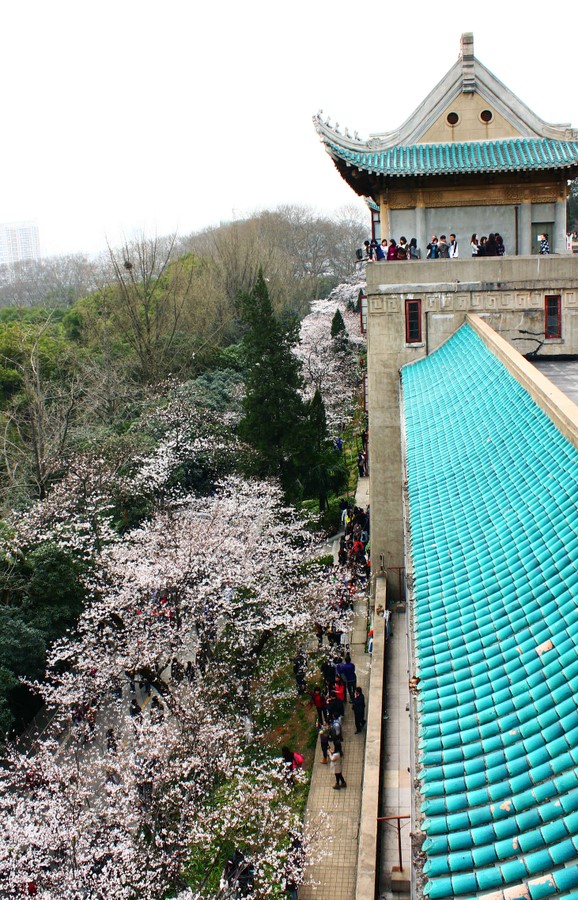
Wuhan University's campus and the East Lake Cherry Blossom Garden (东湖樱花园, ¥60 in season) turn the city pink from mid-March to early April. Campus entry is free but capped: book a real-name slot on the university's WeChat days ahead. This is the busiest and most beautiful two weeks of the year.

Guozao: breakfast as a contact sport

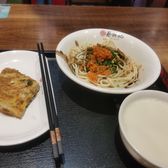
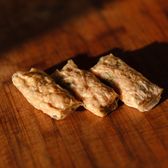
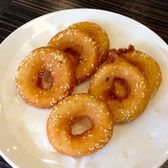
Wuhan people 'do breakfast' (过早) at street counters before 9 am — hot dry noodles, doupi, mianwo, hutangfen. Hubu Alley (户部巷) packs it all into one lane for visitors at ¥10-15 a dish; neighborhood shops do the same for ¥5-8. Get up early once; it's the city's best hour.

Travel alerts

Top attractions

The five-tiered Yellow Crane Tower seen head on, golden tiled eaves at every level, a black plaque under the top roof, visitors along the balconies and red lanterns hung below

Yellow Crane Tower

The city's 1,800-year-old symbol, rebuilt in 1985 on Snake Hill above the Yangtze. Day entry ¥70 (students ¥35), open 08:30-18:00 with last entry around 17:20; the night light show (19:30-22:30) is a separate ticket. Metro Line 5 to Simenkou station, then a 10-minute walk; allow 2 hours including the river view from the top floor.

Glocken im Hubei Privincial Museum

Hubei Provincial Museum

Free, but you must reserve a timed slot on the official WeChat account or website — tickets release at 17:18 up to five days ahead and weekend slots vanish fast. Open Tue-Sun 09:00-17:00, closed Monday except public holidays. The Marquis Yi chime bells and the Sword of Goujian are the must-sees; plan 3 hours. Metro Line 8 to Hubei Provincial Museum station.

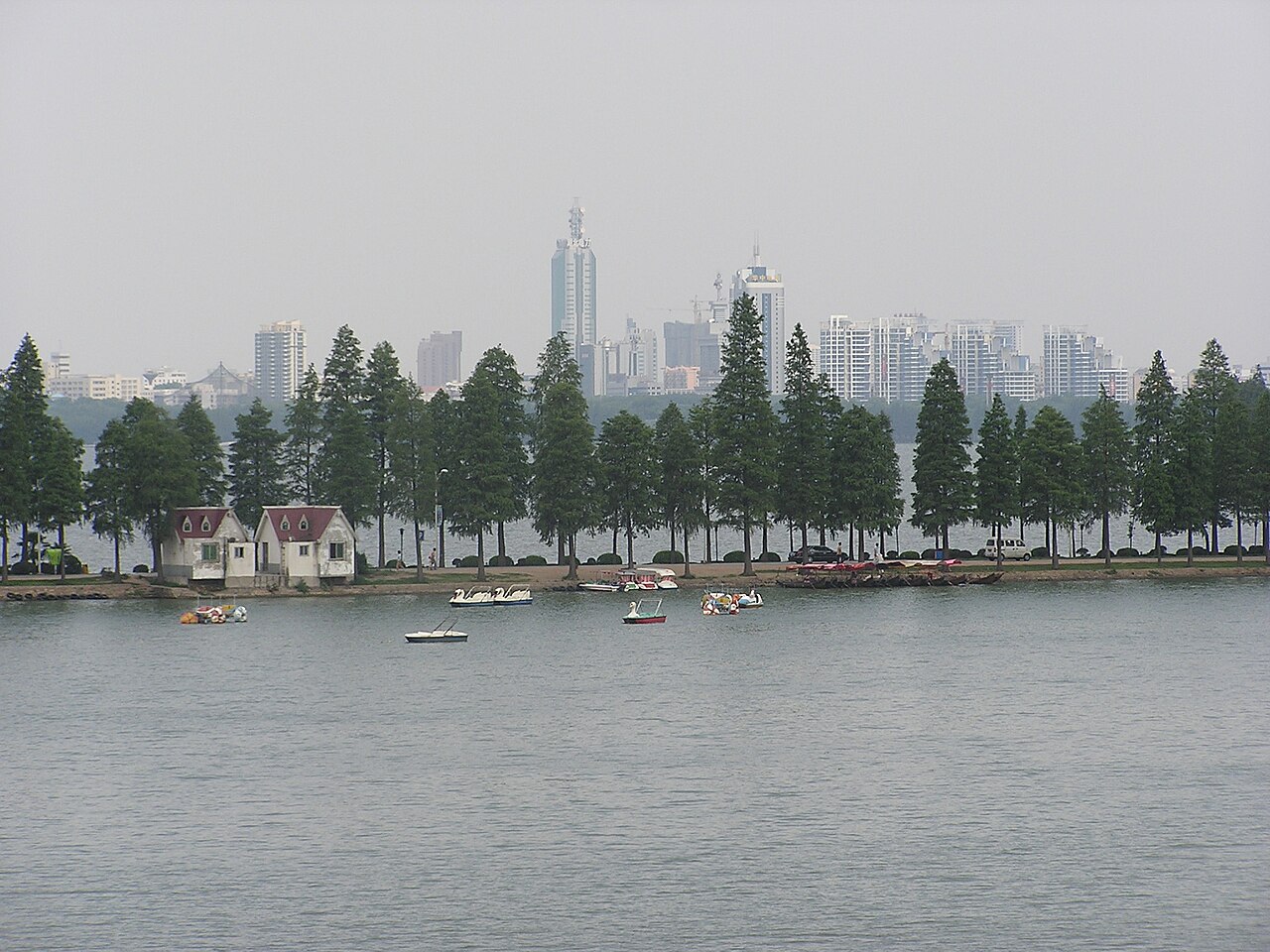
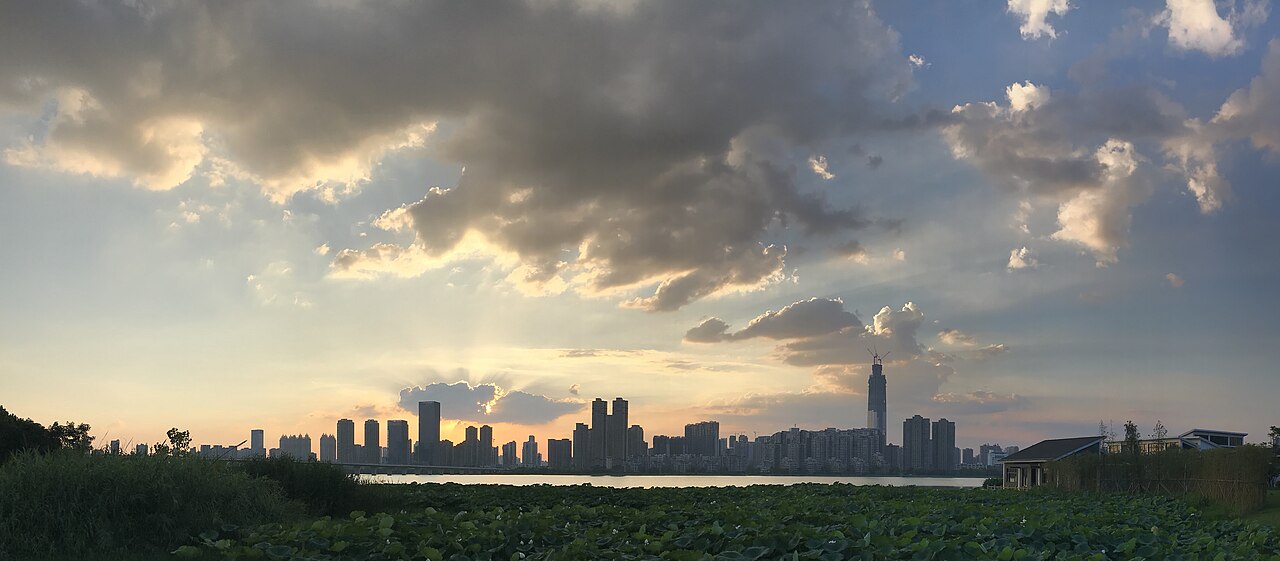
Ostsee in Wuhan - East Lake in Wuhan

East Lake

China's largest urban lake, six times the size of West Lake in Hangzhou, with free entry to the main scenic area and a lakeside greenway built for cycling. The Moshan Cherry Blossom Garden inside charges ¥60 in the late-March bloom; the botanical garden is ¥40. Metro Line 8 serves the east shore; give it a full afternoon, or a whole day with a bike.

Cherry trees in full bloom arch over a path through Wuhan University's campus during blossom season

Wuhan University in blossom season

Wuhan University's cherry-blossom season runs mid-March to early April (in 2026, limited opening 13–31 Mar). Entry is free but requires real-name online reservation via the WHU official website or the '武大发布' WeChat account — book 3 days ahead (slots open 20:00 nightly for visits 3 days out), capped at 20k on weekdays and 40k on weekends, with dual ID checks on entry. Outside the blossom season the campus is usually open to visitors by appointment too.

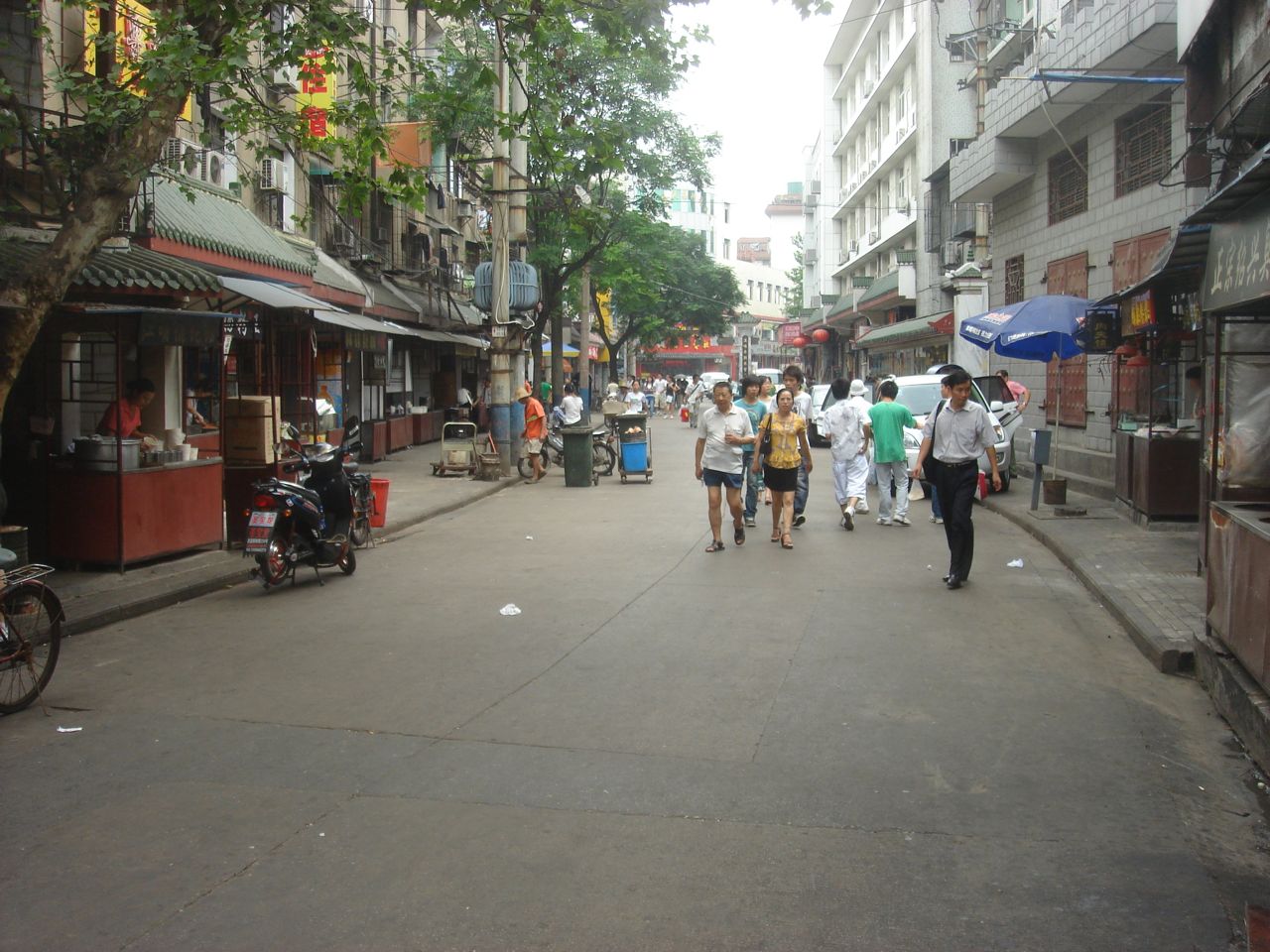
A crowded food-stall lane in Hubu Alley, Wuchang, strung with red lanterns and steaming snack pots

Hubu Alley

Hubu Alley (户部巷) is Wuhan's best-known snack street, just south of the Yellow Crane Tower in Wuchang — a dense run of stalls selling hot-dry noodles (热干面), doupi (豆皮) and duck neck (鸭脖). Walkable from the tower.

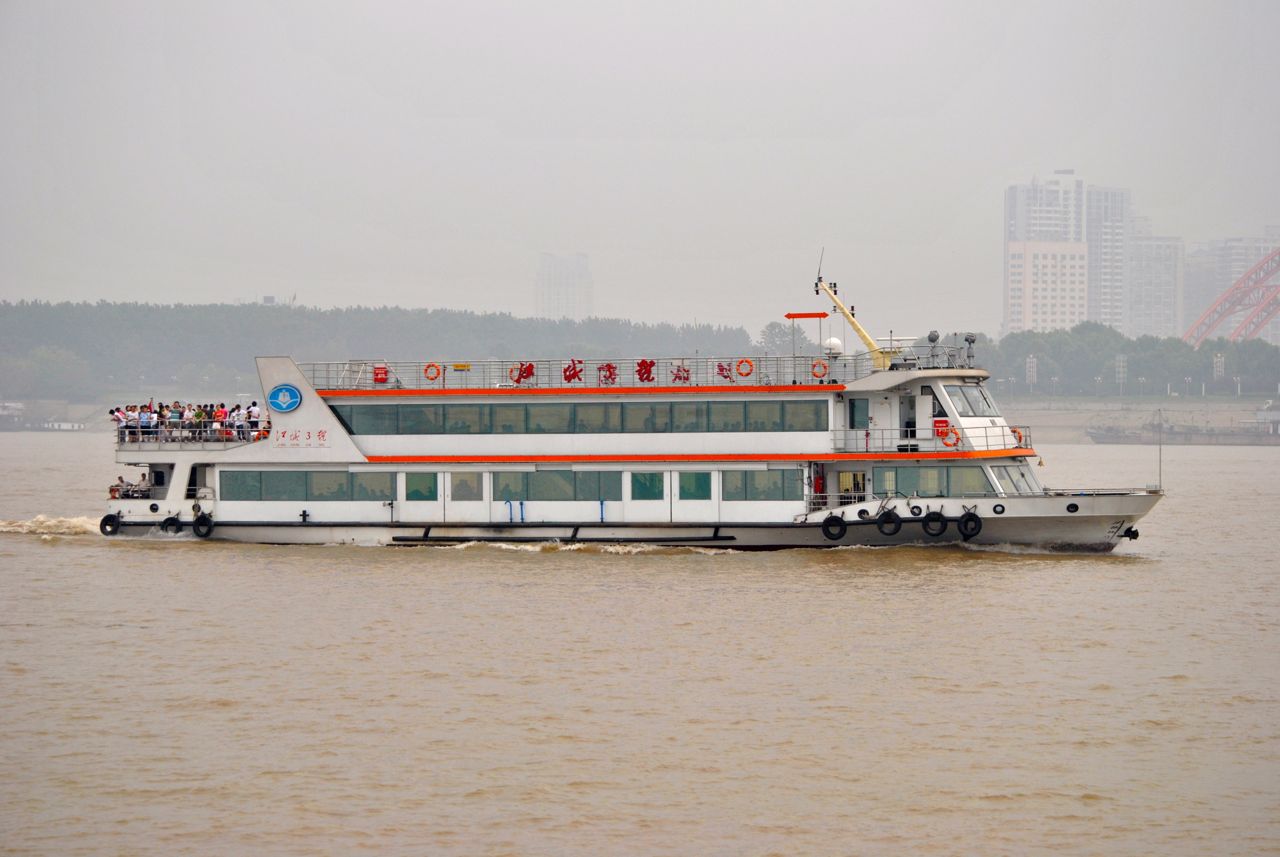
Ships and Ports of Wuhan Ferry.

Yangtze River ferry

The commuter ferry between Zhonghua Road pier (中华路码头) in Wuchang and Wuhan Guan pier (武汉关码头) in Hankou costs ¥1.5 and runs roughly 06:30-20:00 every 20 minutes. It's the cheapest river cruise in China, with the tower, the bridge and the Hankou bund all in frame. A night sailing after 20:10 costs ¥10.

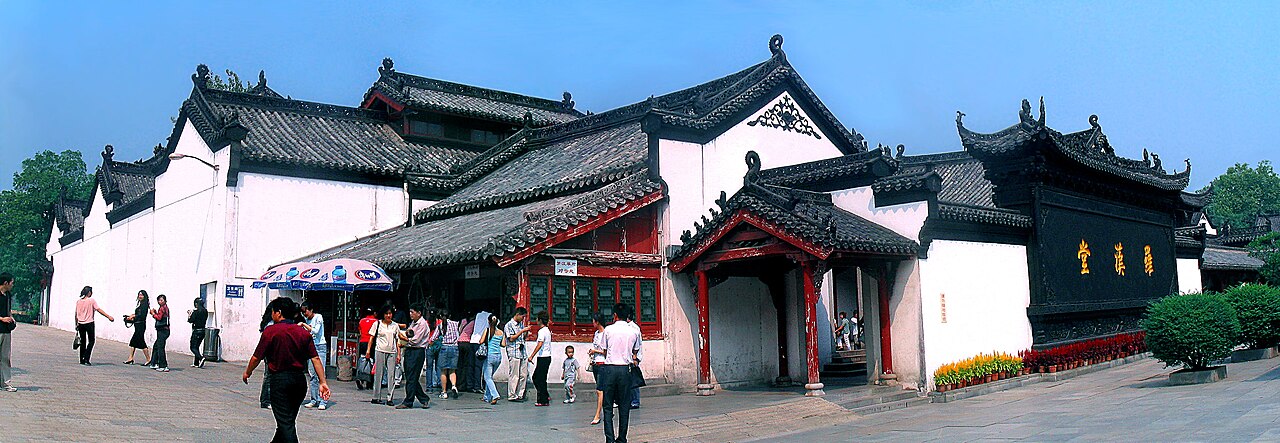
Luohan Hall in Wuhan's Guiyuan Temple

Guiyuan Temple

Hanyang's Qing-dynasty Buddhist temple, famous for its hall of 500 life-sized arhat statues. Entry ¥10, open 08:00-17:00 with last tickets 16:30; online booking via the official WeChat is recommended. Metro Line 4 or 6 to Zhongjiacun, then a short walk; allow 1.5 hours.

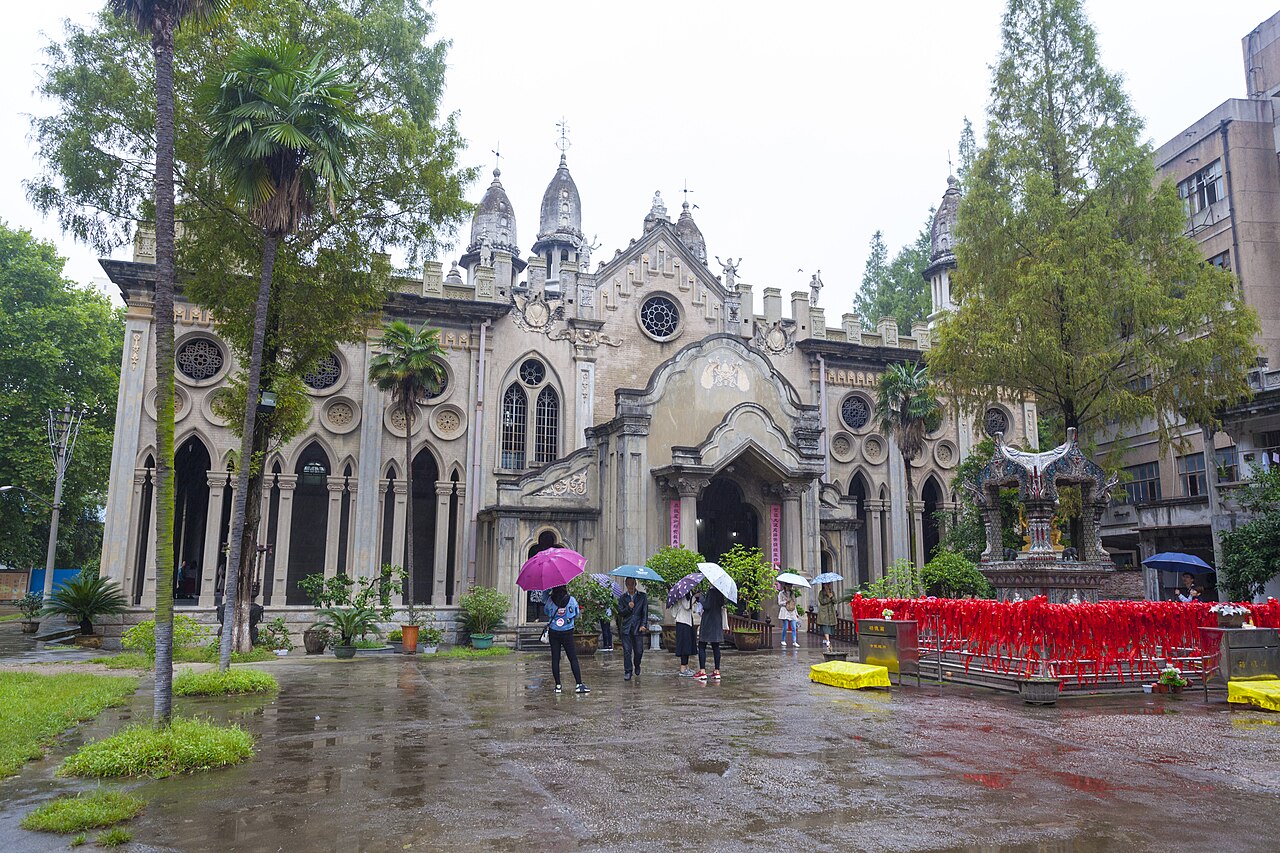
Gude Temple Wuhan in wuhan

Gude Temple

A one-off: a Chinese Buddhist temple built in 1877 in a hybrid Burmese-Indian-Gothic style that looks like nothing else in the country. Entry ¥13, from 28 Apr 2026 no same-day tickets are sold — book at least 1 day ahead on the '汉口古德寺' WeChat mini-program (no reservation, no entry); open 08:00-17:30 in summer, 08:30-16:30 in winter. In Hankou near Toudaojie metro (Line 1); an hour is enough.

4 more spots worth seeing
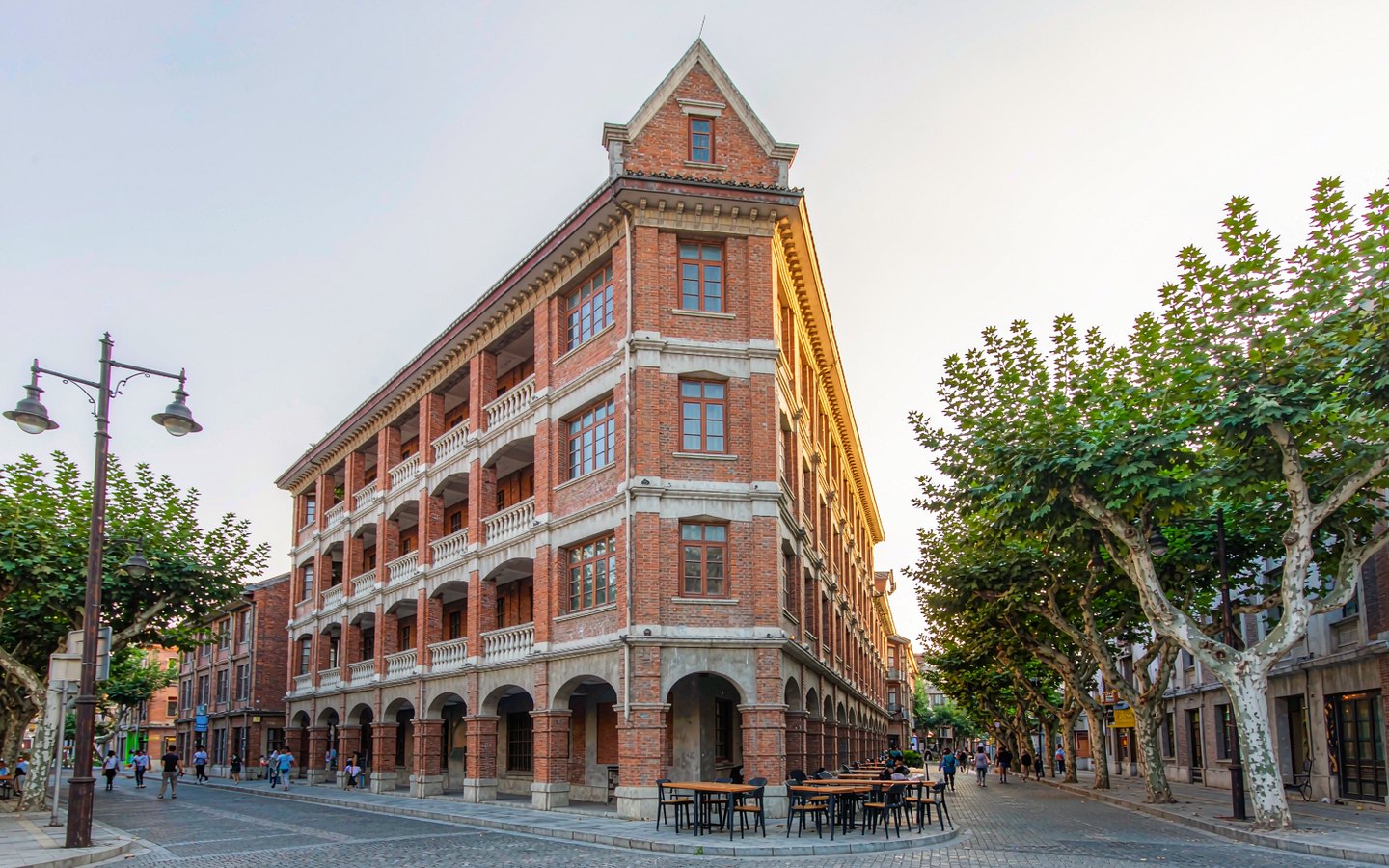
Wedge-shaped red-brick Russian-era apartment building on an old street

Hankow Historic Concession District: Bagong Mansion & Lihuangpi Road

Wuhan's biggest recent travel story: the 1910 Bagong Mansion, built by Russian tea merchants and reborn in 2024, fronts a district of 128 listed buildings that drew 3.945 million visitors over the 2025 National Day holiday. Walk it: the mansion's tea-road exhibition, Lihuangpi Road's villa cafés, the Pinghe packing-house conversion and the 1915 shikumen lanes of Xian'anfang. It's an open district — no gate, no combo ticket, you string the route yourself; holiday weekends mean queues at every photo spot.

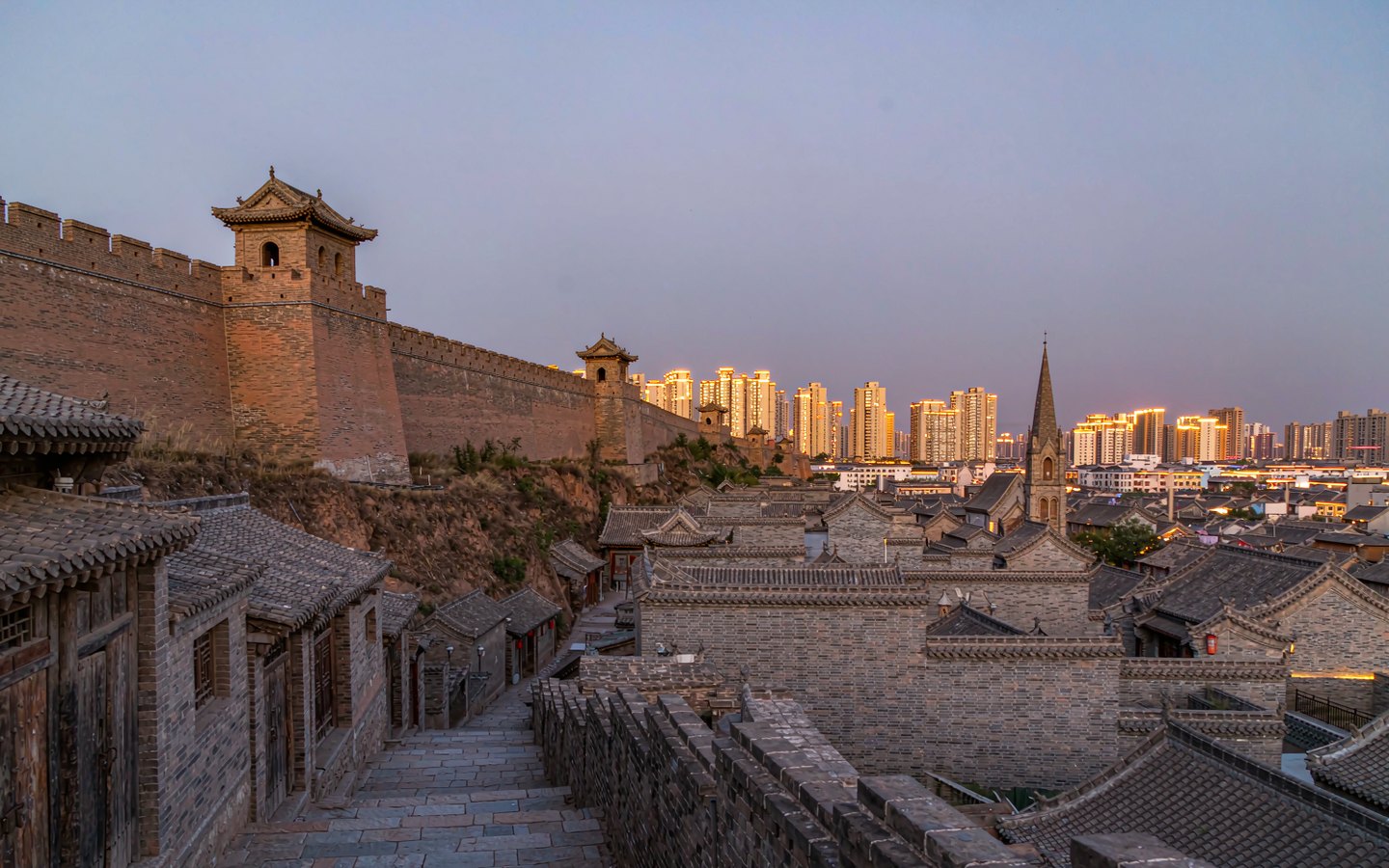
Restored city wall on a hill above old lanes and a church spire

Tan Hualin Historical and Cultural District

Six hundred years of east-meets-west streets — 52 historic buildings including a former Swedish mission — just 2 km from Yellow Crane Tower, the strollable piece of the Wuchang old-city route. Ride the ¥5 retro mini-train up to a rebuilt stretch of city wall and the free Wuchang history museum; at dusk the wall frames Yellow Crane Tower and the Guishan TV tower together. The street is free; the train and some halls charge extra. Metro line 2 to Pangxiejia.

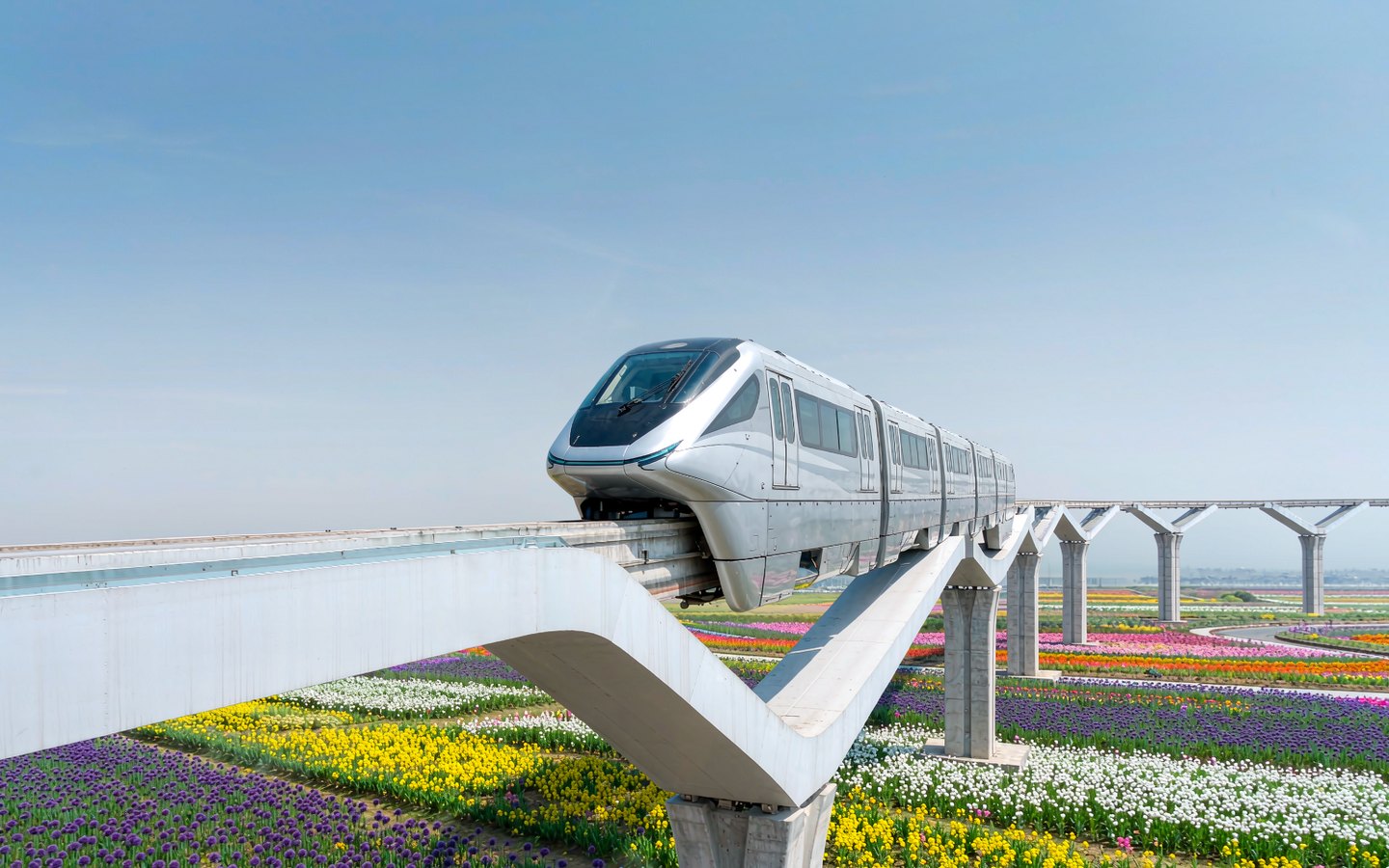
Suspended monorail train gliding above fields of flowers

Optics Valley Sky Rail (Guanggu Konggui / "Guanggu Photon")

China's first and only commercially operating suspended monorail: the train hangs below the track, fully driverless, with a glass floor under your feet and nine kilometres of flower fields sliding past beneath. ¥30 a ride — unlimited re-rides if you don't exit — or ¥40 for a day pass, 9:00–19:00. It's in Optics Valley, about an hour by metro from the riverfront sights: a go-if-you're-nearby item, not worth distorting a short first trip. It suspends in bad weather — check first.

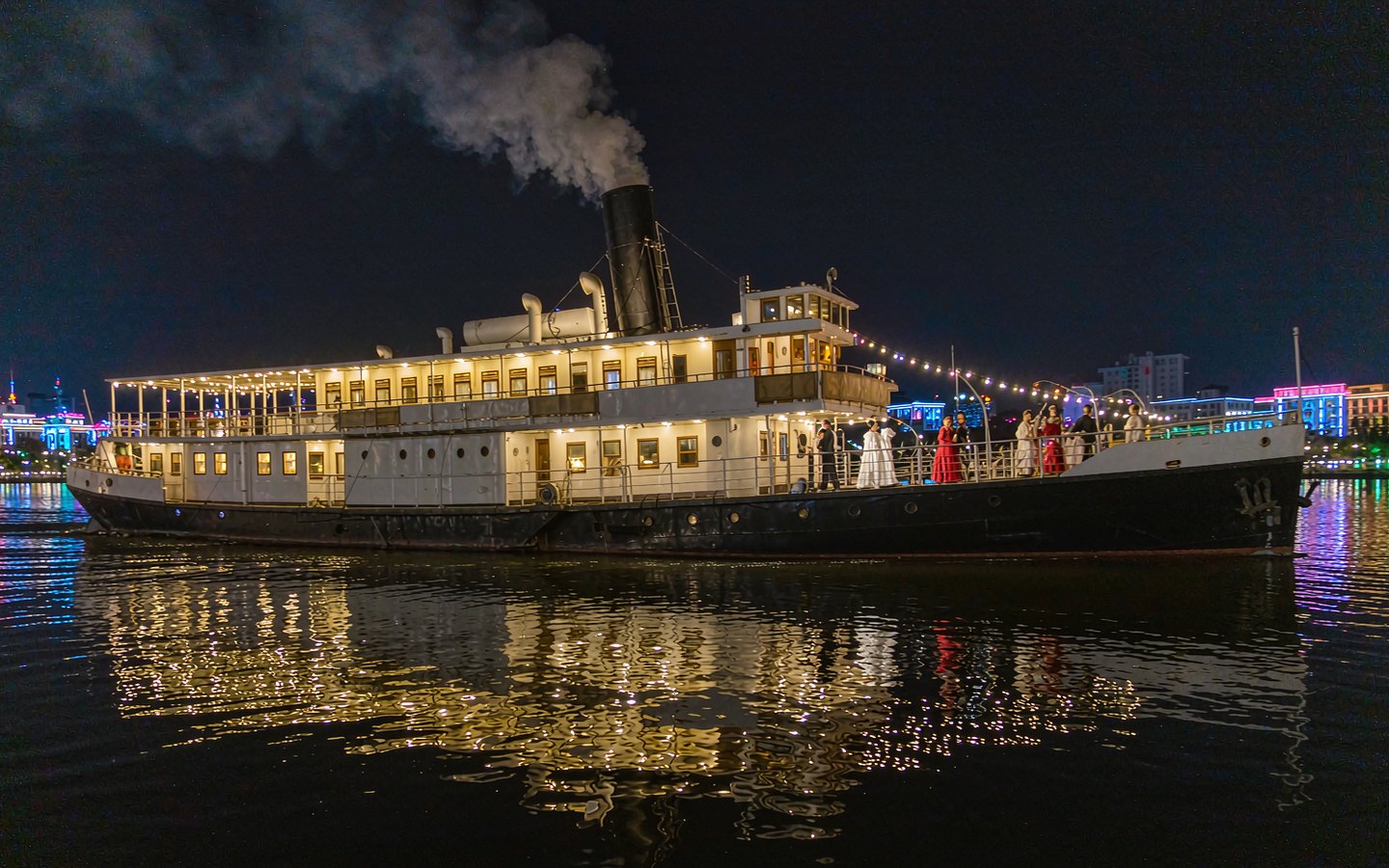
Retro steamship glowing at night with costumed actors on deck

Zhiyin Hao (the drifting theatre ship on the Yangtze)

A whole retro steamer is the stage: 108 actors, 108 minutes, dozens of stories unfolding in 98 cabins, and you're a passenger inside the play as the boat casts off into the riverside light show. Tickets from ¥268, two nightly sailings (19:00 and 20:50) that sell out in holiday weeks; dressing up as a 1930s traveller is optional. It's Chinese-only with no subtitles — go for immersion, not plot. Sailings pause for water levels or weather, so check before you book.

Local cuisine

Where to stay

Not every hotel in China can register a foreign guest, and the restored lane houses around Tanhualin are where that most often catches people out. Check before you pay rather than at the desk, and keep the booking on your phone with your passport.

Getting around

Getting here

  • Wuhan Tianhe International Airport (WUH, 武汉天河国际机场)

    Domestic hub plus international routes; 240-hour visa-free transit port. Metro Line 2 runs from the terminal into the city — ¥7 max, about 45-80 min depending on destination.

  • Wuhan Station (武汉站)

    Main high-speed station on the Beijing-Guangzhou line: Beijing West from about 3 h 50, Guangzhou around 4 h. On metro Line 4; airport shuttle bus line 2 links it to Tianhe (¥45, free with same-day air+rail tickets).

  • Hankou Station (汉口站)

    High-speed services toward Shanghai — Shanghai Hongqiao from about 3 h 40 — plus trains northwest to Xi'an and Chengdu. On metro Line 2, 25 min from Jianghan Road.

  • Wuchang Station (武昌站)

    Older station south of the tower for conventional sleeper trains and some high-speed services; on metro Lines 4 and 7.

Wuhan has three mainline stations in three different parts of the city and they are not interchangeable: Wuhan Station on Metro Line 4, Hankou on Line 2, Wuchang on Lines 4 and 7. Read which one your ticket prints before you book a hotel near it — the three sit in different districts on opposite banks of the Yangtze, so the wrong one is a long ride, not a short one. Your passport is the ticket on 12306, and at the gates you want the staffed lane.

Local transport

  • 🚇

    Metro

    12 lines, 553 km, 335 stations as of May 2026 (Line 12 ring partly open). Distance-based fares from ¥2; trains roughly 06:00-23:00. Line 2 links airport, Hankou station and Optics Valley.

  • ⛴️

    Ferry

    Zhonghua Road ↔ Wuhan Guan crossing of the Yangtze: ¥1.5, about every 20 min, 06:30-20:00; night sailings ¥10 until 23:30.

  • 🚕

    Taxi / ride-hail

    Plentiful and cheap by big-city standards; Didi works with an international card. Useful at night after the metro closes around 23:00.

  • 🚲

    Shared bikes

    Hello/Meituan bikes everywhere; the East Lake greenway is the city's best ride. Scan-to-unlock inside Alipay or Meituan.

No transit card needed: the transport mini-app inside Alipay makes the QR code the metro gates read. Line 2 is the one to know — it links the airport, Hankou station and Optics Valley on a single ride.

What's on

Recommended routes

All routes →

FAQs

What is the best time to visit Wuhan?

Late March for the cherry blossoms, September and October for clear, cool river weather. Plan around July–August, which is brutally hot.

How many days should I spend in Wuhan?

Two to three days, stretching to three or four in blossom season: the Yellow Crane Tower and Hubu Alley, the Provincial Museum and East Lake, and the ferry between the three towns.

How do I get from Wuhan airport to the city centre?

Metro Line 2 runs from the terminal — ¥5 to Hankou station, ¥7 to Wuchang, 45–80 minutes. Airport buses cover six routes until the last flight, and a taxi to Hankou takes about 40 minutes.

What is the best way to get around Wuhan?

The metro — twelve lines — plus the ¥1.5 Yangtze ferry between Zhonghua Road and Wuhan Guan. Taxis and Didi are cheap, and shared bikes rule the East Lake greenway.

Which area should I stay in Wuhan?

Jianghan Road on the Hankou riverside for the old bund architecture, Simenkou–Tanhualin in Wuchang to walk to the Yellow Crane Tower, or Chu River Han Street between the museum and East Lake.

What food should I try in Wuhan?

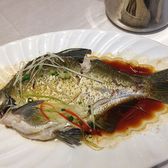
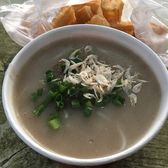
Hot dry noodles for breakfast, sanxian doupi, Wuchang fish, duck neck, hutangfen and mianwo.

What are the must-see sights in Wuhan?

The Yellow Crane Tower, the Hubei Provincial Museum — free but capped, book the moment slots open — East Lake, Wuhan University in blossom season, Hubu Alley, the Yangtze ferry, and the Guiyuan and Gude temples.