Suzhou ● CITY TOUR BOARD

Suzhou 苏州

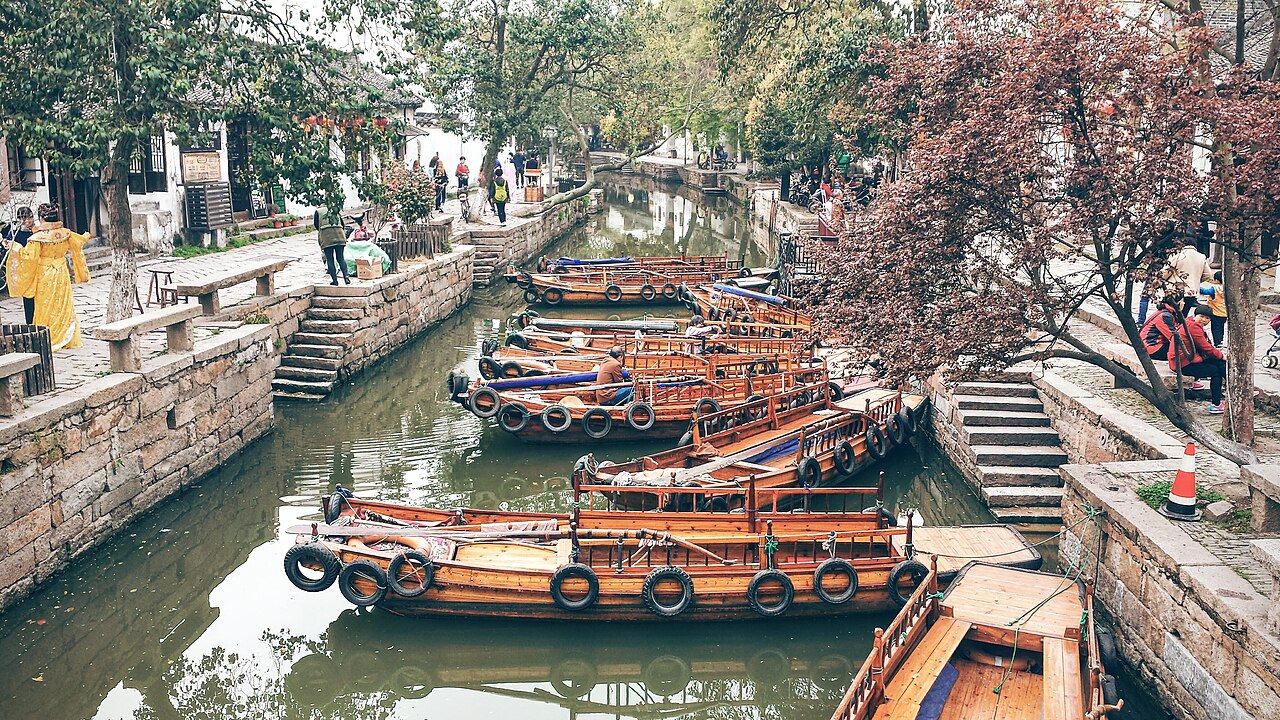
The Venice of the East — 2,500 years of canals, whitewashed water towns and UNESCO gardens designed like living paintings. Just 25 minutes from Shanghai by high-speed rail, it's the perfect slow day out.

Introduction

Suzhou is the day trip that keeps turning into two days. The fast trains from Shanghai take about twenty-five minutes, and what they deliver is an old town of canals and white-walled houses, still inside its moat, with nine gardens on the UNESCO list scattered through it and the towns nearby. The catch is timing rather than distance: the big gardens are booked online rather than at the gate, Suzhou is where Shanghai comes at weekends, and June is the wettest month of the year.

Travel highlights

Shanghai is twenty-five minutes away

The fastest trains reach Shanghai Railway Station in about twenty-five minutes, which is why most people come for a day. An overnight buys you the gardens at opening and Pingjiang Road after dark.

The gardens open at half past seven

Suzhou's gardens start early and close at half past five, half an hour sooner from November to February. Suzhou is also where Shanghai comes at weekends, so a weekday morning and a Saturday afternoon are different places.

Suzhou station, not Suzhou North

Four stations in Suzhou take high-speed trains, and two of them matter. Suzhou station is the central one, on Metro Lines 2 and 4; Suzhou North is about ten kilometres out in Xiangcheng, on Line 2 as well. Check which one the ticket says.

Monday closes the museum, not the gardens

Suzhou Museum is free and shuts on Mondays, and its main building takes bookings only. The gardens open every day, so Monday is the day to walk them — but book those online too, one to seven days ahead. The Humble Administrator's Garden sells no tickets at the gate at all.

Travel alerts

Top attractions

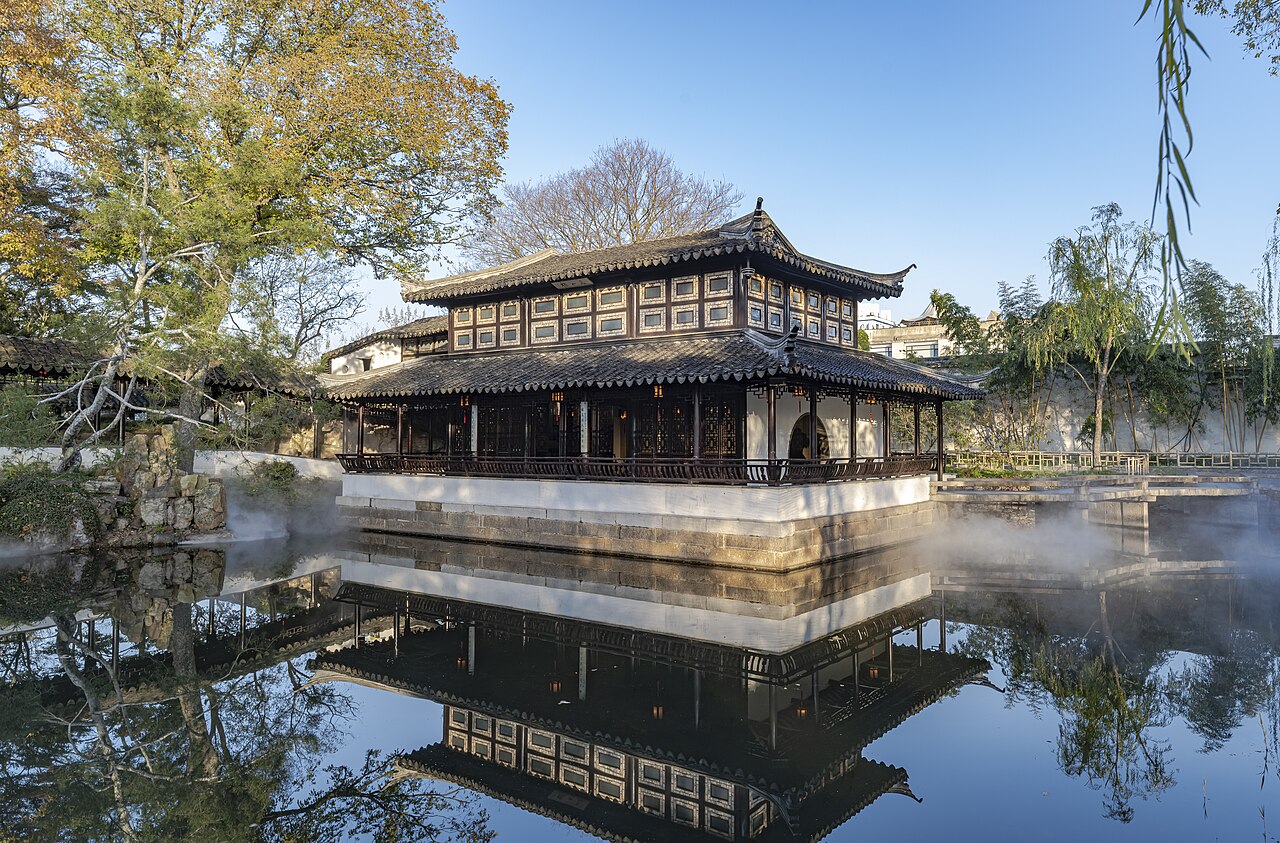
A pavilion standing over the water in the Humble Administrator's Garden, Suzhou

Humble Administrator's Garden

Five hectares of Ming garden, and the one to book before you arrive. There is no ticket window any more: tickets are sold online only, one to seven days ahead, in the name on the passport you bring to the gate, and busy days sell out. The gates open at half past seven and the first hour is the quiet one. Closing is half past five from March to October and five o'clock from November to February. The Suzhou Museum stands next door on the same street, and it is free.

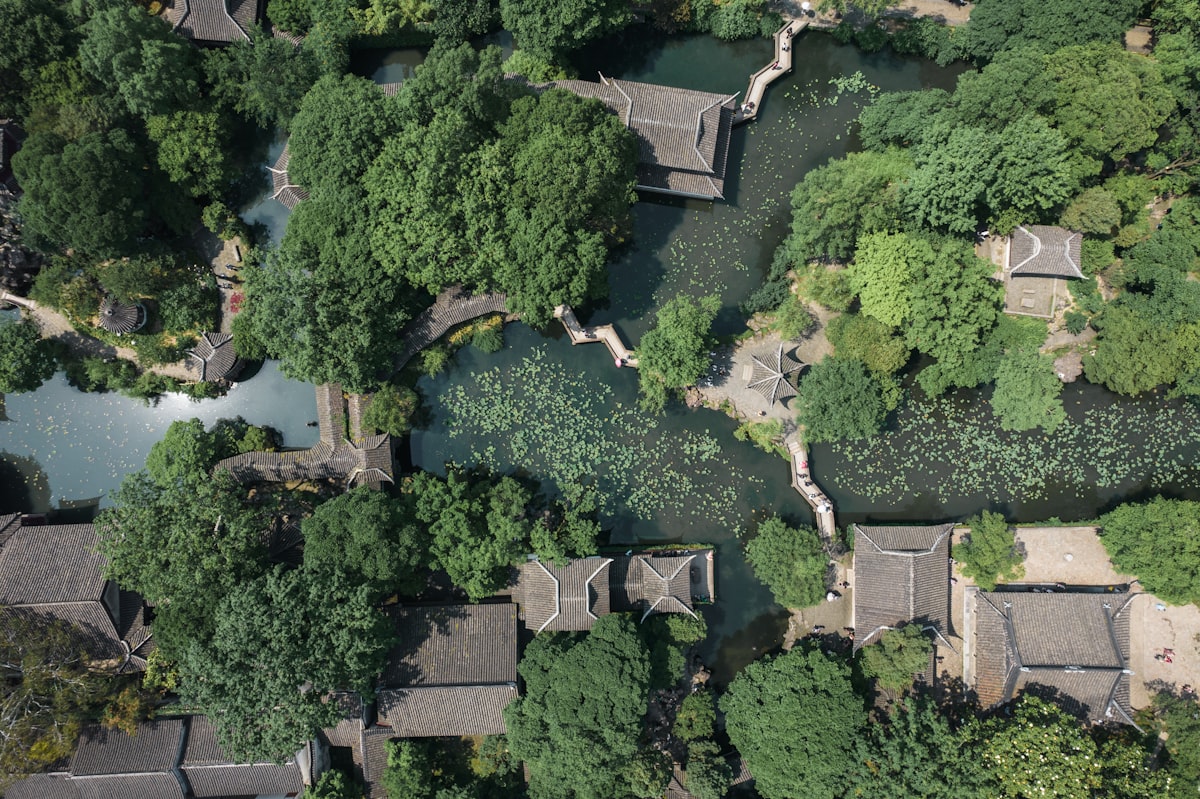
Aerial view of a classical Suzhou garden, its tiled pavilion roofs winding around a lotus pond

Suzhou Museum

I. M. Pei's design, opened in 2006, and more a garden with galleries in it than a box of rooms. It is free, it closes on Mondays, and last admission is four o'clock for a five o'clock close. The main building wants a booking made ahead; the newer West branch, out on Changjiang Road, does not.

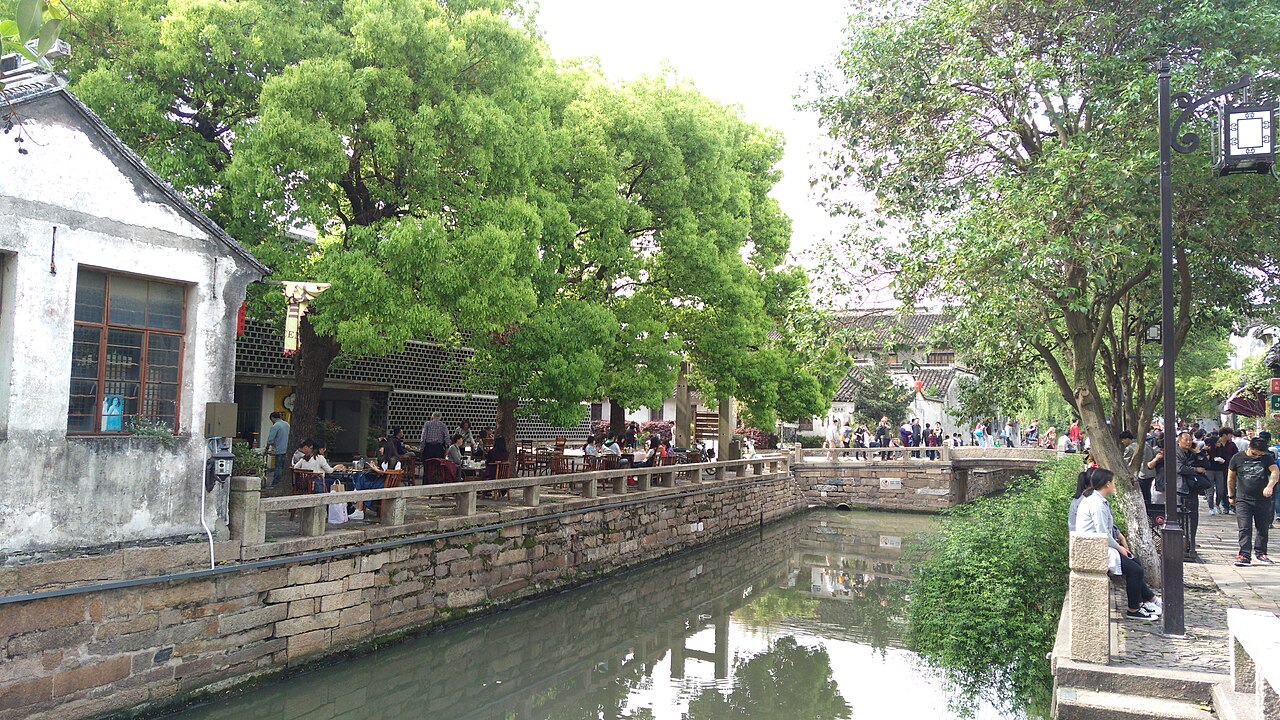
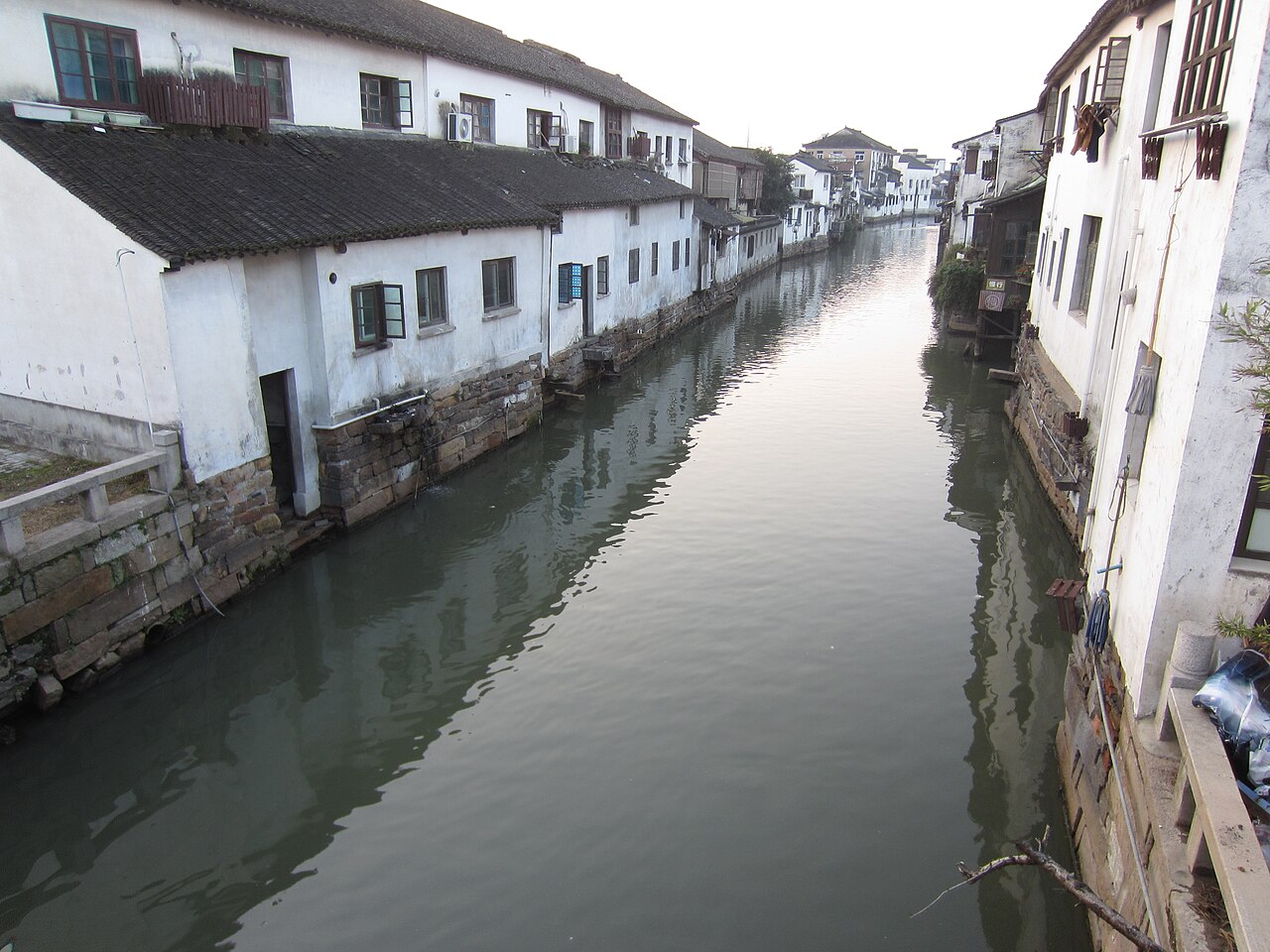
A canal running beside the lane at Pingjiang Road, Suzhou

Pingjiang Road

A mile of stone lane beside its own canal, free and open at any hour, in a district of fifty-odd alleys and eighteen stone bridges. The street is drawn on a map of Suzhou made in 1229. Souvenir shops by day — come back after dinner, once the day-trippers have gone back to Shanghai.

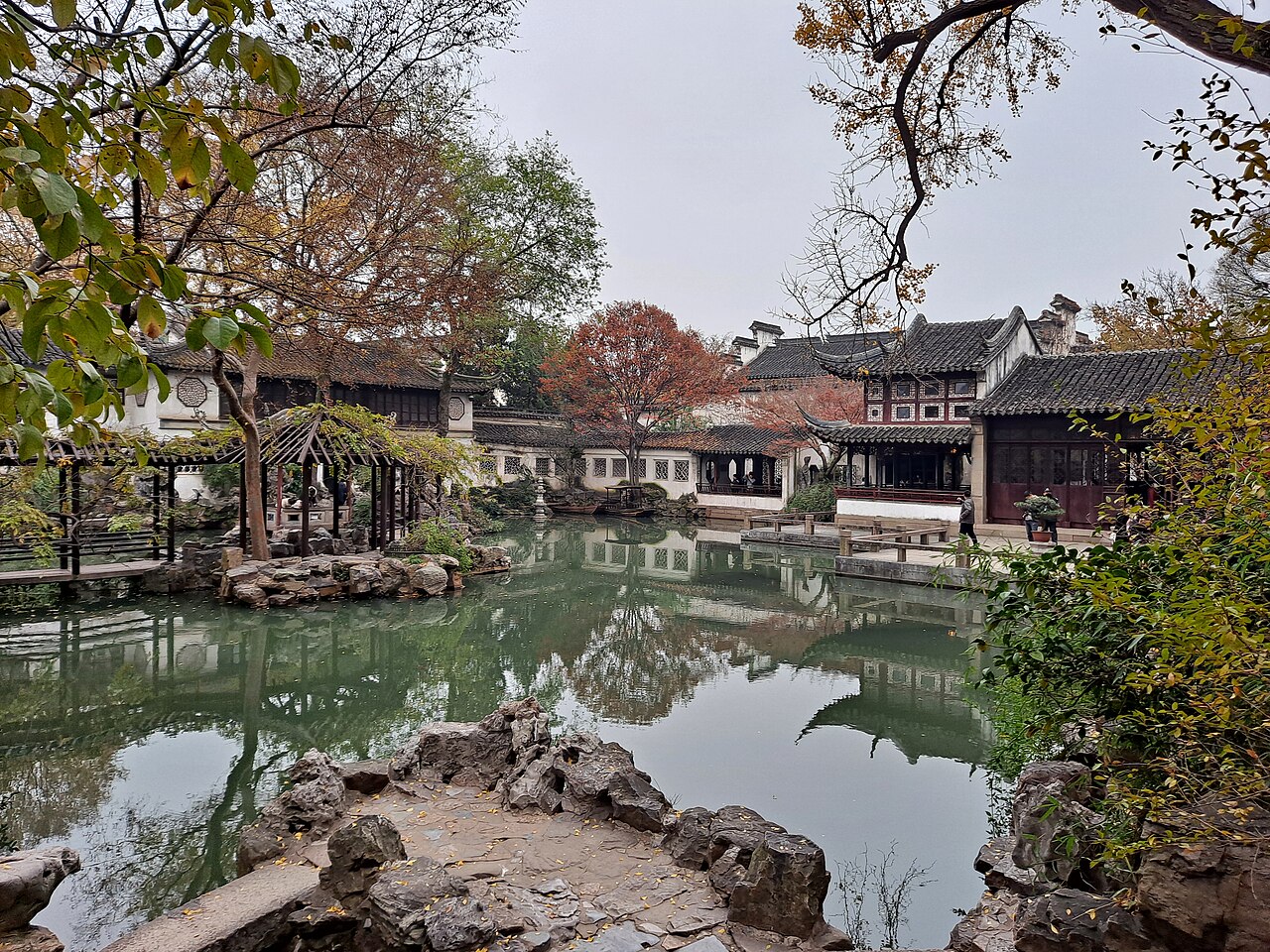
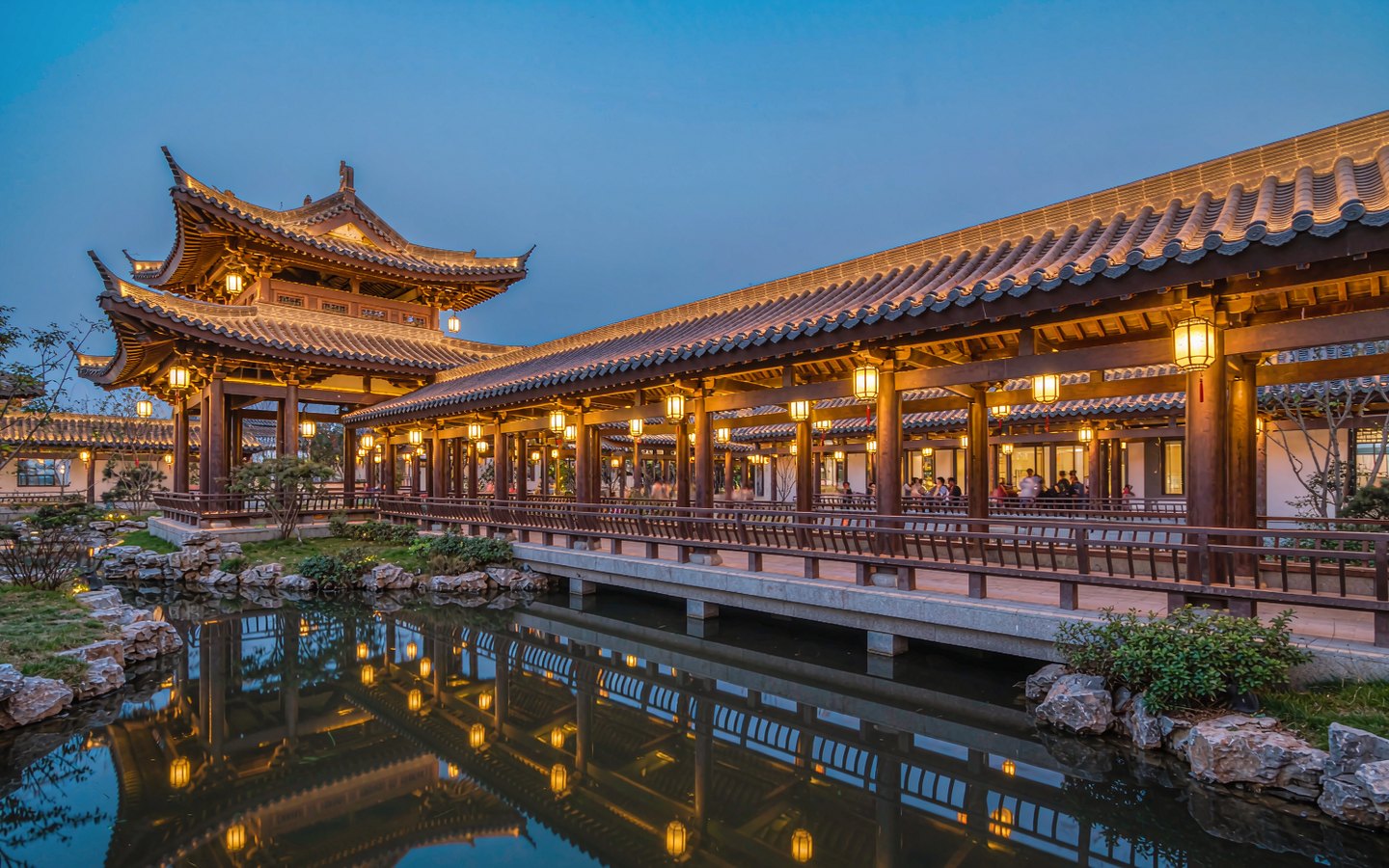
Rockery, water and timber halls in the Lingering Garden, Suzhou

Lingering Garden

Smaller than the Humble Administrator's, laid out in 1593, and threaded with seven hundred metres of covered walkway — the garden to keep for a wet day. The stone everyone stops at is the Cloud-Capped Peak, a single standing rock. Metro Line 2 to Shilu, then a short walk; Shantang Street is on the same line.

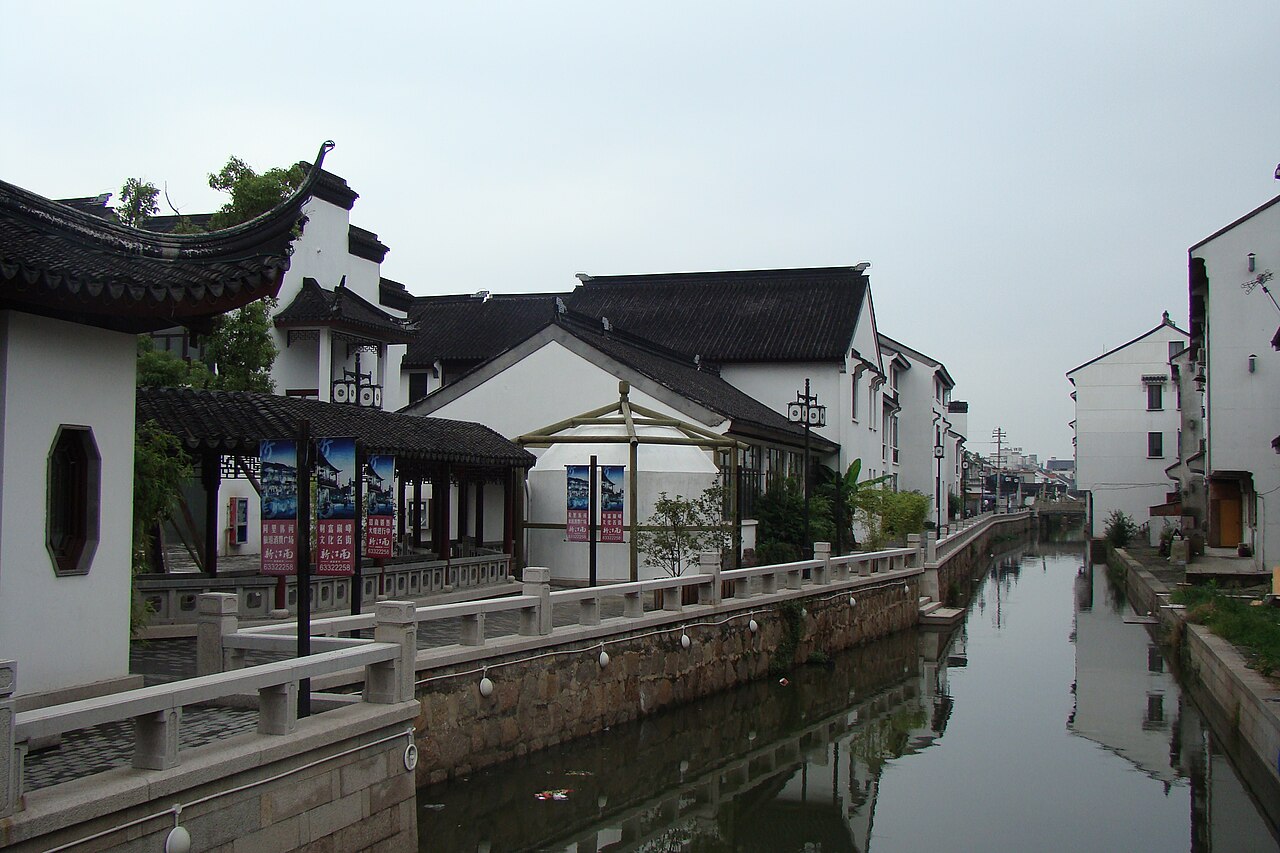
Whitewashed houses along the canal at Shantang Street, Suzhou

Shantang Street · Tiger Hill

Bai Juyi cut this canal in 825 as governor of Suzhou, and the street beside it still runs the old seven li out to Tiger Hill. Shantang is free and open at any hour; Tiger Hill is ticketed, from half past seven. Its pagoda has leaned about three and a half degrees for four hundred years, and a boat up is around ¥50 return.

A stone-banked canal and old houses in a water town near Suzhou

Tongli · Zhouzhuang

Two canal towns, and one is enough. Tongli is the easy one: Metro Line 4 runs south to a station named after it, then a shuttle bus covers the last three kilometres. The Retreat and Reflection Garden inside is the only one of the nine UNESCO gardens outside the old city. Zhouzhuang is thirty kilometres out, ticketed, and the more commercial of the two.

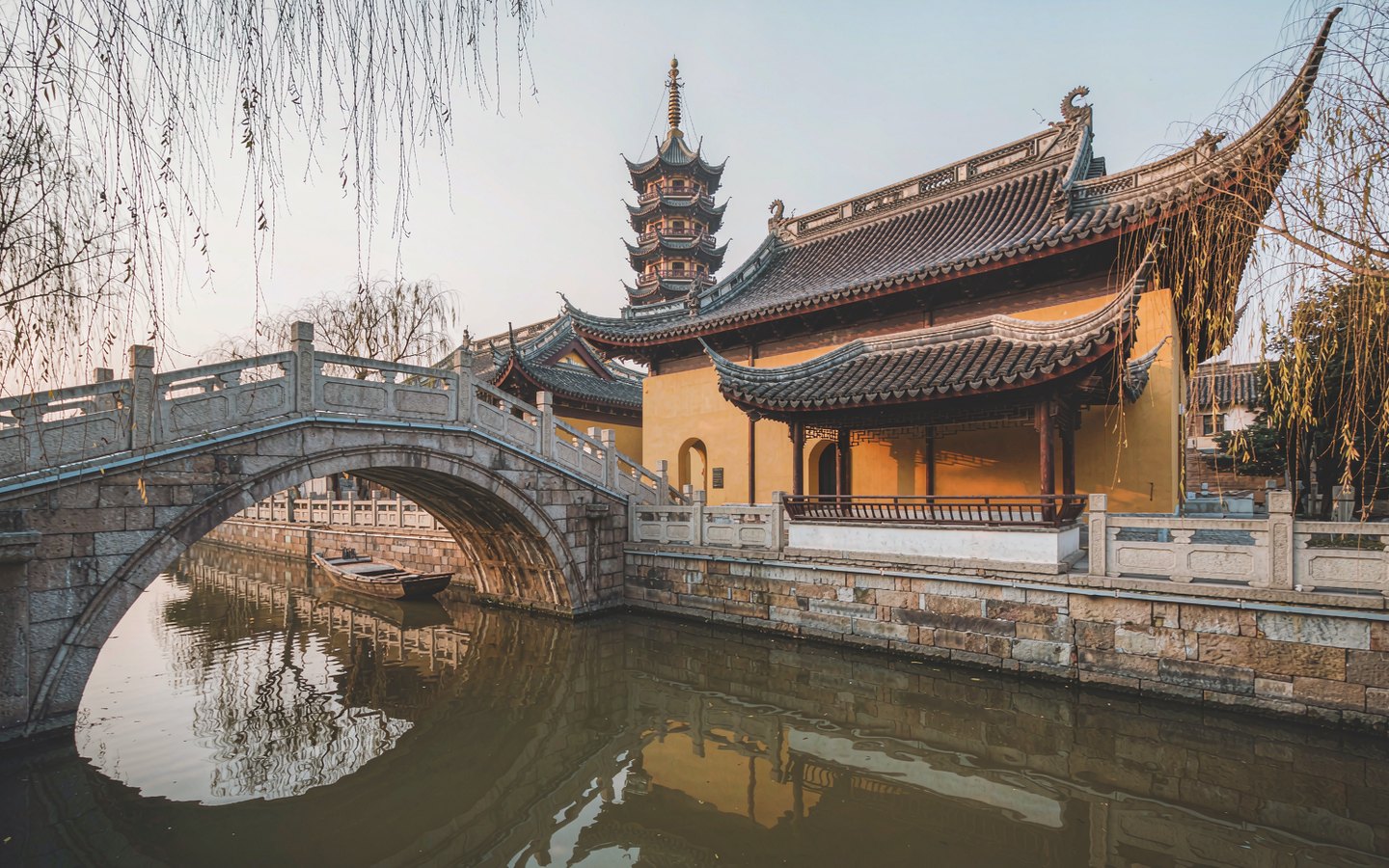
Yellow temple walls and a pagoda beside an old canal bridge

Hanshan Temple & Maple Bridge Scenic Area

The temple a Tang poem made immortal — 'beyond Gusu city, Hanshan Temple; the midnight bell reaches the traveller's boat' — and the one place Suzhou stacks temple, poetry and the Grand Canal together. Ring the Qing-dynasty bell, three strikes for ¥5. Expect commerce beyond its fame; skip the incense hawkers outside. The bonus is out the east gate: the free Maple Bridge scenic area is the poem's actual scene. New Year's Eve bell-ringing needs a separate ticket.

Lantern-lit garden pavilion with musicians beside a moonlit pond

Master of the Nets Garden — Night Garden (Kunqu by lantern light)

The only regular night opening of a Suzhou garden, running since 1990: Kunqu's Peony Pavilion excerpt, pingtan, qin and silk-bamboo ensembles performed live in different lamplit halls as you move through the garden — about 45 minutes, just 45 people per session. ¥120 from 18:25, roughly three times the daytime ticket, and garden passes don't apply. It's seasonal (typically from March; winter may pause) and booking runs through a Chinese-language WeChat account, so have your hotel help.

2 more spots worth seeing
Gate-shaped skyscraper and skyline across a wide lake at dusk

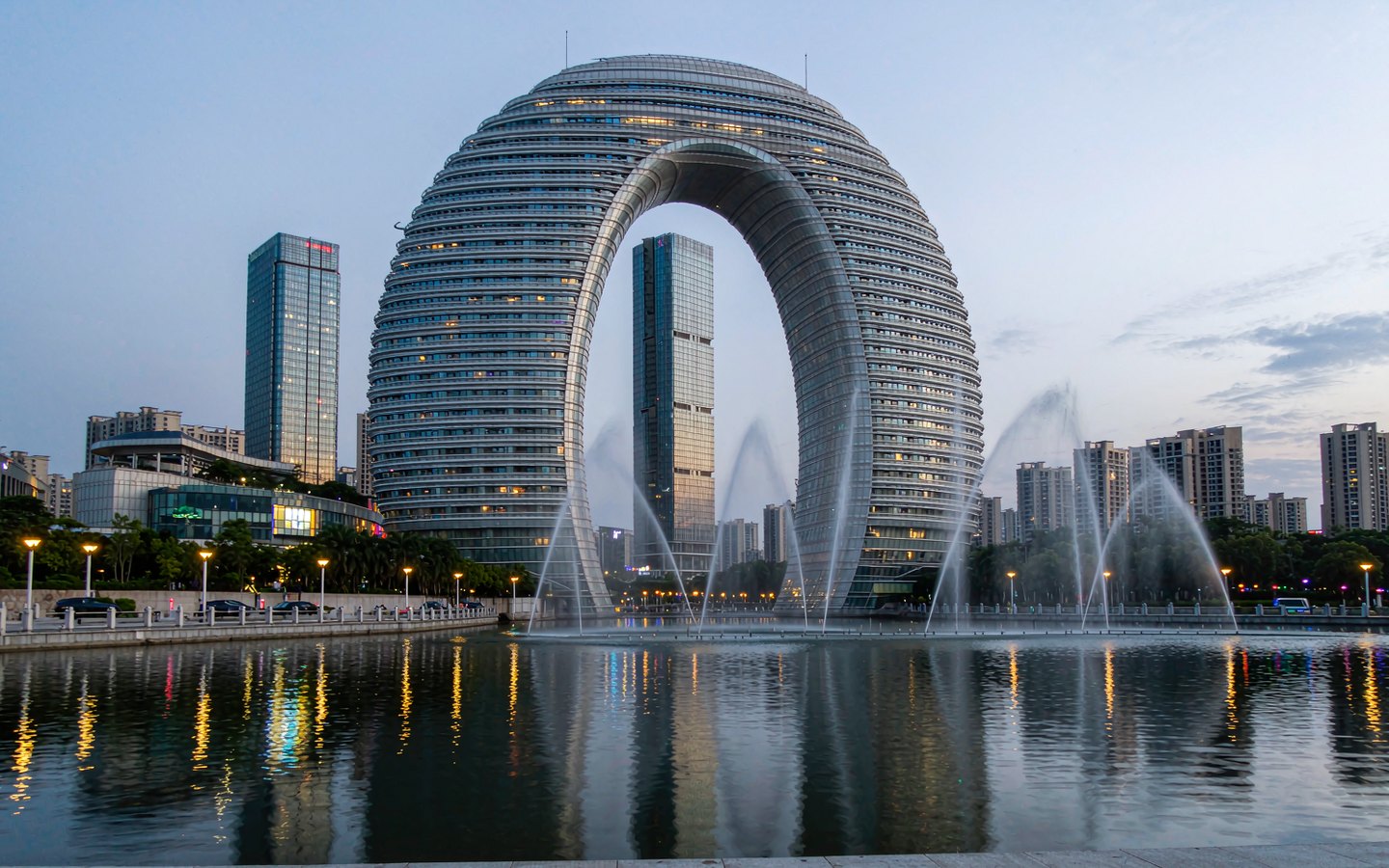
Jinji Lake & Suzhou Industrial Park

The modern half of Suzhou's 'double-sided embroidery': a free, wall-less 5A lakefront district where a 13.14-km trail strings together the Gate to the East — at 301.8 m the world's largest gate-shaped building — the musical fountain, the Ferris wheel, Ligongdi causeway and Eslite Bookstore. No ticket, metro direct. If you came to China for the old country, rank it below every garden and water town; it's the optional extra, best at dusk when the skyline lights up.

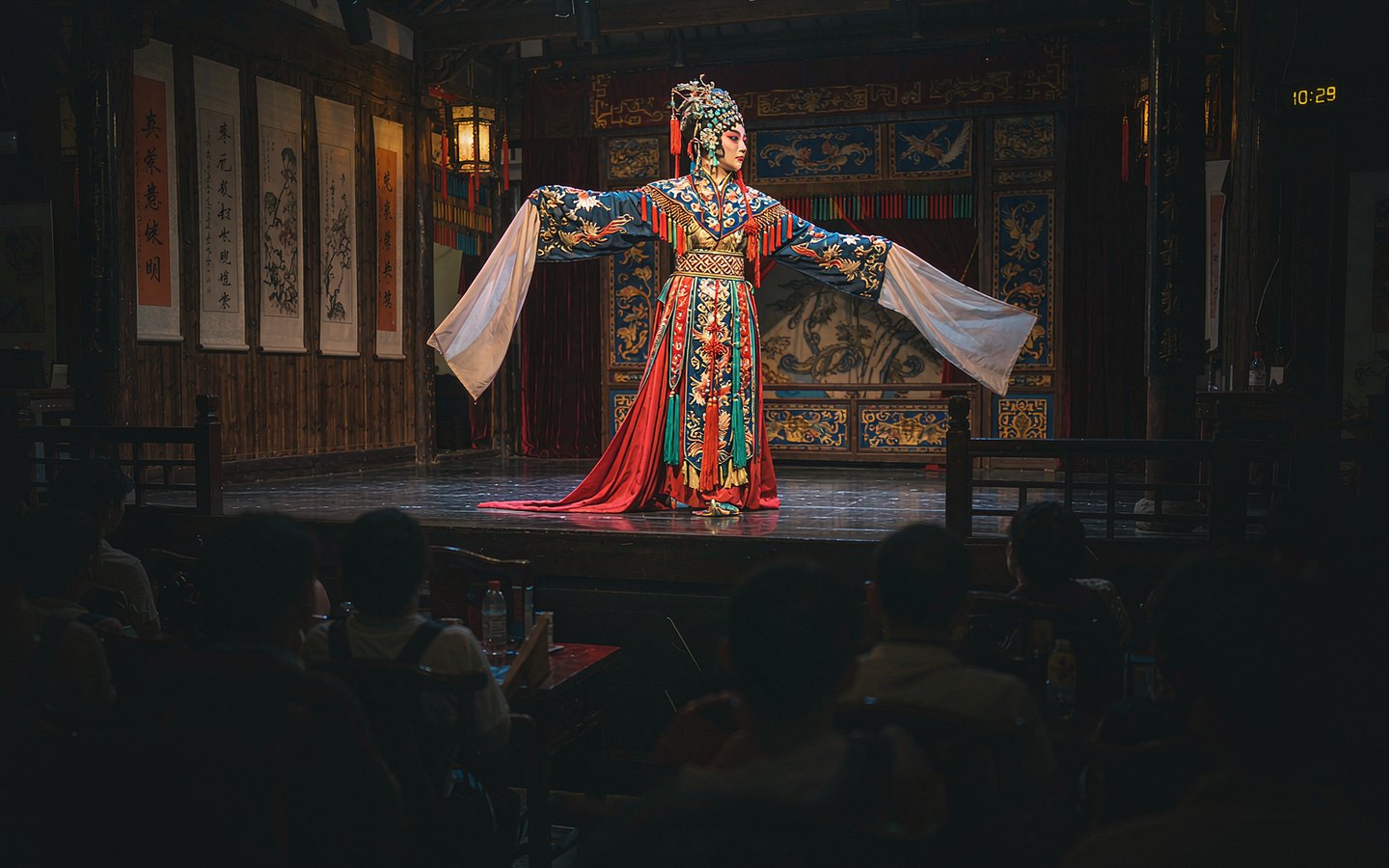
Kunqu performer in flowing water-sleeve costume on a small stage

Kunqu Opera & Suzhou Pingtan

Kunqu — 600 years old, the 'mother of a hundred operas' and a UNESCO first-batch Intangible Heritage masterpiece — was born just outside Suzhou, the only city where you can hear it nightly. The Master of the Nets night garden gives a sampler including the Peony Pavilion excerpt, while teahouses on Pingjiang Road and Shantang serve pingtan for a few dozen yuan. The language barrier is real and subtitles don't exist — go for the music and the room, not the plot.

Local cuisine

Where to stay

Not every Chinese hotel is licensed to register a foreign guest, and the small canal guesthouses in the old town — the ones people book Suzhou for — are the likeliest to turn you away at the desk. Ask before you pay, not when you arrive.

Getting around

Getting here

  • Fly to Shanghai, not Suzhou

    Suzhou has no commercial airport. Hongqiao (SHA) is the one to aim for — you walk from the terminal to Hongqiao Railway Station and the bullet train takes about half an hour. Pudong (PVG) is further out and roughly three hours by bus.

  • Suzhou station, not Suzhou North

    Suzhou station is the central one and sits on Metro Lines 2 and 4. Suzhou North is about ten kilometres away in Xiangcheng, on the Beijing–Shanghai high-speed line, and Metro Line 2 links the two. Two smaller stations, in the Industrial Park and the New District, also take fast trains.

  • From Shanghai and Nanjing

    The fastest trains from Shanghai take about twenty-five minutes and run all day; Nanjing is under an hour. Book on 12306 with your passport number — the passport is the ticket at the gate.

There is a metro route between the two cities as well: Suzhou's Line 11 meets Shanghai's Line 11 at Huaqiao. It takes hours rather than minutes, so treat it as a curiosity and not a plan.

Local transport

  • 🚇

    Metro

    Nine lines. Fares start at ¥2 for the first six kilometres and rise with distance. Line 6, open since 2024, is the one for sightseeing: it has a station at the Humble Administrator's Garden and the museum, another at Tiger Hill, and two more a few minutes from Pingjiang Road. Line 4 runs south to a station named for Tongli.

  • 🚕

    DiDi and taxis

    DiDi works in English and takes foreign cards, so you never have to say an address out loud. The old town is small, so most rides across it are short ones — useful once the metro stops for the night.

  • ⛴

    Canal boats

    Not only for the photograph. From the Shantang Street dock a forty-minute loop of the canal runs from eight in the morning until late evening, around ¥50. Separate runs go up to Tiger Hill and across to Hanshan Temple for about the same, but those are daytime only and the last one leaves in the late afternoon.

The old town is flat and compact, so most days here are metro plus walking. Scan in at the gates with the transport QR inside Alipay — no card, no deposit.

What's on

Recommended routes

All routes →

FAQs

What is the best time to visit Suzhou?

March to May and October to November — the gardens are at their best in spring bloom and autumn colour.

How many days should I spend in Suzhou?

One to two days, or an easy day trip from Shanghai — but an overnight lets you walk Pingjiang Road after the day-trippers leave.

How do I get to Suzhou — is there an airport?

Suzhou has no commercial airport. Fly into Shanghai Hongqiao (SHA), walk to Hongqiao Railway Station, and the bullet train takes about half an hour. Aim for Suzhou station — the central one on Metro Lines 2 and 4 — not Suzhou North.

What is the best way to get around Suzhou?

The metro — nine lines from ¥2 — plus walking in the old town. Canal boats from Shantang Street are working transport as well as a photograph, and DiDi works in English.

Which area should I stay in Suzhou?

A canal guesthouse on Pingjiang Road is the classic choice; Guanqian Street is the commercial middle on Line 1; Suzhou station is the cheapest and easiest to leave from; Jinji Lake is the modern side.

What food should I try in Suzhou?

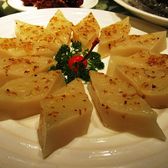
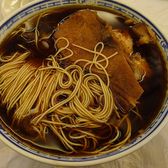
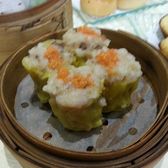
Squirrel mandarin fish, Suzhou-style noodles, Biluochun tea, sweet osmanthus cake, Aozao noodles and crab-roe dumplings in season.

What are the must-see sights in Suzhou?

The Humble Administrator’s Garden — go right at opening, before the tour flags arrive — Suzhou Museum, Pingjiang Road, the Lingering Garden, Shantang Street and Tiger Hill, with Tongli or Zhouzhuang as the water-town add-on.