Nanjing ● CITY TOUR BOARD

Nanjing 南京

Capital of six dynasties, wrapped in the world's longest surviving city wall. Ming tombs under the plane trees, lantern-lit Qinhuai nights, and museums that hold both the grandeur and the grief of China's history.

Introduction

Nanjing was the capital before Beijing was, and much of the Ming wall it built is still standing — about twenty-five kilometres of the thirty-five originally raised. The sights fall into two halves: Purple Mountain in the east holds the tombs, and the old southern city holds the wall, the river and the memorial. Two days covers both. What catches people out is Monday, and one booking that has to be made days ahead.

Travel highlights

Monday closes three sites

The Sun Yat-sen Mausoleum, the Massacre Memorial and the City Wall Museum all close on Mondays. The Ming Xiaoling scenic area and its Sacred Way stay open, though the museum inside it does not, and Xuanwu Lake and the wall itself are never shut at all.

Book the memorial a week ahead

Entry is free but every visitor must book by name, one to seven days out, with the day's tickets released at 08:00. A passport is accepted as ID, and each person may book only once in a month.

Purple Mountain is a whole day

The Sun Yat-sen Mausoleum, Ming Xiaoling and Linggu Temple share one wooded hill of 448 metres and a shuttle bus between them. Metro line 2 gets you to the foot. The walking is what tires people.

Seventy-five minutes from Shanghai

Nanjing South sits on the Beijing–Shanghai high-speed line — about an hour and a quarter to Shanghai, around four hours to Beijing. It is the stop between the two rather than a detour from either.

Travel alerts

Top attractions

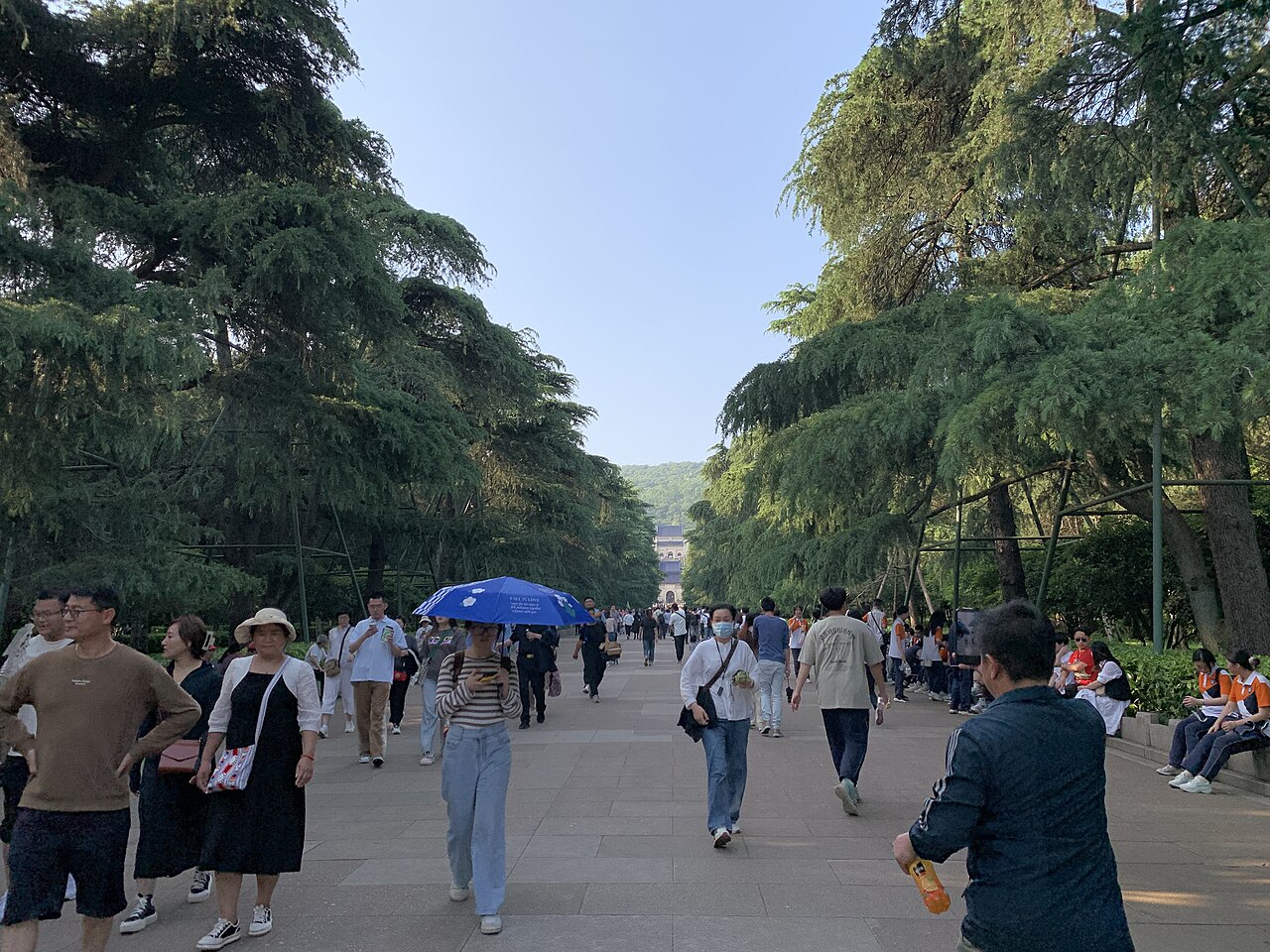
Visitors walking the tree-lined avenue that leads up to the Sun Yat-sen Mausoleum, Nanjing

Sun Yat-sen Mausoleum

The tomb of the man who ended the last dynasty, laid out as a stone stairway of 392 steps climbing to a blue-tiled hall. Free since 2010, but not walk-in: every visitor books a named, timed slot in advance, up to seven days out, and each day's places are released at 16:00. The burial chamber (墓室) at the top of the steps is open Tue–Fri (except holidays) and on Sun Yat-sen's birthday/anniversary; it is closed Mondays and public holidays. Closed Mondays for conservation work, which is the day to keep off this hill altogether. Ming Xiaoling is the next stop west along the same shuttle route.

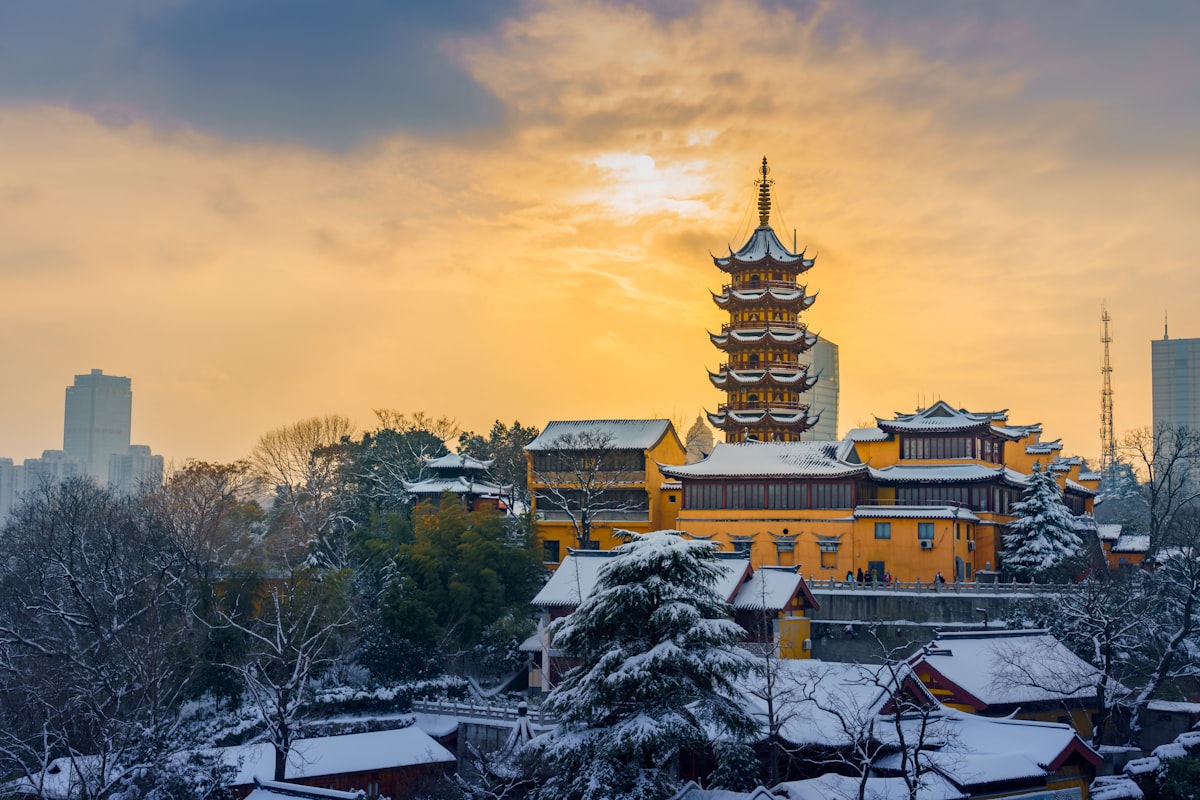
Snow-covered Jiming Temple pagoda glowing at sunset in Nanjing

Ming Xiaoling Tomb

The tomb of the Ming founder, and the pattern every later imperial tomb was built to. World Heritage since 2003, ¥70, and open on Mondays when its neighbour is not. Walk in along the Sacred Way, where twelve pairs of stone animals line a curving avenue that is at its best in late autumn.

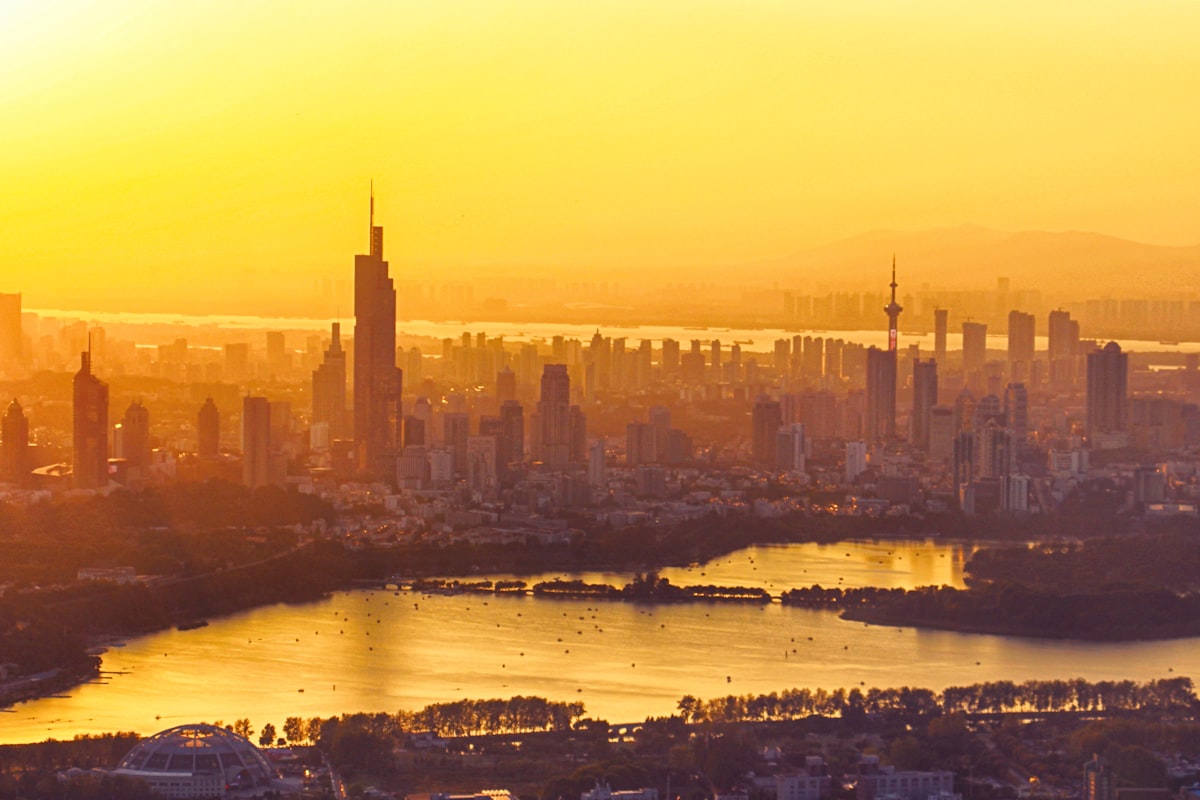
Golden sunset over Xuanwu Lake and the Nanjing skyline crowned by Zifeng Tower

Xuanwu Lake

A walled imperial lake with five linked islets, free, and open at any hour along the ring road. The Ming wall runs along its southern edge, and the way up onto it is behind Jiming Temple at Jiefangmen — ¥10 at the temple gate, and three sticks of incense come with the ticket.

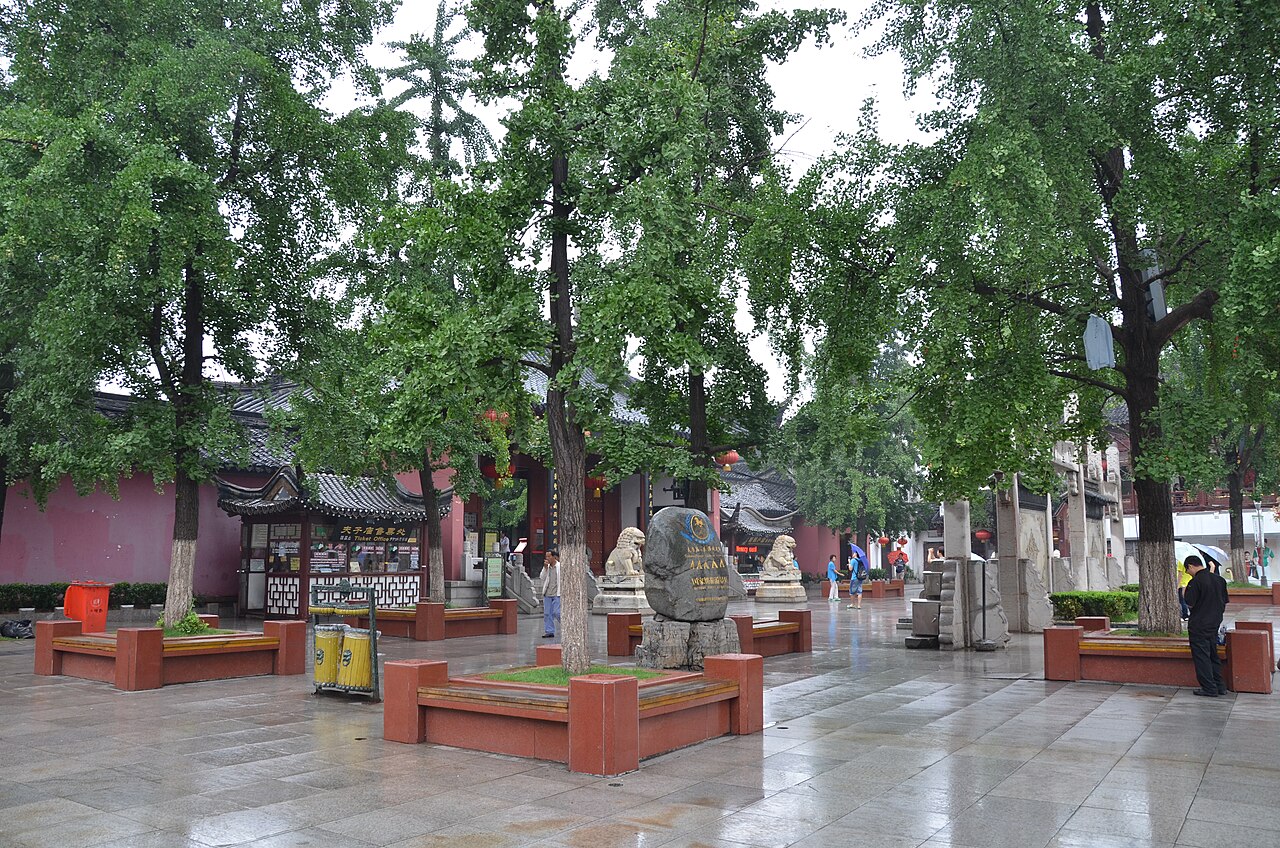
Tour boats moored on the Qinhuai River beside Nanjing's Confucius Temple

Nanjing Massacre Memorial

The museum and burial ground for the winter of 1937, and for many travellers the reason to stop in Nanjing at all. Free, but every visitor books by name one to seven days ahead, a passport counts as ID, tickets go at 08:00, and you may book only once a month. Closed Mondays. Yunjinlu on line 2 is across the road.

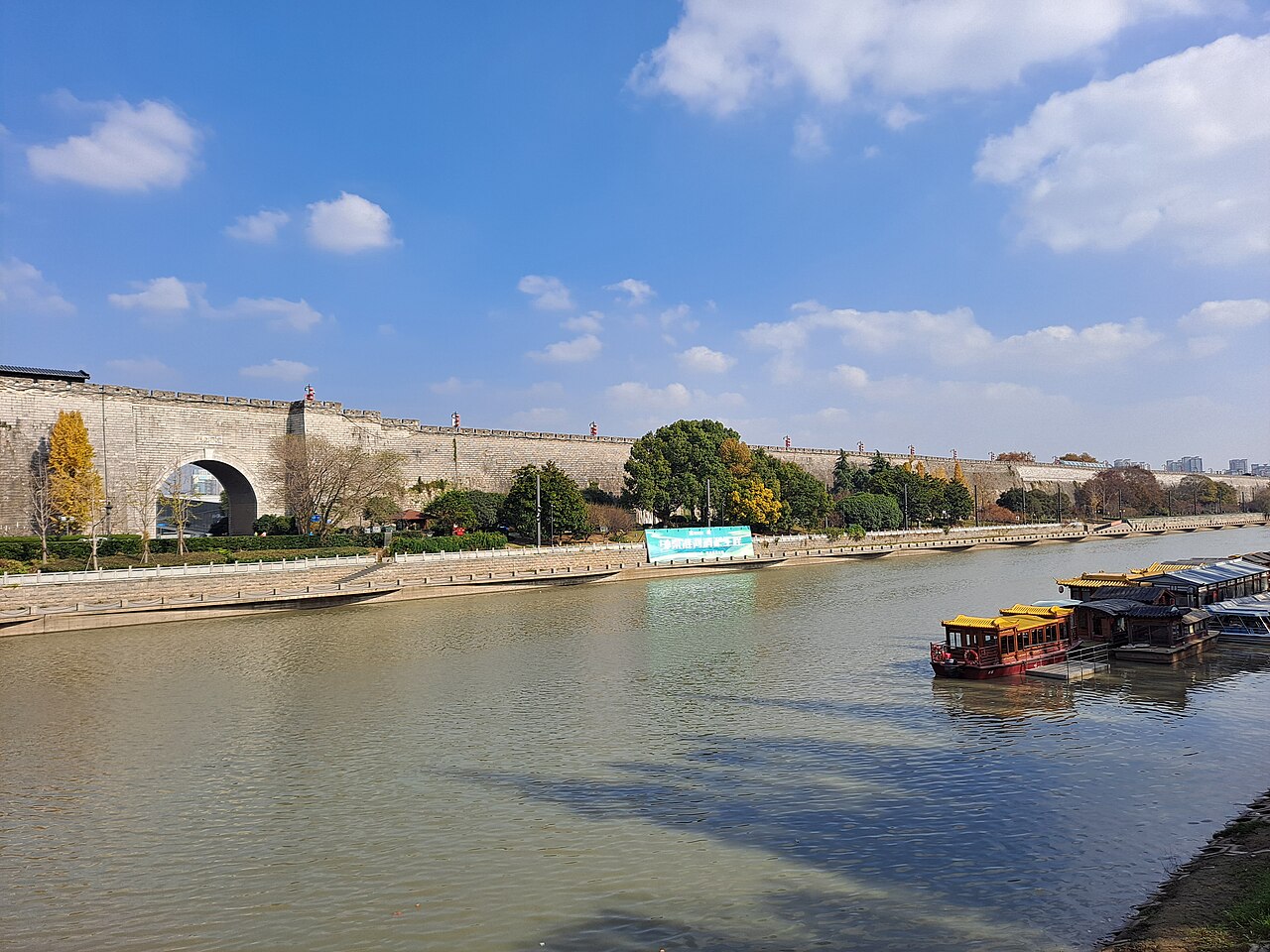
The Ming city wall and moat at Zhonghua Gate, Nanjing, with a boat passing

Zhonghua Gate

Not a gate so much as a fortress — three courtyards one behind the other, with twenty-seven vaulted chambers built into the walls and ramps to hold soldiers. ¥50 (day ticket; ~¥47 when booked online). The Nanjing City Wall Museum opened opposite it in 2021 and explains the bricks, many stamped with the names of the men who made them. It is free and it closes on Mondays; book a slot through its official account, or scan the code at the door if places are left.

Shopfronts and hanging lanterns in the Confucius Temple quarter beside the Qinhuai River

Qinhuai River & Confucius Temple

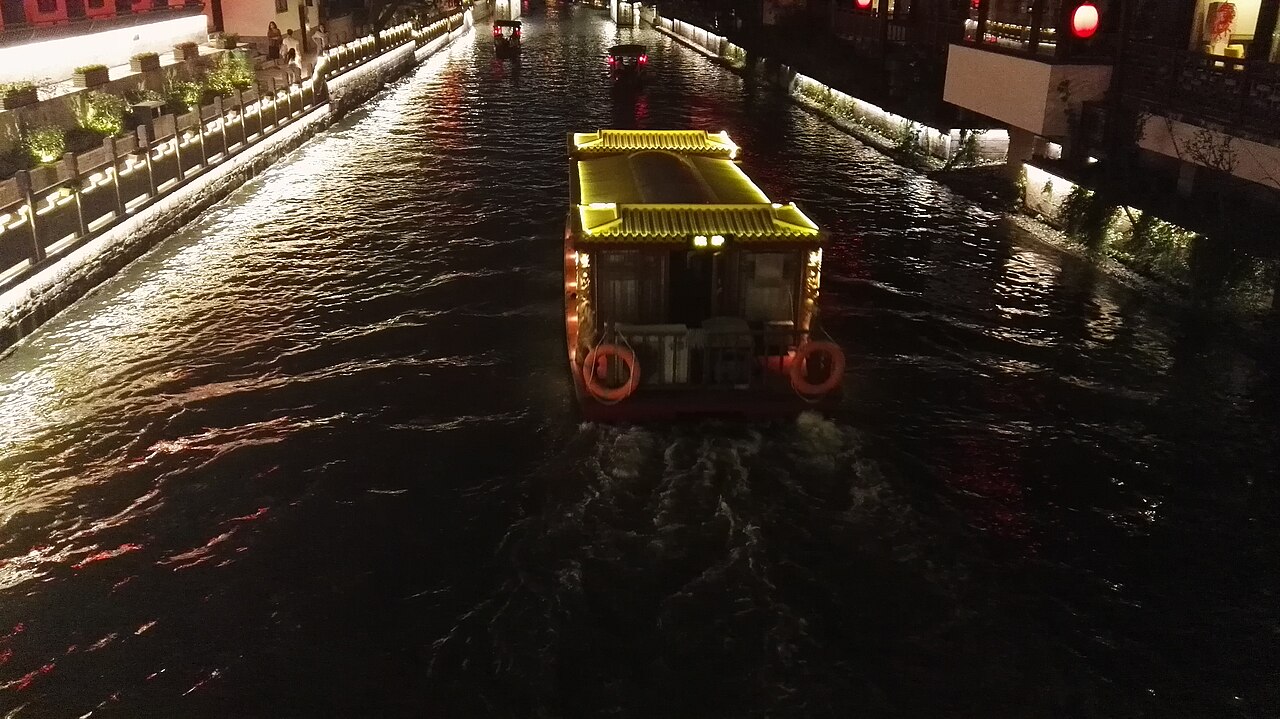
A temple has stood here since 1034, and the lanes around it cost nothing to walk; the hall itself and the old imperial examination grounds next door charge. Come after dark, when the lanterns are lit and the painted boats run. The old snack houses are here too, and Zhonghua Gate is a walk south along the river.

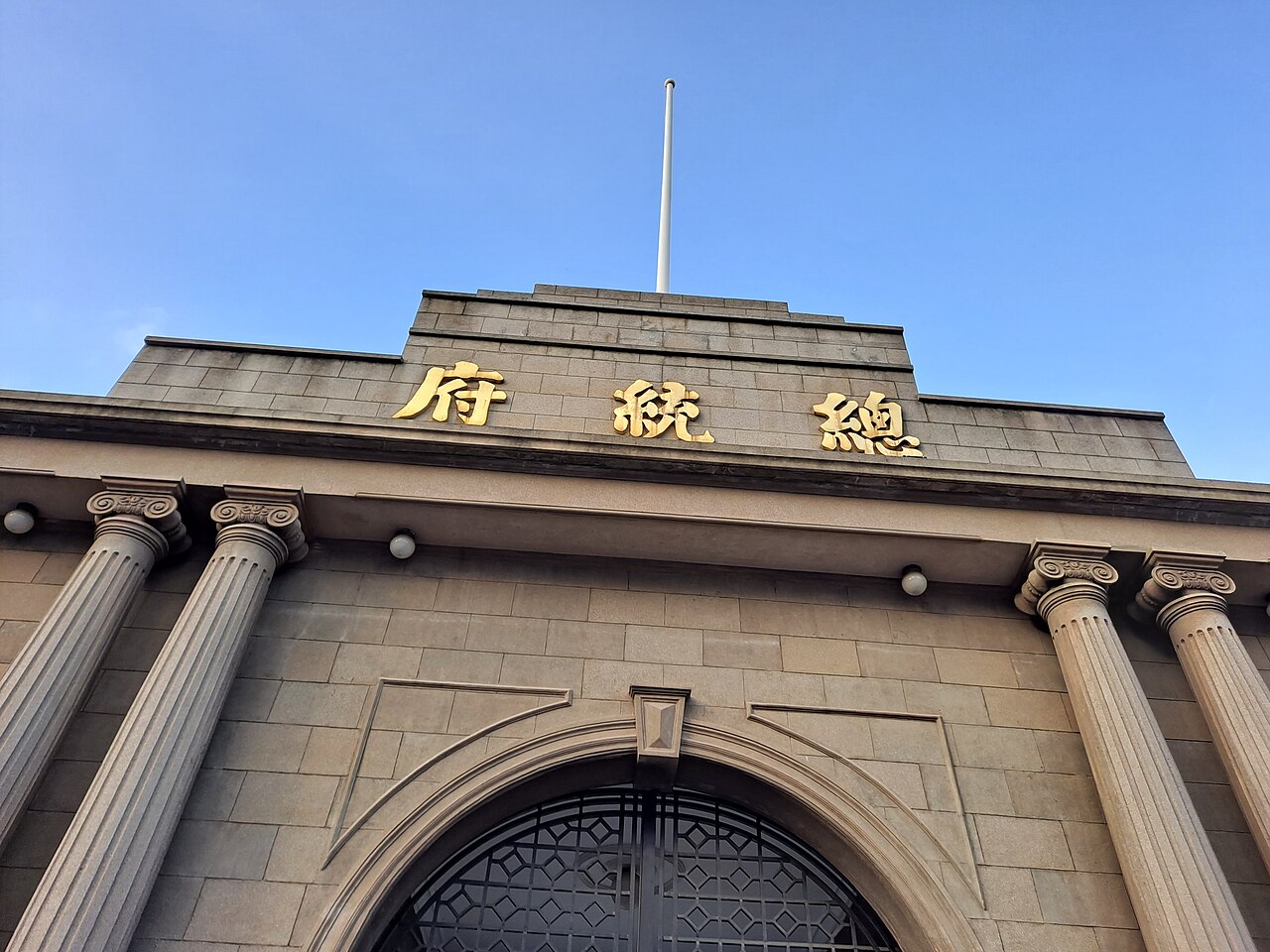
The stone gatehouse of the Presidential Palace in Nanjing, Roman columns flanking the arched gate and gilded Chinese characters 总统 府 across the lintel

Presidential Palace

The seat of the Republic of China government from 1927 to 1949, and before that a Ming- and Qing-era garden and offices. ¥35, student half-price. The site is two halves: a walled garden with lakes and weathered rock (Xuyuan), and the colonial-style administrative buildings — the Great Hall where the Nationalist government sat, Sun Yat-sen's inauguration hall and the presidential office. Allow a full morning, longer if you read Chinese history. Closed Mondays. Book through the official WeChat account 南京总统府景区 — the day's tickets release at 00:00, up to two days ahead, and same-day slots sometimes open at the gate.

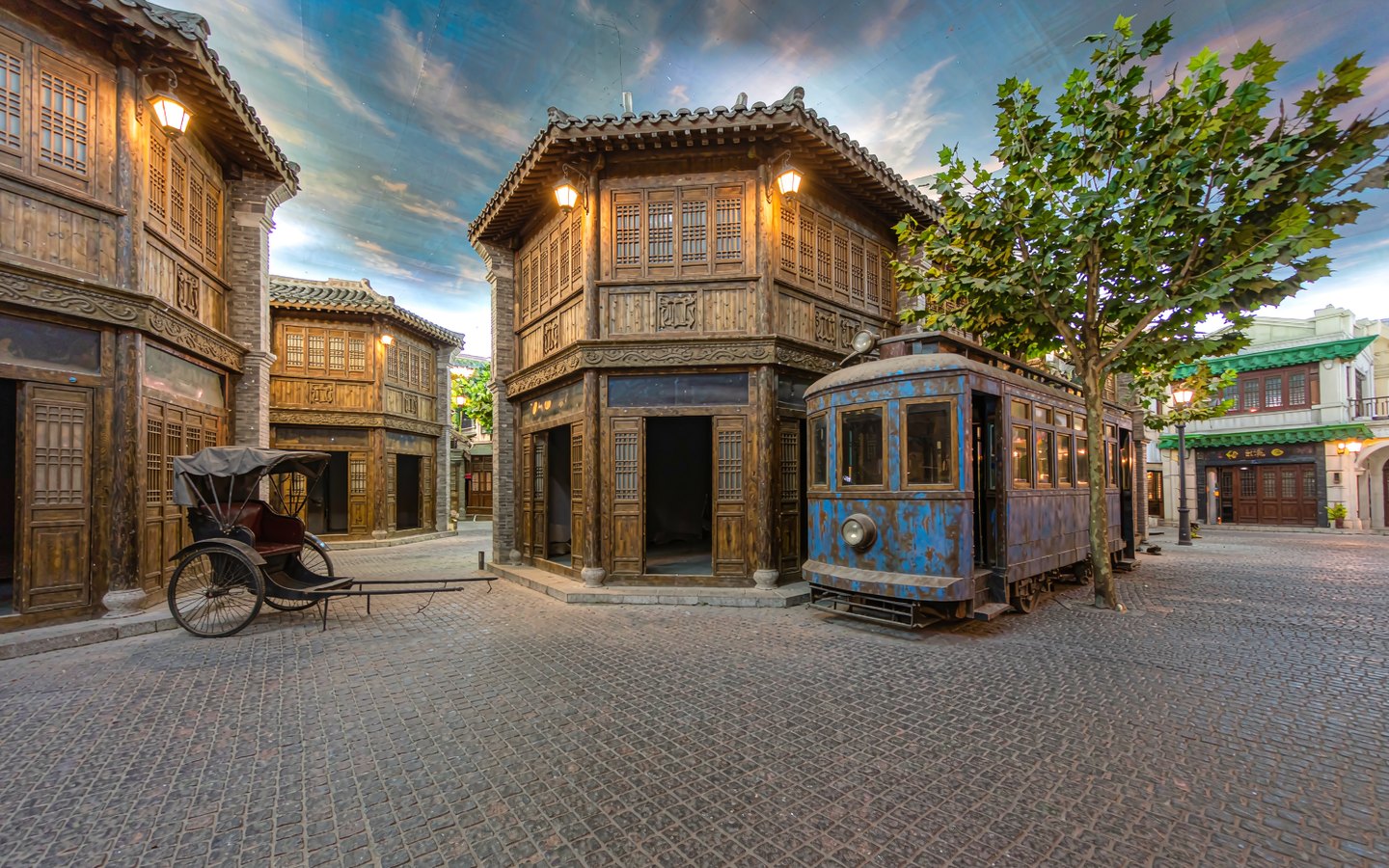
Recreated 1930s street with rickshaw inside a museum basement

Nanjing Museum

One of China's 'big three' museums, free, and the missing answer to why Nanjing was a six-dynasty capital. The basement Republic-era gallery is a full-scale 1912–49 streetscape — station, post office, teahouse, rickshaws — the most photogenic hall in any Chinese museum; the star piece is a 9,100-gram Western Han gold beast, China's heaviest unearthed ancient gold object. Book on the official WeChat mini-program: tickets drop at 18:00 seven days out and go fast. Closed Mondays; bring the original of your ID.

3 more spots worth seeing
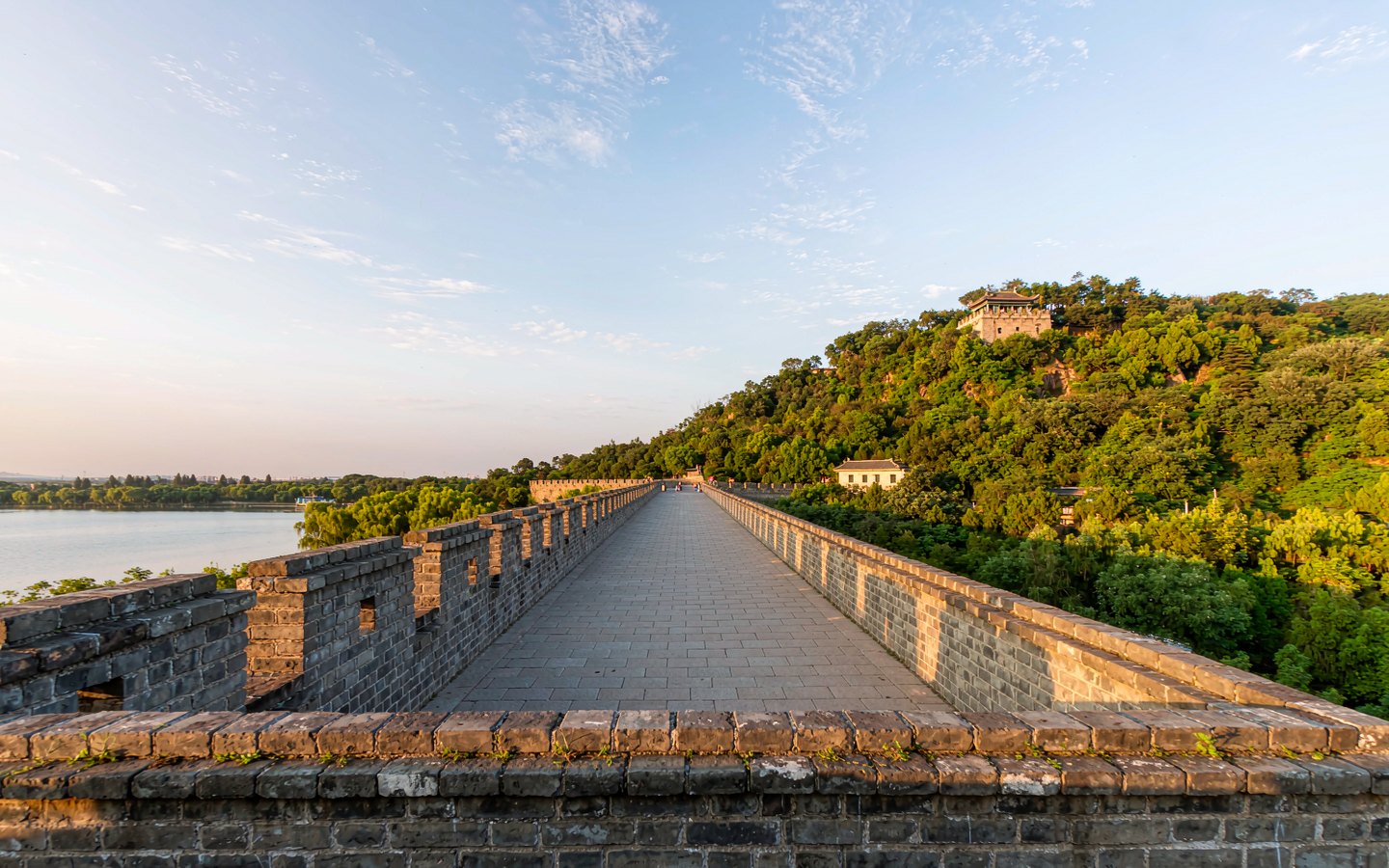
Walkway atop a Ming city wall between a lake and forested hills

Nanjing City Wall (Ming) — walking the ramparts, not just Zhonghua Gate

The world's longest surviving city wall — 25 km you can actually walk, sold in sections. Pick by view: the ¥30 Shence Gate–Taiping Gate stretch (about 6 km, includes the wall museum) puts Xuanwu Lake on one side and Purple Mountain and Jiming Temple on the other; the ¥50 Zhonghua Gate section includes the barbican. Sections have separate tickets and scattered entrances, so decide before you buy — buying Zhonghua Gate when you wanted the lake view is the classic mistake.

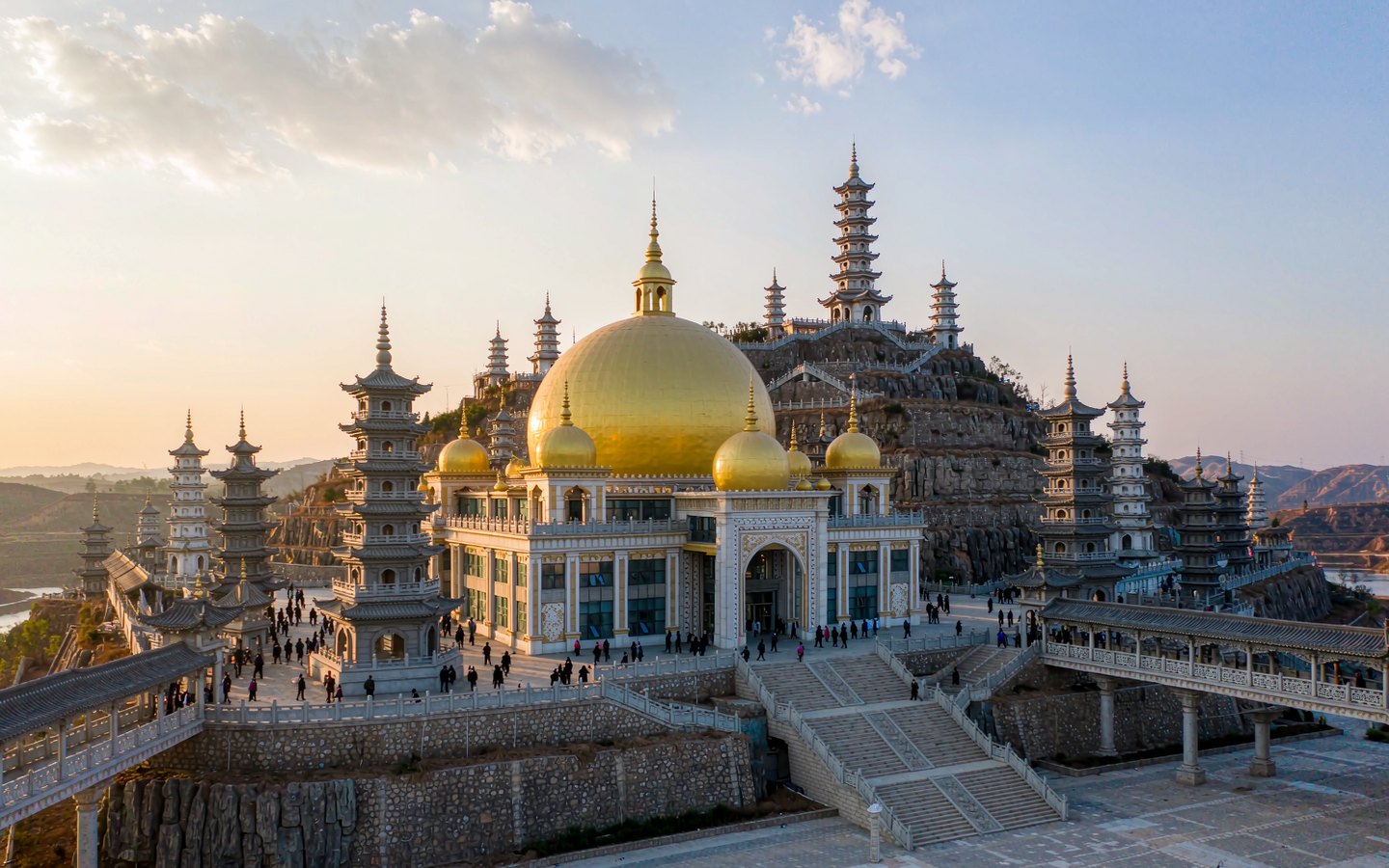
Golden domed palace rising from a quarry cliff on a forested hill

Niushou Mountain & the Foding Palace

A ¥4-billion Buddhist palace built inside a 66-metre abandoned quarry, six floors down to a 21.8-metre stupa holding the world's only known parietal-bone relic of the Buddha. Crucially, the relic shows only on a few holy days — New Year, Spring Festival, National Day, major Buddhist anniversaries; other days you see the palace, not the relic. It's 20 km out in Jiangning (metro line 1 to Tianlongsi, then bus); allow half a day, and foreigners swap passports for paper tickets.

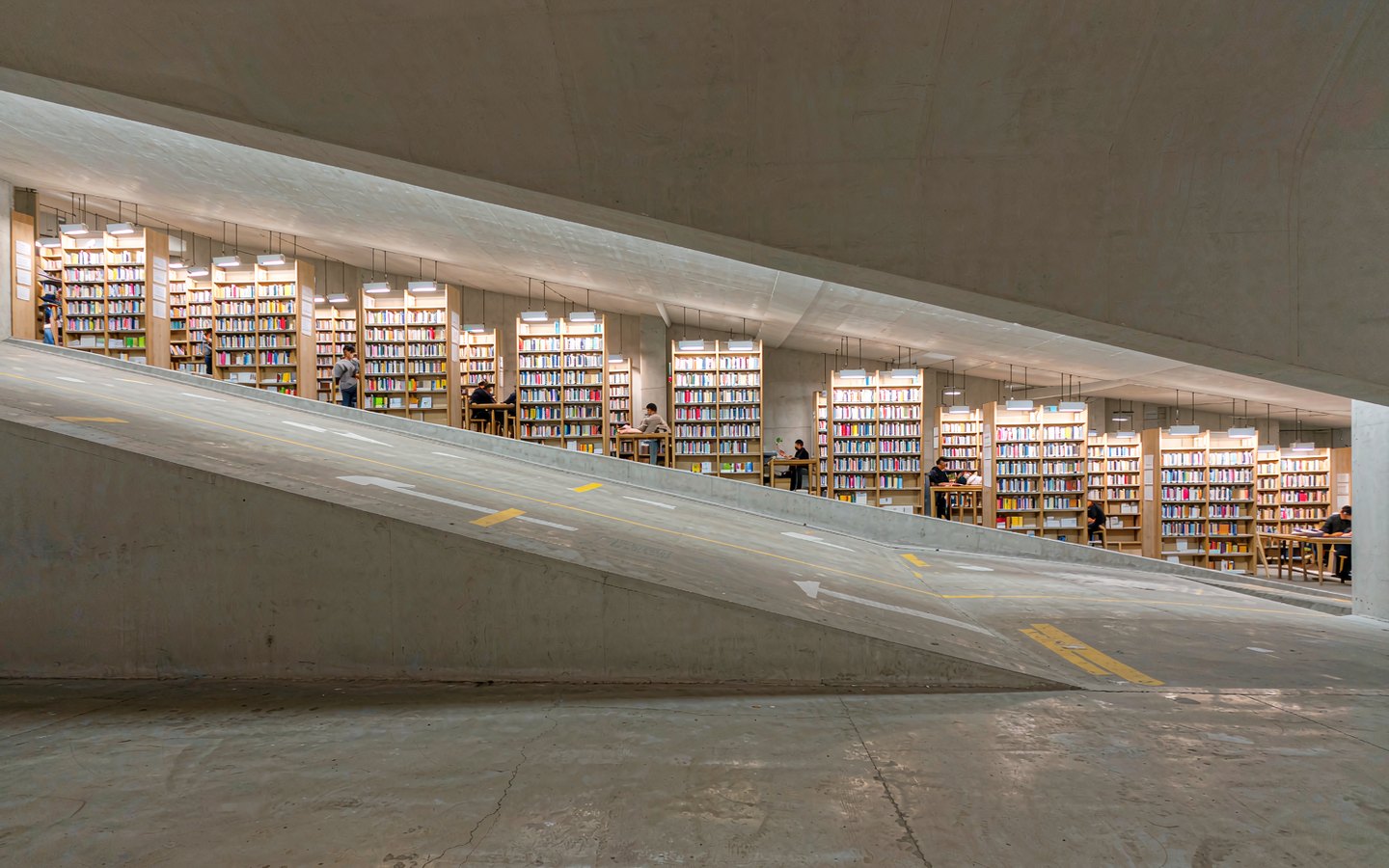
Bookshop aisles running down a converted car-park ramp

Librairie Avant-Garde (Wutai Mountain flagship)

A bookshop in a converted underground car park — the ramp's double yellow lines still on the floor — that made the global best-bookshop lists of the BBC, the Guardian and National Geographic, the only Asian entry on the latter's. Free to enter, on the metro, and it pairs with Nanjing University and the Yihe Road mansion streets for a Republic-era half-day. Photo and shoot rules were tightened in 2025, so check current policy if the picture is the point.

Local cuisine

Where to stay

Plenty of cheap domestic chains in Nanjing are not registered to take foreign guests and will turn you away at the desk, whatever the booking site said. Book somewhere that states it accepts foreign passports, and keep the confirmation on your phone.

Getting around

Getting here

  • NKG airport → city

    Lukou is about 36 km south of the centre. Terminals 1 and 2 are split by airline rather than by domestic and international, so check the terminal printed on your ticket. Metro S1 runs to Nanjing South in about 35 minutes for ¥7, roughly 06:00 to 22:40. Airport buses are ¥20–25 depending on the route, and a metered taxi to the centre is ¥120–160 including the expressway toll.

  • By high-speed rail

    Nanjing South is on the Beijing–Shanghai line: about 75 minutes to Shanghai, around four hours to Beijing. Metro lines 1, 3, S1 and S3 all run from underneath it.

  • Two mainline stations

    Nanjing South takes most high-speed trains. Nanjing Station, up by Xuanwu Lake, takes the rest and sits on lines 1 and 3. Read which name is printed on your ticket before you get in a taxi.

Your passport is the ticket on 12306 and seats open 15 days ahead. The S1 airport line ends at Nanjing South rather than in the centre, so if you land late, check the last train before you count on it.

Local transport

  • 🚇

    Metro

    From ¥2 and rising with distance, with every station signed and announced in English. It reaches the mountain, the lake, the memorial and the river without a change in most cases.

  • 🚕

    Taxi & DiDi

    The meter starts at ¥11 for the first three kilometres, then runs at about ¥2.4 a kilometre. The old fuel surcharge is now inside that starting fare, not added on top. DiDi has an English app and takes foreign cards, so you never have to say an address out loud.

  • 🚌

    Purple Mountain shuttle

    A scenic-area bus loops between the Sun Yat-sen Mausoleum, Ming Xiaoling and Linggu Temple. Worth taking — the three sites are far apart on foot and the road climbs.

No transit card needed: open the transport mini-app inside Alipay and scan the QR code at the gate. Museum tickets are a separate system — the Massacre Memorial, the City Wall Museum and the Sun Yat-sen Mausoleum each take bookings through their own official WeChat account, so set WeChat up before you travel.

What's on

Recommended routes

All routes →

FAQs

What is the best time to visit Nanjing?

March to May and September to November. Summer is one of China’s furnaces; winter is cold and damp.

How many days should I spend in Nanjing?

Two days: Purple Mountain’s mausoleums as one green half-day, the city wall and Xuanwu Lake, and the Qinhuai riverfront by night.

How do I get from Nanjing airport to the city centre?

Metro Line S1 runs from Lukou airport in about 35 minutes. A DiDi to the centre is around ¥120.

What is the best way to get around Nanjing?

The metro, from ¥2 with every station signed in English. Taxis and DiDi start at ¥11, and a scenic shuttle loops Purple Mountain between the mausoleums.

Which area should I stay in Nanjing?

Xinjiekou, where Metro Lines 1 and 2 cross, is the middle of everything; Confucius Temple–Qinhuai puts you among the lanterns; Gulou is the student quarter. Plenty of cheap chains are not registered for foreign guests, so check first.

What food should I try in Nanjing?

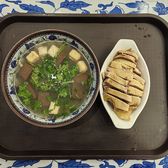
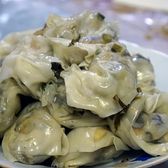
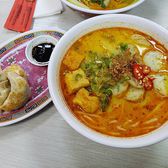
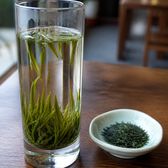
Salted duck, duck-blood and vermicelli soup, soup dumplings, sweet osmanthus taro, pan-fried buns and Yuhua tea.

What are the must-see sights in Nanjing?

The Sun Yat-sen Mausoleum and Ming Xiaoling Tomb on Purple Mountain, Xuanwu Lake, the Nanjing Massacre Memorial — free, sober and worth the time — Zhonghua Gate, the Qinhuai River and the Presidential Palace.