Luoyang ● CITY TOUR BOARD

Luoyang 洛阳

China's ancient capital for 13 dynasties, home to the UNESCO-listed Longmen Grottoes and the country's first Buddhist temple.

Introduction

Luoyang took its turns as a capital across more than a thousand years, and what survives is spread across the city rather than gathered in one place: a cliff of Buddhist carving to the south, the temple traditionally counted as China's first Buddhist foundation out east, a rebuilt palace gate in the middle. Almost nobody flies in — the airport is small and domestic, and the high-speed train from Xi'an takes well under two hours. Two days covers the city, unless you come in April, when the peonies and everyone who came to see them arrive together.

Travel highlights

Longmen tickets carry a time slot

Tickets are real-name and timed: you pick a slot when you buy, and you show the same document at the gate. A passport works — the official notice lists it beside the Chinese ID card — and you can buy at the ticket-centre window as well as online. ¥90 covers both banks of the river, and half a day is the honest allowance.

Arrive by train, not plane

Luoyang's own airport is small and almost entirely domestic. Nearly everyone comes on the high-speed line — Xi'an North in about an hour and a half, Zhengzhou East in about forty minutes.

April is the crowded month

The peony festival runs from the start of April to about the fifth of May. Wangcheng Park charges admission for those five weeks; hotels fill; and the museums that normally close on Mondays stay open right through. The park is free for most of the rest of the year, though it charges again for the Spring Festival lantern fair in February, and its zoo charges separately whatever the season.

The metro stops short of Longmen

Two lines: line 1 east–west through the centre, line 2 north–south between the train stations, ¥2–4 a ride. Neither reaches the grottoes — from Longmen station it is bus 71, or about ¥20–30 in a taxi.

Travel alerts

Top attractions

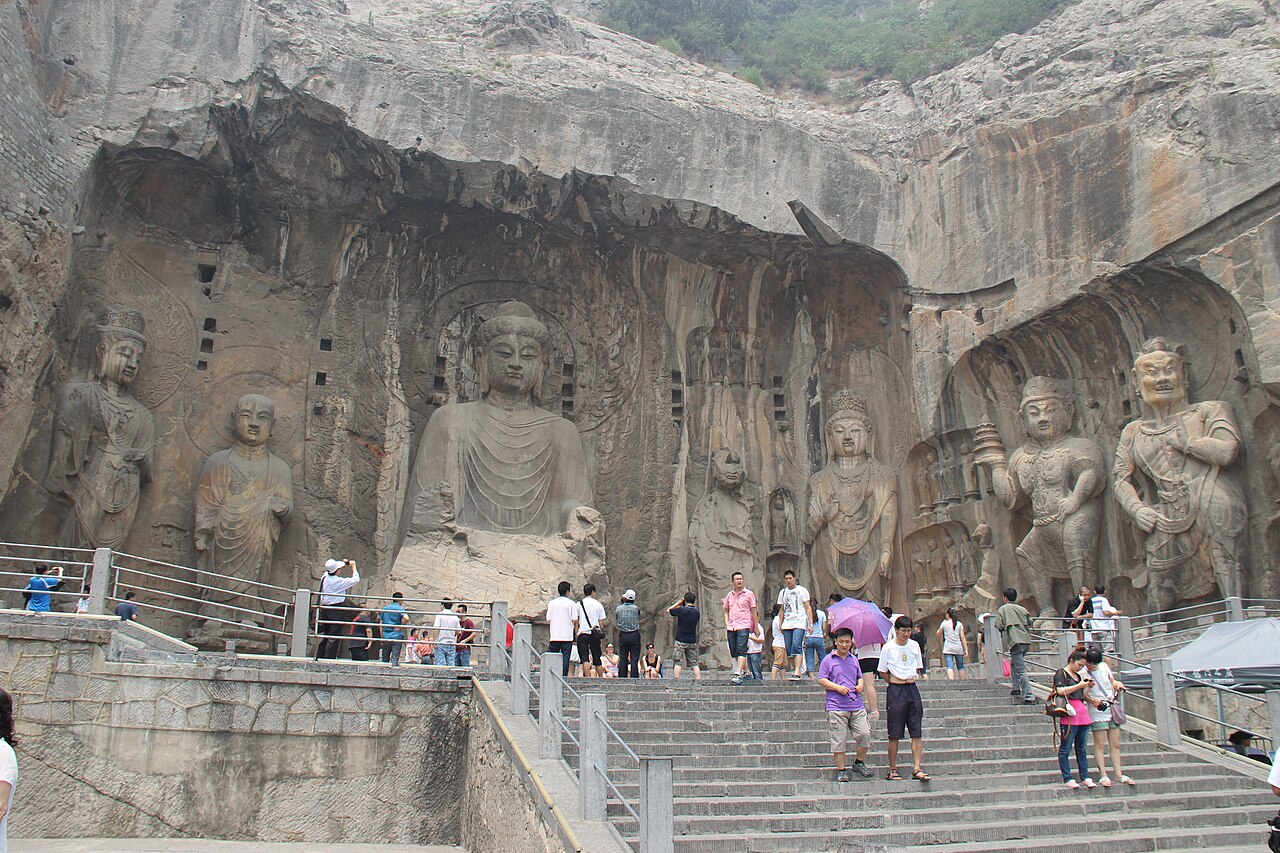
Staircases climbing the cliff face of grottoes at Longmen, Luoyang

Longmen Grottoes

Tens of thousands of Buddhas cut into the limestone on both banks of the Yi River, begun under the Northern Wei in 493 and carried on for six centuries. ¥90, real-name and timed, and the west bank out with the east bank back takes three to four hours. From late March there is a separate night session, ¥90 again: entry 18:00 to 20:00 and everyone out by nine, with only the west bank and Xiangshan Temple open after dark.

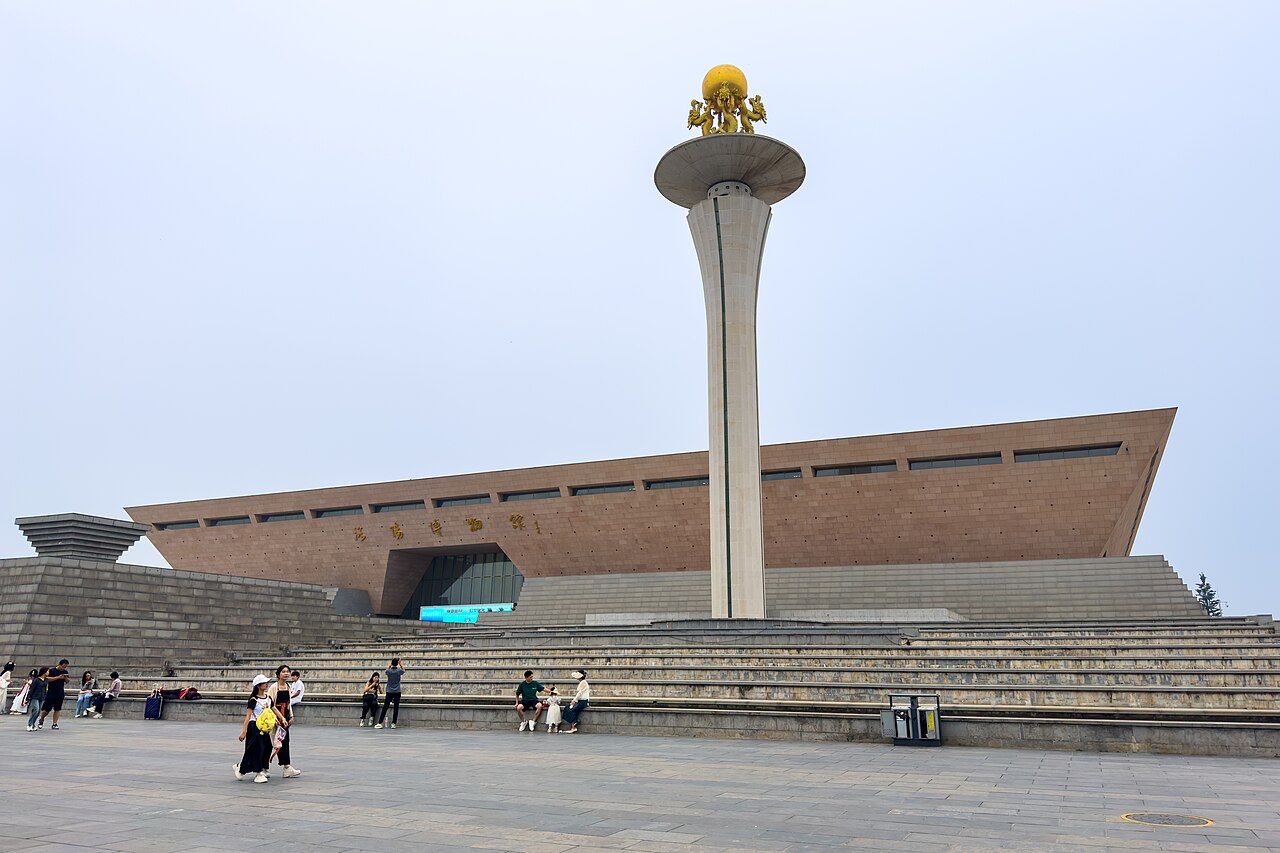
The trapezoidal hall of the Luoyang Museum behind its steps, a gold-topped column in front

Luoyang Museum

Free, but not walk-in: you book a timed slot through the museum's WeChat account, up to three days ahead, and there is no booking desk at the door. If you book on a passport you register a face scan first and enter by facial recognition. Inside is the hour that makes sense of the rest of the city — Erlitou bronzes, Han and Tang tomb figures, the finds of a place that kept being made a capital. Open 9:00 to 17:00 with last entry at 16:30, and closed on Mondays except during the peony festival. Metro line 2 to Wenboyuan, then about 600 m east.

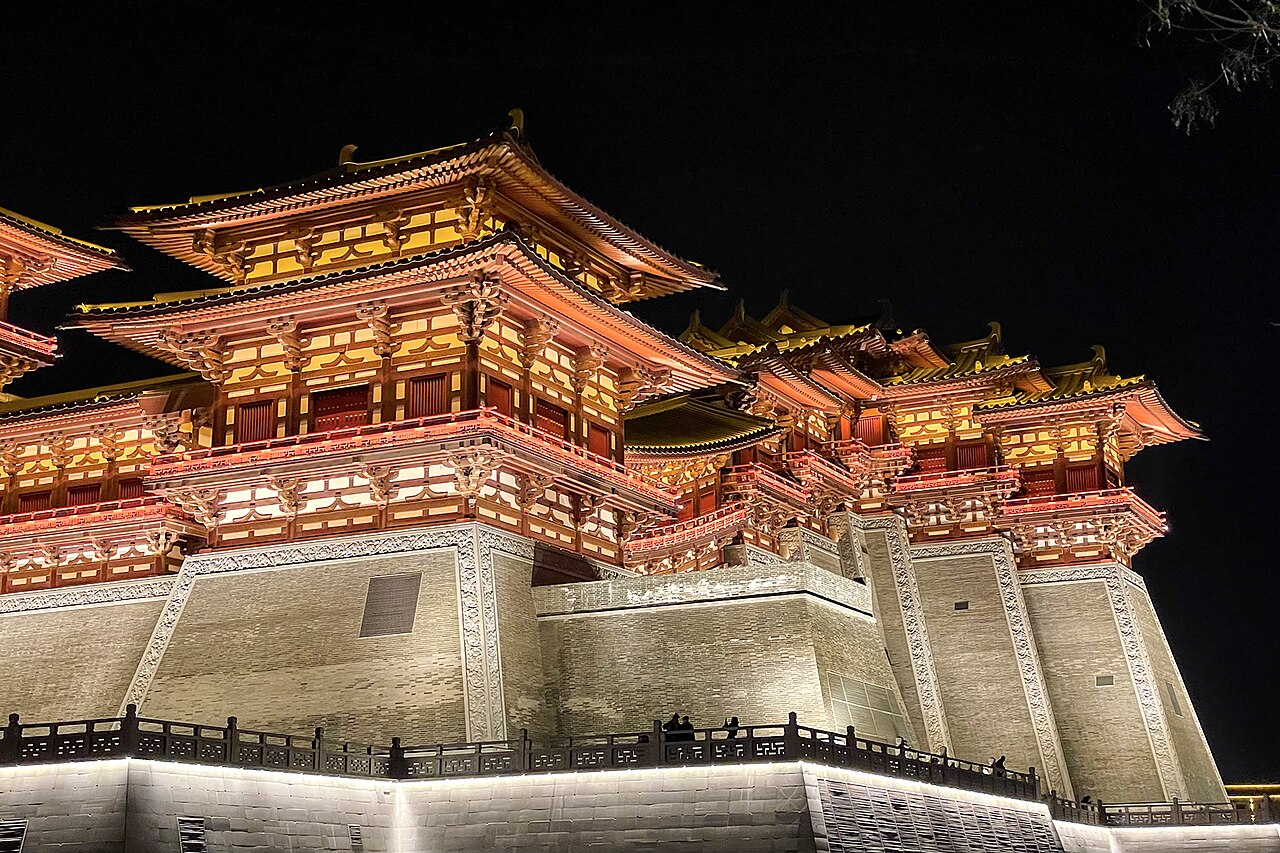
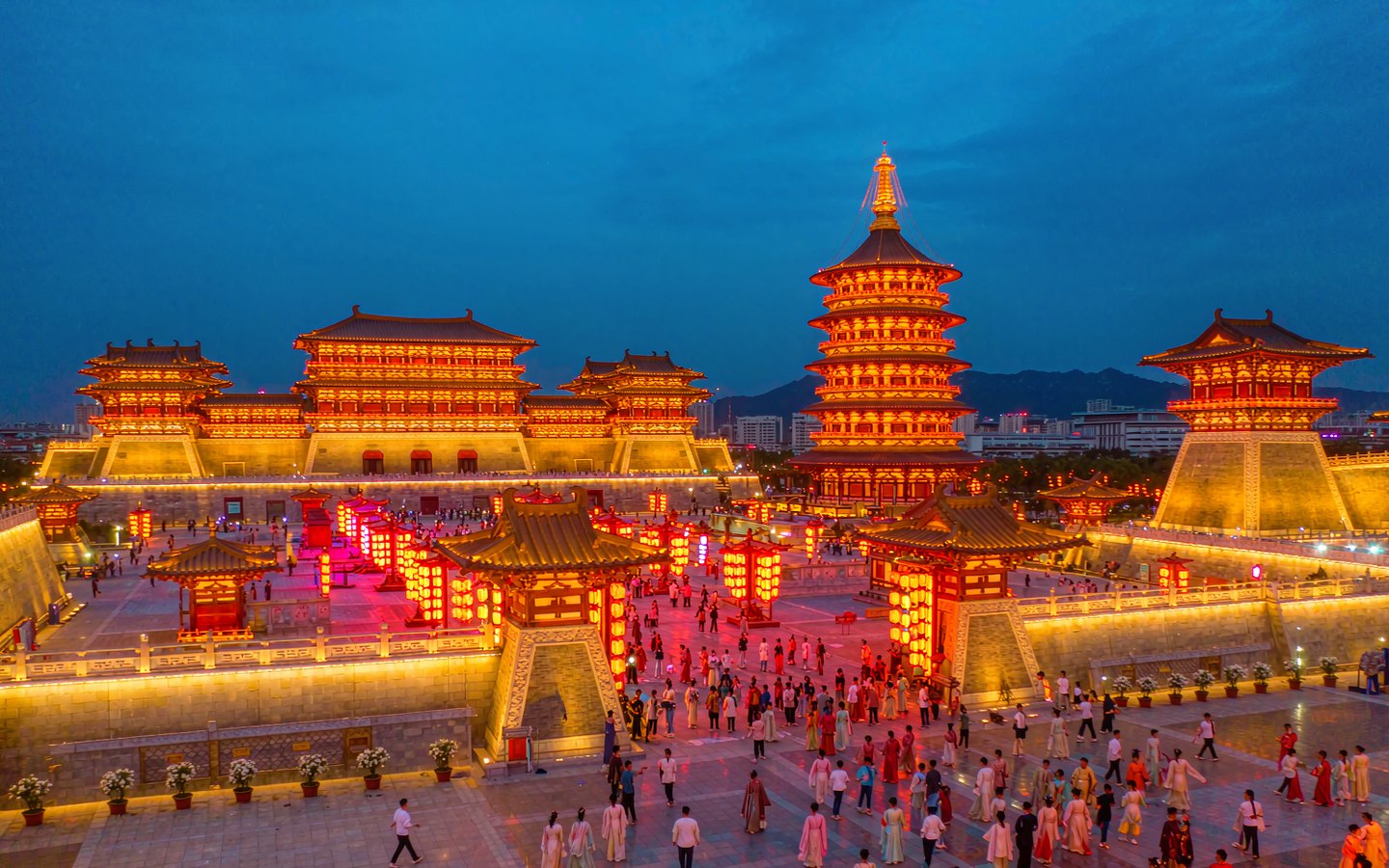
The reconstructed Yingtian Gate lit up at night, Luoyang

Yingtian Gate

The southern gate of the Sui and Tang palace, rebuilt directly over the excavated foundations, which are the exhibit in the museum inside its base. Work began in 2016 and it opened to visitors in 2019. Open 9:00 to 22:00, later in high summer, so the evening is a real visit and not just a photograph from outside: the gate is floodlit and a projection show is thrown onto the front of it, free to watch from the square. Sold as a single ticket or as a combined one with the other two Sui and Tang palace sites. Metro line 1 to Yingtianmen.

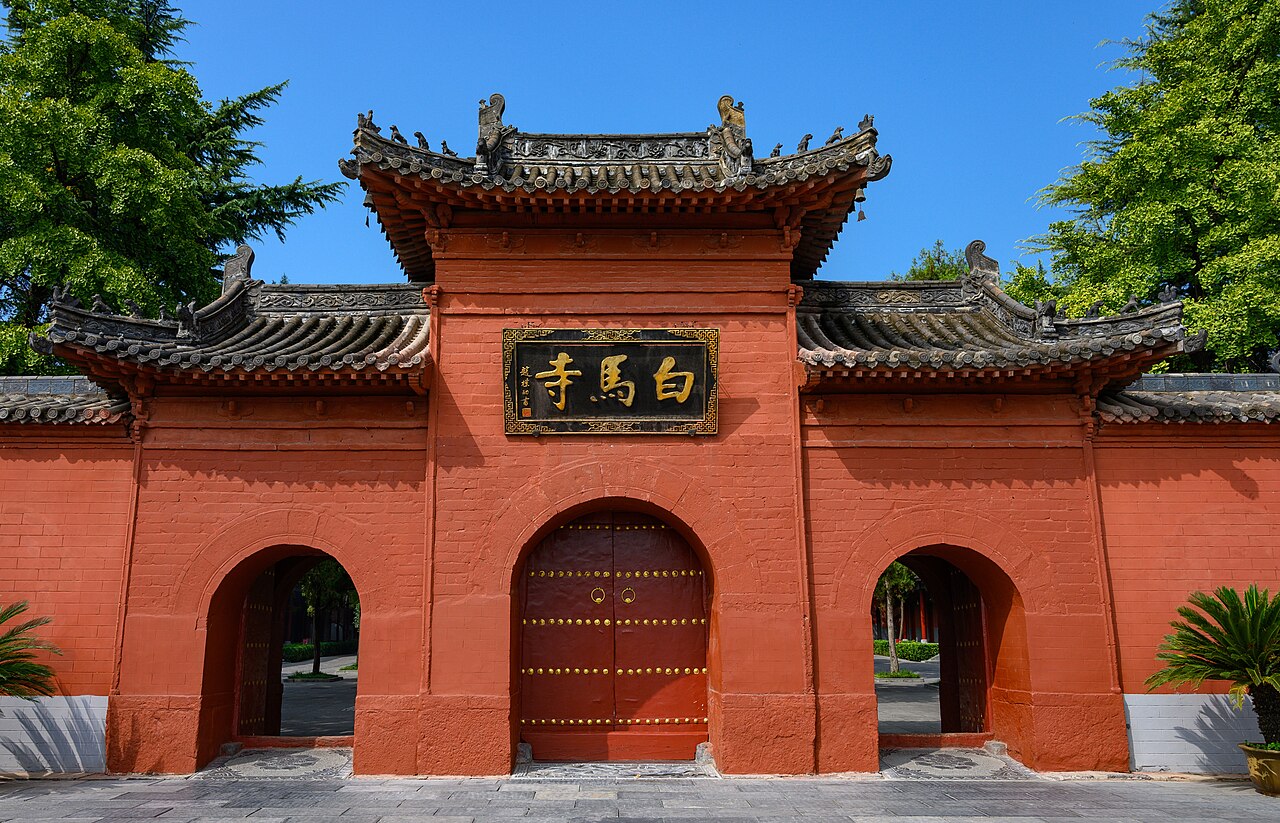
A painted guardian figure in one of the halls of the White Horse Temple, Luoyang

White Horse Temple

Founded in 68 AD and reckoned the first Buddhist temple in China, twelve kilometres east of the centre. ¥35, and the surprise is the newer end of the grounds: full-size Indian, Thai and Burmese halls, each built by that country. Bus 56 or 801 from Luoyang Station, or about forty minutes by taxi.

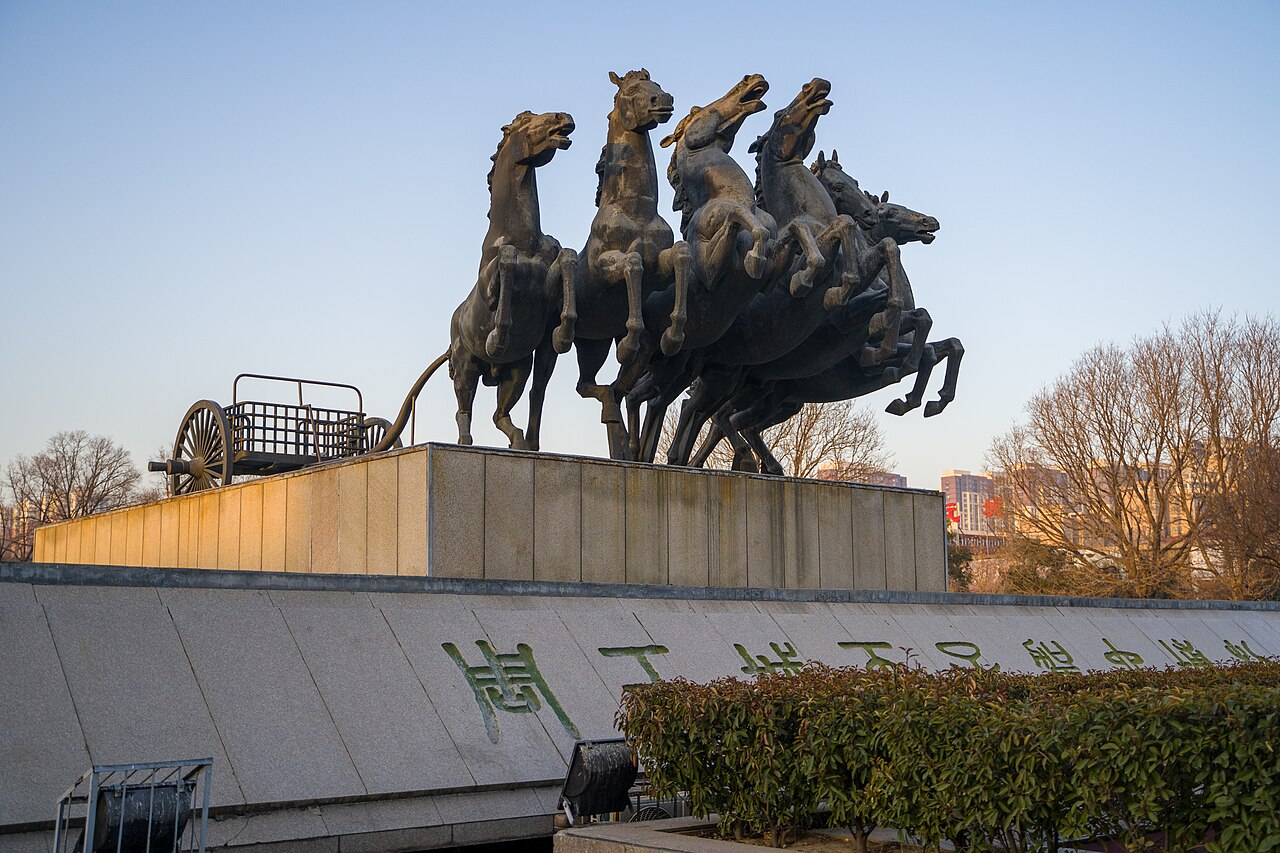
A bronze horse-and-chariot monument outside the Eastern Zhou chariot pits museum in Luoyang

Museum of Luoyang Eastern Zhou Royal Horse and Chariot Pits

An Eastern Zhou burial pit roofed over and left as it was found, under the square in the middle of town: chariots, and the skeletons of the horses still in harness. One chariot has six, the span the rites allowed only a king. ¥30 and about an hour. Open 8:30 to 18:30 and closed Mondays like the Luoyang Museum, with tickets booked online through the same WeChat account. Metro line 1 to Zhouwangcheng Square.

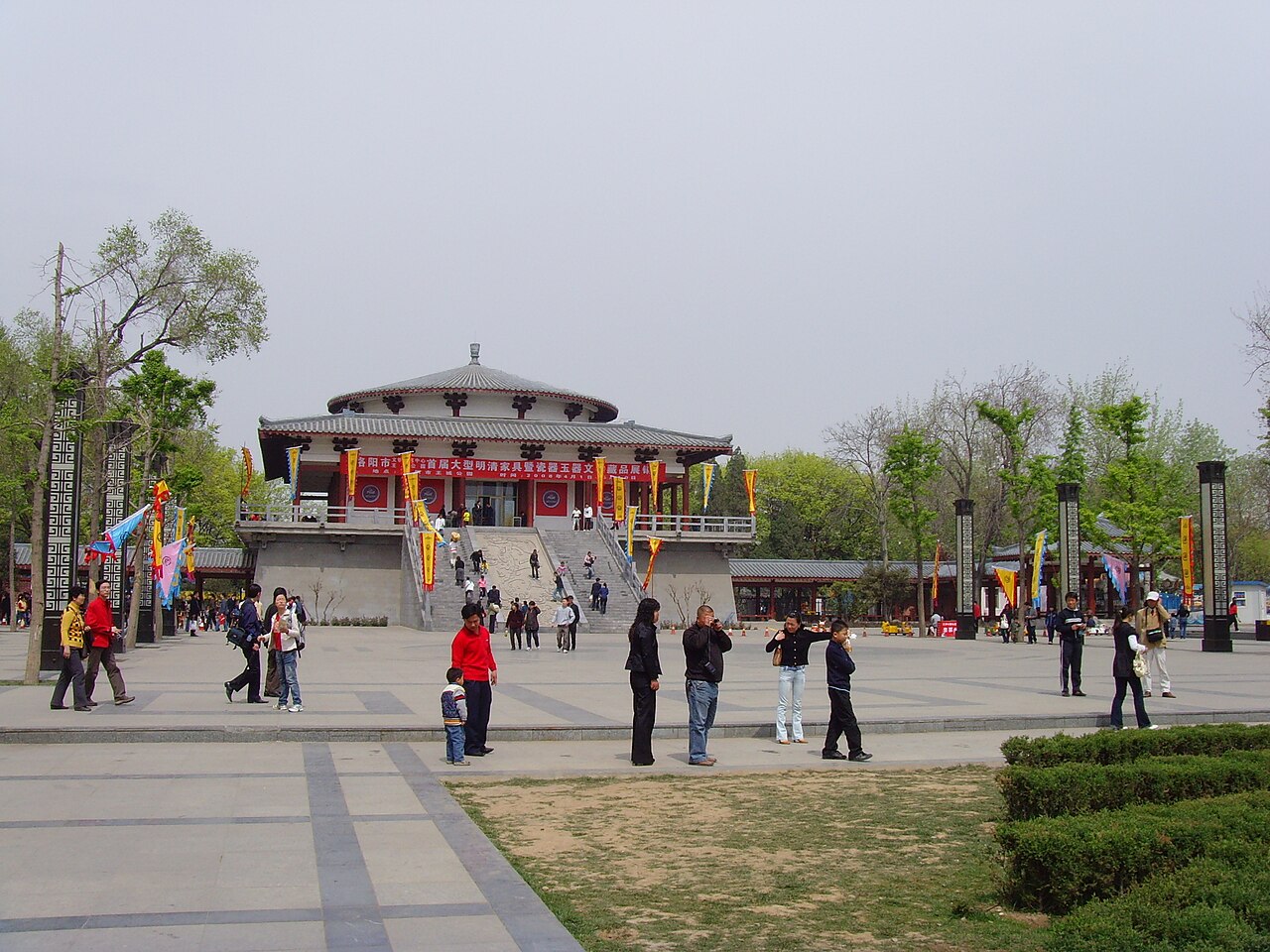
Visitors on the paved approach to a pavilion in Wangcheng Park, Luoyang

Wangcheng Park

Forty hectares on Zhongzhou Road, free for most of the year and the main site of the peony festival, when it starts charging. The peonies open in April and the crowds come with them; outside those five weeks it is an ordinary city park with a zoo in it. The chariot-pit museum is along the same road.

Visitors in Tang hanfu beneath lantern-lit towers at night

Luoyi Ancient City

Luoyang after dark: a free walled 'ancient city' and night-tour chart-topper — but the real engine is the 1,300-plus hanfu shops around it. Rent Tang-style dress and makeup for ¥80–180 (¥50–120 on Minzhu Street outside the gate) and you become part of the show. Reserve on the 'Luoyi Wentour' WeChat account; open 9:00–22:30, last entry 22:00. Arrive after 16:00 for the 18:30 lighting, the Wenfeng Tower 3D show and the ~21:05 water-screen film — expect serious weekend crowds.

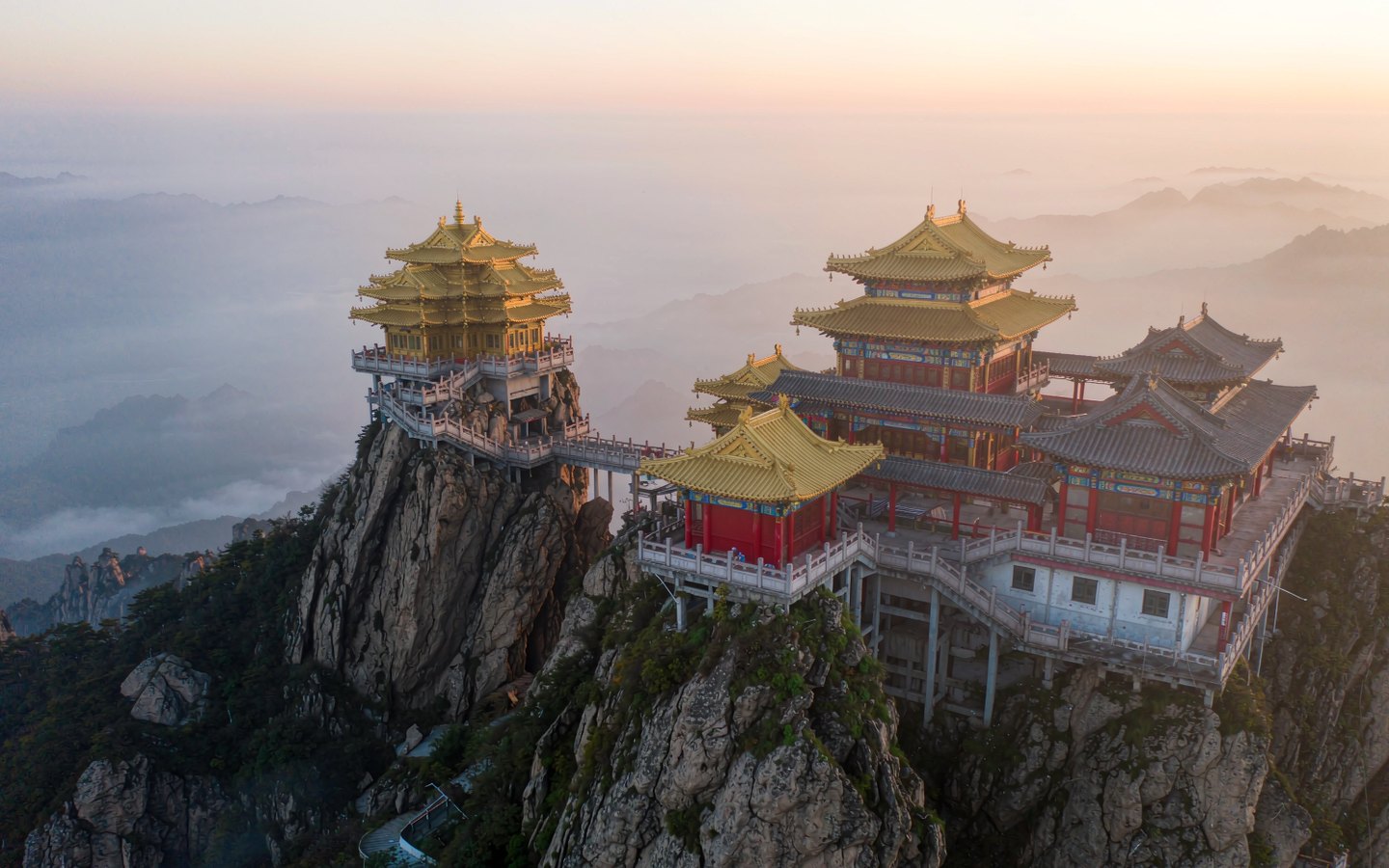
Golden Taoist temples on a cliff above a rolling sea of clouds

Laojun Mountain

The cliff-top golden temples that short video made famous — lit at 18:30 above a sea of cloud. Entry is ¥100, valid 48 hours; the first cableway (¥130 return) is effectively mandatory (4–6 hours on foot otherwise), the second (¥80) depends on your legs, and cableways stop carrying people up after 15:30. It's 150 km from Luoyang, 2.5–3 hours each way: a full day, never the same day as the Longmen Grottoes. The summit runs 8–15°C colder; bring a jacket.

1 more spots worth seeing
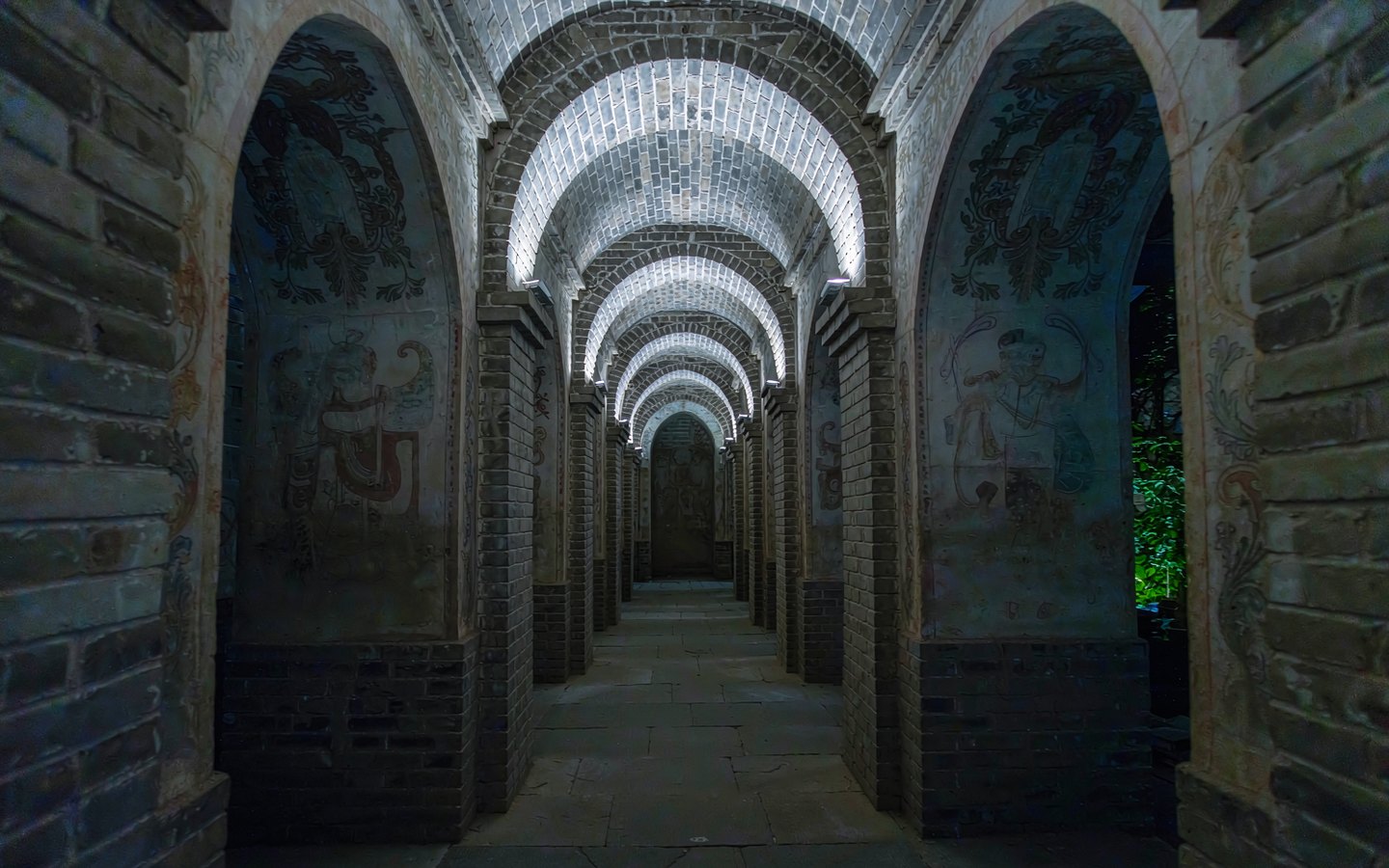
Stone tomb passage leading to a painted burial chamber

Luoyang Ancient Tombs Museum

China's only museum of tomb culture — and you actually go down into the tombs: 25 real graves from Han to Song-Jin, moved and rebuilt along a corridor seven metres underground, plus the mural tomb of Bu Qianqiu and the accessible burial chamber of Northern Wei emperor Xuanwu. Free but reserve on the museum's WeChat account; passports work. Closed Mondays and usually the day after holidays. It's cool and dim underground — bring a layer, and think twice with small children.

Local cuisine

Where to stay

Plenty of the cheaper Luoyang hotels are not registered to take foreign passports and will turn you away at the desk whatever the booking site said. Confirm before you pay, and book early for the first week of April.

Getting around

Getting here

  • Luoyang Longmen station

    The high-speed station, roughly 11 km south of the centre, and the one most people use. Xi'an North is an hour and a quarter to two hours, Zhengzhou East about forty minutes to an hour, Beijing West three to four and a half. Some trains are booked to Zhengzhou West instead, which is a long way outside Zhengzhou, so read the station name and not just the city.

  • Luoyang Station

    The older station in Xigong district, closer to the middle of town and still taking fast trains. It sits about 13 km from Longmen station, so check which name your ticket carries before you get in a taxi.

  • Airports

    Luoyang's own airport, LYA, is small and almost entirely domestic. International arrivals normally land at Zhengzhou (CGO), which has a railway station in its ground transport centre, or at Xi'an, and finish by high-speed train.

Both railway stations are on metro line 2. Your passport is the ticket on 12306, and seats open 15 days ahead.

Local transport

  • 🚇

    Metro

    Two lines only. Line 1 runs east–west along Zhongzhou Road through the old centre; line 2 runs north–south and links both railway stations. ¥2–4 on any trip you are likely to make, roughly 06:30 to 22:30.

  • 🚌

    Bus

    The buses cover what the metro does not: 81 from Luoyang Station to the grottoes, 71 from Longmen station to the grottoes, 56 or 801 to White Horse Temple. A yuan or two, and signed in Chinese only.

  • 🚕

    Taxi & DiDi

    Short rides by the standards of a big Chinese city — Longmen station to the grottoes is about ¥20–30, and most trips inside town come in under that. DiDi has an English app and saves explaining an address.

Set up Alipay or WeChat Pay before you arrive. The transport mini-app makes the QR code the metro gates read, and the same account is how the attraction booking mini-programs take payment.

What's on

Recommended routes

All routes →

FAQs

What is the best time to visit Luoyang?

April for the peonies, September and October for clear skies. The city is at its busiest — and most expensive — during the peony festival.

How many days should I spend in Luoyang?

Two to three days: the Longmen Grottoes and the museum, the old town and White Horse Temple, with the parks in peony season.

How do I get from Luoyang airport to the city centre?

A taxi is about ¥30–40 and twenty minutes; buses 27, 83 and 98 cost ¥1–2 and take 40–50 minutes.

What is the best way to get around Luoyang?

Metro Lines 1 and 2 cover the spine of the city, buses fill the gaps — 81 runs to the Longmen Grottoes — and taxis start at ¥8.

Which area should I stay in Luoyang?

Laocheng (the old town) behind Lijing Gate for the night food, Xigong for the commercial centre, or Luolong near the high-speed station on Line 2. Many cheaper hotels are not registered for foreign passports, so confirm before you pay.

What food should I try in Luoyang?

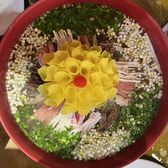
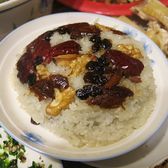
The Luoyang Water Banquet and its star dish Mudan Yancai, plus hulatang for breakfast, jiang mian tiao, ba bao fan and peony cake.

What are the must-see sights in Luoyang?

The Longmen Grottoes — book tickets online ahead — Luoyang Museum, Yingtian Gate, White Horse Temple and the Eastern Zhou chariot pits. Note that Laojun Mountain, Baiyun Mountain and sites in Yiyang, Luanchuan and Song counties are closed to non-Chinese passport holders.