Kunming ● CITY TOUR BOARD

Kunming 昆明

The City of Eternal Spring — mild all year, ringed by lakes and the karst pillars of the Stone Forest. China's launchpad into Yunnan: Dali, Lijiang and the road to Shangri-La.

Introduction

Kunming is less a destination than the way into Yunnan, and it is a comfortable one. They call it the Spring City, and it earns the name: the annual average is about 16°C, there is no real winter and no real summer, and the city works in whatever month you turn up. It sits at 1,891 metres, which you notice only at midday, when the sun is far stronger than the mild air suggests. Most people give it a day or two and the Stone Forest, then take the train west to Dali.

Travel highlights

Spring all year, but it rains

The rainy season runs May to October, and about three-fifths of the year's rain falls from June to August. It comes as afternoon storms rather than all-day drizzle, so put the outdoor half of the day in the morning.

The airport metro stops at eleven

Line 6 runs from about 06:20 to 23:00 and covers the 25 km in from Changshui in about half an hour. You change to Line 2 at Tangzixiang for the centre. Later than that, it is a taxi.

Winter brings the gulls

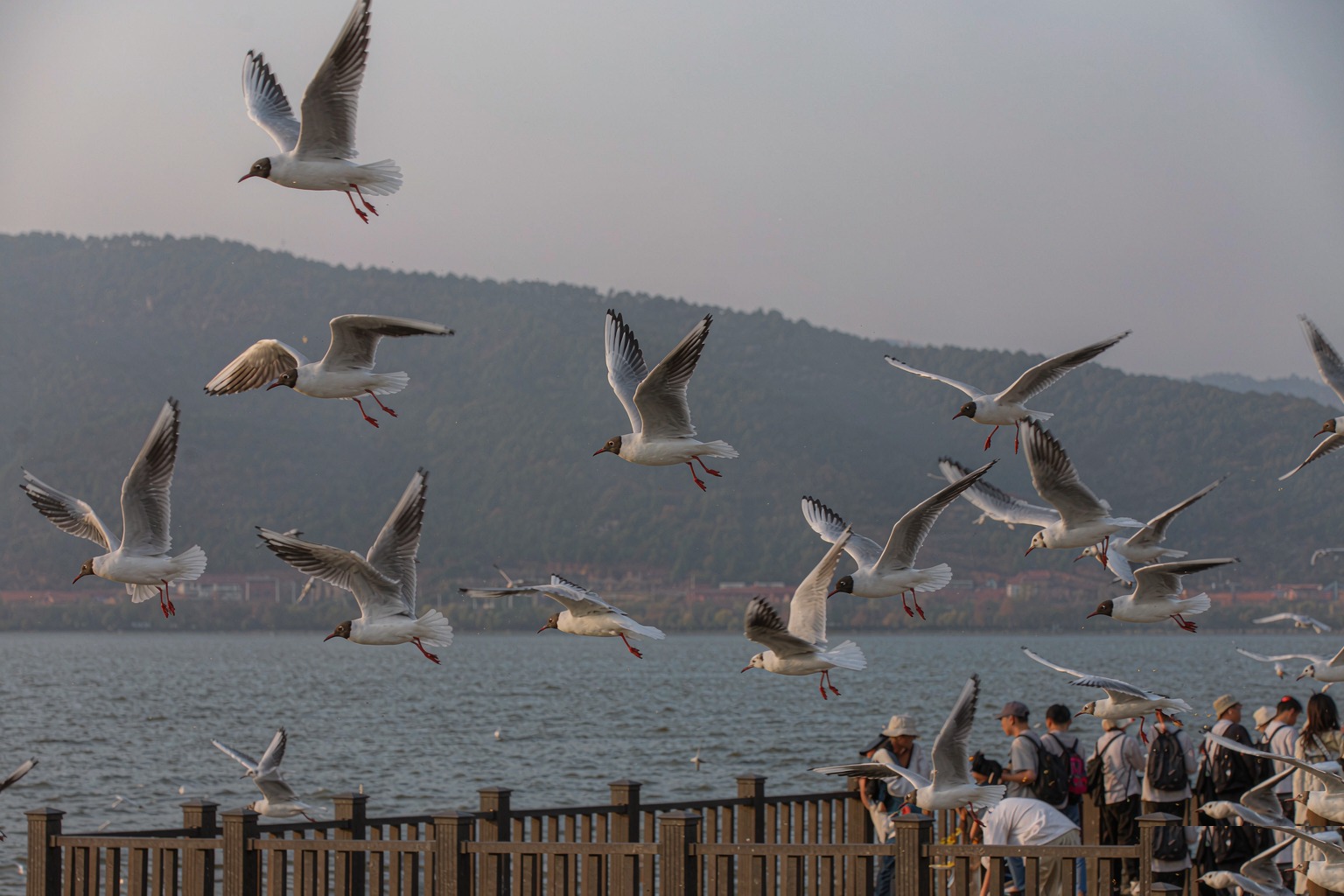
Black-headed gulls have wintered on Kunming's lakes since 1985. Through the cold months they cover Green Lake and the Haigeng dam, vendors sell bread to throw to them, and the city turns out. Nothing like it in summer.

Cook the mushrooms all the way

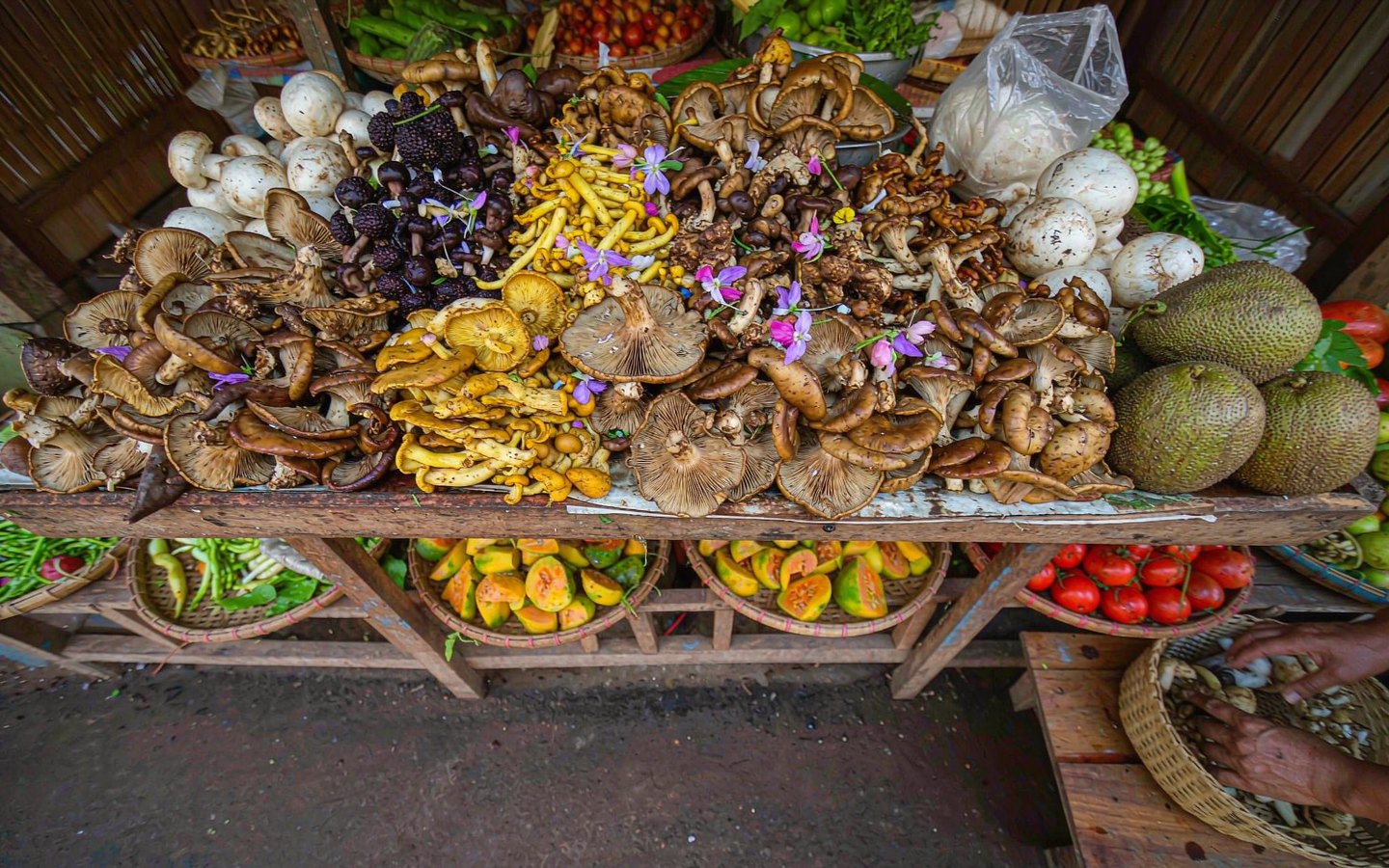
Yunnan eats wild boletus through the summer rains, and jianshouqing is hallucinogenic if it is undercooked. Restaurants put a timer on the table for that reason. Let it run out, and skip the alcohol.

Travel alerts

Top attractions

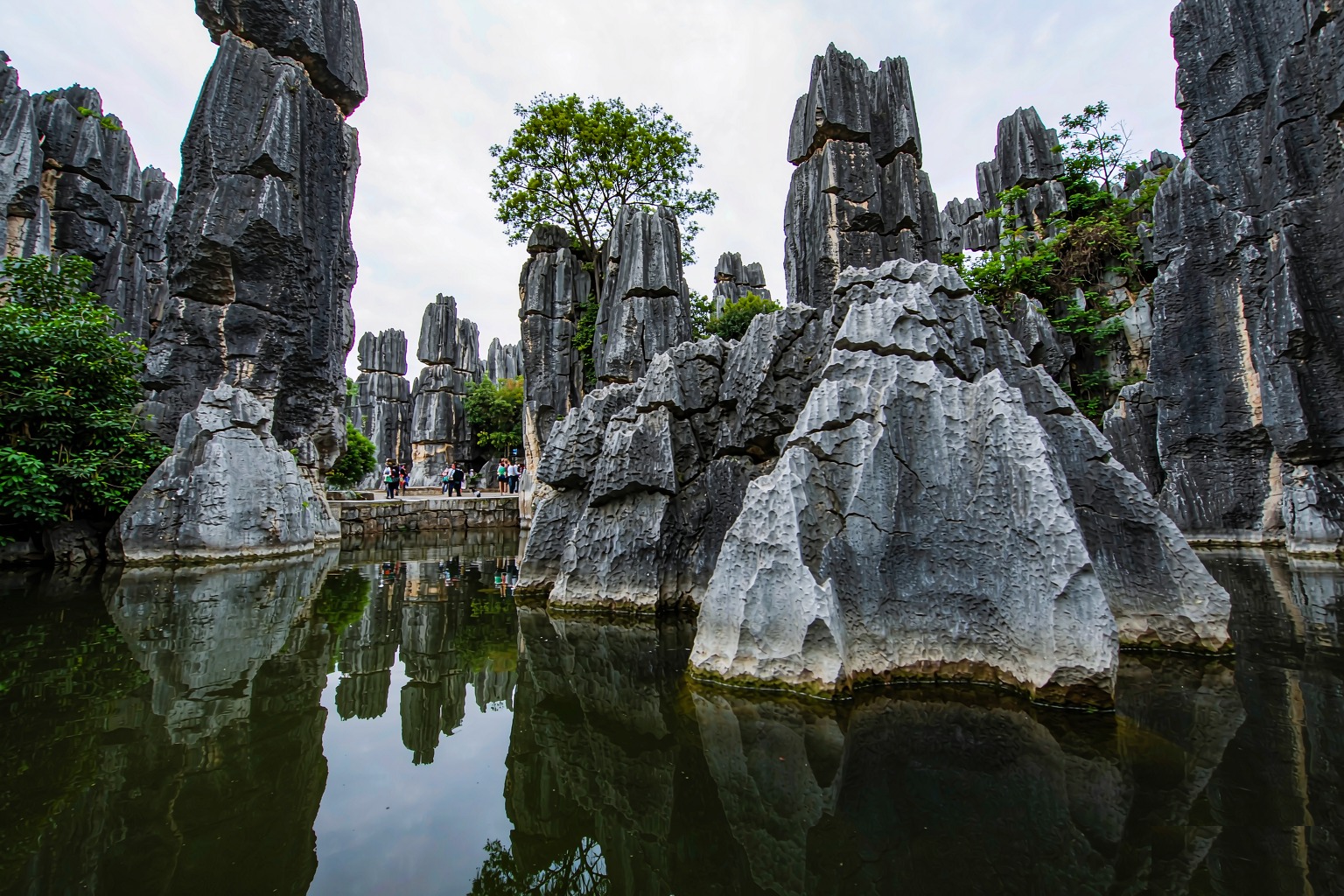
Tall grey limestone karst pinnacles rising from a still reflecting pond in the Stone Forest (Shilin) near Kunming

Stone Forest

Limestone pillars over more ground than you can walk in a day, inscribed by UNESCO in 2007 as part of the South China Karst. Entry is ¥130, and the main grove fills with tour groups by mid-morning. Trains from Kunming South reach Shilin West in a little over twenty minutes, and bus 99 covers the rest of the way to the gate in about fifty minutes for ¥10.

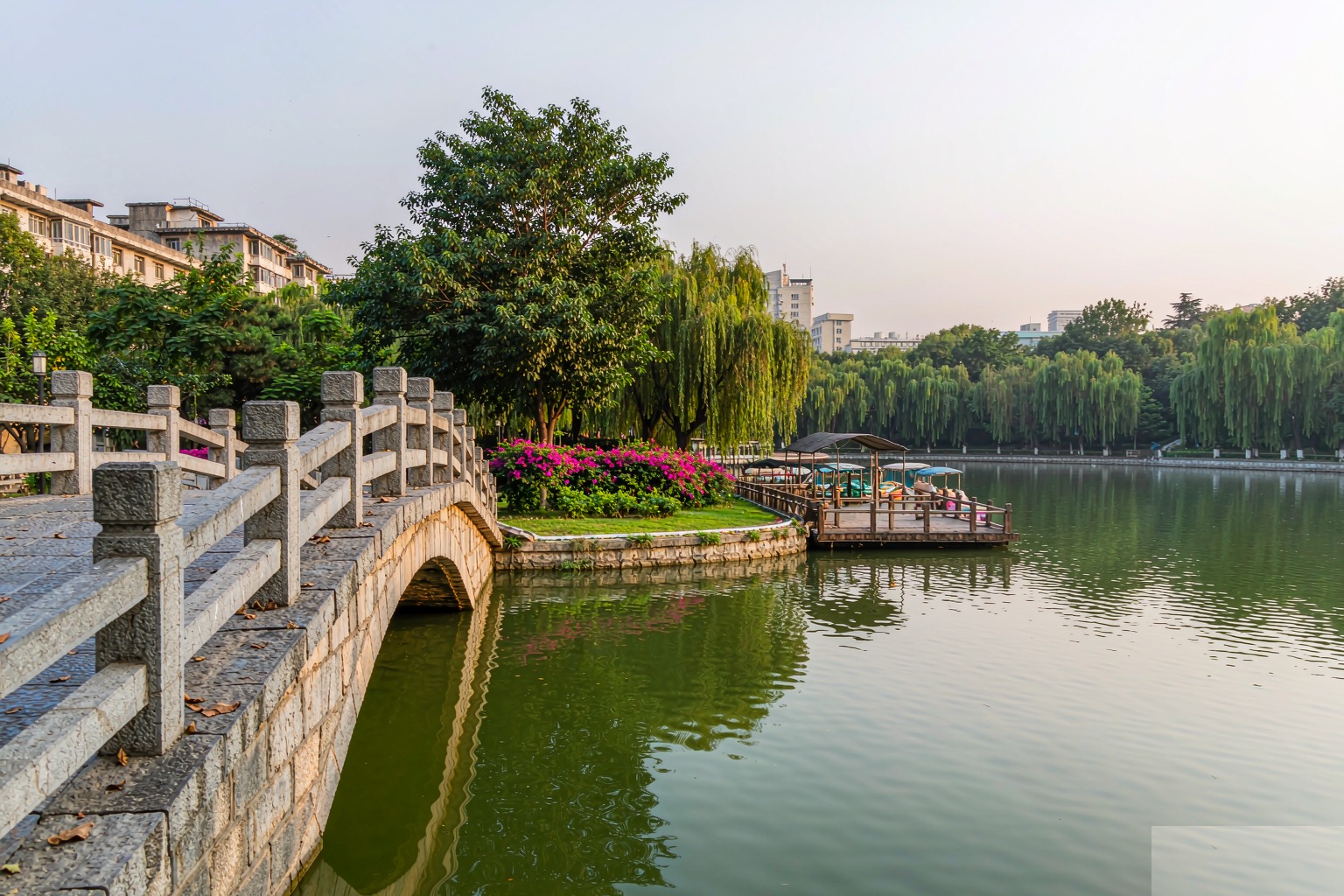
A stone arched bridge crossing the calm green water of Cuihu Park with willow trees and paddle boats, Kunming

Green Lake

Four small lakes linked by bridges, free, and open from six in the morning until midnight — until eleven at night from December to March. In winter the gulls take it over and so do the crowds; the rest of the year it belongs to retired people singing, dancing and playing cards. Yunnan University is on the north side and Yuantong Temple ten minutes' walk away.

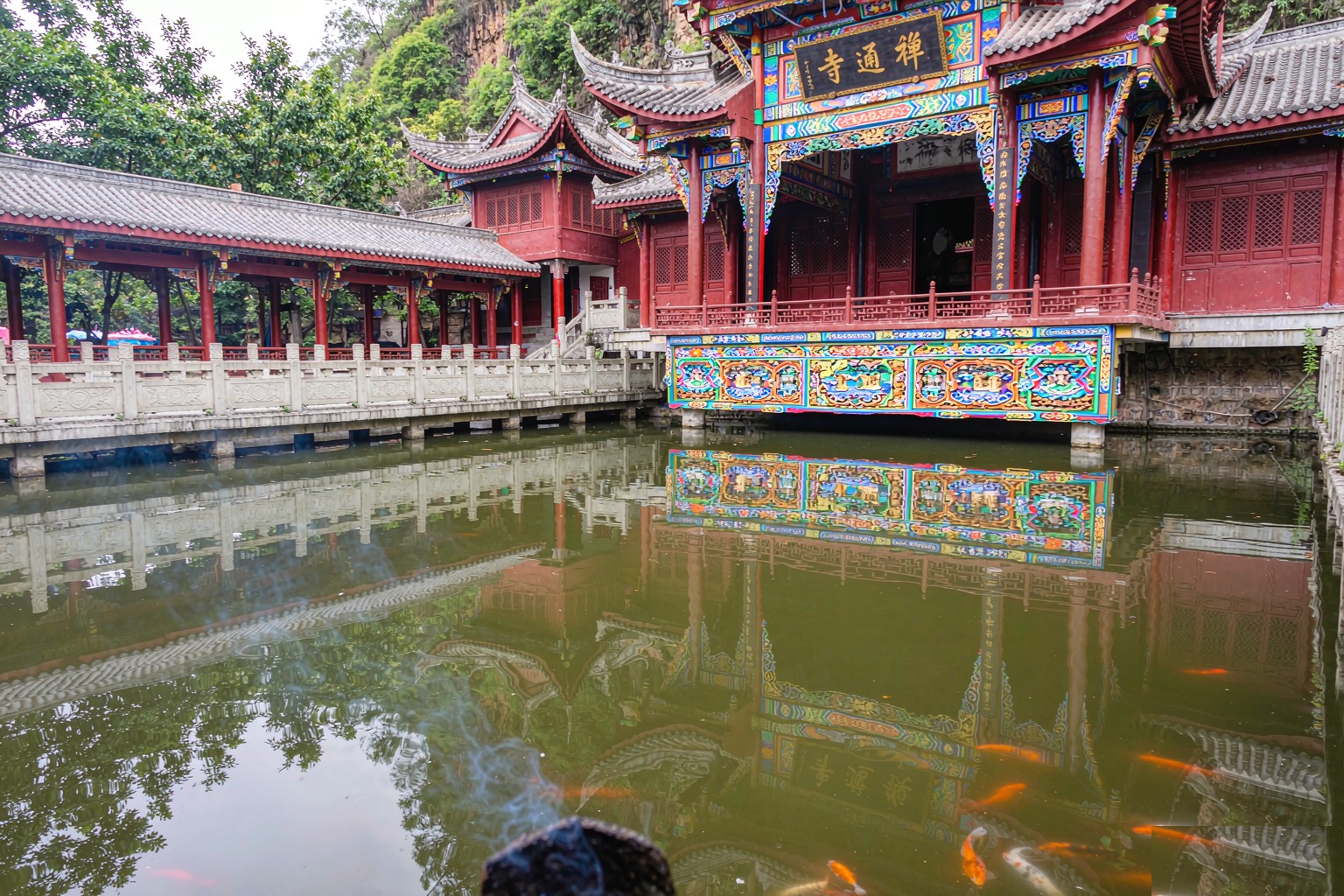
The Buddhist temple hall with upturned tiled roofs and red pillars reflected in the pond at Yuantong Temple, Kunming

Yuantong Temple

Kunming's main Buddhist temple, founded under the Nanzhao kingdom in the Tang dynasty, and entry costs a few yuan. It is laid out downhill — you walk down into it rather than up — and the main hall stands in a pond crossed by covered bridges. Half an hour is enough, and Green Lake is ten minutes away.

Black-headed gulls wheeling over open water at Haigeng dam on Dianchi Lake, Kunming

Dianchi Lake

Yunnan's largest lake, around 300 square kilometres, with the Western Hills along the far shore. It has a long pollution record and is not for swimming — what people come for is the Haigeng dam, free, open all day, and where the winter gulls gather thickest. Buses 171 and 183 go there.

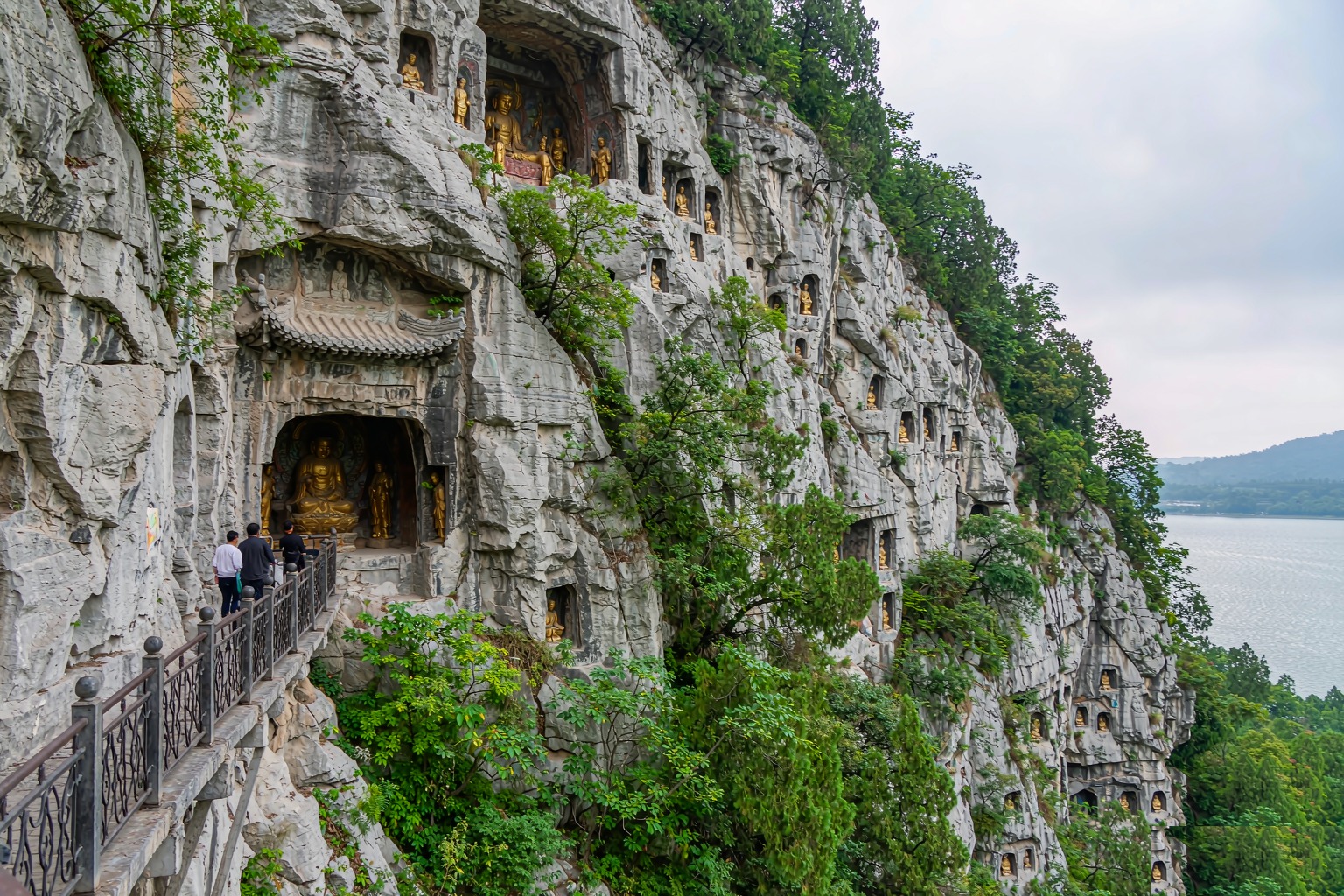
A stone walkway and cave shrine carved into the cliff face of the Western Hills above Dianchi Lake near Kunming

Western Hills

The ridge along the far shore of Dianchi, with Huating and Taihua temples on the way up and the Dragon Gate — a walkway cut into the cliff — at the top. Metro Line 3 ends at Western Hills Park; the other way up is the cable car across the lake from Haigeng, about ¥40 one way. The Dragon Gate has its own ticket on top of that.

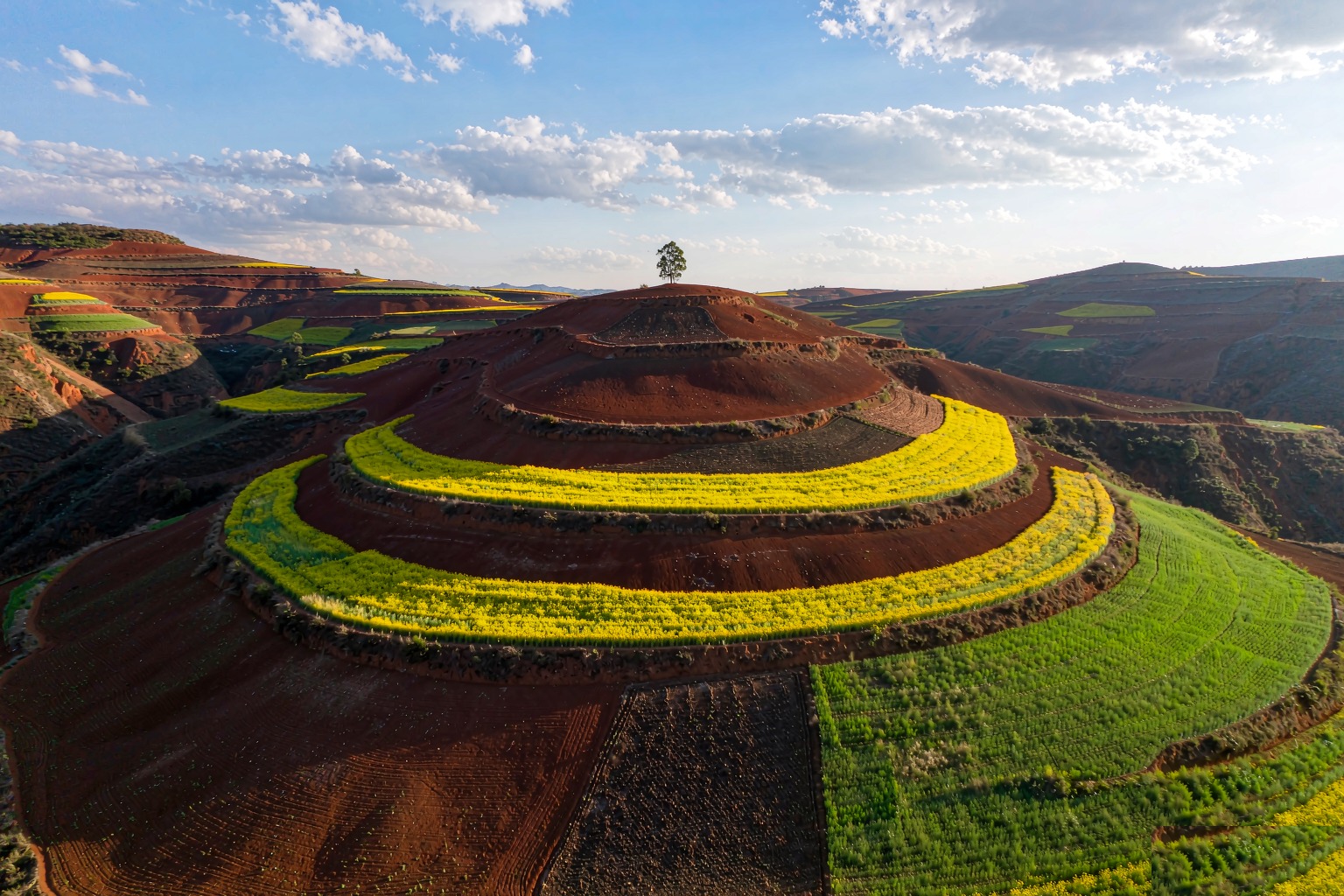
Rolling hills striped with iron-red soil and bands of green and gold farmland in the Dongchuan Red Land, Yunnan

Dongchuan Red Land

Iron-red farmland in ridges and stripes, about 150 km north of the city at 1,800 to 2,600 metres. Photographers found it in the 1990s and it is still mostly their trip — two to three hours each way, no single gate ticket, just viewpoints among working fields. February to May and September to December hold the colour.

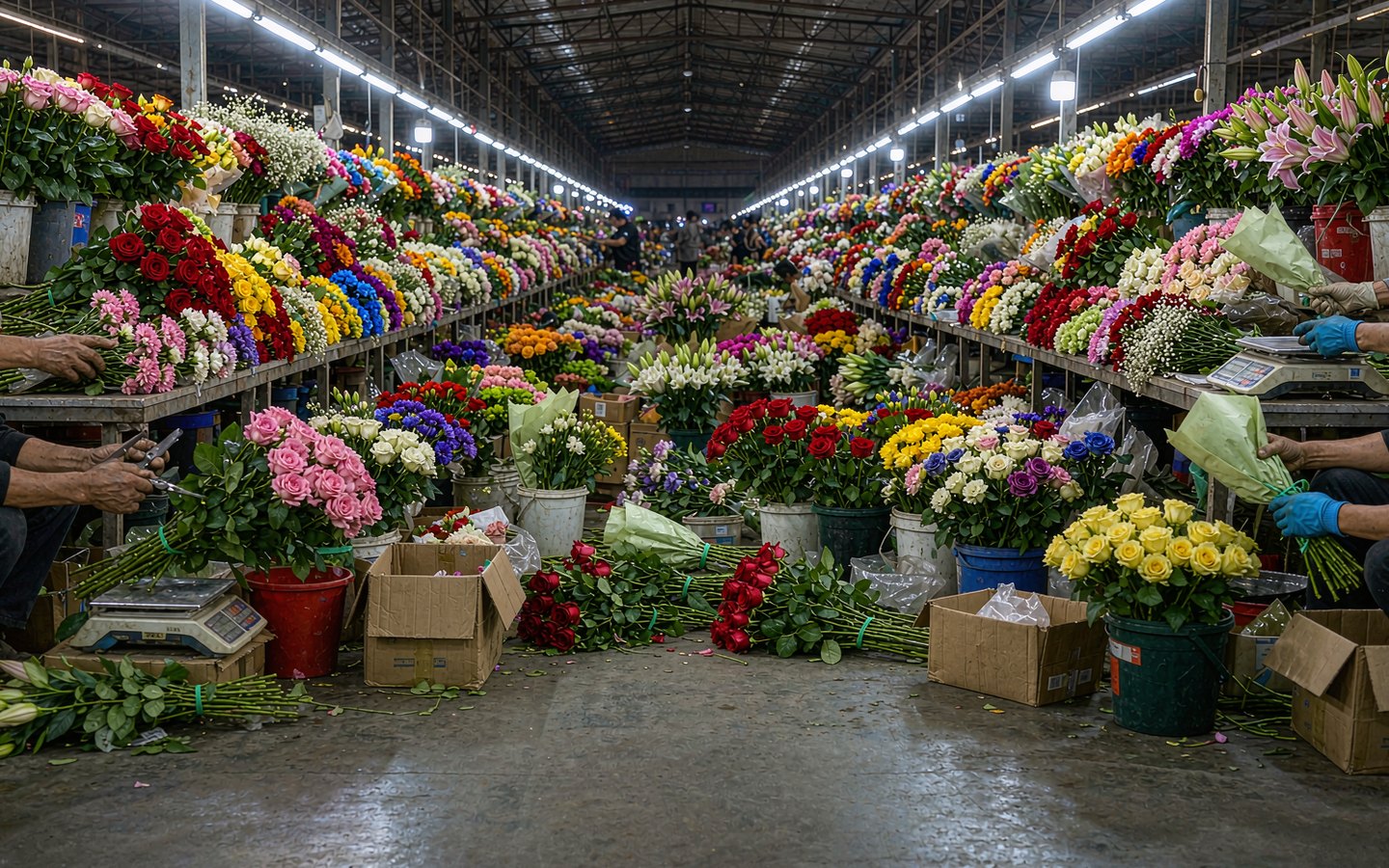
Mountains of fresh roses on night-market tables under bright lamps

Dounan Flower Market

Asia's largest cut-flower market — 1,600-plus varieties, nearly 30 million stems traded a day — and the action is nocturnal: the night session starts around 20:40 and flowers sell by the kilo. Since July 2025 tourists can join a Dutch auction hall, bidding by phone as the price dial drops. Metro line 4 to Jingui Street, exit B; 20:30–22:00 is peak, daytime shows only retail stalls. It's 20 km from downtown, so mind the last metro.

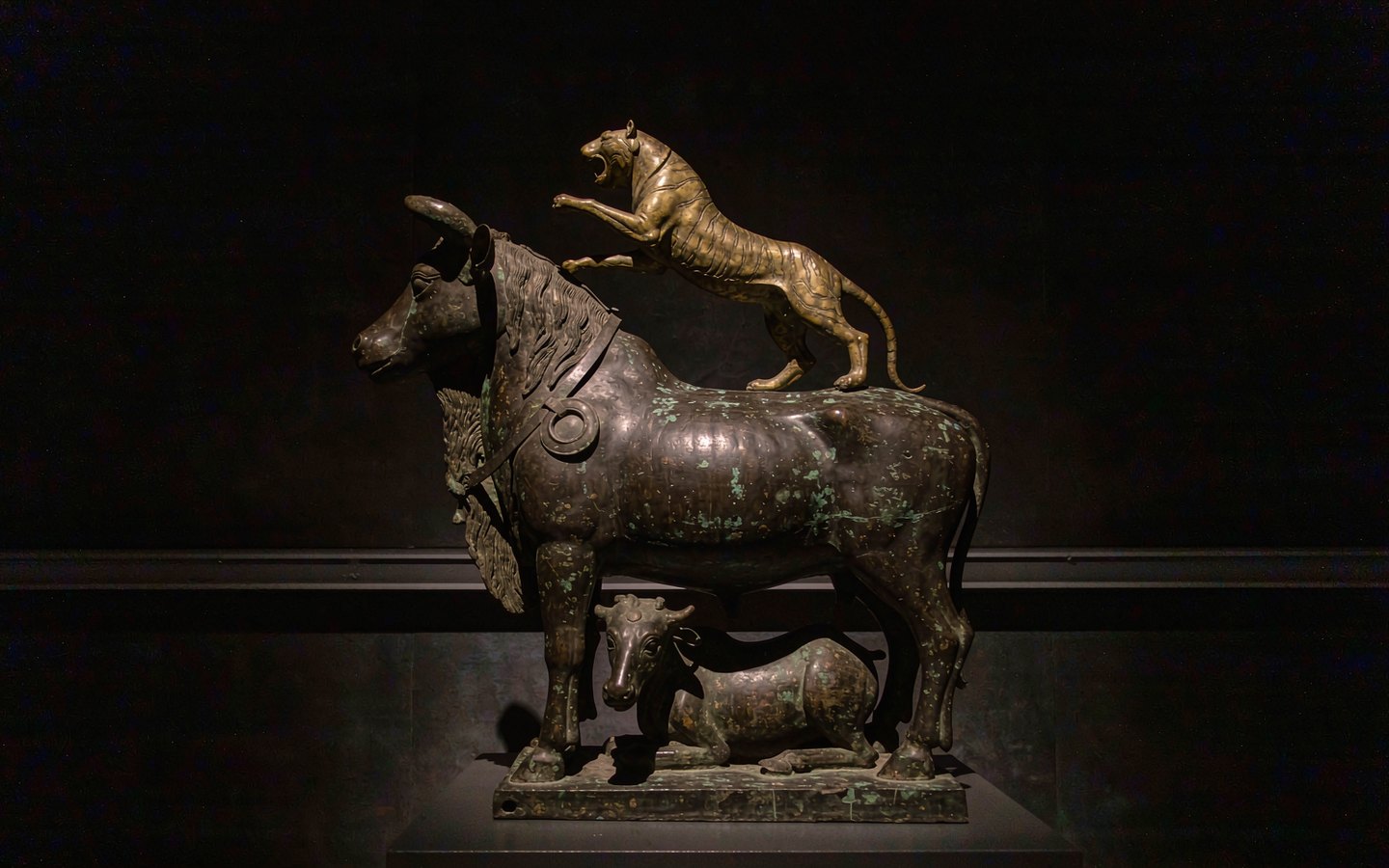
Bronze altar table of an ox attacked by a tiger, spotlighted

Yunnan Provincial Museum

A first-batch national first-class museum, free with a WeChat reservation — and the key that unlocks the whole northwest-Yunnan route. The Warring States bronze cow-and-tiger altar table (banned from leaving the country) and the gilt-silver garuda from Dali's Three Pagodas mean you should see them here first, then Dali and Lijiang connect. Closed Mondays, last entry 16:30; it sits far south in Guandu district, so budget the commute. Displays are Chinese-first — rent the audio guide.

2 more spots worth seeing
Clear boat over white sand in a turquoise mountain lake

Fuxian Lake & Chengjiang Fossil Site

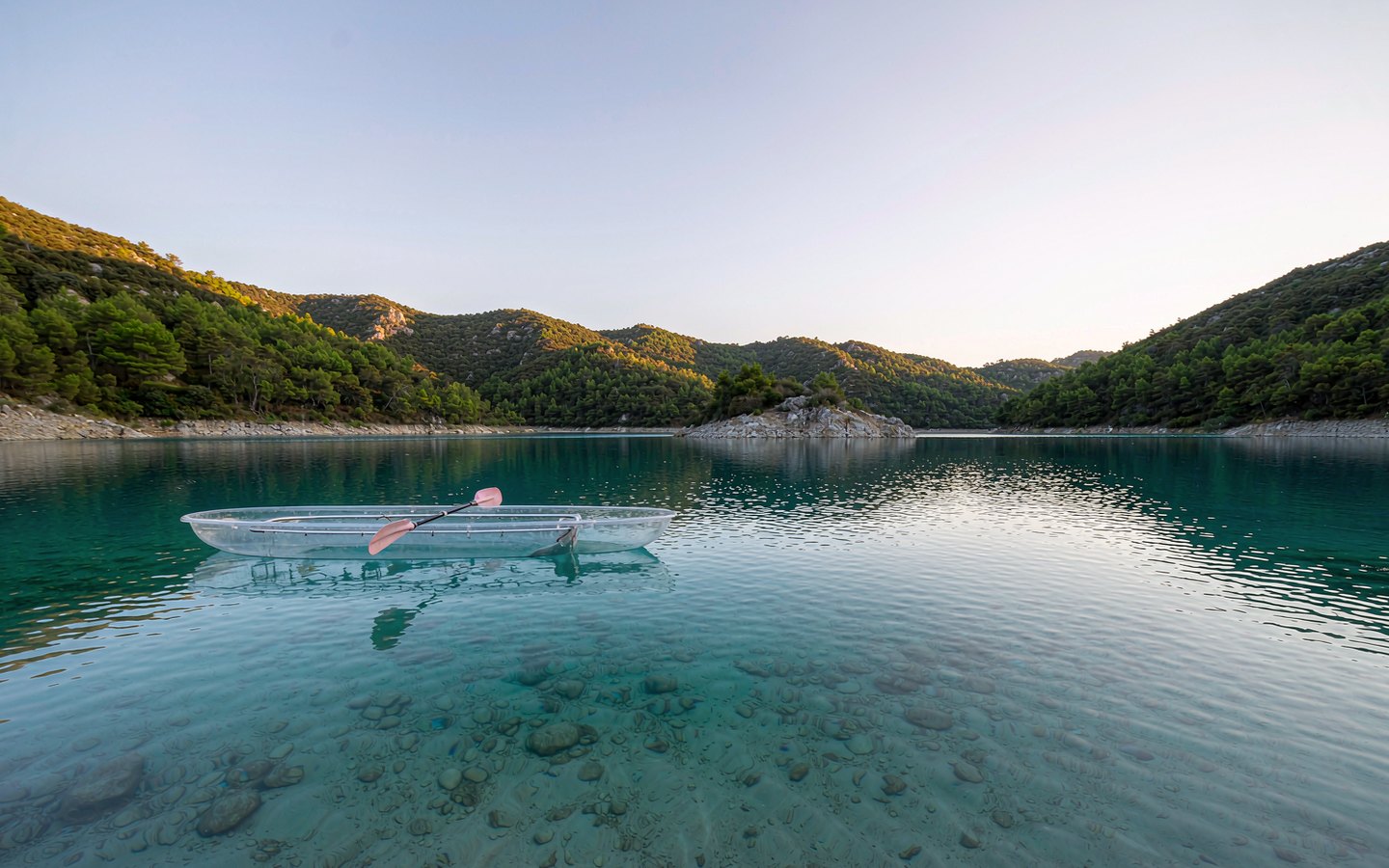
China's largest deep freshwater lake at Grade-I quality — 8–12 metres of visibility, so the 'glass boats' at Mingxing Fish Cave look like they're floating on air — just 48 km from Kunming, closer than the Stone Forest. Add the Chengjiang fossil site: Asia's only fossil World Heritage, the 518-million-year-old Cambrian explosion. The 100-km lakeshore road has poor public transport, so self-drive or charter; non-drivers should pick one or two stops. Overcast turns the water grey, and the UV is fierce.

Piles of wild mushrooms and tropical fruit at a wet-market stall

Zhuanxin (Daguan) Farmers' Market

A downtown wet market since 1997, reborn as 'market plus tourism': ingredients from all sixteen Yunnan prefectures under one roof — rainy-season porcini, matsutake and termite mushrooms in piles, edible flowers, sour papaya, tree tomatoes — plus an upstairs wild-mushroom hall and a café pouring pour-over Pu'er. Two cautions: management itself calls it Kunming's priciest market, so browse rather than stock up; go 8–10 am for the freshest piles — and never cook wild mushrooms you can't identify.

Local cuisine

Where to stay

Not every hotel in China is licensed to register a foreign guest, and it is the cheap, family-run end of the market where this bites. Confirm it when you book rather than at the door, and have the passport out at the desk.

Getting around

Getting here

  • Changshui Airport (KMG)

    Metro Line 6 covers the 25 km in from the airport in about half an hour, running from about 06:20 to 23:00 at roughly fifteen-minute intervals. It ends at Tangzixiang, where you change to Line 2 for the centre.

  • After the metro closes

    The last Line 6 train leaves the airport at 23:00, which is before the last flights are in. A DiDi or taxi into the centre is roughly ¥80–110 and takes about forty minutes.

  • Two railway stations

    Kunming Railway Station has its own metro stop on Line 1, and Lines 1 and 2 through-run, so you reach it without changing. It has most of the trains within Yunnan — Dali is about two hours by fast train and Lijiang about ninety minutes beyond that. Kunming South, out in Chenggong, is for the long-distance high-speed lines.

Book on 12306 with your passport number — the passport is the ticket. Check which of the two Kunming stations your ticket names; they are on opposite sides of the city.

Local transport

  • 🚇

    Metro

    Six lines, ¥2–9 by distance, with last trains around 23:00 at most central stations — the exact time is posted on each platform. Line 3 runs from the Western Hills at one end to the east bus station at the other, which is where the Stone Forest coaches leave from.

  • 🚕

    DiDi and taxis

    Flag-fall is around ¥8–10 with a fuel surcharge on top, and most trips across the centre stay well under ¥30. DiDi works in English, so you never have to say an address.

  • 🚌

    Bus

    A couple of yuan, and it covers what the metro does not — 171 and 183 to the Haigeng dam, bus 99 from Shilin West station to the Stone Forest. Signed in Chinese only.

No transit card needed: the transport mini-app inside Alipay makes a QR code that opens the metro gates. Last trains are around 23:00 and the time is posted on the platform — after that it is a taxi.

What's on

Recommended routes

All routes →

FAQs

What is the best time to visit Kunming?

Year-round — the spring-like weather is the point of the city. The high-altitude sun is fierce in every season, so bring sunscreen.

How many days should I spend in Kunming?

One to two days. Kunming is the launchpad for Yunnan: a day at the Stone Forest, then the high-speed train on to Dali and Lijiang.

How do I get from Kunming airport to the city centre?

Metro Line 6 runs from Changshui airport in about 30 minutes. A DiDi costs ¥80–110.

What is the best way to get around Kunming?

The metro — six lines at ¥2–9 — plus buses for a couple of yuan where the metro does not reach.

Which area should I stay in Kunming?

Around Green Lake (Cuihu) for the pleasant centre, Nanping Street and Jinbi Road for downtown, or by the railway station only if you have an early train.

What food should I try in Kunming?

Crossing-the-bridge noodles, steam-pot chicken, wild mushrooms in season, flower cakes, Yunnan coffee and rubing cheese.

What are the must-see sights in Kunming?

The Stone Forest, Green Lake, Yuantong Temple, Dianchi Lake and the Western Hills, with the Dongchuan Red Land as the photographers’ day trip.