Kashgar ● CITY TOUR BOARD

Kashgar 喀什

The westernmost city in China and a Silk Road crossroads for two thousand years — a warren of an old town, the country's largest mosque, and a Sunday bazaar where Central Asia and China meet. Closer to Kabul than Beijing, and it feels it.

Introduction

Kashgar sits closer to Kabul than to Beijing, and it keeps its own hours: the clocks say Beijing time, life runs about two hours behind them, and in June the sun is still up at ten in the evening. The old town, the mosque and the craft lanes fit inside a few square kilometres, so two days covers the city itself. What catches people out here is not the language — it is the checkpoints, and the paperwork for anything beyond town.

Travel highlights

Xinjiang runs two hours late

Officially it is Beijing time, the same clock as Shanghai. In practice shops open mid-morning, lunch runs late, and in June the sun is still up at ten in the evening. When you are given a time, ask which one.

Your passport never leaves your pocket

There are more ID checks here than anywhere else you will travel in China: at the station, at hotel desks, at checkpoints on the roads out of town. None of it takes long, but the passport has to be on you.

Sunday means the livestock market

The Grand Bazaar has traded every day since the early nineties, so arriving on a Tuesday costs you nothing. The Sunday-only one is the livestock market, out on the edge of town, and it runs in the morning.

The Pamirs take a whole day

Karakul Lake is about 200 km southwest on the Karakoram Highway, at 3,600 m. Foreigners need a border permit for it, arranged in Kashgar before you go, and there are checkpoints on the road that will turn you back without one. Book a driver, and give the whole day to it.

Travel alerts

Top attractions

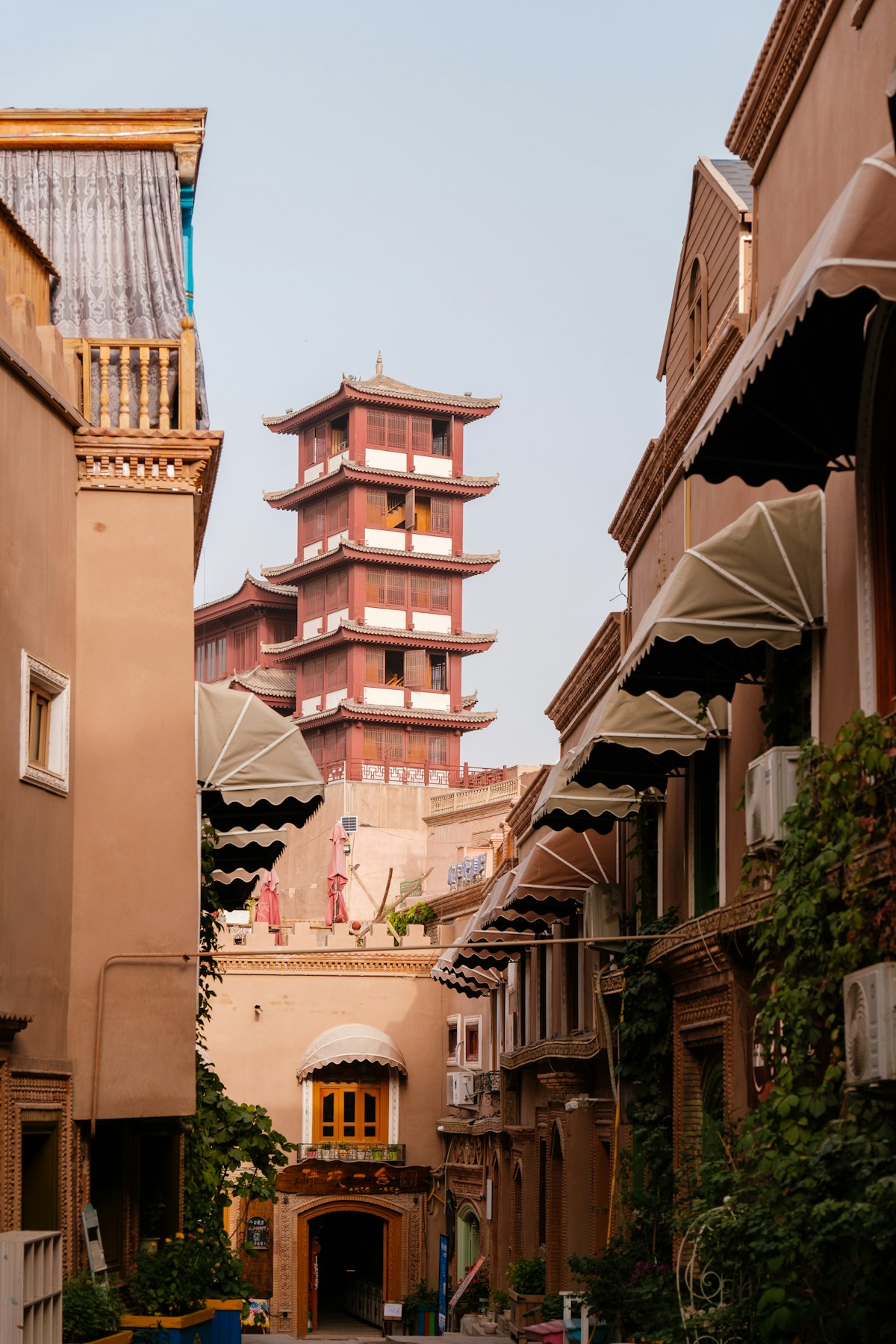
Lane in Kashgar Old City with a tiered brick tower rising above the rooftops

Kashgar Old Town

Free, and open at any hour. Know what you are looking at: most of it was demolished and rebuilt after 2009 to meet fire and earthquake codes, so the lanes are wider and the brick newer than old photographs suggest. Walk it early or after dark. Id Kah Mosque sits in the middle of it.

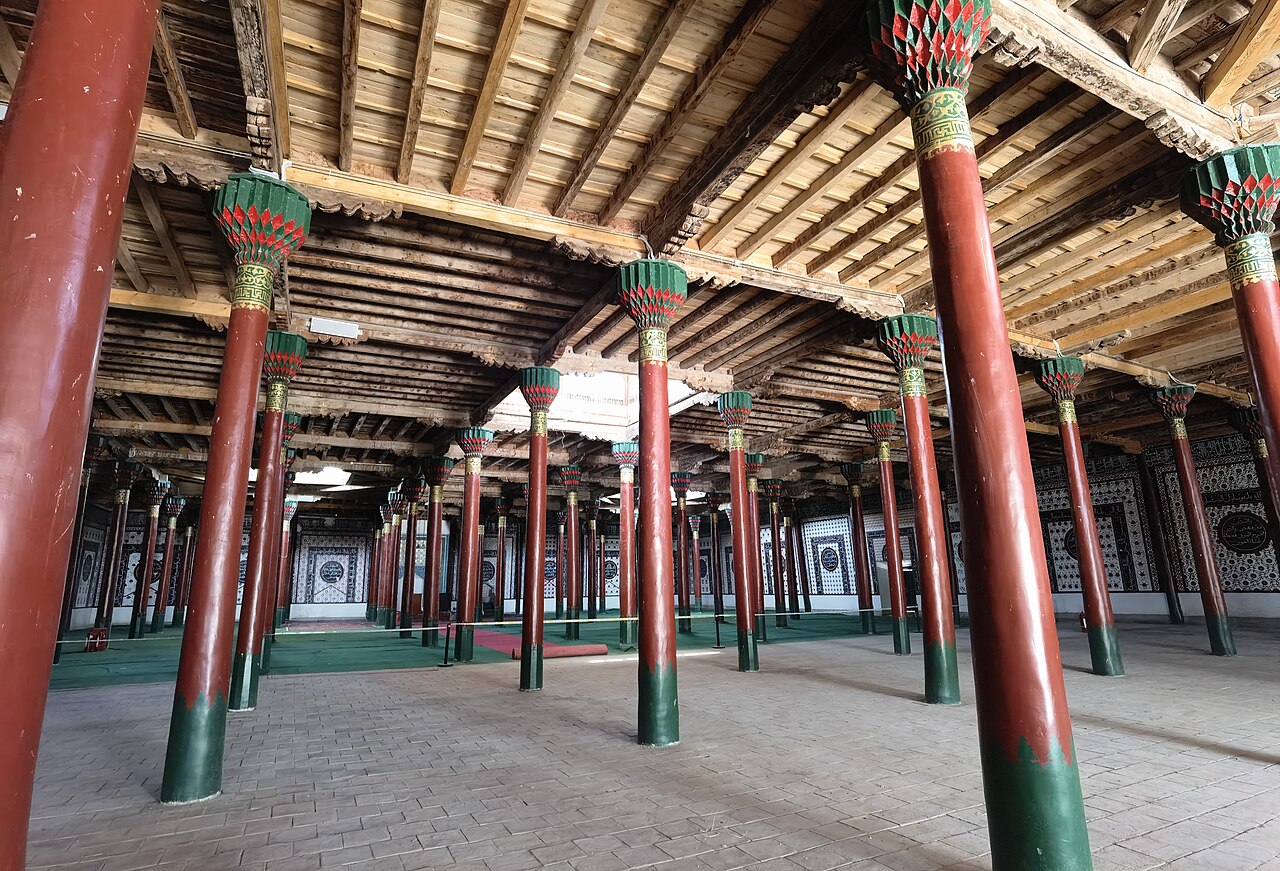
The painted wooden colonnade of the Id Kah Mosque in Kashgar

Id Kah Mosque

Built in 1442, on the square that is still the centre of the old town. Entry is free and requires real-name reservation (book 1–7 days ahead on the '喀什古城文旅' / '游喀什' mini-program); visitors are let in through the day apart from a couple of hours in the mid-afternoon, when it closes for prayers. Dress modestly, with shoulders and legs covered, and take your shoes off before the prayer hall.

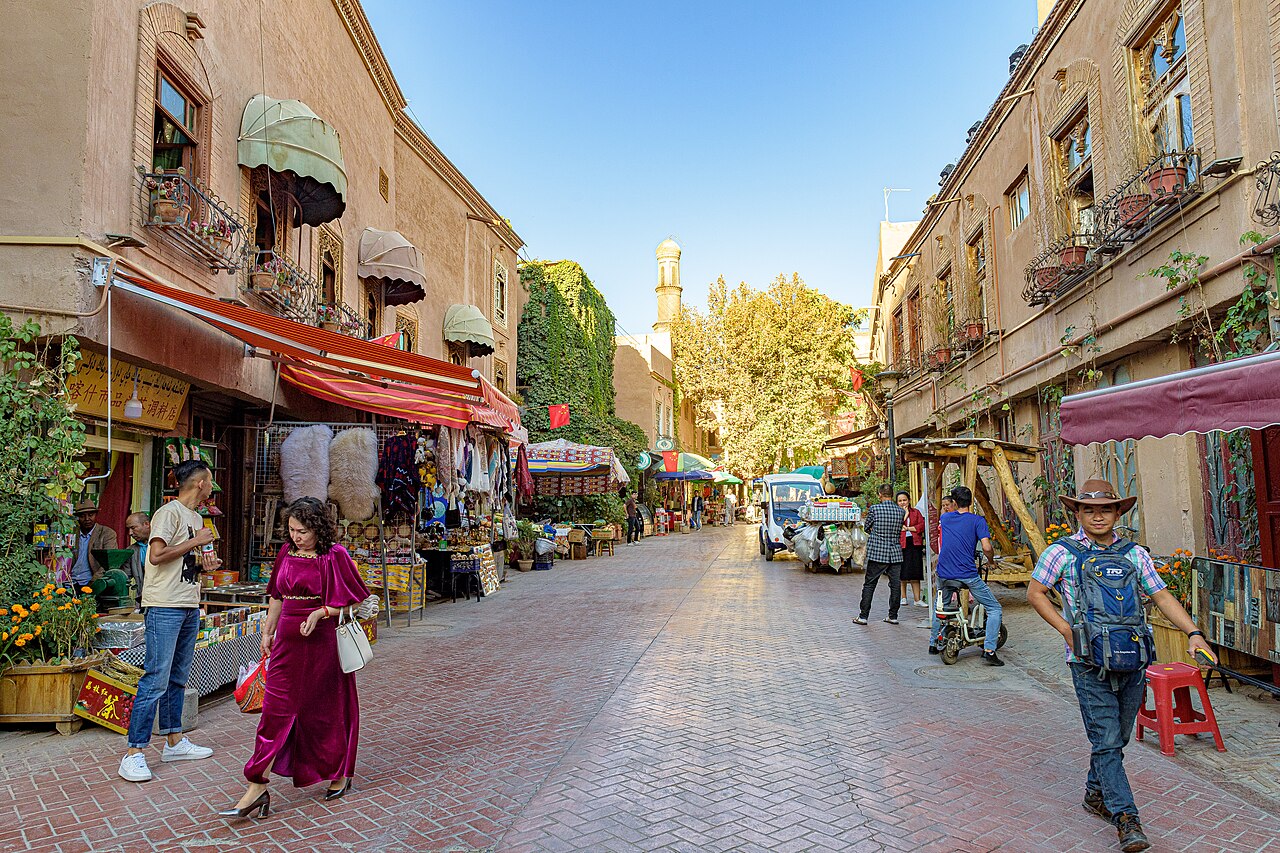
A street of the Kashgar old town with shopfronts and people walking

Handicraft street

In the northern lanes of the old town, copper bowls, painted cradles and long-necked lutes are still beaten and carved in the doorways. Prices open high for visitors and are meant to be argued down — halve the first number and work up from there. Do it in the same walk as Id Kah.

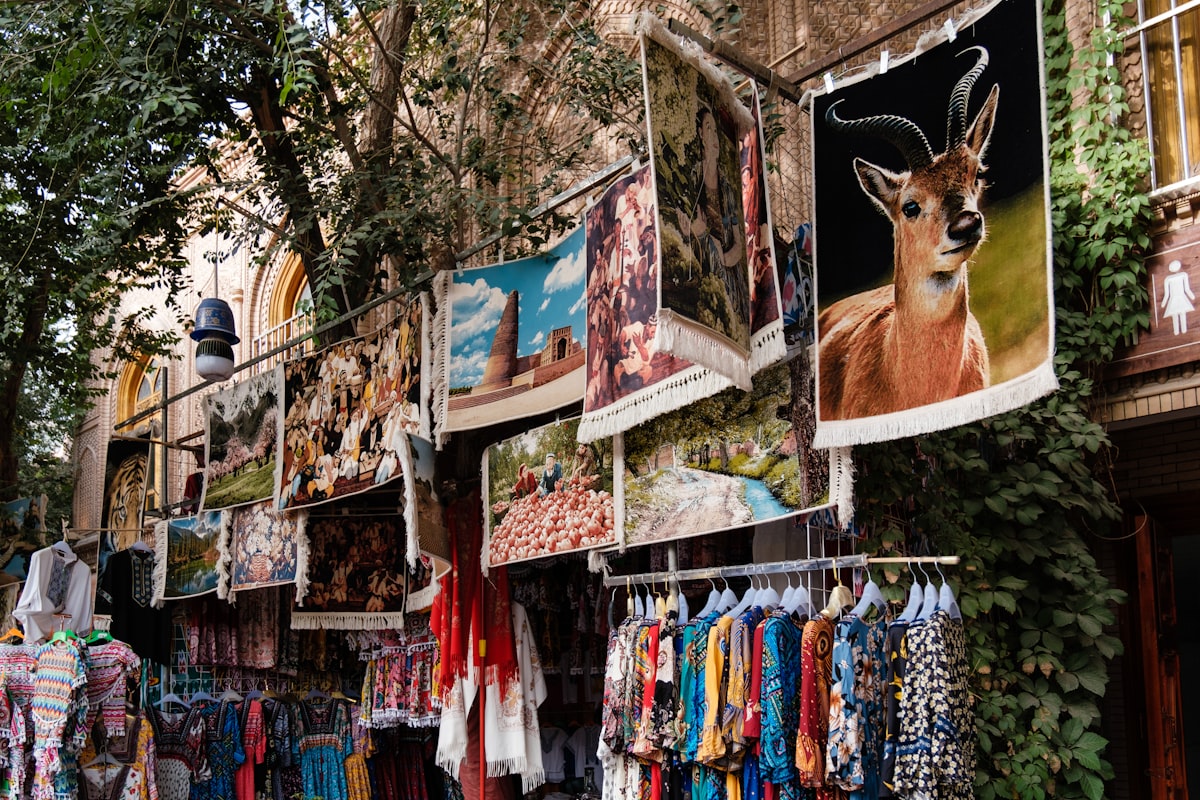
Carpets and dresses displayed at a bazaar stall in Kashgar Old City

Sunday Grand Bazaar

Officially the Central and West Asia International Trade Market, on the east bank of the Tuman River northeast of the old town. It trades every day and stopped being Sunday-only back in the early nineties, though Sunday is still the biggest crowd. Carpets, hats, dried apricots, spices.

Traders and stalls at the Kashgar Sunday market

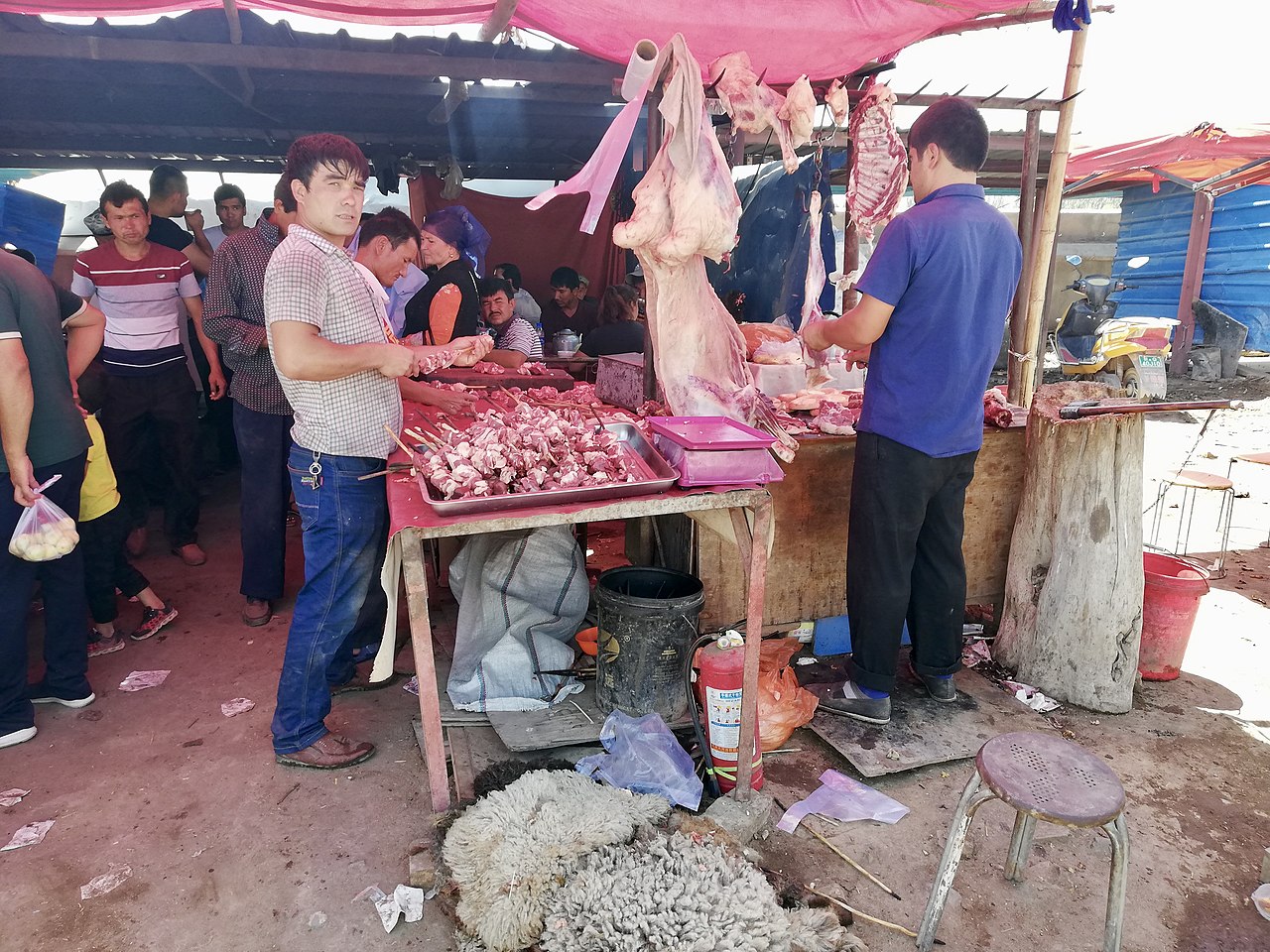
Livestock market

The one thing here that really is Sunday-only: a yard on the edge of town where sheep, cattle, donkeys and the odd camel change hands for cash. It is a few kilometres north of the centre, about fifteen minutes by taxi or half an hour on the bus. Go in the morning — it is a working market, not a display put on for anyone.

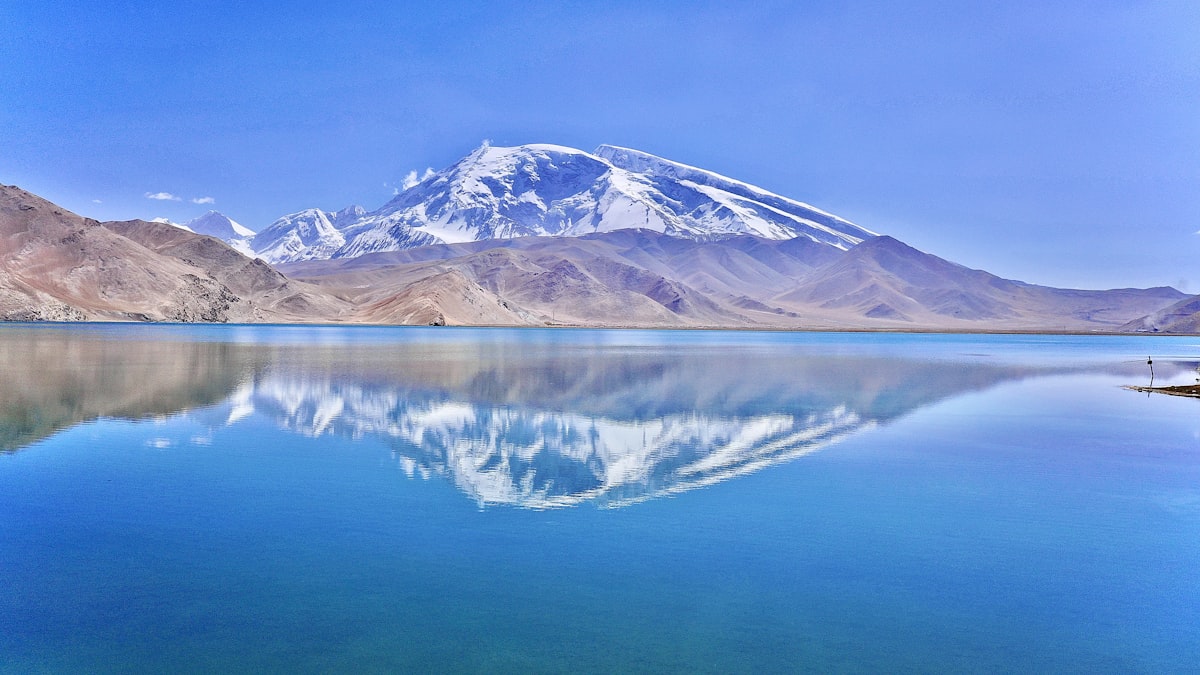
Muztagh Ata reflected in Karakul Lake along the Karakoram Highway near Kashgar

Karakul Lake · Karakoram Highway

About 200 km southwest of the city and 3,600 m up, on the road that runs to the Pakistan border. Muztagh Ata and Kongur Tagh both clear 7,500 m and rise off the far shore. This is a border zone: foreigners need a border permit for it, arranged in Kashgar before you set off, and the checkpoints on the road do turn people back without one. Book a car and driver in Kashgar, who will normally arrange the permit with you.

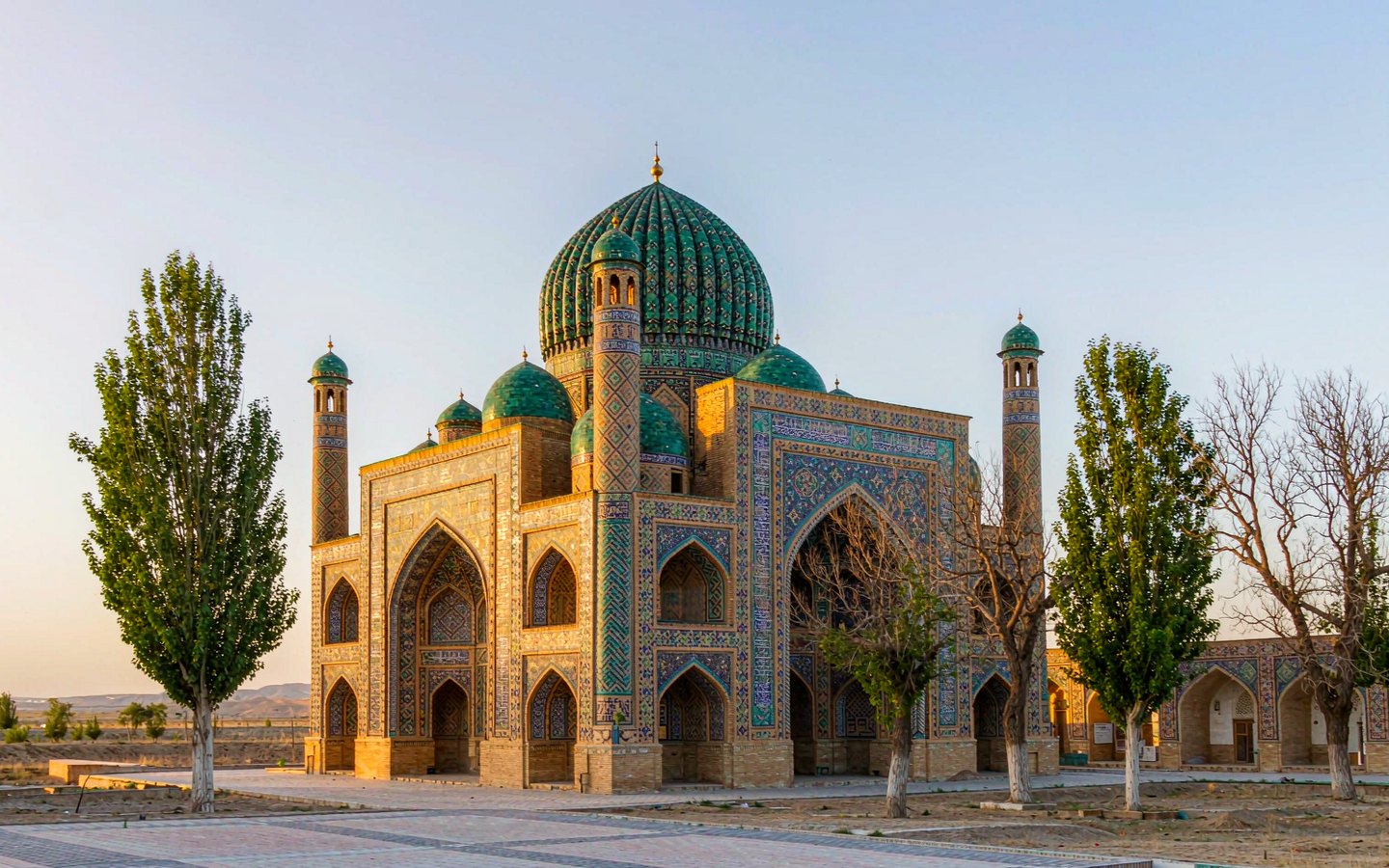
Green-tiled domed mausoleum with minarets under a desert sky

Xiangfei Park (Afaq Khoja Mausoleum)

Xinjiang's most typical Islamic mausoleum: a 17-metre column-free dome sheathed in deep-green glazed tile, begun in 1640, holding five generations of the Afaq Khoja family across 58 tombs, with an 1873 mosque alongside. One correction worth knowing: the 'Fragrant Concubine' is not buried here — Qianlong's consort rests at the Eastern Qing Tombs in Hebei, and the site's own signage says so. ¥40 entry without the song-and-dance shows, which run several times daily; it's 5 km northeast of the old town.

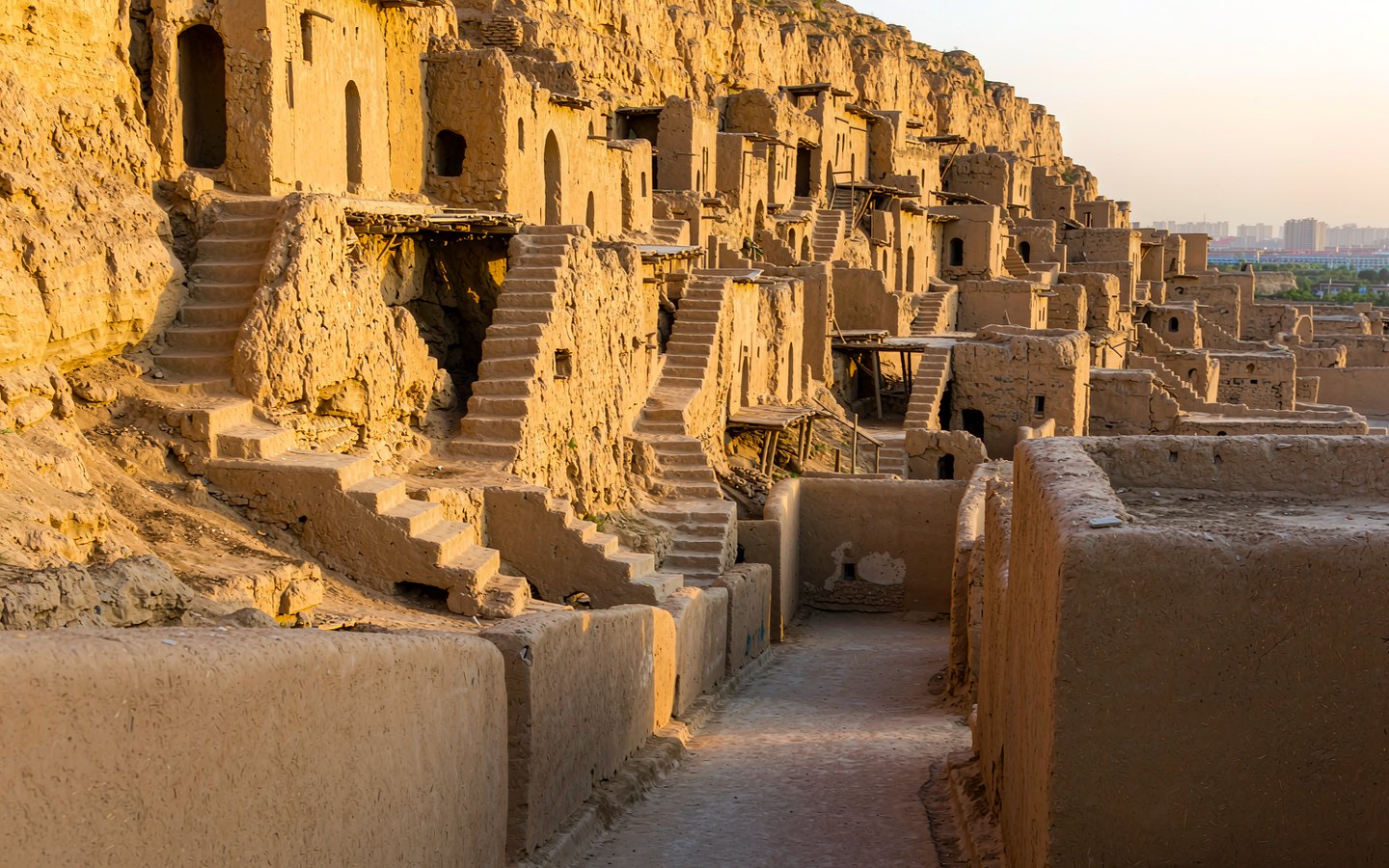
Mud-brick houses stacked on a loess cliff above the modern city

Gaotai Minju (High-terrace cliff dwellings)

Six hundred years of Uyghur mud-brick homes stacked on a 40-metre loess cliff over the Tuman river — maze lanes, overhead 'street-crossing houses', and working pottery, woodcarving and copper workshops with resident heritage masters. Verify before you go: it reopened in June 2023 after restoration, but June 2026 local reports say it closed again on 19 June for upgrading, no reopening date announced. When open it's a living community — don't enter homes, don't crowd doorways for photos, and drones are banned.

1 more spots worth seeing
Smoky night-market grills under strings of lights in the old town

Khan Bazaar night market (Han Bazaar)

The old town's true centre after dark: under 600 metres of street holding 200-plus stalls — samsa straight from the oven, pilaf, yogurt rice dumplings, clay-pot meat, roast pigeon, pomegranates juiced to order. Kashgar runs on Beijing time but lives two hours later, so it only gets going after 20:00. It's halal ground: don't bring outside food, and ask before photographing vendors or diners. Treat it as the evening half of an old-town day rather than a separate destination.

Local cuisine

Where to stay

Not every hotel is licensed to register a foreign guest, and out here the ones that are not will turn you away at the desk. Confirm before you pay, and expect the check-in itself to take longer than it does in eastern China.

Getting around

Getting here

  • Flying in

    Kashgar (KHG) is barely ten kilometres north of the old town, about twenty minutes by taxi, with direct flights from Urumqi and most large Chinese cities. Landing here saves a very long overland haul across Xinjiang.

  • By train

    Kashgar station is the western end of the Chinese network, northeast of the city, with sleepers in from Urumqi and Hotan. There is no high-speed line, so it is an overnight at best against roughly two hours in the air from Urumqi.

  • Passport at every gate

    Airport, station, hotel desk, and the checkpoints on every road out of town. Hotel registration takes longer here than in the east, so allow for it when you arrive.

Tickets and timetables all run on Beijing time even though the city does not. Book rail on 12306 with your passport, and set the alarm to the ticket rather than to the daylight.

Local transport

  • 🚕

    Taxi & DiDi

    The meter starts at ¥5, and in a city this compact most rides come in well under ¥15. DiDi saves you saying a Uyghur street name in Mandarin. The Grand Bazaar is walkable from the old town; the Sunday livestock market on the edge of town is the trip you really want a car for.

  • 🚌

    Bus

    A yuan or two flat, and the routes reach the Grand Bazaar and the Sunday livestock market. Signs and announcements are in Chinese and Uyghur only, so have the route number written down.

  • 🚕

    Car with a driver

    The Karakoram Highway is not a public-transport trip. Agencies and guesthouses around Seman Road arrange a car and driver for the day; agree the route and the return time before you set off.

The old town is under two kilometres across, so most of your walking happens inside it. There is no metro here and no need for one.

What's on

Recommended routes

All routes →

FAQs

What is the best time to visit Kashgar?

May to October, when the passes are open and the bazaar is in full swing. Sunday is the day for the grand bazaar and the livestock market.

How many days should I spend in Kashgar?

Two to three days: the old town and the bazaar, plus a day up the Karakoram Highway to Karakul Lake if the weather is clear.

How do I get to Kashgar?

Fly — KHG is barely ten kilometres north of the old town, about twenty minutes by taxi, with direct flights from Urumqi and most large cities. The train is the western end of the network: an overnight sleeper at best, with no high-speed line.

What is the best way to get around Kashgar?

The old town is walked. Taxis start at ¥5 and buses are a yuan or two; for the Karakoram Highway you need a car with a driver — it is not a public-transport trip.

Which area should I stay in Kashgar?

Inside the Old Town near Id Kah for the atmosphere, Seman Road for the old traveller strip, or Renmin Road in the new town for chain hotels. Confirm the hotel is licensed to register foreign guests before you pay.

What food should I try in Kashgar?

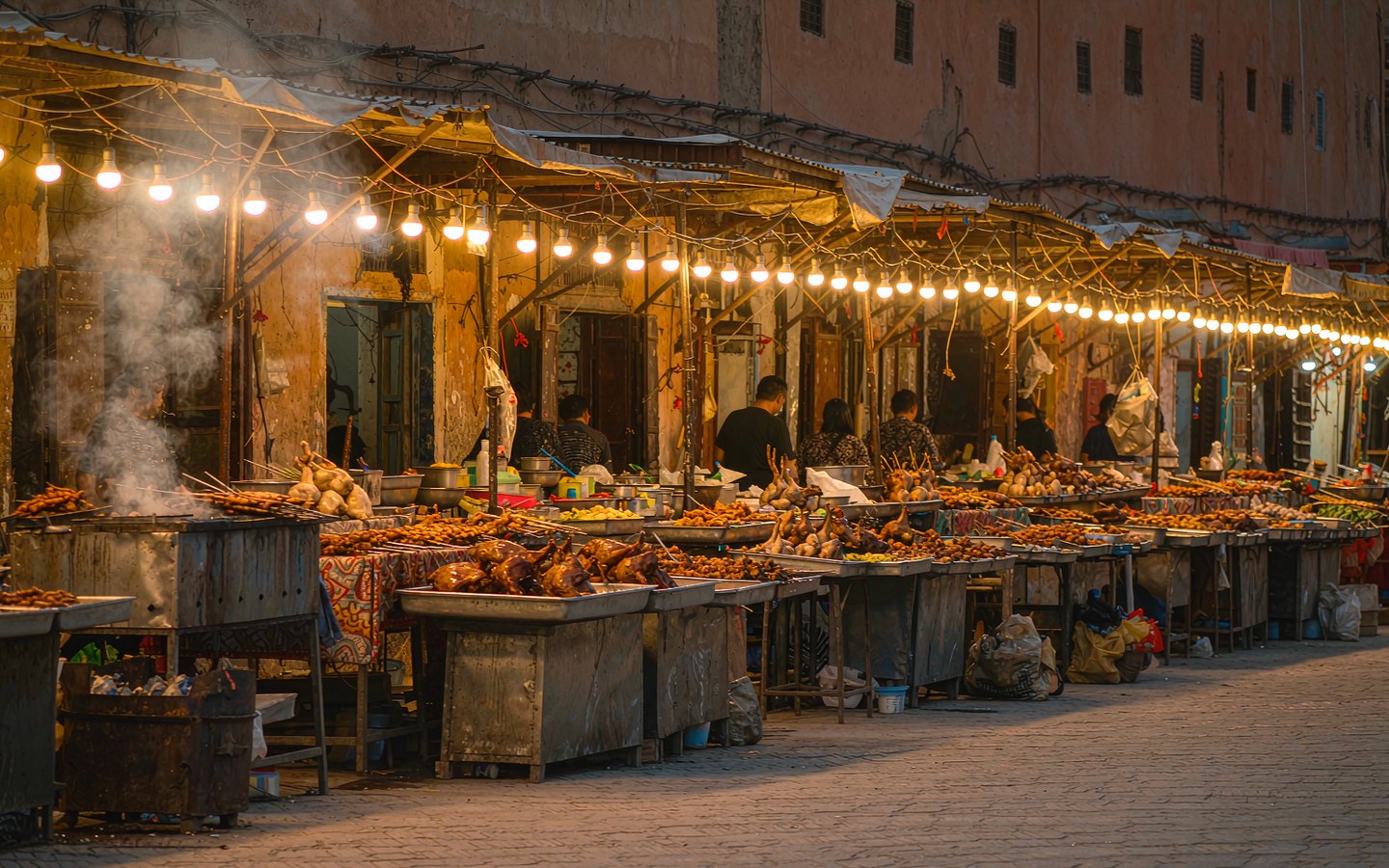
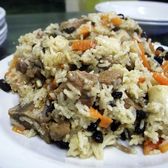
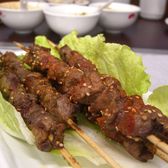
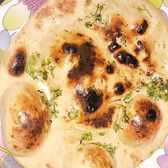
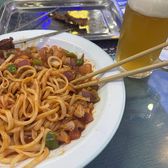
Lamb polo (pilaf), lamb skewers, naan straight from the oven, laghman noodles, samsa baked pies and pomegranate juice.

What are the must-see sights in Kashgar?

The Old Town, Id Kah Mosque, the handicraft street, the Sunday Grand Bazaar and the livestock market, with Karakul Lake on the Karakoram Highway as the day trip. Carry your passport everywhere — ID checks are frequent out here.