Huangshan ● CITY TOUR BOARD

Huangshan 黄山

The mountain that taught China what mountains should look like, and the Huizhou villages below it

Introduction

'After the Five Great Mountains, no other mountains are worth seeing; after Huangshan, not even the Five.' The granite peaks, twisted pines and seas of cloud of the Yellow Mountain are China's most famous landscape for a reason — and the ticket is valid for three days, so you can chase sunrise and canyon trails at your own pace. Below the peaks sits the other half of the trip: Huizhou country, where UNESCO-listed Hongcun and Xidi preserve the white-walled, black-tiled villages of the merchant dynasties. Two days for the mountain, one for the villages, and one of the great short trips in China.

Travel highlights

The ticket is valid for three days

The ¥190 mountain ticket activates on first scan and then allows unlimited re-entry for three consecutive days — split front peaks, back peaks and the West Sea Grand Canyon across separate days at no extra cost. Real-name reservation on 黄山旅游官方平台, no on-site ticket window.

Sunrise over a sea of cloud

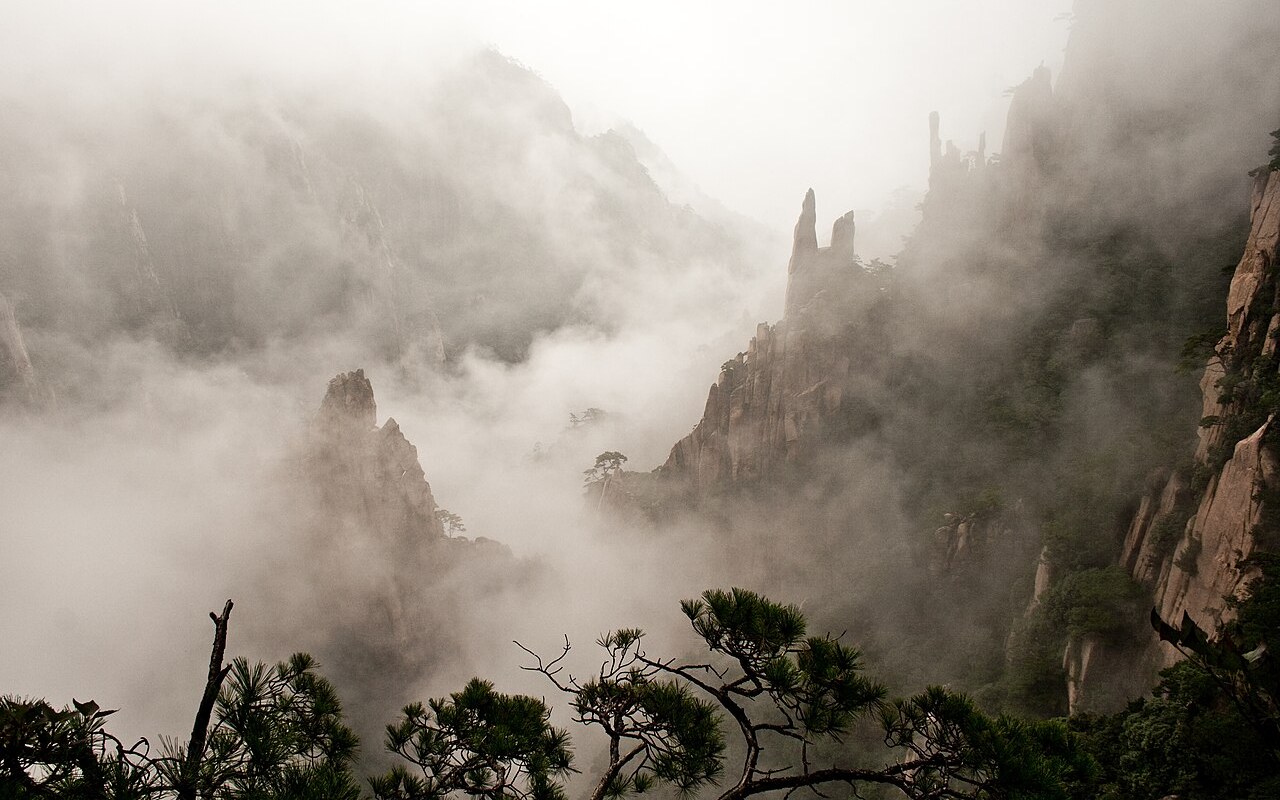
Sleep one night on the summit (book months ahead) and walk out before dawn: the cloud sea filling the valleys below Bright Summit or Lion Peak is the single most famous view in Chinese landscape art.

Hongcun and Xidi, the Huizhou merchant villages

White walls, black tiles, horse-head gables and mirror ponds: two UNESCO-listed villages built by the merchant dynasties of Huizhou, an hour from the mountain. ¥94 each — go early morning or late afternoon when the tour groups leave.

Tiandu Peak, the knife-edge stair

The most thrilling legal climb in eastern China: near-vertical stairs along a granite ridge. It needs its own free reservation (3,000 a day, released two days ahead at 21:00) and closes in winter and bad weather.

Travel alerts

Top attractions

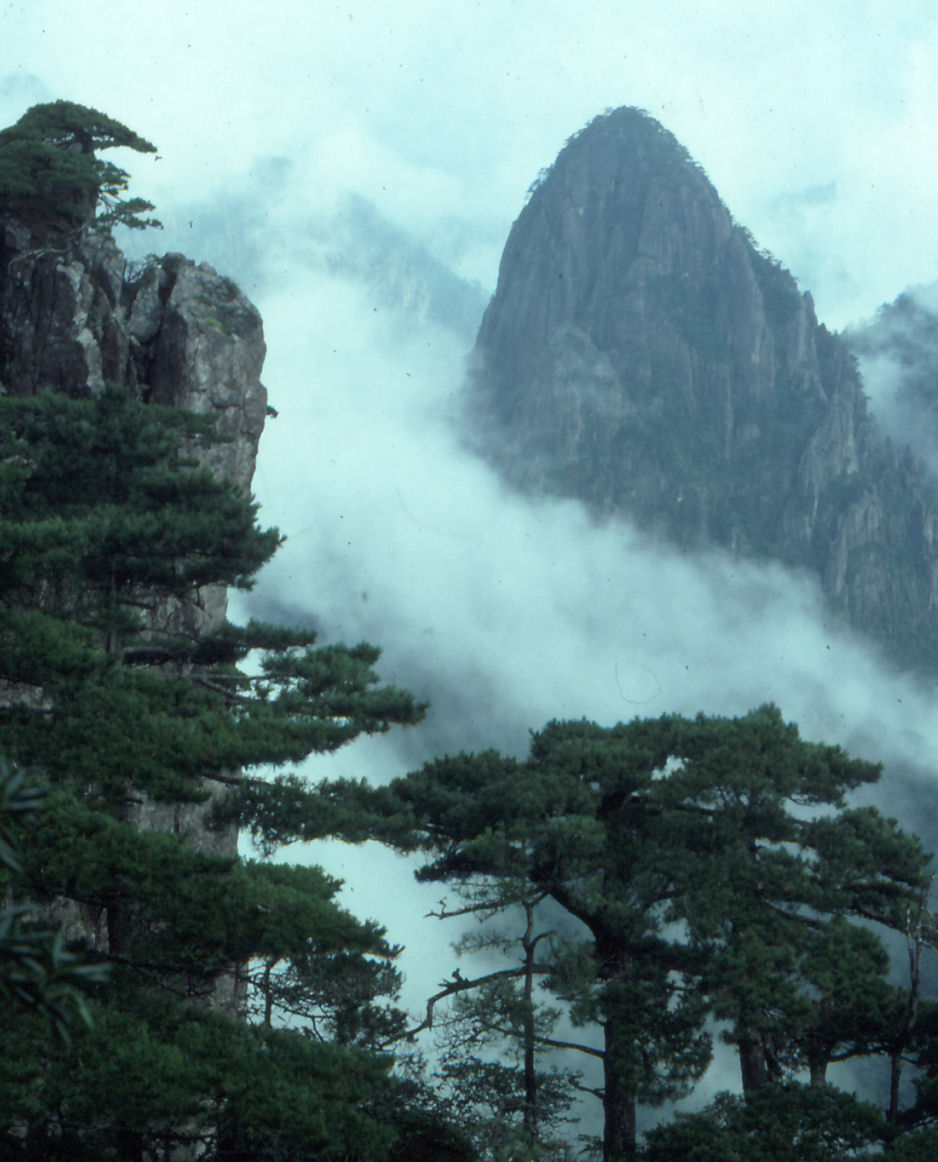
A granite peak of Huangshan rising through the cloud sea

Huangshan scenic area

The mountain itself: granite peaks, twisted pines and cloud seas across a compact summit area. ¥190 (¥150 in winter), valid three days with unlimited re-entry; reserve on the 黄山旅游官方平台 mini-program — no on-site window. Mandatory shuttle bus ¥19 each way to the cableways (Yungu ¥80, Yuping ¥90). Classic first circuit: Yungu cableway up → Begin-to-Believe Peak → Lion Peak → Bright Summit → Guest-Greeting Pine → Yuping cableway down.

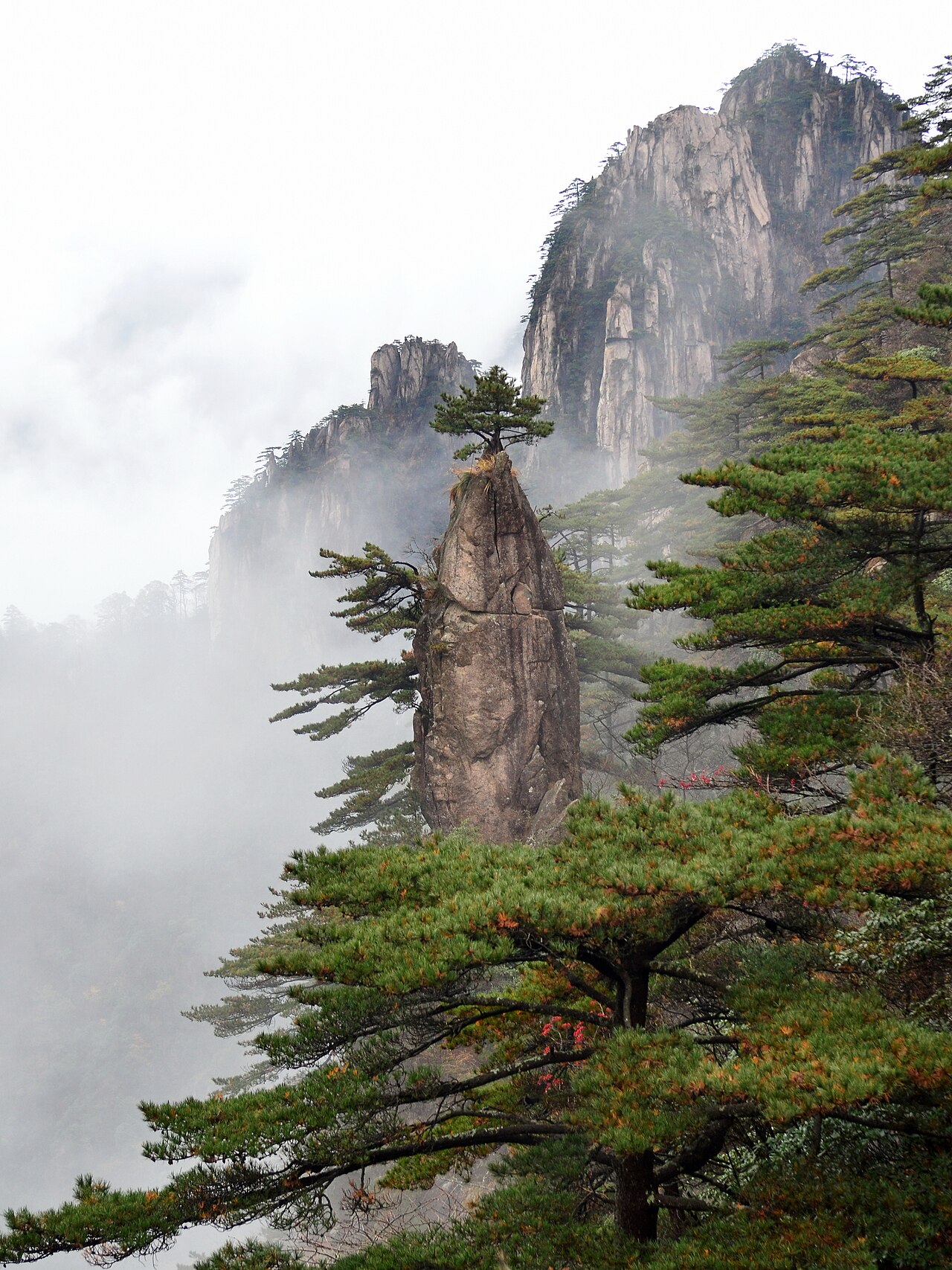
A lone pine clinging to a mist-wrapped Huangshan cliff

Sunrise & the West Sea Grand Canyon

The two things that justify sleeping on the summit: dawn above the cloud sea at Bright Summit or Lion Peak, and the West Sea Grand Canyon — a loop of plank paths down into a granite gorge, with a funicular (¥100) to haul you back out. The canyon closes in winter; the 3-day ticket means you can give each its own morning.

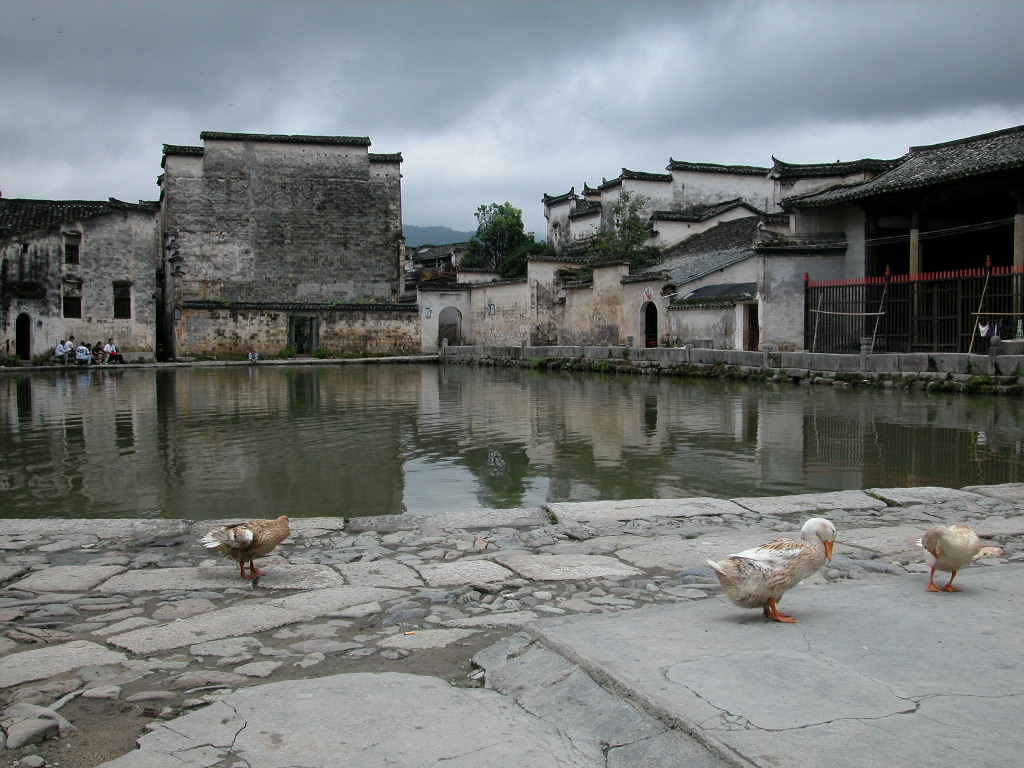
Geese on the stone quay of Hongcun's pond under dark clouds

Hongcun village

The 'village in a Chinese painting': an ox-shaped Huizhou village where the Moon Pond and South Lake double every white wall and horse-head gable. UNESCO-listed with Xidi. ¥94, open round the clock — the trick is timing: before 8:00 and after 17:00 the painters and tour groups thin out and the ponds go still. Tourist buses from Tangkou (¥23) and Huangshan North (¥33).

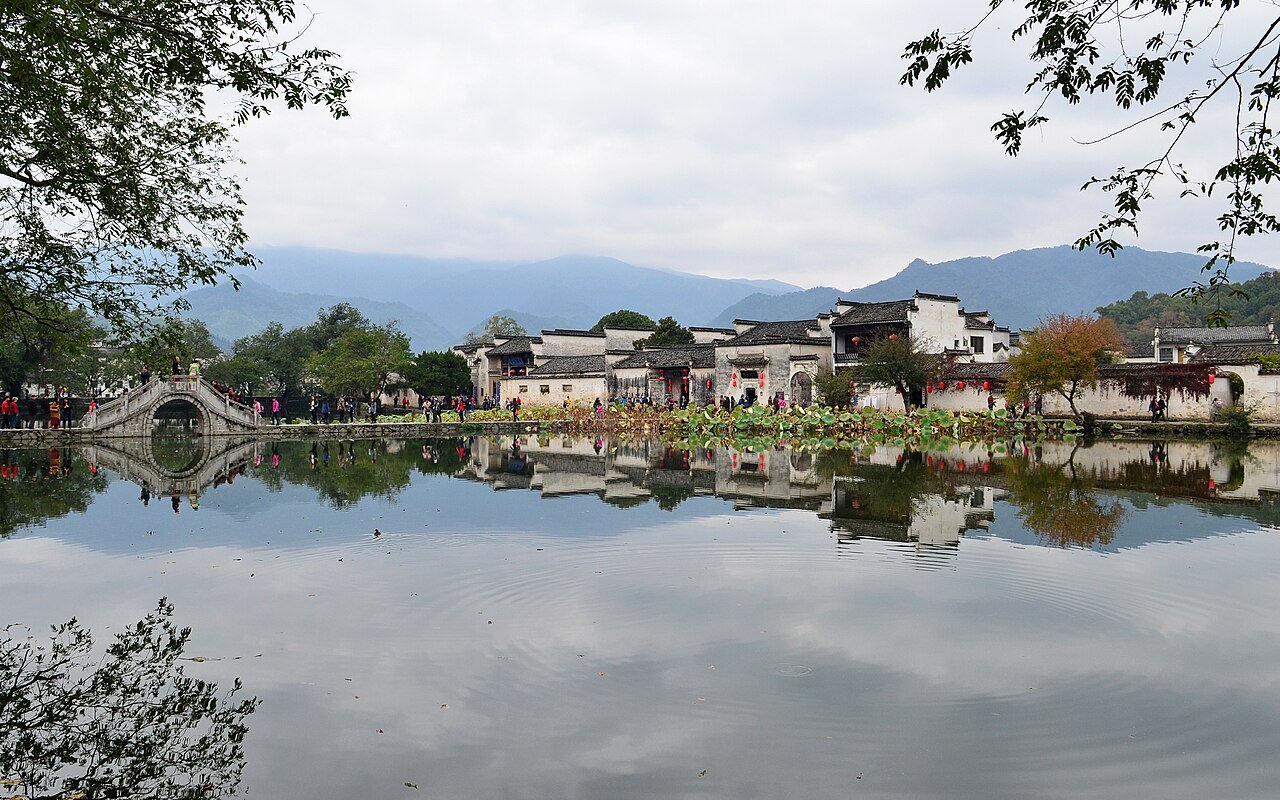
The white walls of Xidi reflected in the village pond

Xidi village

Quieter than Hongcun and architecturally richer: a single-family (Hu) village of 300 Ming-Qing houses behind a grand three-tier paifang archway, with carved stone windows and clan halls down flagstone lanes. UNESCO-listed. ¥94; shuttle between Xidi and Hongcun runs all day (about ¥7), so pair them in one day.

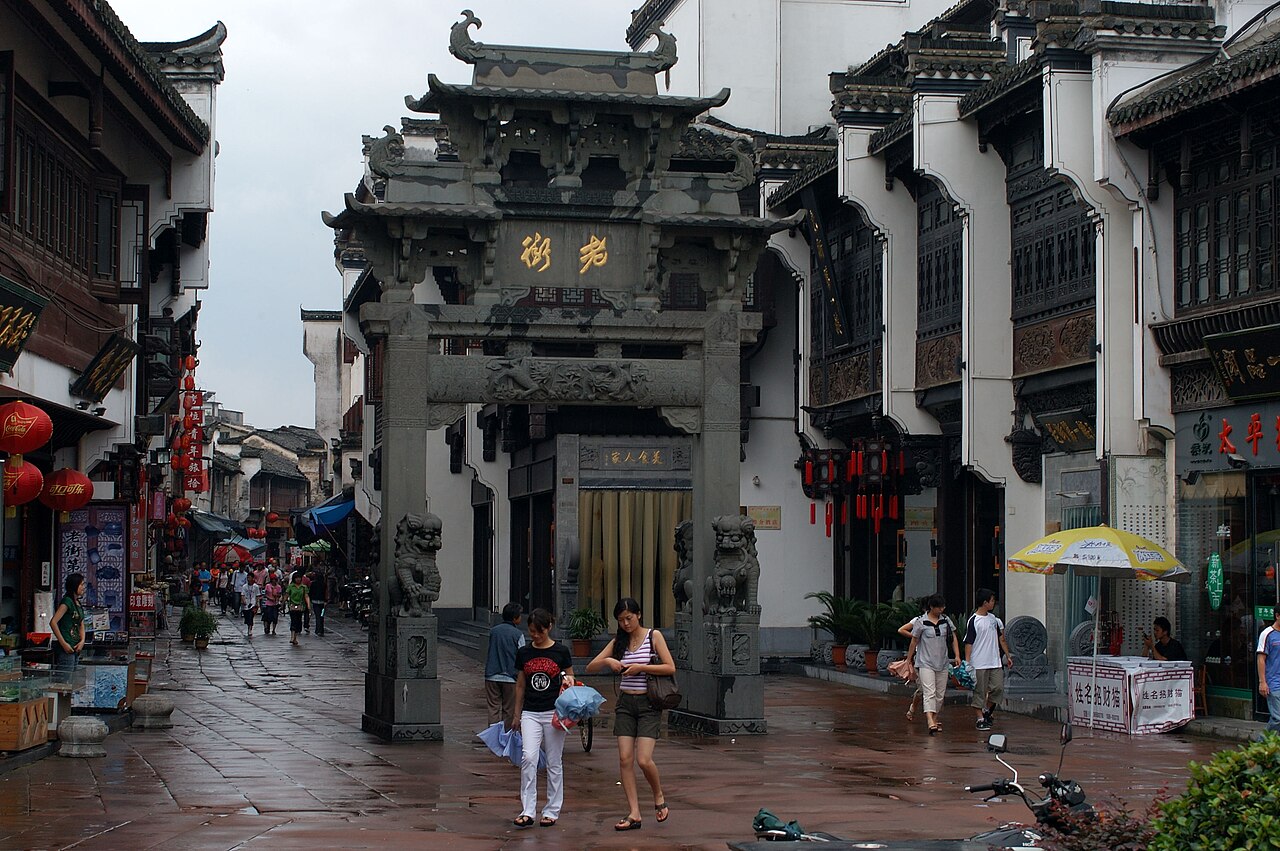
The stone paifang gate and shopfronts of Tunxi Old Street

Tunxi Old Street

Huangshan city's living antique: a kilometre of Ming-style shopfronts selling Huizhou ink, tea and woodcarving, free to wander and best at dusk when the lanterns come on. This is also the food street — stinky mandarin fish, hairy tofu and sesame shao-bing all happen here.

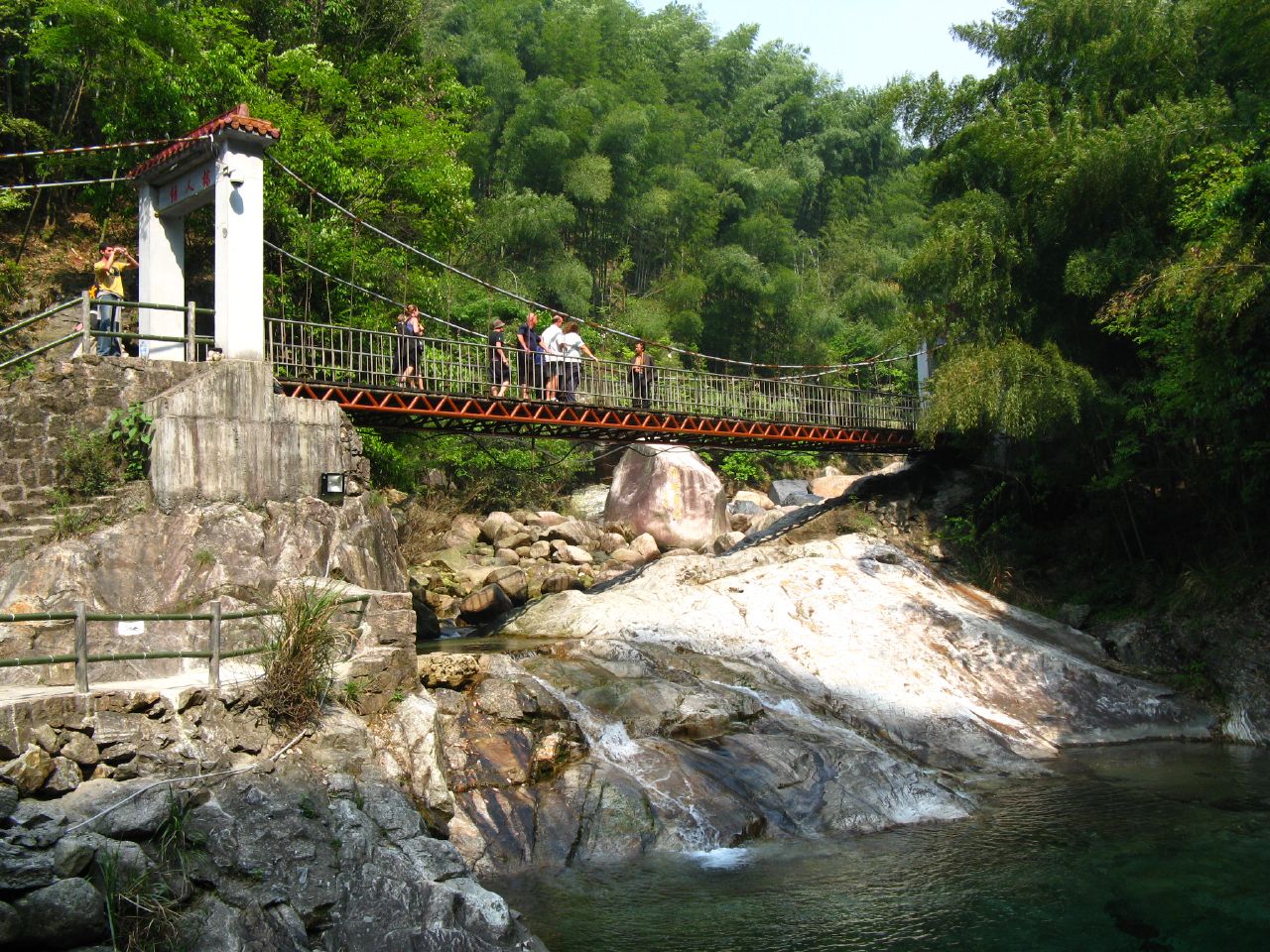
A bridge over the stream in Emerald Valley's bamboo gorge

Emerald Valley

The mountain's gentler little brother, ten minutes from Tangkou: a bamboo-shaded gorge of coloured pools and small falls along an easy 6 km path — the perfect arrival or departure half-day when the big mountain would be too much. ¥60, 8:00–17:00ish; the colored pools photograph best after rain.

Local cuisine

Where to stay

The classic rhythm: night 1 in Tangkou, night 2 on the summit for sunrise, night 3 in Tunxi or a village guesthouse in Hongcun. Book summit beds the moment dates are fixed.

Getting around

Getting here

  • High-speed rail to Huangshan North

    Hangzhou East about 1.5 h, Shanghai Hongqiao about 2.5 h, Hefei about 1.5 h. From the station, tourist buses run to Tangkou/the mountain's south gate (¥33, about an hour).

  • Huangshan Tunxi Airport (TXN)

    15 minutes from Tunxi; a 240-hour transit-free port since December 2024, with the whole of Anhui as the allowed area.

  • Yixian East station

    The newer station serving the villages — direct tourist shuttles to Hongcun (¥16) and the mountain's south gate (¥23).

The mountain gate is Tangkou town, 60 km from Huangshan North station — the tourist bus network connects station, gate and villages; private cars cannot enter the scenic area.

Local transport

  • 🚌

    Scenic-area shuttle

    Mandatory inside the park: ¥19 each way from the Tangkou transfer centre to the cableway bases; runs from about 6:00.

  • 🚠

    Cableways

    Yungu ¥80, Yuping ¥90, Taiping ¥80 one-way (cheaper in winter). Fit walkers can climb instead in 2–3 hours per side.

  • 🚐

    Village buses

    Tangkou ↔ Hongcun ¥23, Hongcun ↔ Xidi about ¥7, Hongcun ↔ Huangshan North ¥33 — the villages pair easily in one day.

Take the first shuttle of the morning (about 6:00–6:30): you will cableway up with no queue and own the summit until 9:00 — the single highest-value habit on this mountain.

Recommended routes

All routes →

FAQs

How many days do I need?

Three is the sweet spot: day 1 up the back (Yungu) side to the summit, night on top; day 2 sunrise, front side down to the Guest-Greeting Pine, evening in Tunxi; day 3 Hongcun and Xidi. The 3-day ticket means nothing is wasted.

Is the summit hotel worth it?

If sunrise matters to you, yes — it is the difference between watching dawn break over the cloud sea and riding the first shuttle up after it happens. Rooms are basic and expensive (¥800+); dorms are the budget play. Book far ahead.

How hard is the hiking?

With cableways both ways, the summit circuit is 4–6 hours of paved paths with a lot of stairs — doable for anyone reasonably mobile. Tiandu Peak and the West Sea canyon add exposure and steepness; skip them with bad knees or a fear of heights.

Hongcun or Xidi if I can only do one?

Hongcun for the iconic water reflections (and the crowds that come with them); Xidi for deeper architecture and calmer lanes. They are 30 minutes apart with shuttles all day — most people do both, Hongcun late afternoon into evening.

When is the cloud sea most likely?

After rain clears, especially in the cooler months — November to February gives the best odds, and winter adds snow. Summer is lush but hazy; spring and autumn split the difference. Either way, sunrise is when it performs.

Does the 240-hour transit-free policy work here?

Yes — Huangshan Tunxi Airport is one of the 240-hour transit-free ports added in December 2024, and the whole of Anhui province is the allowed activity area.