Harbin ● CITY TOUR BOARD

Harbin 哈尔滨

China's Ice City, where winter is the main event: a whole metropolis of illuminated ice castles, Russian onion domes on cobbled streets, and −25°C air that makes the lights glow harder. Come for the cold, stay for the spectacle.

Introduction

Harbin was laid out around a Russian-built railway from 1898, and the old centre still looks it: cobbles, onion domes, and a sausage that came from Lithuania. For about two months a year it is also a city made of ice — the Ice and Snow World is cut fresh from the frozen Songhua River each December and gone by March. What catches people out is the cold. January averages around minus seventeen, and almost everything here is outdoors.

Travel highlights

The ice has a short season

Ice and Snow World is rebuilt every winter from Songhua River blocks and runs roughly from mid-December to late February. Arrive in October and Harbin is a pleasant river city with no ice in it at all.

Minus twenty is a normal day

January averages about minus seventeen and the record low is minus forty-two. Phone batteries die within minutes outdoors, so carry it inside your coat, and plan a warm room roughly every hour.

Metro Line 2 does the trip

Its stations are called Ice and Snow World, Sun Island, Zhongyang Street and Harbin Railway Station. Fares start at ¥2 and it links almost everything on this page. The last train is around 22:30.

The Russian city is still there

The old centre was laid out by a Russian railway company and it still shows. Saint Sophia was a working church, Central Street was cobbled in 1924, and red sausage came in 1909 with a Lithuanian at the Qiulin trading house.

Travel alerts

Top attractions

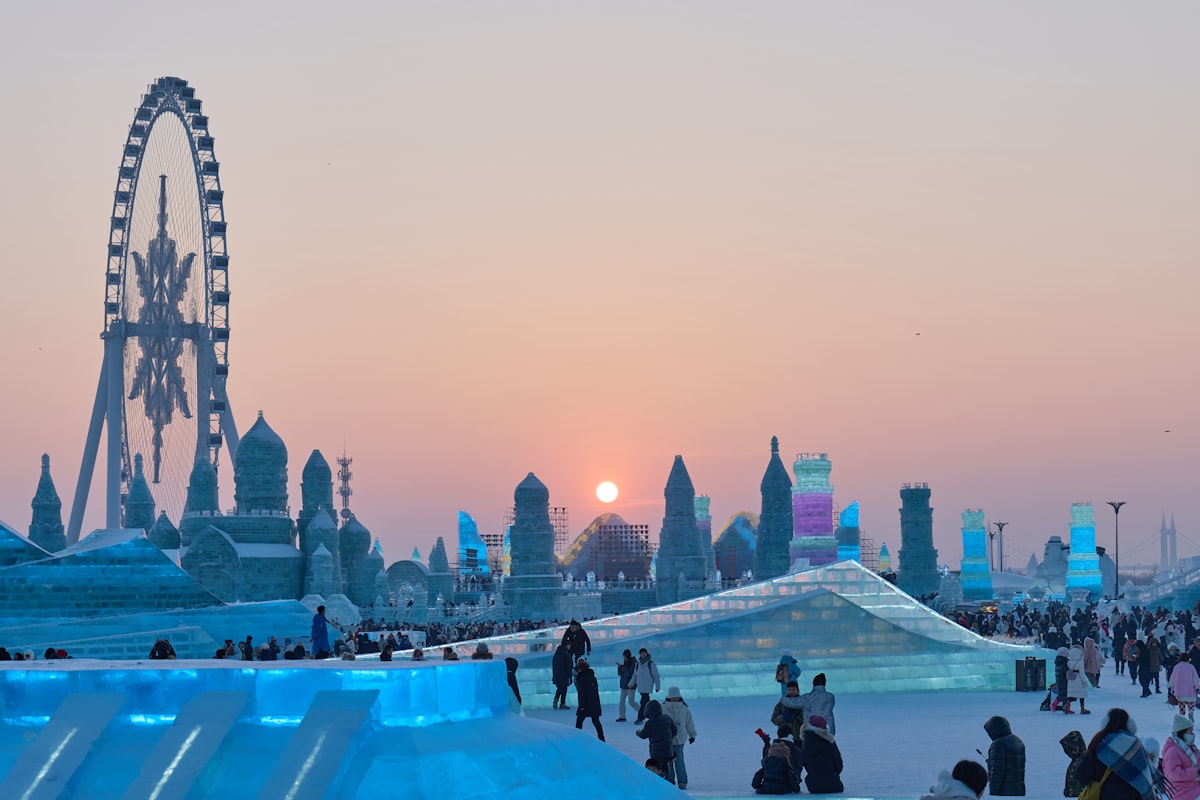
Ice castles and a Ferris wheel at sunset during Harbin's Ice and Snow World festival

Ice and Snow World

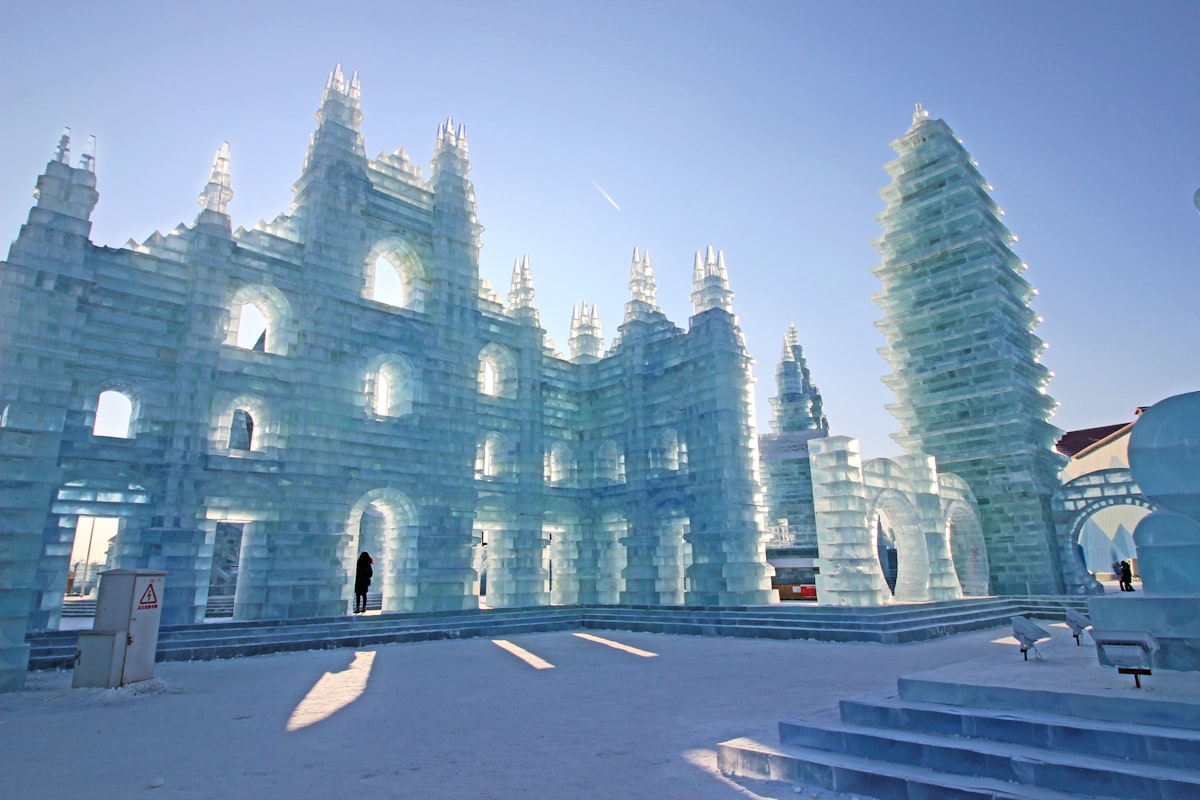
The reason people come: full-size palaces, towers and slide runs built from Songhua river ice and lit from inside. Roughly mid-December to late February, open from 10:00 with last entry near 21:30, and about ¥328. Go after dark — by day it is grey blocks. Metro Line 2 has a station named after it, one stop from Sun Island.

Translucent carved ice palaces at Harbin Ice and Snow World in daylight

Sun Island snow expo

The snow half of the festival, in daylight: carved snow sculptures across a park on the north bank, about 09:00 to 17:00 from late December. About ¥198, and the ticket includes the panda house — two giant pandas in snow. One Line 2 stop from the Ice and Snow World, so do this first and cross at dusk.

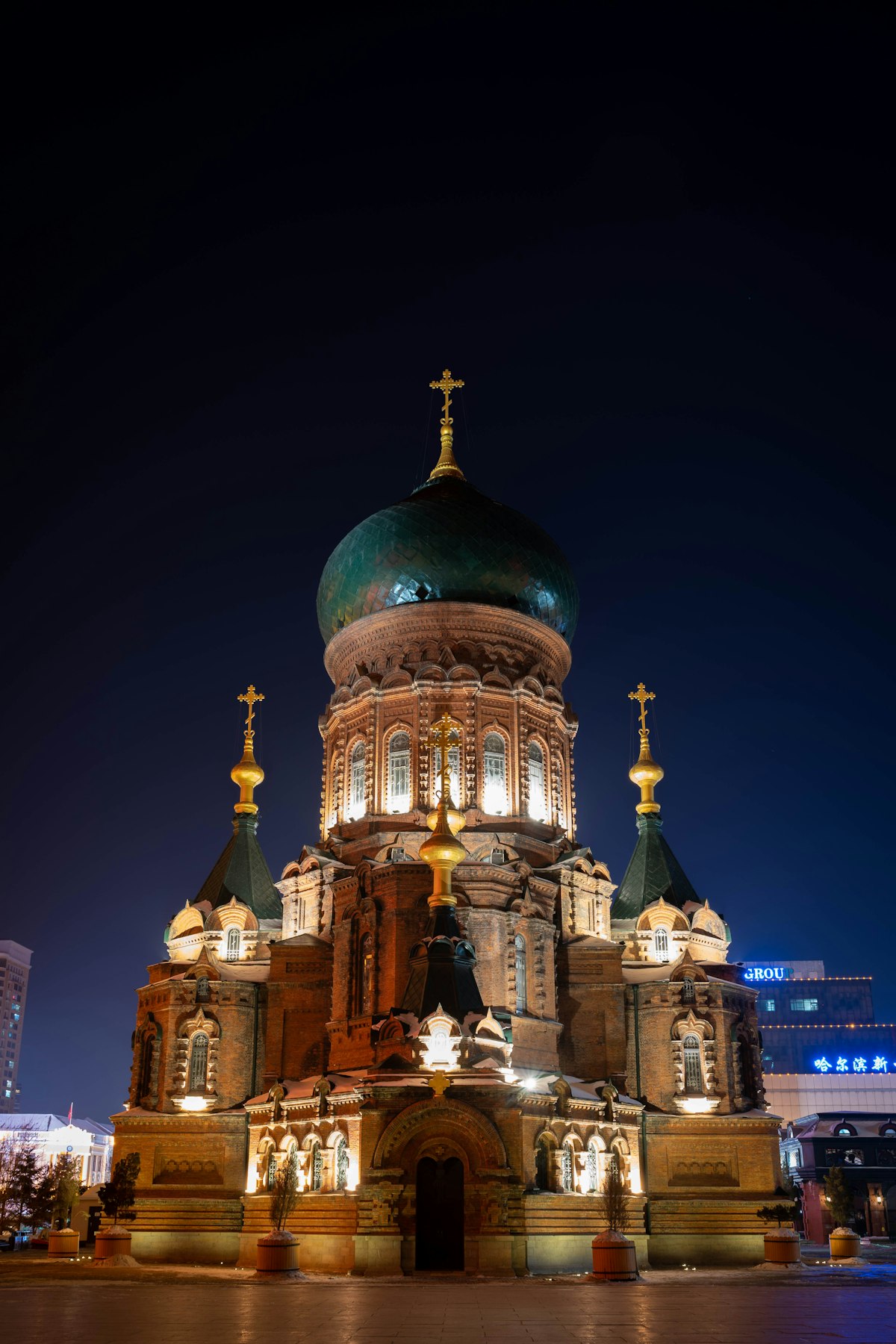
Saint Sophia Cathedral illuminated at night in central Harbin

Central Street

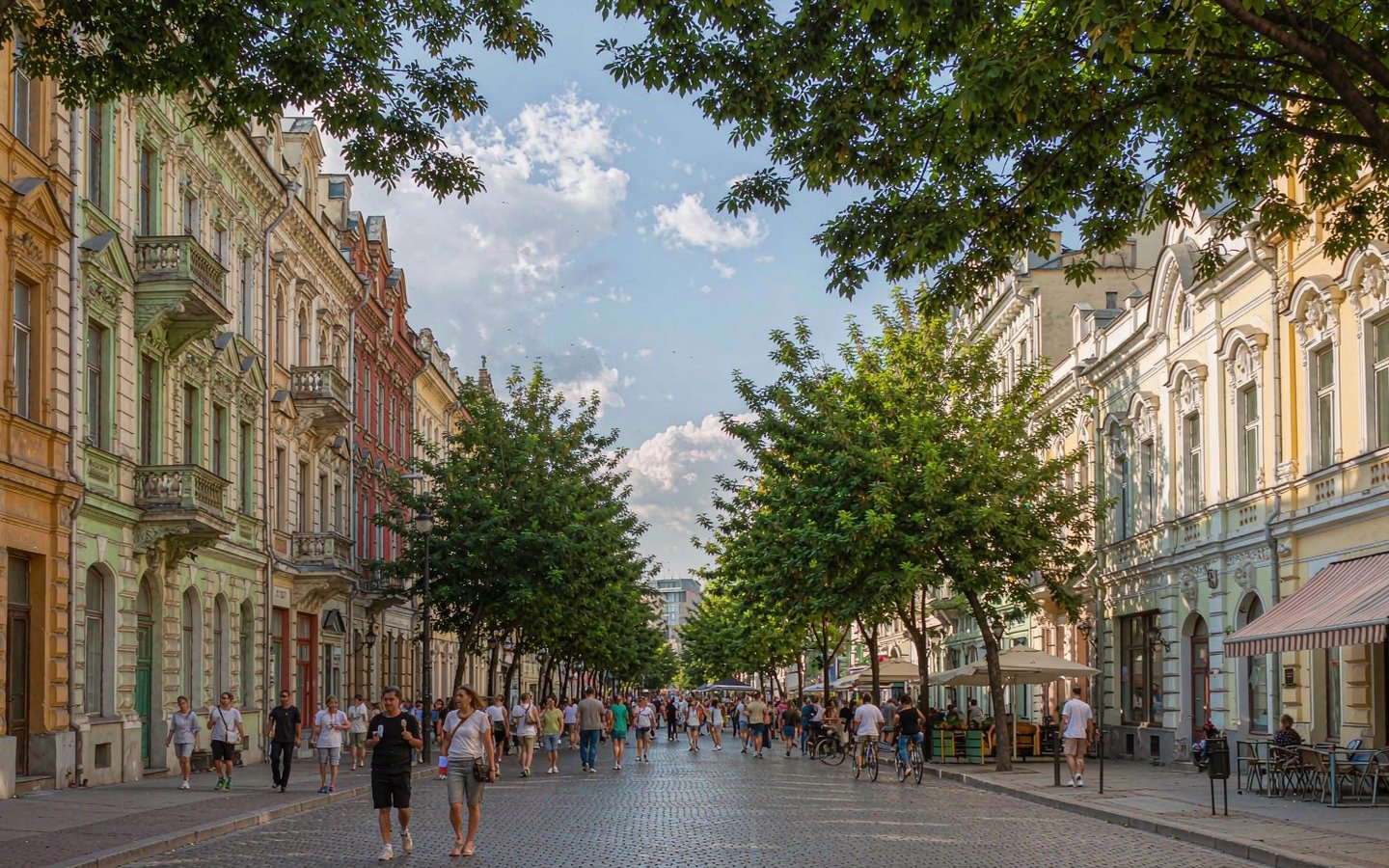
A kilometre and a half of cobbles laid in 1924, closed to cars, and the main street of the old town. Russian and European facades on both sides, and most of the food on this page is sold within a few minutes' walk. Saint Sophia is a short walk east and the river is at the north end. Metro Line 2 stops at Zhongyang Street.

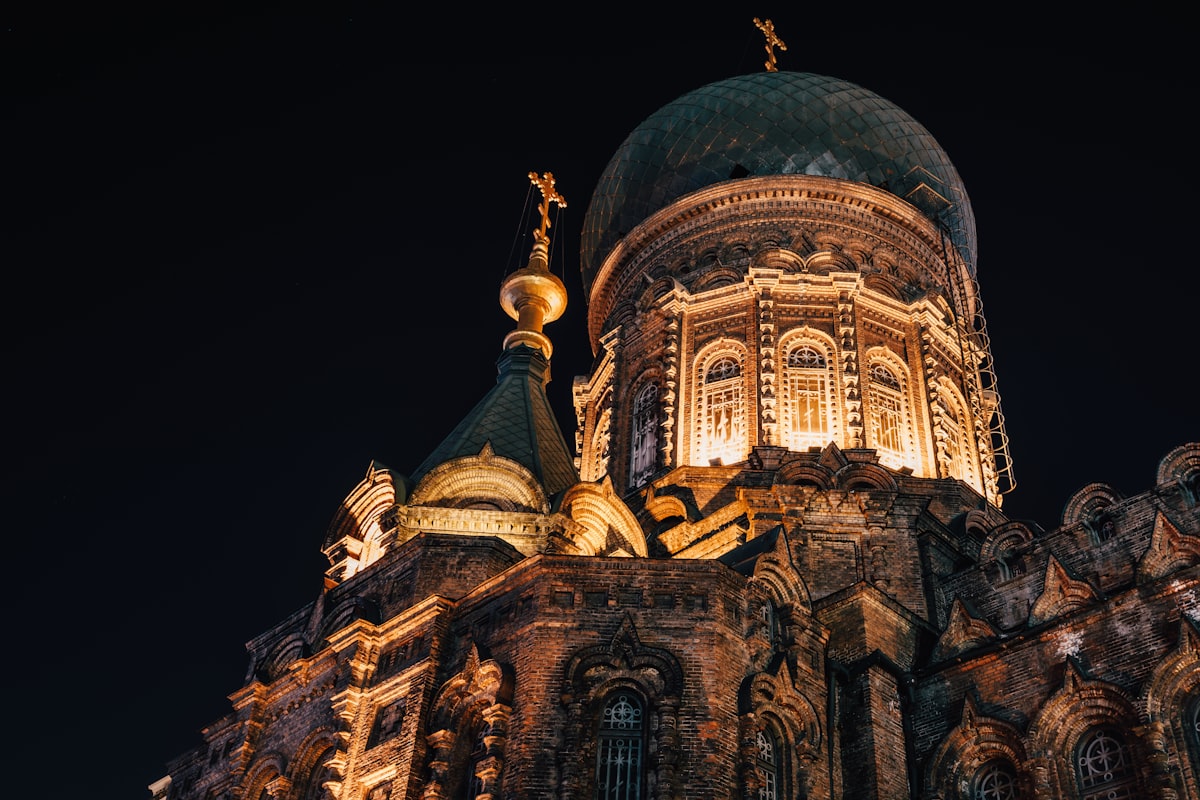
Floodlit dome and spires of Saint Sophia Cathedral, Harbin, at night

Saint Sophia Cathedral

The photograph everyone takes home: a Russian Orthodox cathedral in red brick and green domes, marooned in the modern city. It stopped being a church long ago — inside is a museum of Harbin's architecture, reopened in December 2025 after its frescoes were restored. The square is free and floodlit at night; going in means a separate museum ticket — check the official rate on the day.

A lit ice arch at the Zhaolin Park ice lantern display in Harbin

Zhaolin Park ice lanterns

Where the ice lanterns began, in 1963, decades before anyone built the Ice and Snow World. Small, central, and a walk from Central Street, which makes it the evening for a night you cannot face crossing the river. Go after dark — by day there is nothing to see. Metro Line 3 stops at the gate.

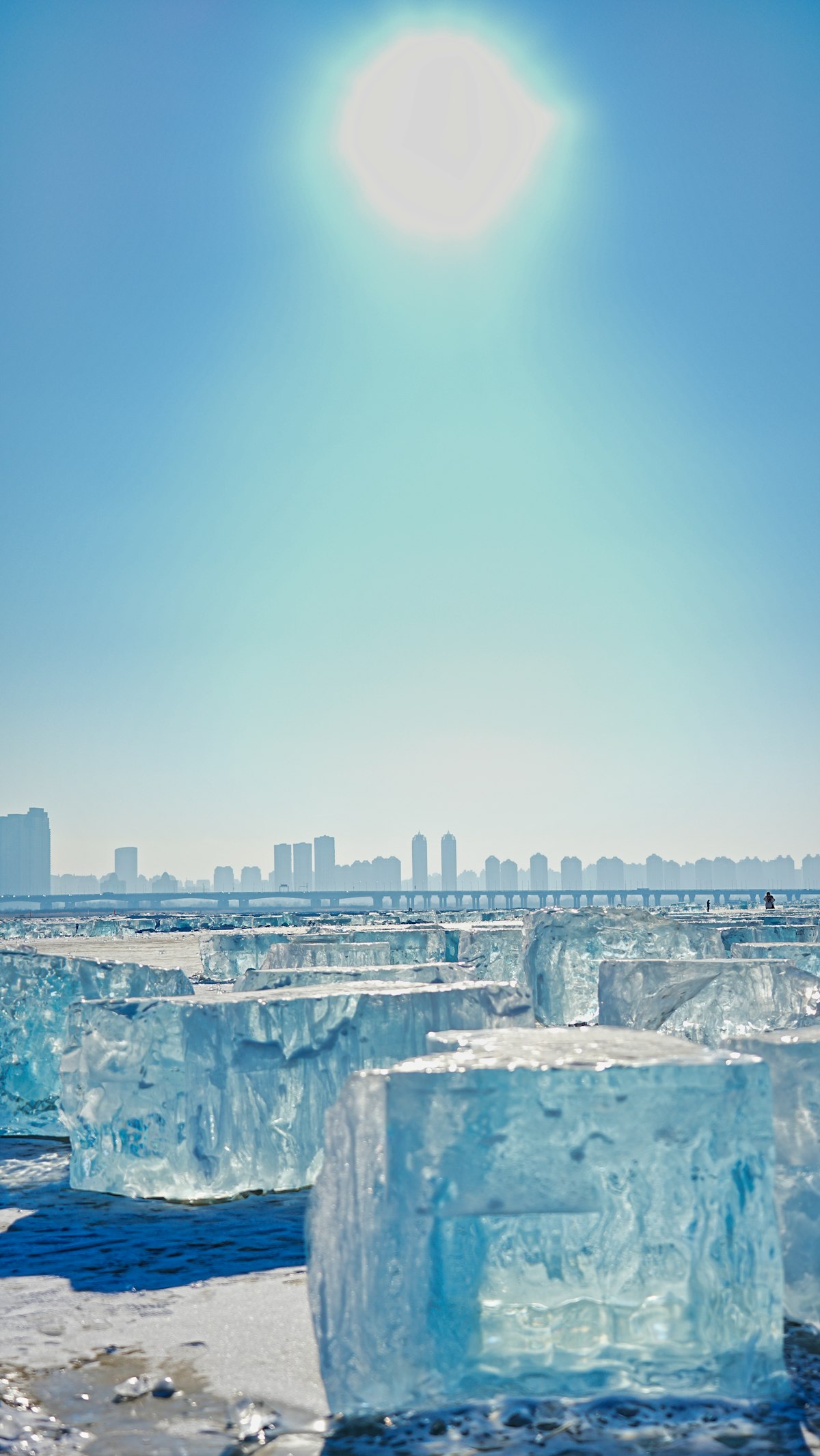
Harvested ice blocks on the frozen Songhua River with Harbin's skyline in the distance

Songhua River

The river the whole festival is cut from. It freezes hard from about December to March and people walk straight out onto it — sledges, horse-drawn carts, ice bikes, all priced on the spot. It is at the north end of Central Street, so looking costs nothing. In summer it is a beach with boats across to Sun Island.

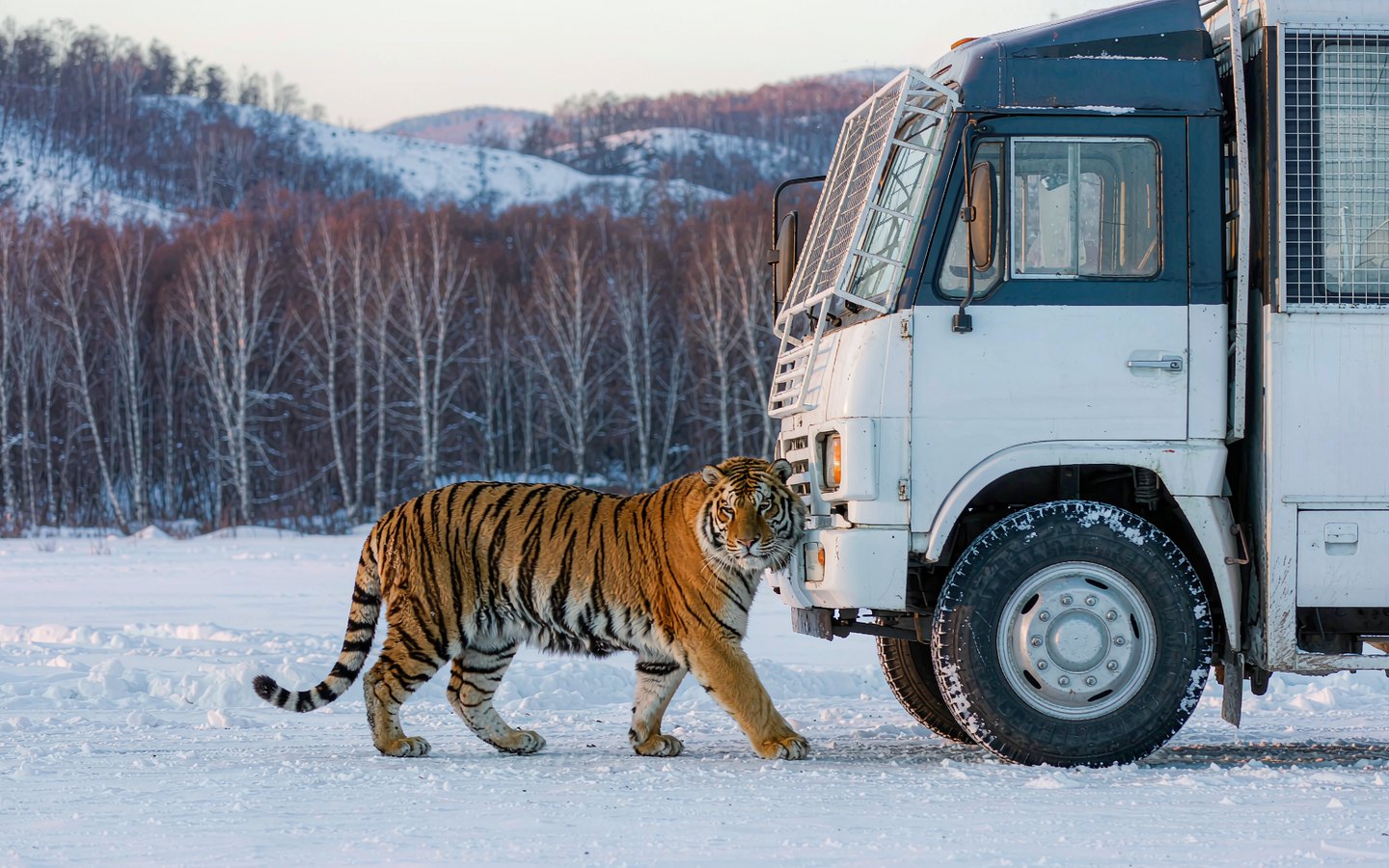
Siberian tiger beside a caged safari bus window in the snow

Siberian Tiger Park

The world's largest captive population of Siberian tigers — several hundred — viewed from a caged 'thrill bus' with feeding slots, so the cats come to your window. Go before 10 am when they're active; by early afternoon you'll mostly see sleeping tigers. Open all four seasons, Harbin's non-winter card. Outside food is banned (meat strips ¥20), the bus queue can pass an hour, and in February–March 2026 pens rotate a fasting day — you'll be routed to a feeding area.

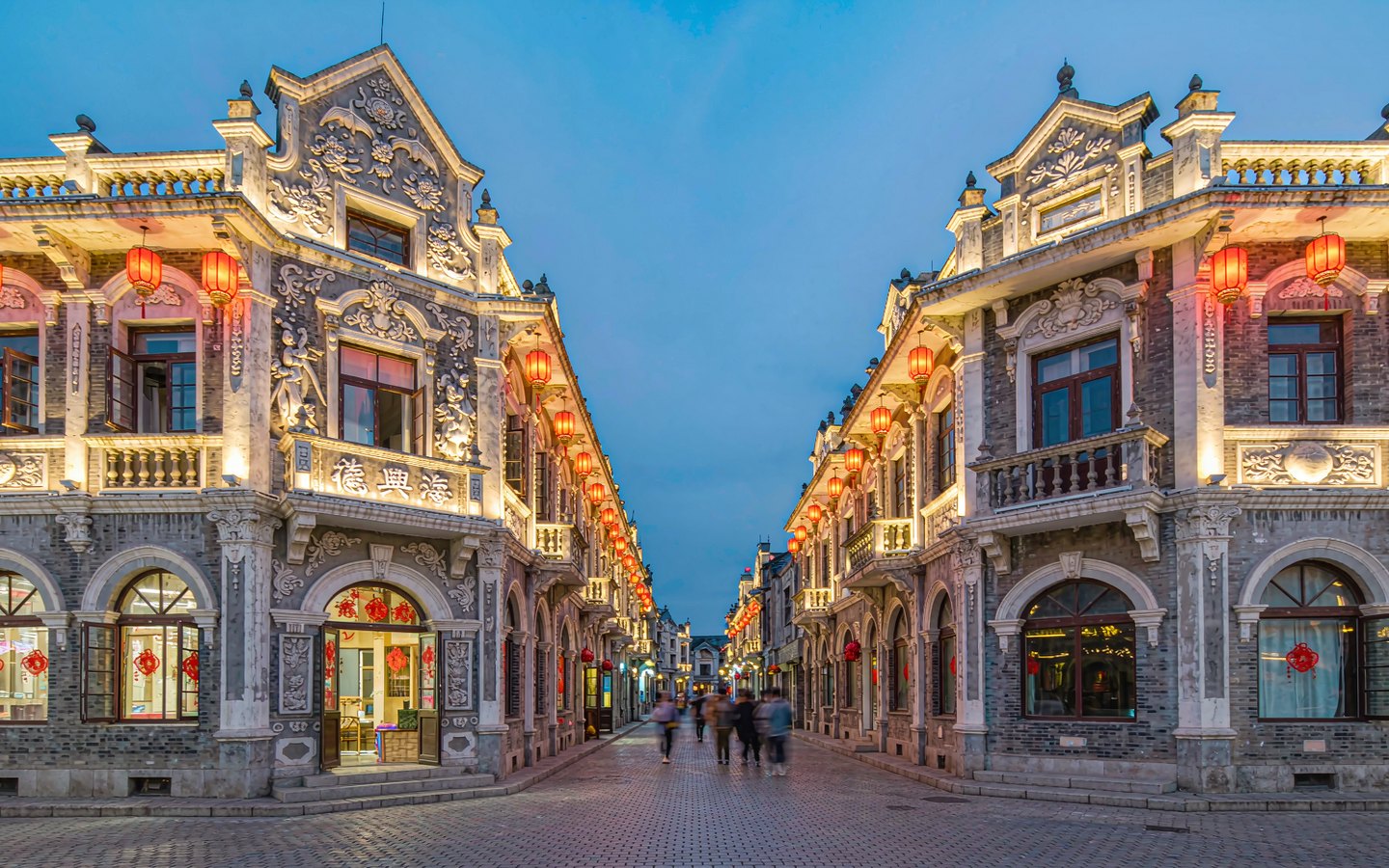
Ornate baroque facade with Chinese motifs above a lantern-lit street

Chinese Baroque Historic District (Laodaowai)

China's largest surviving 'Chinese baroque' quarter: 47 hectares of courtyard blocks built by Chinese merchants — baroque facades carved with bats, pomegranates and peonies, Chinese courtyards behind. Central Street shows Harbin's Russian face; this is the city's Chinese half. Free and open all day, but it only really switches on after the lights come on at dusk. Ten minutes by taxi from Central Street or on metro line 3; phase-three works mean some courtyards are still behind hoardings.

3 more spots worth seeing
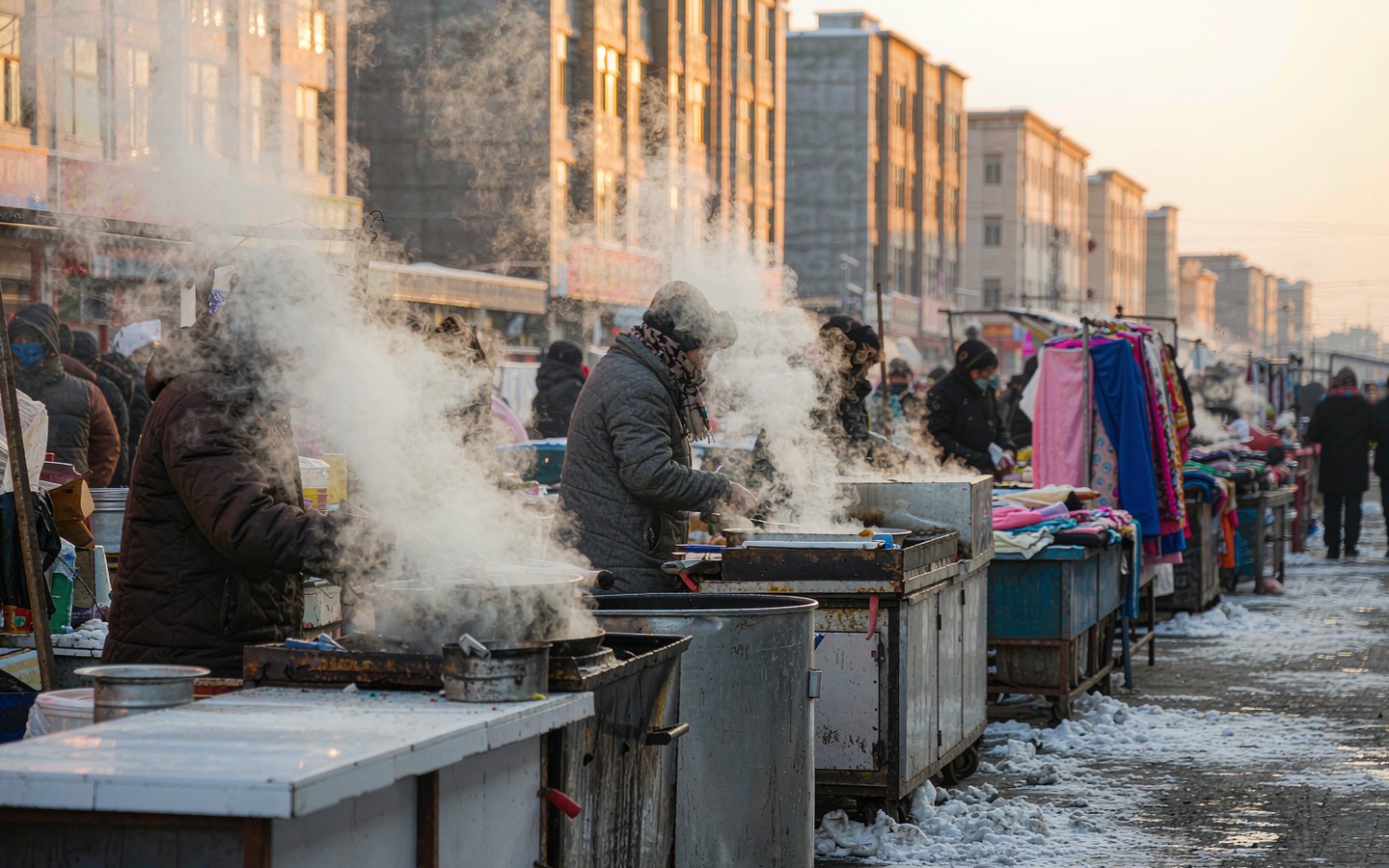
Steam rising from breakfast stalls at a snowy dawn market

Hongzhuan Street morning market

Harbin's dawn market, a few minutes' walk from the flood-control monument at Central Street's north end: fried cakes, rib buns, chocolate youtiao, sweet tofu pudding, fresh blueberries — breakfast for a dozen yuan. It opens around 5:30 and packs up by about 9; sleep in and it's gone. Walk the whole street once before committing to a queue. In winter it's minus twenty, so bring full cold-weather kit, plus both cash and mobile pay since some stalls can't break notes.

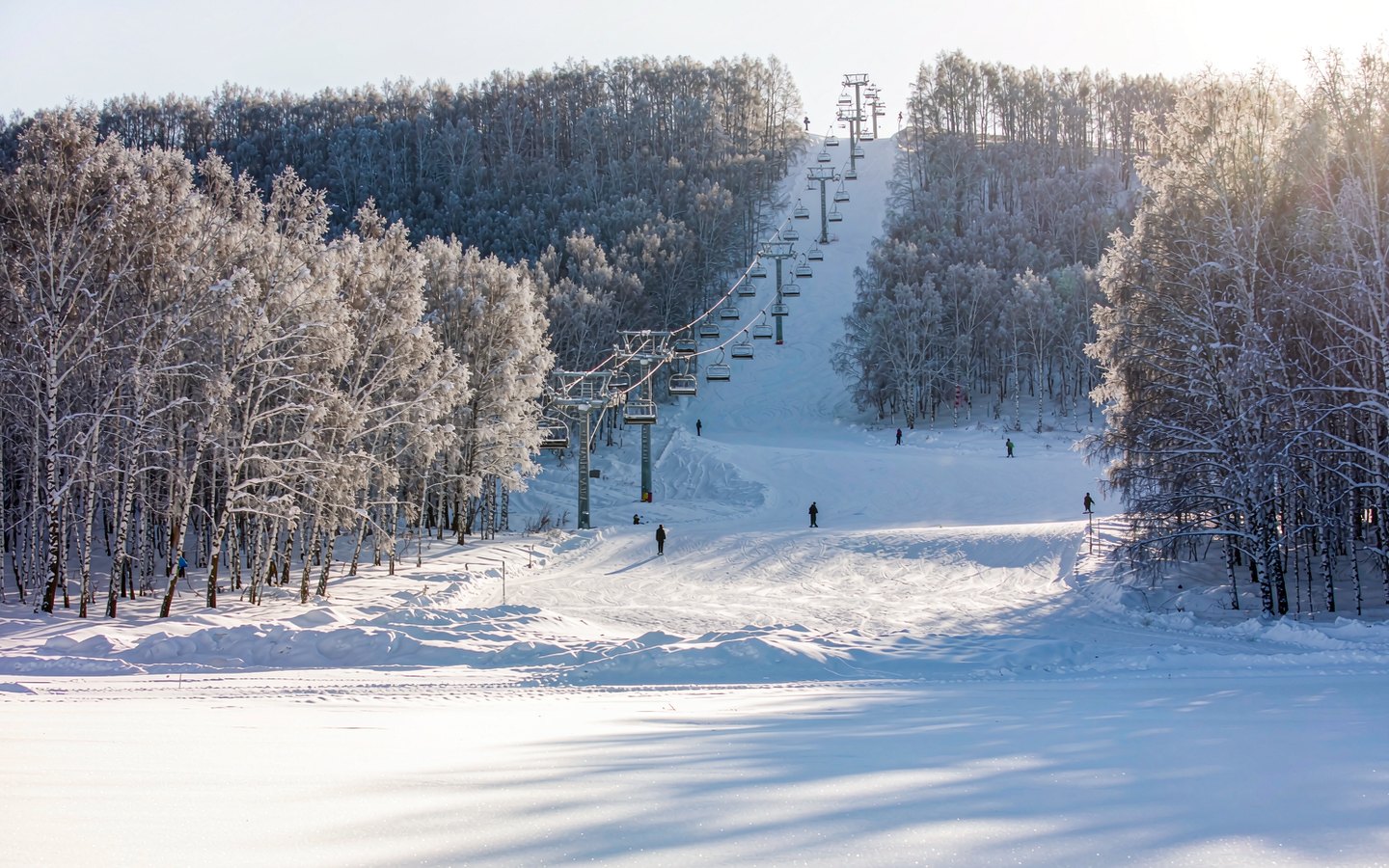
Groomed ski runs dropping through snow-laden birch forest

Yabuli Ski Resort

The snow-sports venue of the 2025 Asian Winter Games, now linked 'three mountains, one pass': 55 runs, the longest near 5 km. High-speed rail from Harbin reaches Yabuli West in about 1.5 hours. A beginner package with gear runs roughly ¥200–300 for 2–3 hours, but at 198 km out a day trip is a squeeze — sleep over. It only exists in season, roughly late November to March; non-skiers get the panda hall, hot springs and a forest train.

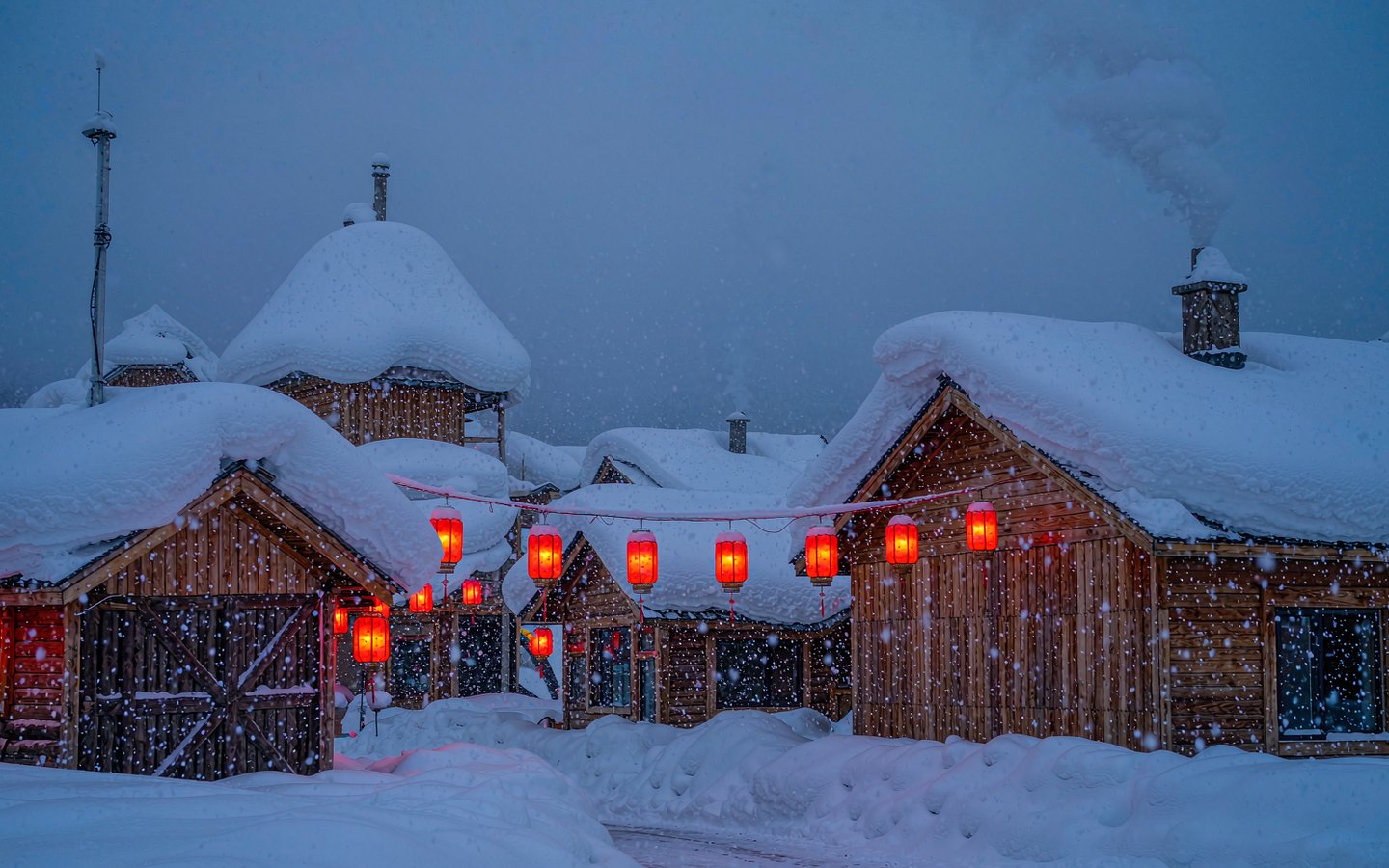
Snow-buried wooden houses glowing with red lanterns at night

China Snow Town

The picture that sells a Northeast winter: snow mushrooms capping wooden roofs, red lanterns down Snow Charm Street, a seven-month snow season and drifts up to two metres. It's administratively Mudanjiang — about 280 km and 4–6 hours from Harbin — so it's an overnight trip, realistically two days, not a stop. Prices are high and complaints about mis-sold products are long-running: book through formal platforms and insist on marked prices. Expect shared 4–6-person heated-kang rooms.

Local cuisine

Where to stay

Book a hotel licensed to register foreign guests — plenty in Harbin are not, and they tell you at the desk rather than at booking. For January, book weeks ahead as well: central rooms sell out and festival rates run far above the ranges above.

Getting around

Getting here

  • Taiping Airport (HRB)

    About 35 km out, with two linked terminals and no rail link of any kind. Allow 40–60 minutes into the centre, and more when it snows.

  • Airport into town

    Shuttle buses are ¥20 on the main routes into town, and line 1 runs to Harbin Railway Station around the clock. A taxi or DiDi is roughly ¥100–150.

  • Train stations

    Harbin West is the high-speed one, for Beijing, Shenyang, Changchun and Dalian, and Metro Line 3 stops there. Harbin Station is the central one and Harbin North is across the river; both are on Line 2.

Your passport is the ticket on 12306. At the barriers use the staffed lane — the automatic readers only take Chinese ID cards.

Local transport

  • 🚇

    Metro

    Three lines, from ¥2 by distance, running roughly 06:00 to 22:30 and signed in English. Line 2 is the one that matters: Ice and Snow World, Sun Island, Zhongyang Street and Harbin Railway Station are all stations on it. Line 3 is a loop and reaches Harbin West.

  • 🚕

    DiDi and taxis

    Most trips across the centre are ¥15–30, and DiDi works in English so you never say an address out loud. After the metro stops it is the only thing moving.

  • 🚌

    Buses

    ¥1–3 and they go everywhere, but signed in Chinese only and you wait for them outside. In January that is the whole argument against them.

No transit card needed: scan the transport QR from Alipay at the gate. Ice and Snow World empties around 22:00 and the last metro is about 22:30, so have DiDi open before you walk to the exit.

What's on

Recommended routes

All routes →

FAQs

What is the best time to visit Harbin?

December to February, full stop — the Ice and Snow World only exists then, and it is best after dark when the blocks light up. Outside winter it is a different city.

How many days should I spend in Harbin?

Two to three days: Central Street and the cathedral, a night at the Ice and Snow World, and Sun Island or the Songhua River by day.

How do I get from Harbin airport to the city centre?

The airport bus takes about an hour; a taxi is around 45 minutes and DiDi runs ¥80–120.

What is the best way to get around Harbin?

The metro — three lines from ¥2 — plus taxis, which run ¥15–30 across the centre. Dress in serious layers and keep your phone warm, or the battery dies in the cold.

Which area should I stay in Harbin?

Central Street and Daoli are the obvious base. Nangang near the station is two metro stops away and cheaper, Songbei sits next door to the Ice and Snow World, and Harbin West–Qunli has the cheapest rooms.

What food should I try in Harbin?

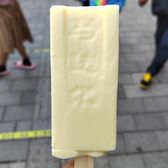
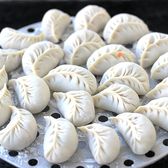
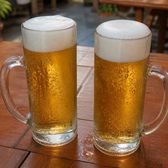
Guo bao rou, Harbin red sausage, Madieer ice cream eaten in the cold, lapi, dumplings and Harbin beer.

What are the must-see sights in Harbin?

The Ice and Snow World, the Sun Island snow expo, Central Street, Saint Sophia Cathedral, the Zhaolin Park ice lanterns and the frozen Songhua River.