Dunhuang ● CITY TOUR BOARD

Dunhuang 敦煌

The great Silk Road oasis — a thousand years of Buddhist murals hidden in the Mogao grottoes, a crescent spring cupped impossibly between roaring sand dunes, and camel trains on the rim of the Gobi.

Introduction

Dunhuang is an oasis town at the far end of the Hexi Corridor, and it holds two things people travel a long way for: a cliff of Buddhist caves painted across a thousand years, and a spring of water sitting in live sand dunes. The town itself is small enough to walk. The sights are not — they are spread over 180 kilometres of gravel desert, so the days are built around a car, and the thing people get wrong is Mogao: capped, timed, and booked a month ahead.

Travel highlights

Book Mogao a month ahead

Foreign passports book on WeChat, through the official Mogao reservation service account — the menu item is labelled Ticket Booking in English. The foreign-visitor A ticket is ¥258 in season: the ¥238 ticket plus a ¥20 foreign-language guiding fee. Six thousand A tickets go on sale each day, thirty days ahead. Heavy rain or a sandstorm closes the caves, and that day's tickets are refunded in full.

Dunhuang and Liuyuan are different places

The Lanzhou–Urumqi high-speed line stops at Liuyuan South, 130 kilometres away in another county. Dunhuang has its own station on a branch line, with direct D-trains in from Lanzhou, Xining and Zhangye.

The second day is all driving

Mogao and the dunes are both within twenty minutes of town, and that is day one. Everything else — Yumenguan, the Yardang park — sits between ninety and 180 kilometres out, with no bus. That is day two, in a car.

Save the dunes for the evening

Midday on Mingsha Shan is heat and flat light. The ticket runs three days once your face is scanned at the gate, so nobody has to do it all in one go — come back for the sunset.

Travel alerts

Top attractions

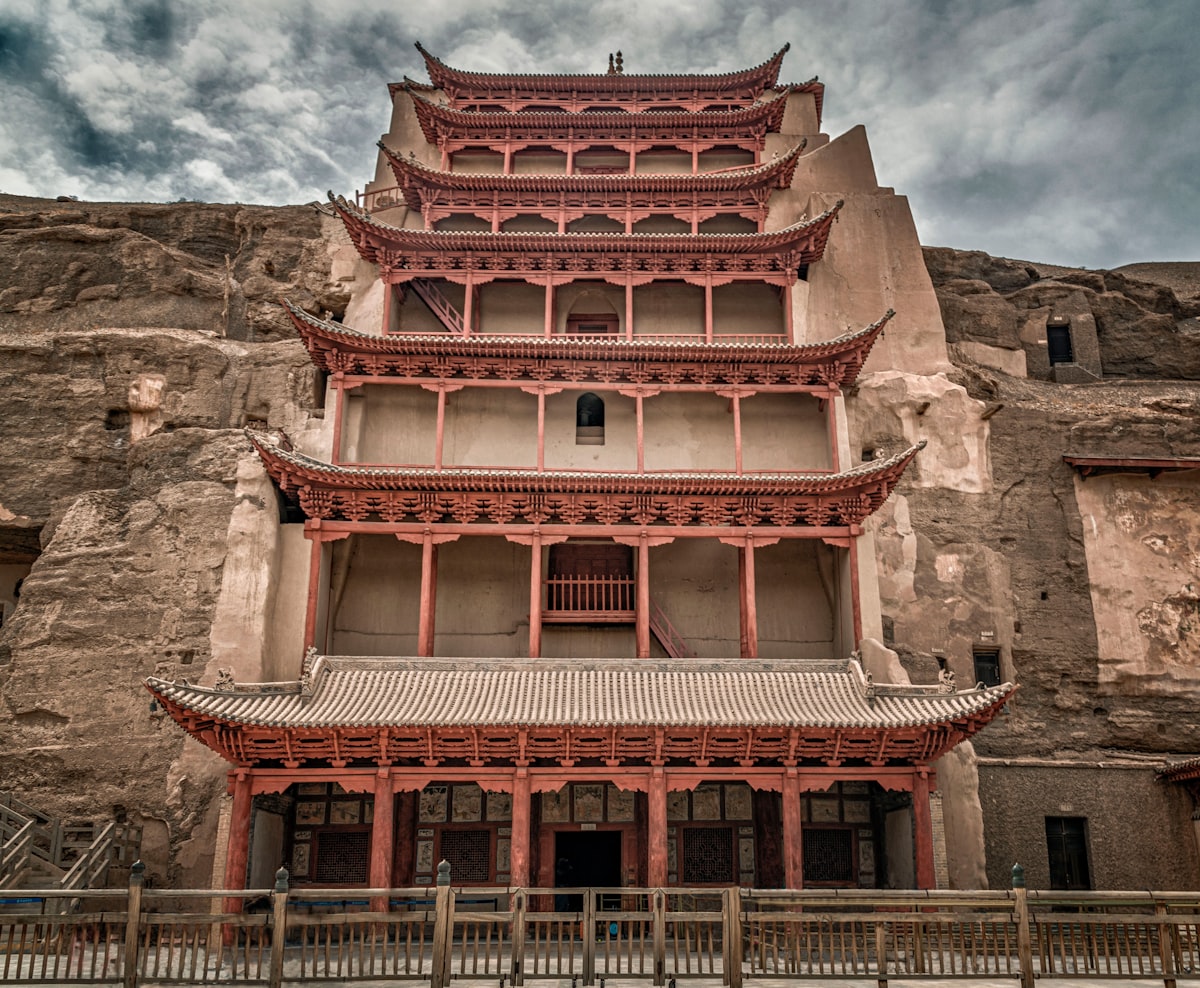
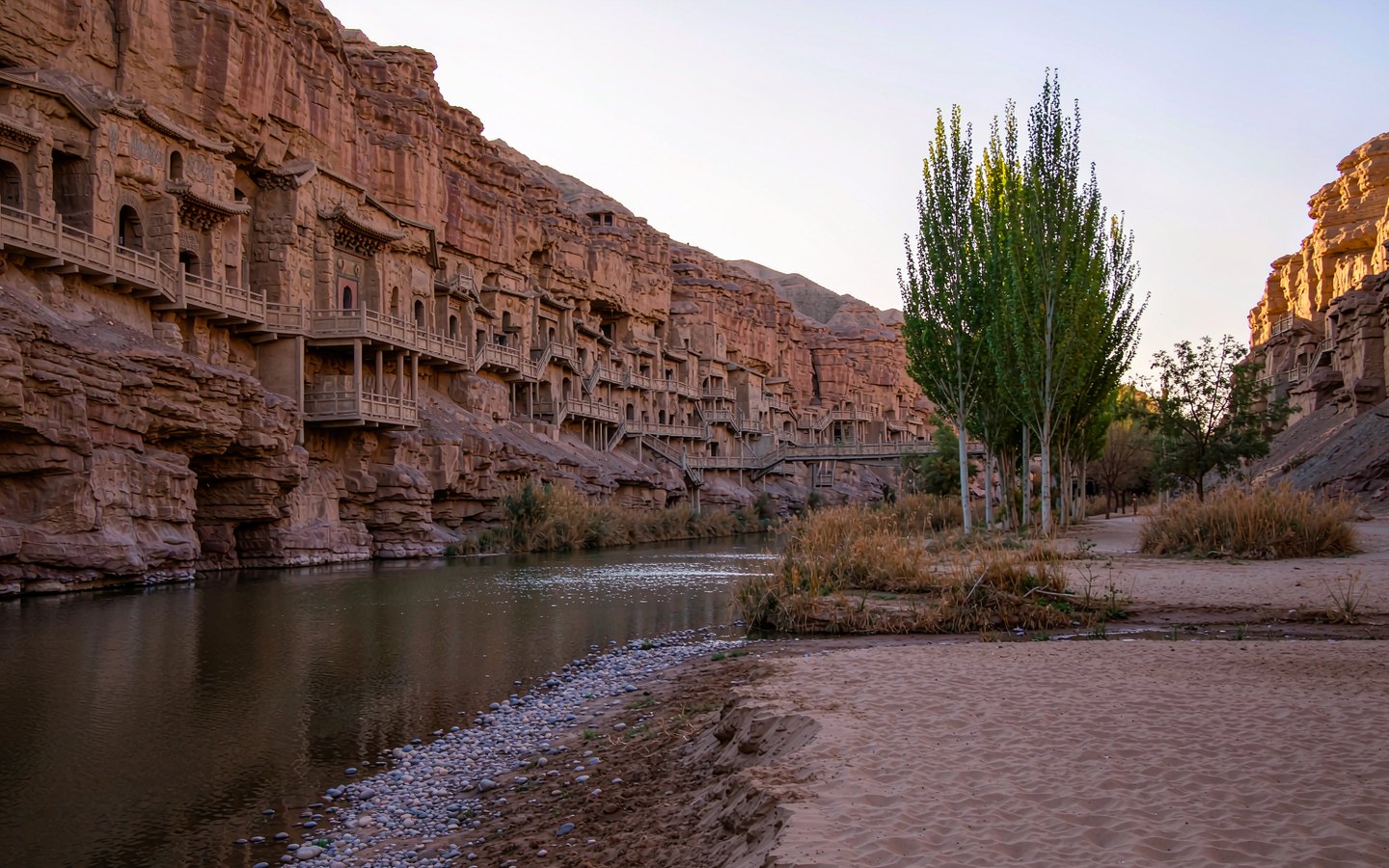
Nine-story temple facade of the Mogao Caves carved into a cliff near Dunhuang

Mogao Caves

Buddhist caves cut into a cliff and painted from the fourth century to the fourteenth, and the one booking to make before you fly. On a foreign passport the A ticket is ¥258 in season: eight caves, a guide who speaks your language, and two films at the Digital Exhibition Centre east of town before a shuttle runs you out to the cliff. The ¥100 B ticket shows four caves and skips the films.

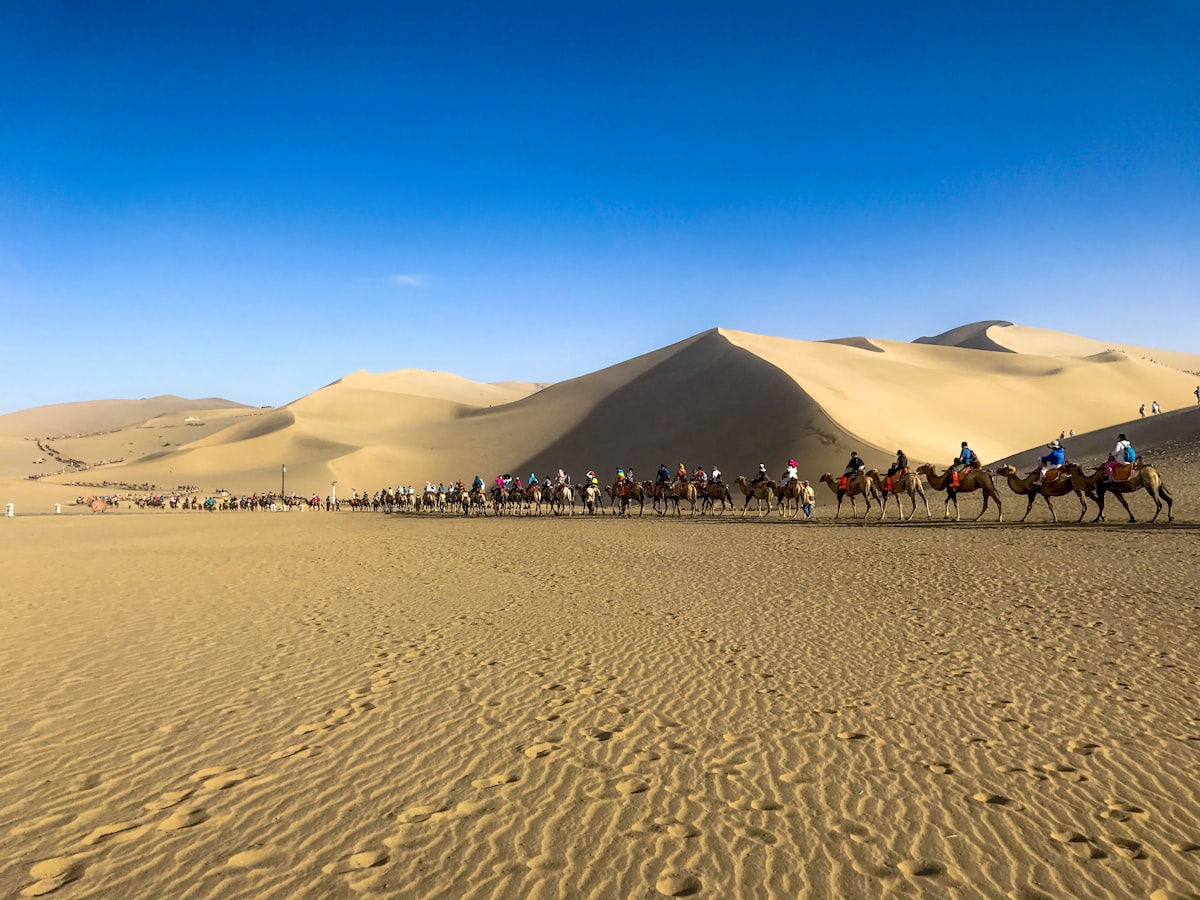
Camel caravans crossing the Mingsha sand dunes near Dunhuang under a blue sky

Singing Sand Dunes

A wall of dunes at the southern edge of town, close enough that bus 3 gets you there for a couple of yuan. Camels, sand sledges and a wooden stair up to the ridge; ¥110 in season, and the park discounts it over the winter. Go late in the afternoon, when the sand has cooled — through the summer the gate stays open past eight in the evening.

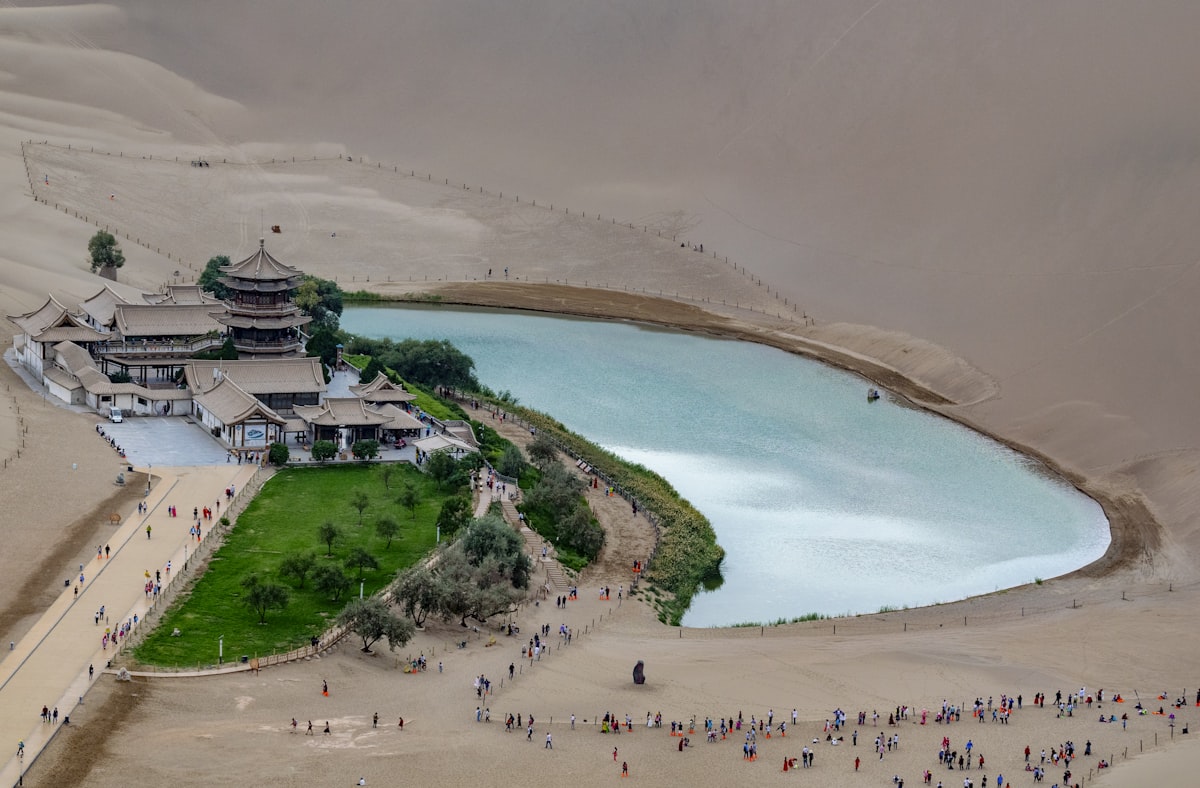
Aerial view of Crescent Lake oasis and its pagoda amid the dunes of Dunhuang

Crescent Lake

A thin curve of spring water with a wooden pavilion beside it, in a hollow the dunes have not filled in. It sits inside the Mingsha Shan gate on the same ticket, twenty minutes' walk from the entrance or a ride on the park cart. The ridge above it is where everyone goes for sunset.

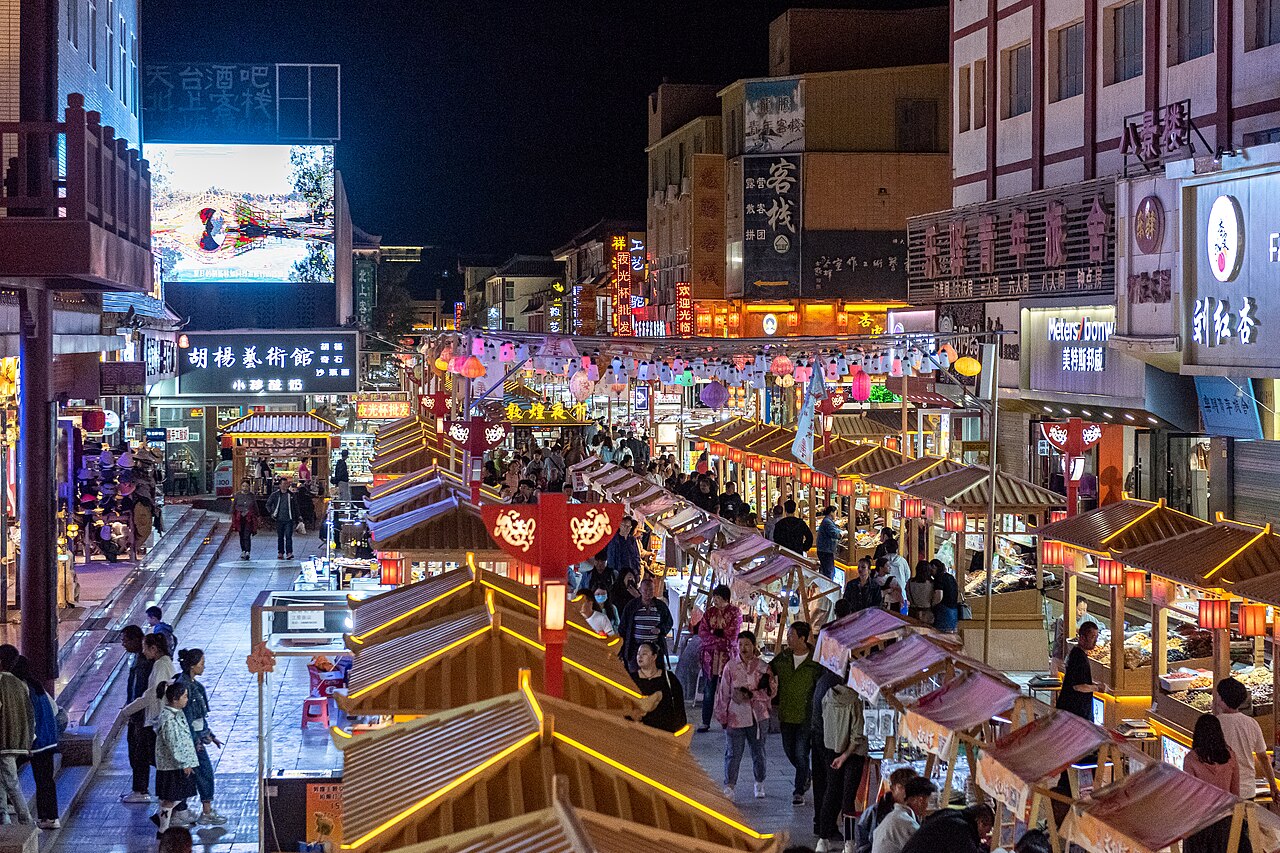
Lit stalls and crowds along the Dunhuang night market street after dark

Night market

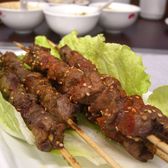
An outdoor grid of stalls on Yangguan East Road, open from early evening until around midnight. Lamb grilled on red-willow branches, apricot-skin water by the cup, melon and dried fruit by the slice, and a lot of souvenir stock to walk past. Free, and within a walk of most hotels in the centre.

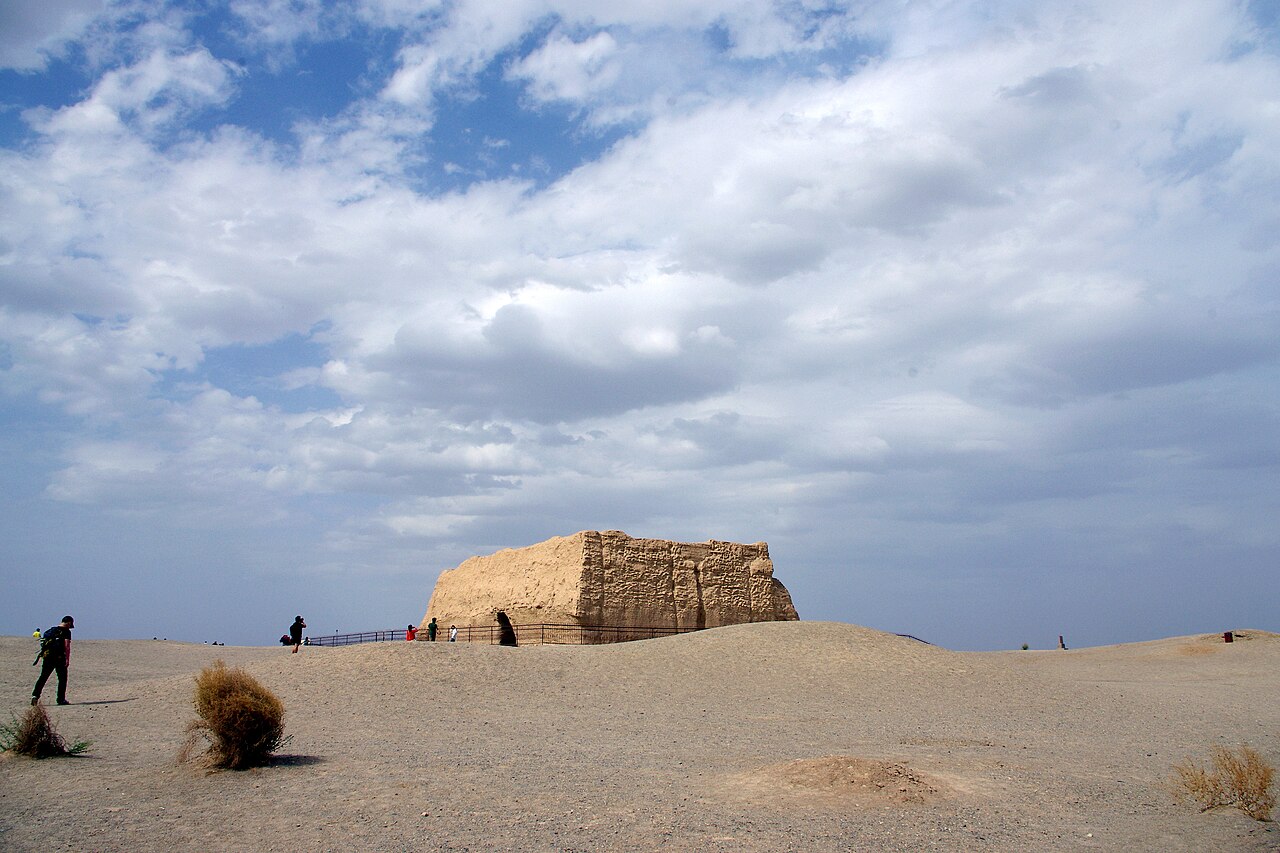
The rammed-earth fort of the Yumenguan Pass alone in the Gobi under a wide sky

Yumenguan Pass

A square block of rammed earth standing alone in the gravel, ninety kilometres north-west of town. The ticket also covers a broken run of Han-dynasty wall and the Hecang granary ruins, and a shuttle fee sits on top of entry. Yangguan, the other Han pass, is seventy kilometres south-west, and most west-line day trips take in both of them along with the Yardang park.

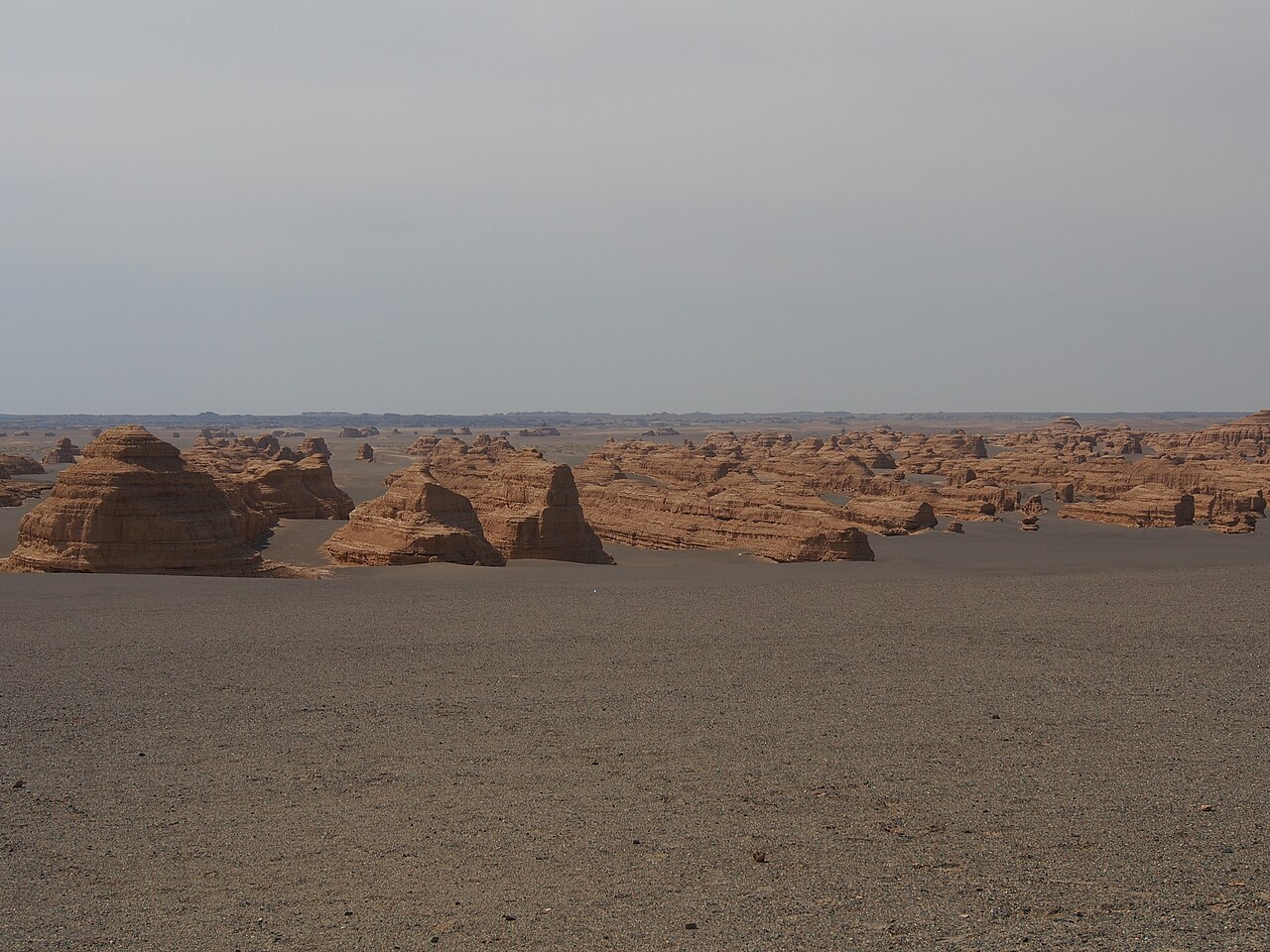
Wind-carved rock ridges standing out of the desert in the Dunhuang yardang park

Yardang landforms

Wind-carved ridges of clay and sandstone across a wide stretch of desert, 180 kilometres out and the far end of the west-line day. Entry is ¥50, the shuttle round the north circuit ¥70 on top, and that loop takes about ninety minutes. With Yumenguan it comes to roughly 380 kilometres of driving, so start early.

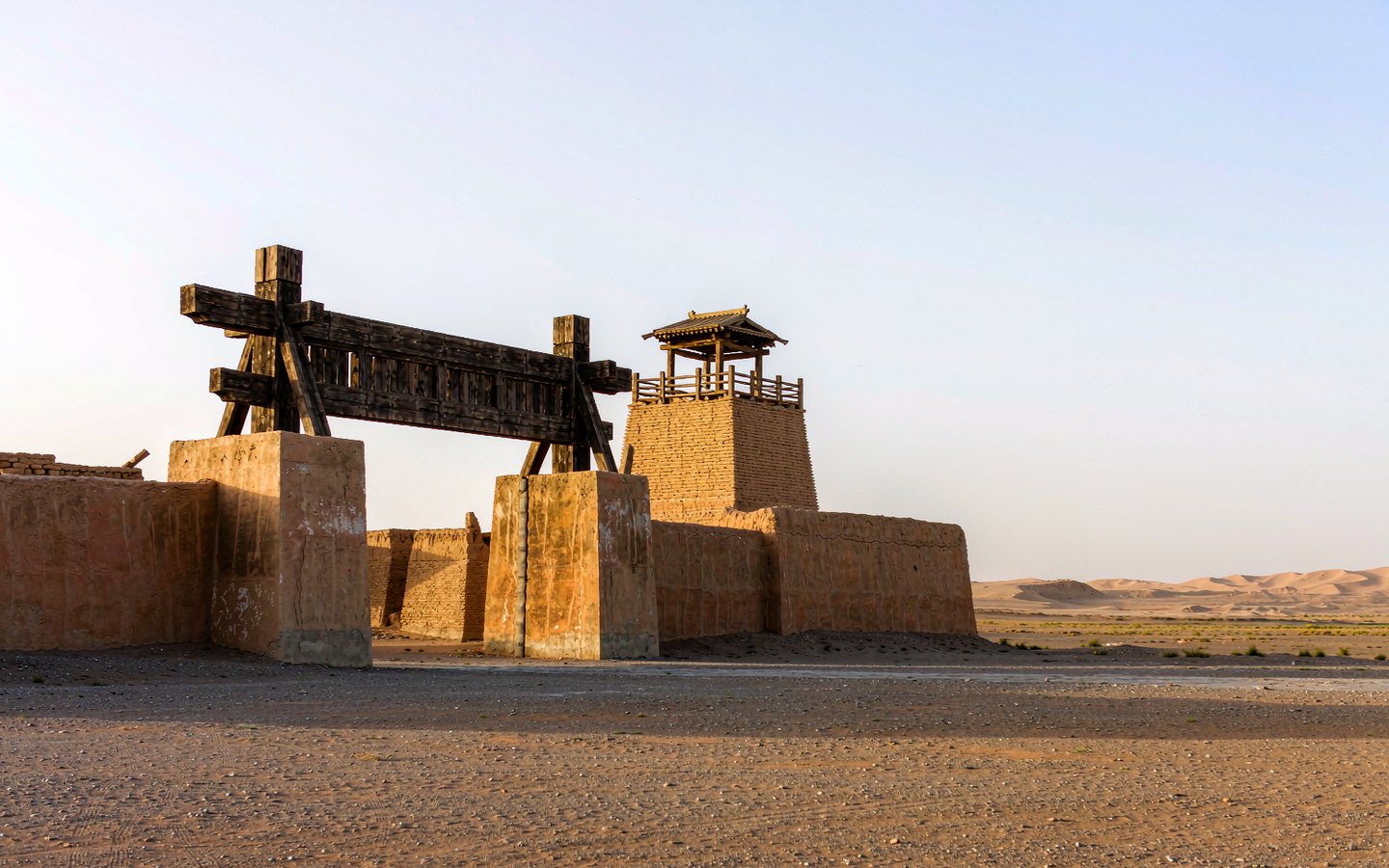
Han-style frontier gate and beacon tower alone in the Gobi

Yangguan Pass

The pass of Wang Wei's farewell line 'west of Yangguan, no old friends'. Unlike Yumen Guan's lone earth block, Yangguan gives you a museum, a replica Han gate town, an original beacon tower, and the best ritual on the Silk Road: a hand-written 'travel permit', a guard's interrogation, then the stamp through. It's 70 km southwest of town with no bus — charters run ¥400–500 a day, ¥600 in peak. The open Gobi is brutal by midday; go in the morning.

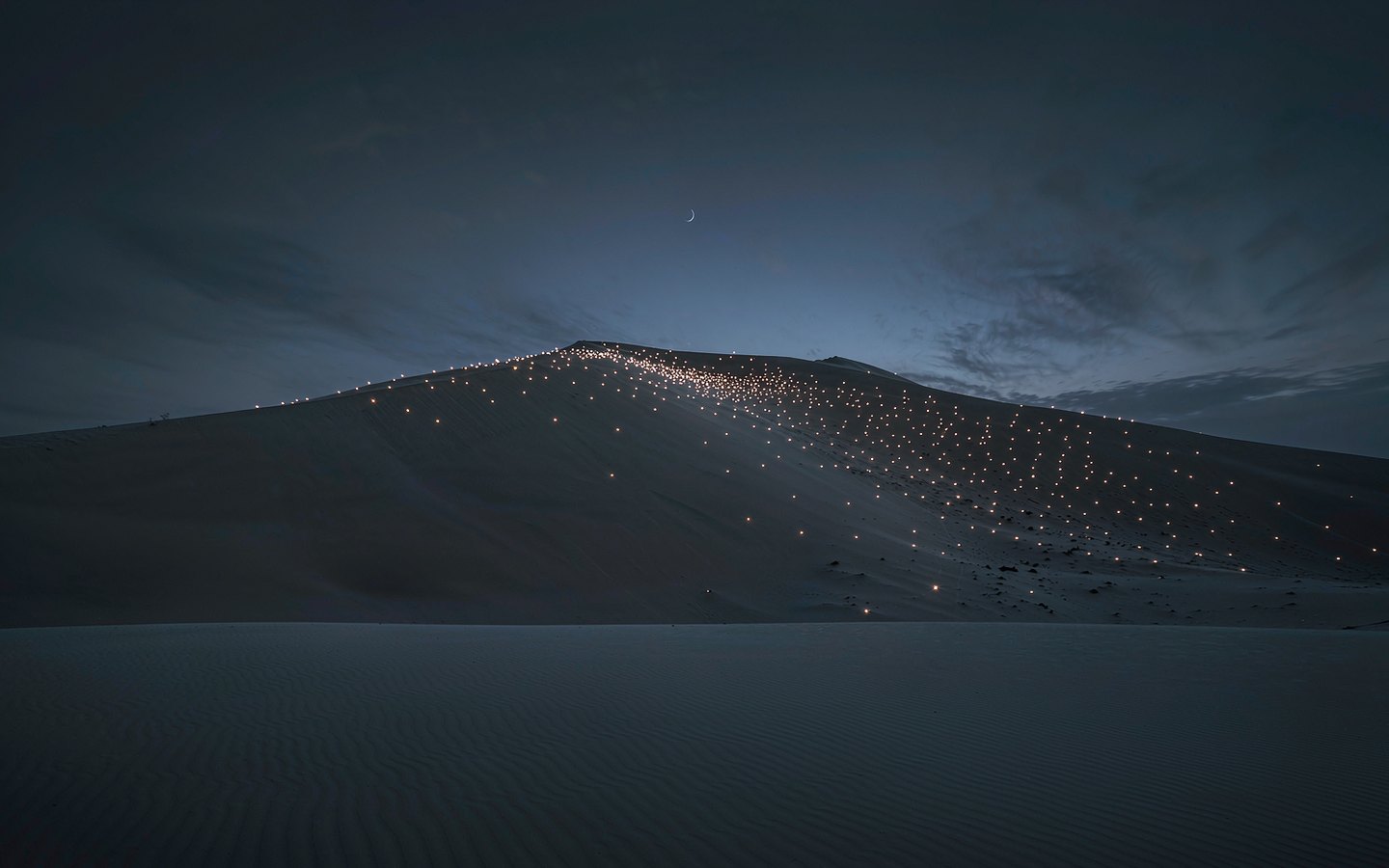
Thousands of phone lights dotting a huge sand dune at night

Mingsha Shan "ten-thousand-voice" dune concert

Dunhuang's phenomenon: after sunset thousands climb the dunes and sing together, phone torches on until the sand becomes a sea of stars — one 2025 show drew 43,500 on site. It's not nightly: full concerts run on holidays and summer peak dates, with a much smaller daily version, so check the schedule first. The ¥110 dune ticket allows face-scan re-entry for three days, so the next sunrise is free. Temperatures drop fast after dark; sand-proof shoe covers rent for ¥15.

3 more spots worth seeing
Excavated Han relay-station ruins in the desert beside low boardwalks

Xuanquanzhi Post Station Relic Park

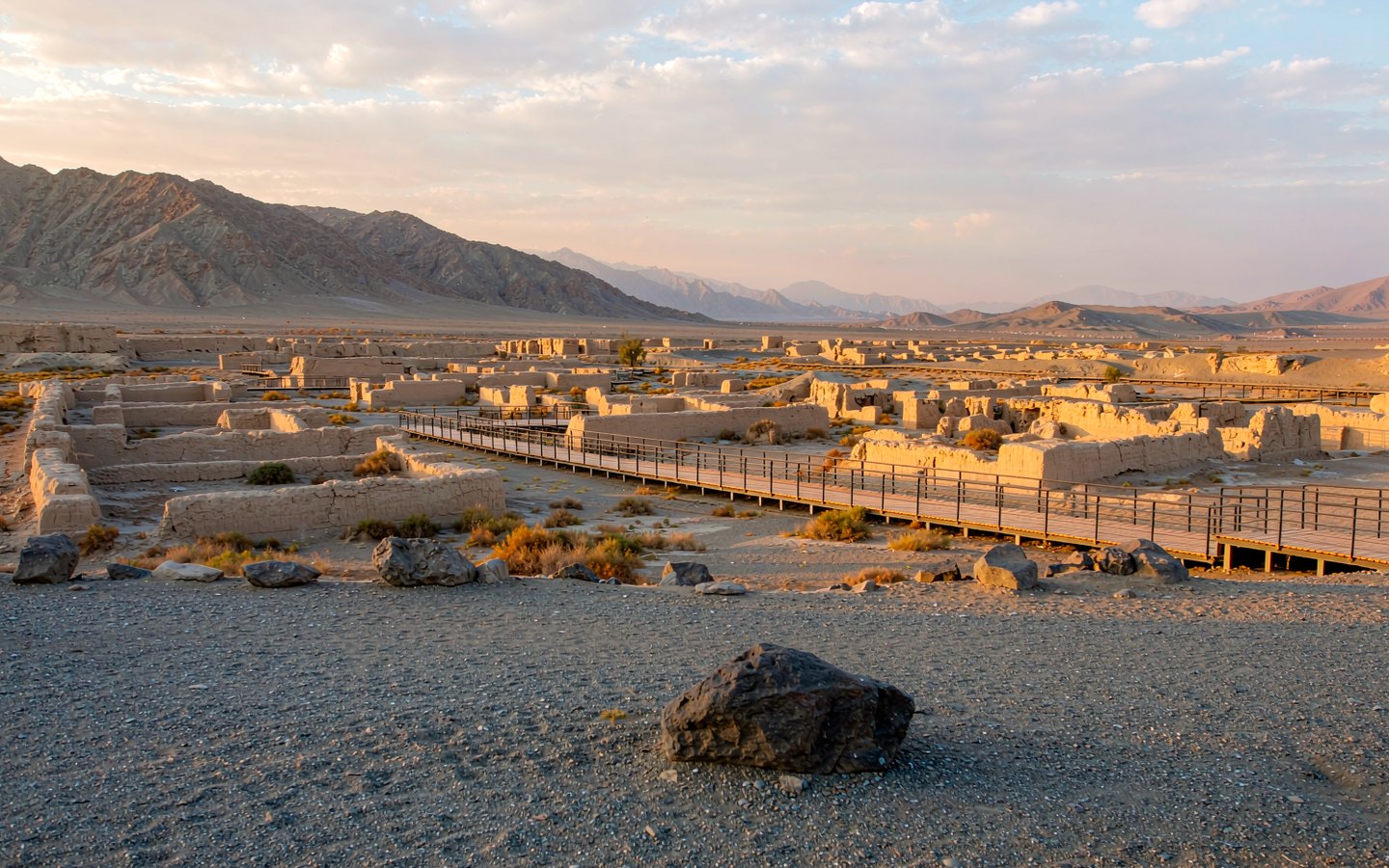
Dunhuang's newest official sight, fully operating since August 2025: a Han-dynasty relay station where the Xuanquan bamboo slips — China's postal archive — were unearthed, now a World Heritage point you enter from a highway service area. ¥80 plus ¥30 shuttle in season. It's 60 km out, so you'll need a car; walkways are wood and steel grating, so wear flat shoes. Reviews are thin and interpretation is developing, with little English context — worth it for Silk Road enthusiasts.

Cliff-face grottoes above a green river valley in the desert

Yulin Grottoes

The accepted answer when Mogao's A tickets sell out: caves 170 km east whose murals — especially special caves 3 and 25 — rank among Dunhuang's finest, with a fraction of the crowds and no reservation. Regular caves ¥40; special caves ¥100–200 each, and only there may you use a torch — no flash anywhere. An east-line charter runs ¥400–500 a day or about ¥200 per person shared. Don't combine it with Mogao on the same day.

Replica painted cave interior with Buddha figures in a museum

Dunhuang Museum

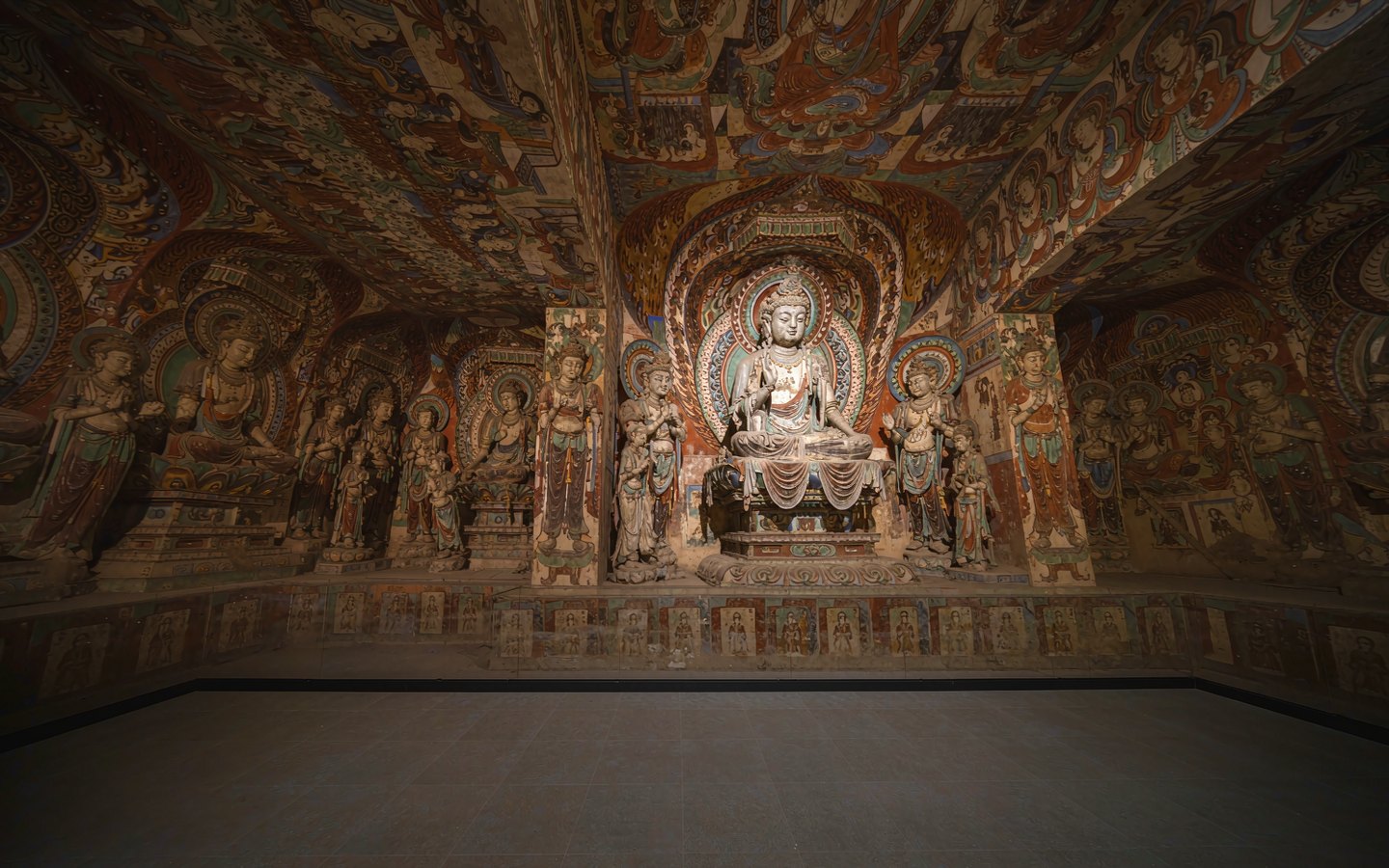
Free, and the best filler for the gaps in a Dunhuang schedule — Mogao is timed, the dunes want evening, the west line takes a day — with the town's full Han-to-Qing story and a full-scale replica Mogao cave inside. It's also cheap insurance when Mogao tickets are gone, though its value drops if you've done the caves plus the Digital Exhibition Centre films. Bring ID for free entry; hours and any Monday closure weren't officially posted, so confirm before you go.

Local cuisine

Where to stay

Not every hotel in a town this size is licensed to register a foreign guest with the police, and the ones that are not will turn you away at the desk. Confirm before you pay, especially at the cheaper guesthouses.

Getting around

Getting here

  • Dunhuang Airport (DNH)

    Thirteen kilometres east at Mogao Town, about twenty minutes by taxi for ¥30–40, or ¥40–50 late at night, and an airport bus for ¥10. Direct flights from Lanzhou, Xi'an, Xining and Urumqi, with more routes running in summer than in winter.

  • Dunhuang railway station

    The one you want. A short drive east of the centre, about ¥30 in a taxi, with direct D-trains from Lanzhou, Xining, Zhangye West and Jiayuguan South, and slower overnight sleepers from Beijing and Xi'an.

  • Liuyuan South

    The Lanzhou–Urumqi high-speed station, and it is 130 kilometres from Dunhuang in a different county. Buses meet the trains for ¥40–50 and take an hour and a half to two hours; a taxi is around ¥100.

Your passport is the ticket on 12306 and seats open fifteen days ahead. Read the station name twice — booking Liuyuan when you meant Dunhuang costs you 130 kilometres.

Local transport

  • 🚕

    Taxi & DiDi

    Flag-fall is ¥5 and almost nothing inside town comes to more than ¥15. Out to the Mogao Digital Exhibition Centre is ¥40–50 and fifteen to twenty minutes. There is no metro here.

  • 🚌

    City buses

    Six routes, ¥1–2. Bus 3 runs to the Mingsha Shan gate and a separate ¥5 shuttle goes to the Mogao Digital Exhibition Centre. Last services are around 20:30 in summer, earlier in winter.

  • 🚲

    On foot

    The centre is compact — the night market, the Dang River and most of the hotels sit inside about a kilometre — so evenings are walked rather than driven.

Nothing on the west line has a public bus. Yumenguan is ninety kilometres out and the Yardang park 180; hotels and agencies sell a seat in a shared car for the day, about 380 kilometres of driving in total.

What's on

Recommended routes

All routes →

FAQs

What is the best time to visit Dunhuang?

May to October. Summer days are hot in the desert, so do the dunes at sunset when the sand cools and glows; winters are cold and many services wind down.

How many days should I spend in Dunhuang?

Two days: one for the Mogao Caves and the Singing Sand Dunes with Crescent Lake, one for the Yumenguan Pass and Yardang landforms west of town.

How do I get from Dunhuang airport to the town?

The airport is 13 km east, about twenty minutes by taxi for ¥30–40, or ¥10 on the airport bus. If you come by high-speed rail, avoid Liuyuan South — it is 130 km away; Dunhuang’s own station is a short taxi ride from the centre.

What is the best way to get around Dunhuang?

Taxis and DiDi — flag-fall is ¥5 and almost nothing in town costs more than a few minutes’ ride. Bus 3 runs to the Mingsha Shan gate, and the centre itself is walkable.

Which area should I stay in Dunhuang?

Around the Shazhou night market in the town centre for food and the dune bus, or at the Mingsha Shan gate if sunset and dawn in the dunes are the point. Yueyaquan Town’s courtyard guesthouses sit between the two.

What food should I try in Dunhuang?

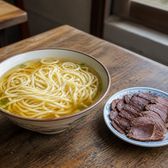
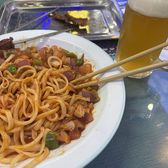
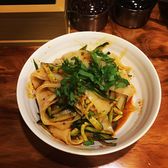
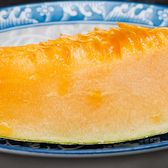
Donkey-meat noodles are the local specialty, with lamb skewers, hand-pulled noodles and niangpi cold noodles behind them; apricot-skin water and Hami melon are the desert’s desserts.

What are the must-see sights in Dunhuang?

The Mogao Caves — timed, capped tickets booked online well ahead, passport required — the Singing Sand Dunes and Crescent Lake, the night market, and Yumenguan Pass with the Yardang landforms.