Chengdu ● CITY TOUR BOARD

Chengdu 成都

Pandas, teahouses, and the best food in China. The most laid-back of the big cities — and the easy gateway west to Leshan, Mount Emei and beyond.

Introduction

Chengdu is the city people come to for the pandas and end up staying in for the food. The pace is the other thing people notice: an afternoon here is a bamboo chair in a teahouse and a lidded cup of jasmine that keeps being refilled, and nobody hurries you out. It is also the base for the west — the Leshan Buddha is about an hour away by train, Qingcheng Mountain less. Two things need planning: the panda tickets, and how you say "not spicy".

Travel highlights

The pandas are a morning

The base opens at 7:30 from March to October and 8:00 in winter; by ten the pandas have eaten and are asleep in a tree. Tickets are about ¥55 and release 14 days ahead.

'Not spicy' still needs saying

Mild here is not mild. Ask for the split pot — yuanyang guo — so half the broth is clear, and know that ma, the numbing tingle of Sichuan pepper, is a separate thing from chilli heat.

Chengdu works best as a base

The Leshan Buddha is about an hour from Chengdu East by high-speed train and ¥54 in second class. Dujiangyan and Qingcheng Mountain are 20–30 minutes from Xipu, which is the end of Metro Line 2, and cost ¥10. Book on 12306 with your passport.

Grey sky is the normal sky

Chengdu sits in a basin under cloud for roughly two hundred days a year and the humidity stays high. It is not a bad week that will clear — plan on flat light for photographs and carry an umbrella.

Travel alerts

Top attractions

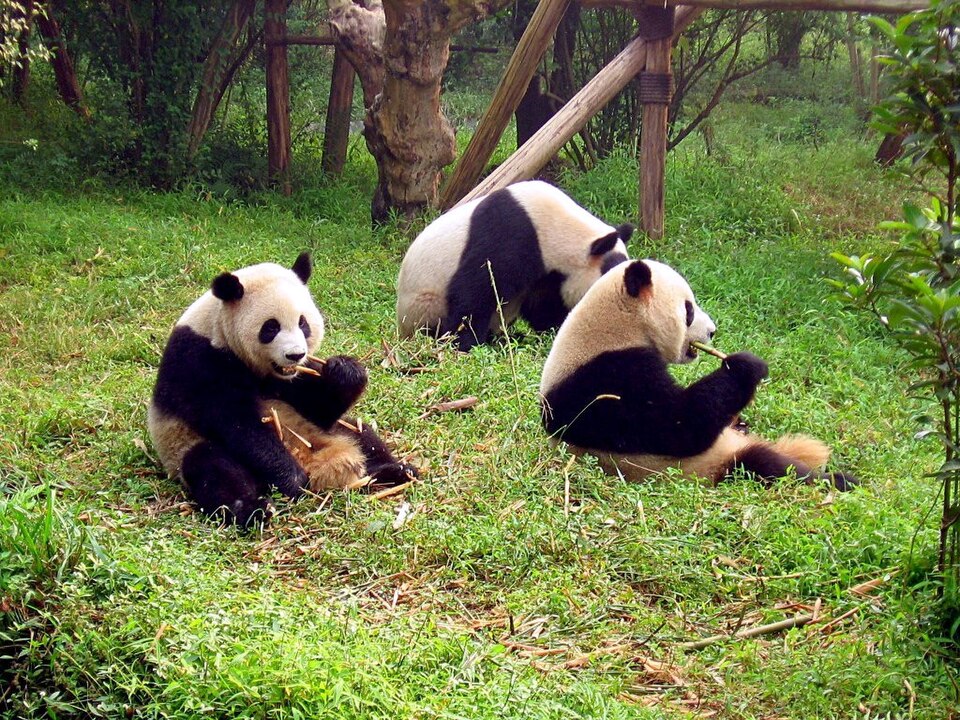
Giant panda munching bamboo leaves at a Chengdu panda base

Panda Breeding Base

The reason most people come, and it rewards the early start. Gates open at 7:30 (8:00 from November to February) and by ten the pandas have eaten and gone to sleep in a tree. Book on the official mini-program 14 days ahead; passport holders use a separate lane at the gate. Metro Line 3 to Panda Avenue, then shuttle 408.

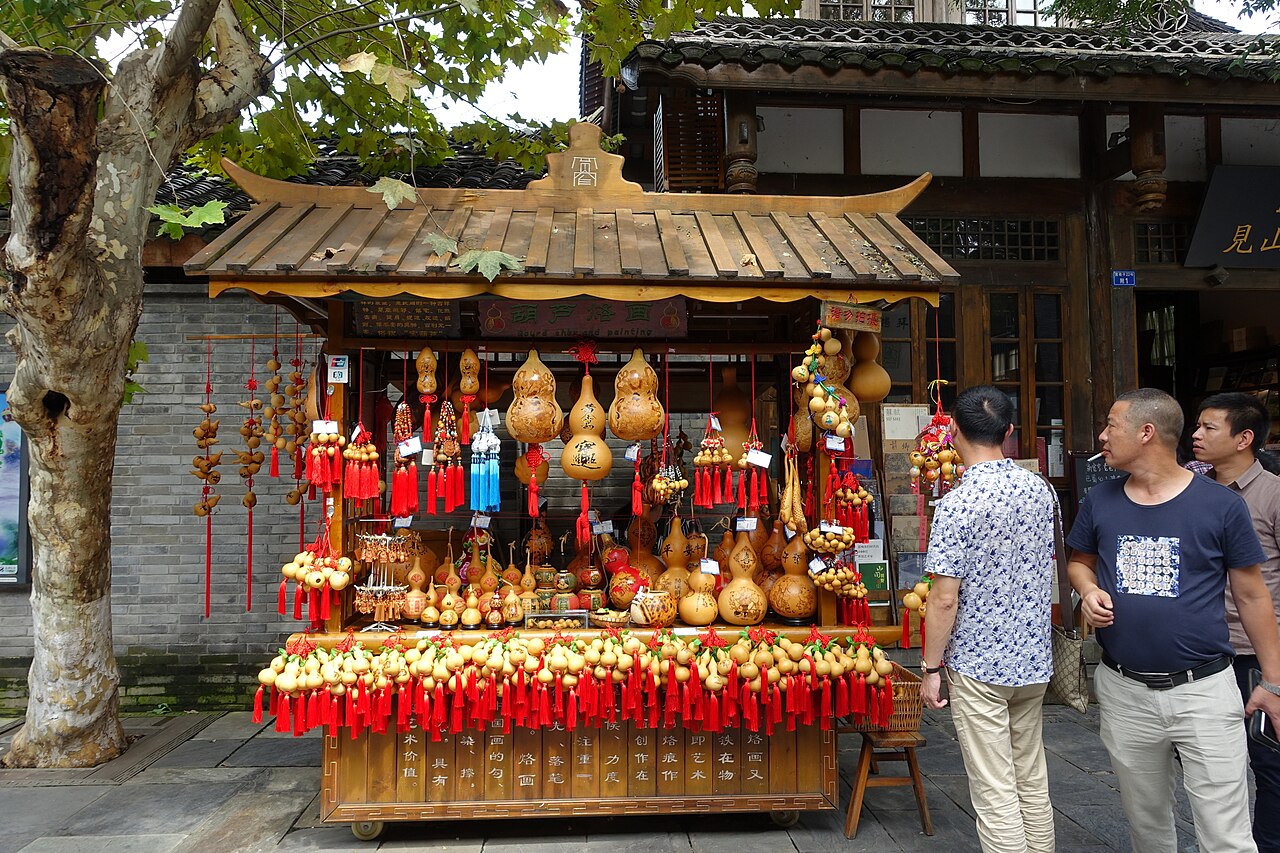
A souvenir cart hung with painted gourds and red tassels in front of a grey-brick shopfront in Kuanzhai Alley.

Kuanzhai Alley

Three restored Qing lanes — wide, narrow and well — free to enter and honest enough about being a shopping street. An hour at dusk is right: skewers, tea, lanterns, then out before the evening crowd thickens. Metro Line 4 has its own station at the door, so it pairs with an afternoon at People's Park.

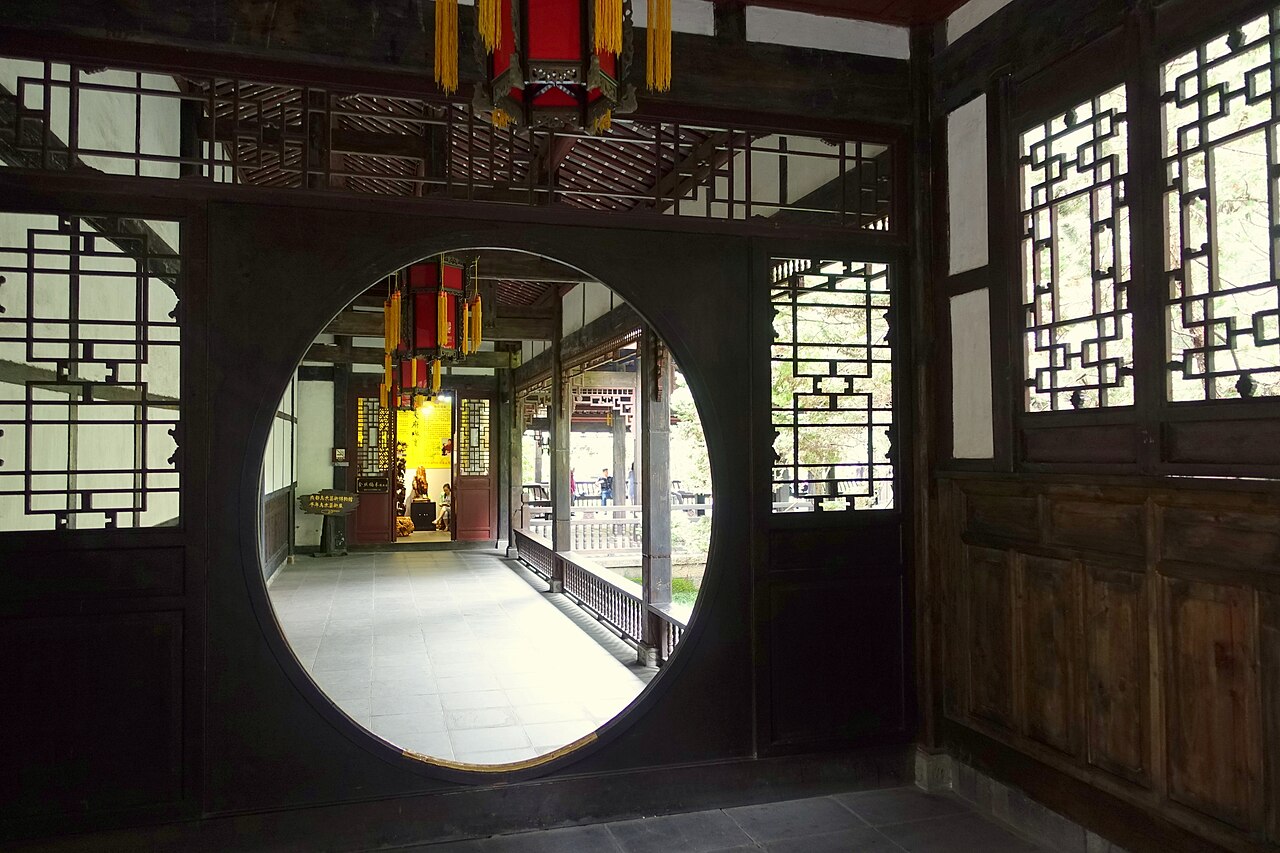
A round moon gate opening off a dark corridor at the Wuhou Shrine, Chengdu

Wuhou Shrine and Jinli

The Three Kingdoms shrine, ¥50, open every day from 8:30 to 18:30 with tickets sold until 17:30, and the red wall and bamboo corridor everyone photographs. Jinli, the food-and-souvenir lane next door, is free and its shops stay open to about 22:00 — do the shrine first while it is quiet, then Jinli for sandapao after dark. Metro Line 10 to Wuhou Shrine: exit A2 is at the gate.

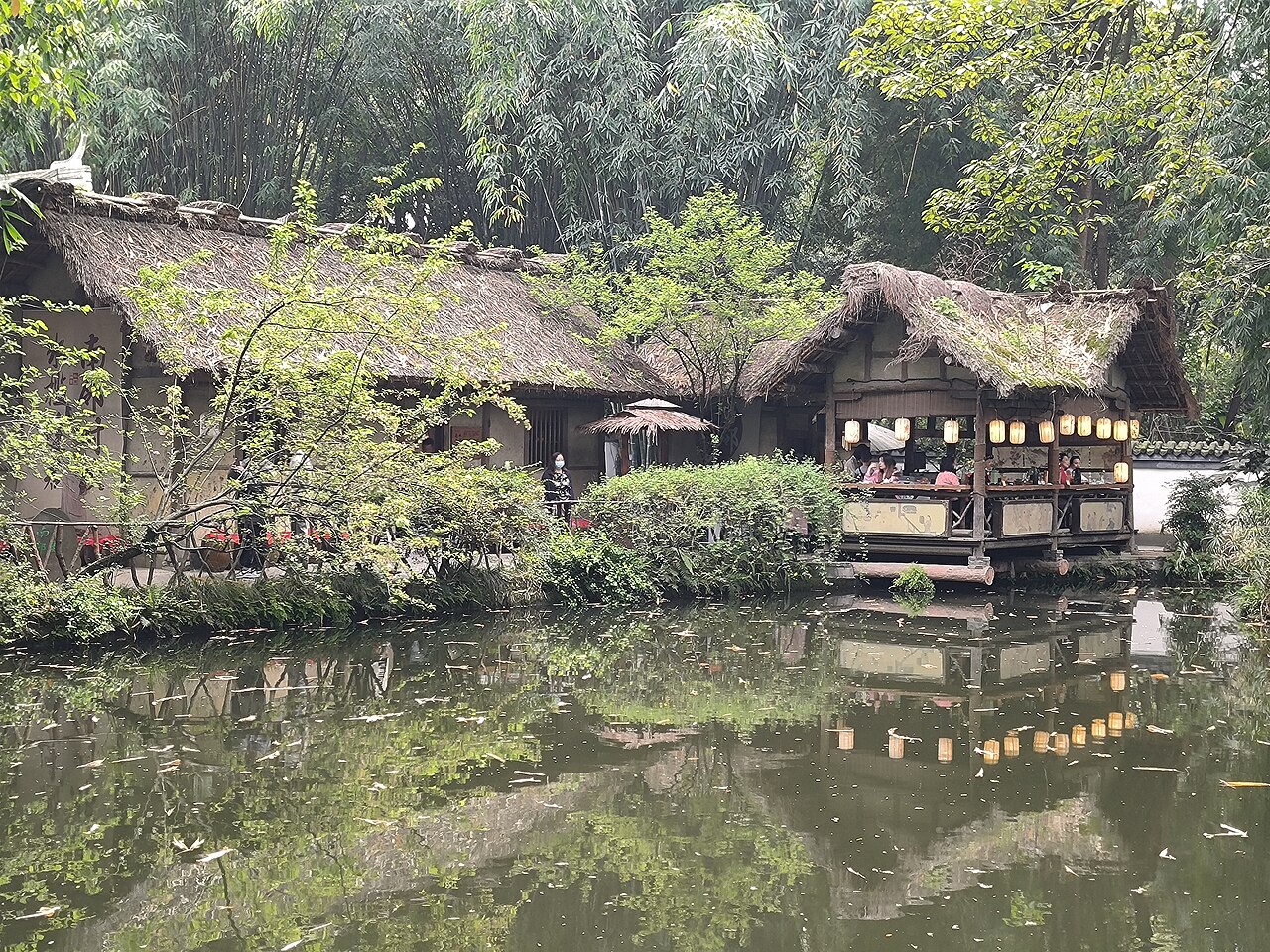
Thatched buildings and bamboo reflected in a pond at Du Fu's Thatched Cottage, Chengdu

Du Fu Thatched Cottage

¥50, open every day, and the quietest thing on this list: thatched huts, bamboo and water on the ground where the poet Du Fu lived in the 760s. The poems are the point, so read one or two first, or the garden is only a garden. Metro Line 4 to Caotang Beilu — Chen Mapo Tofu is on the same street.

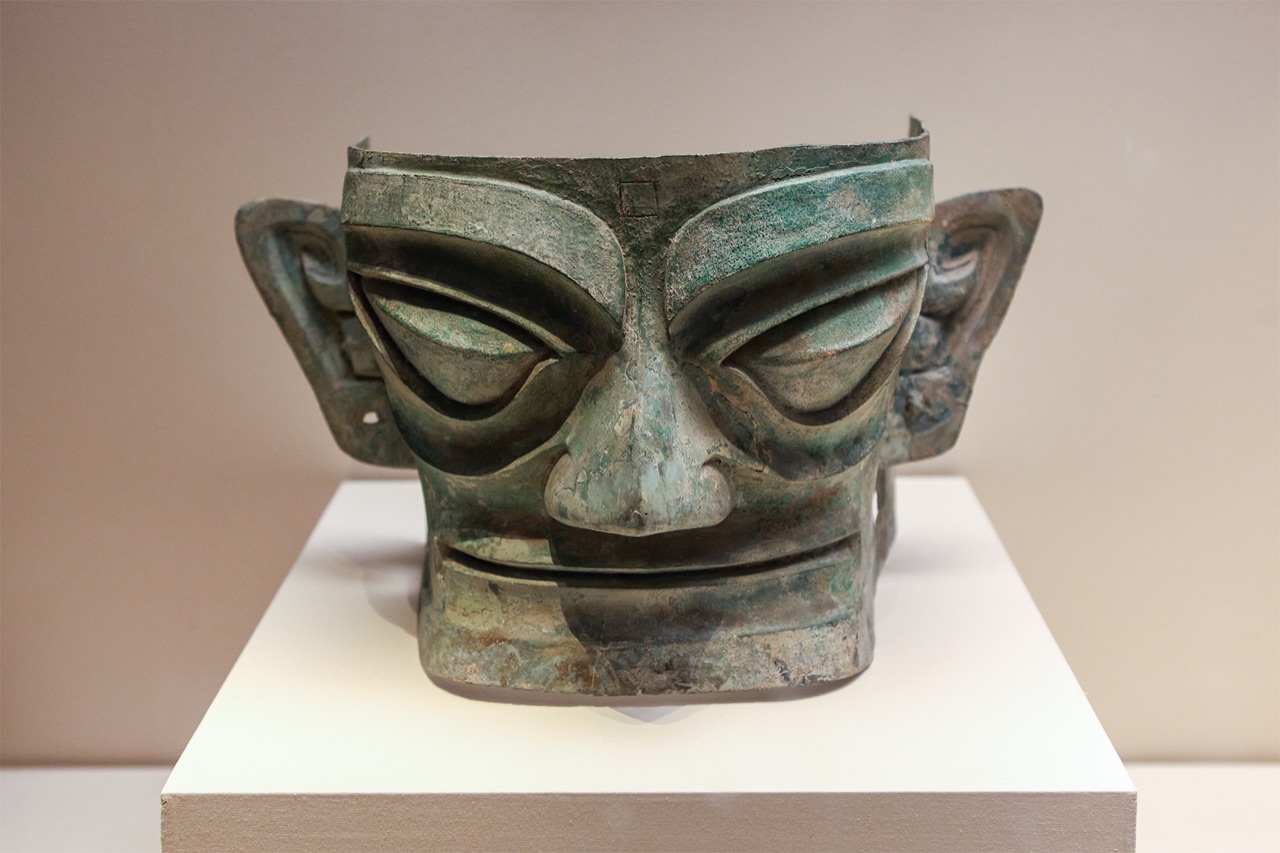
A bronze mask from Sanxingdui, in the National Museum of China

Sanxingdui Museum

Bronze that nobody knew existed until 1986: a 3.96-metre bronze tree, a standing figure over two metres tall, gold masks and a gold sceptre, from a city that left no written record. It sits at Guanghan, an inter-city train ride from Chengdu East and then a short taxi or bus. Tickets are sold online only — released daily at 20:00 for five days ahead, with no desk at the gate — and the museum runs a separate booking channel for inbound visitors. Give it most of a day.

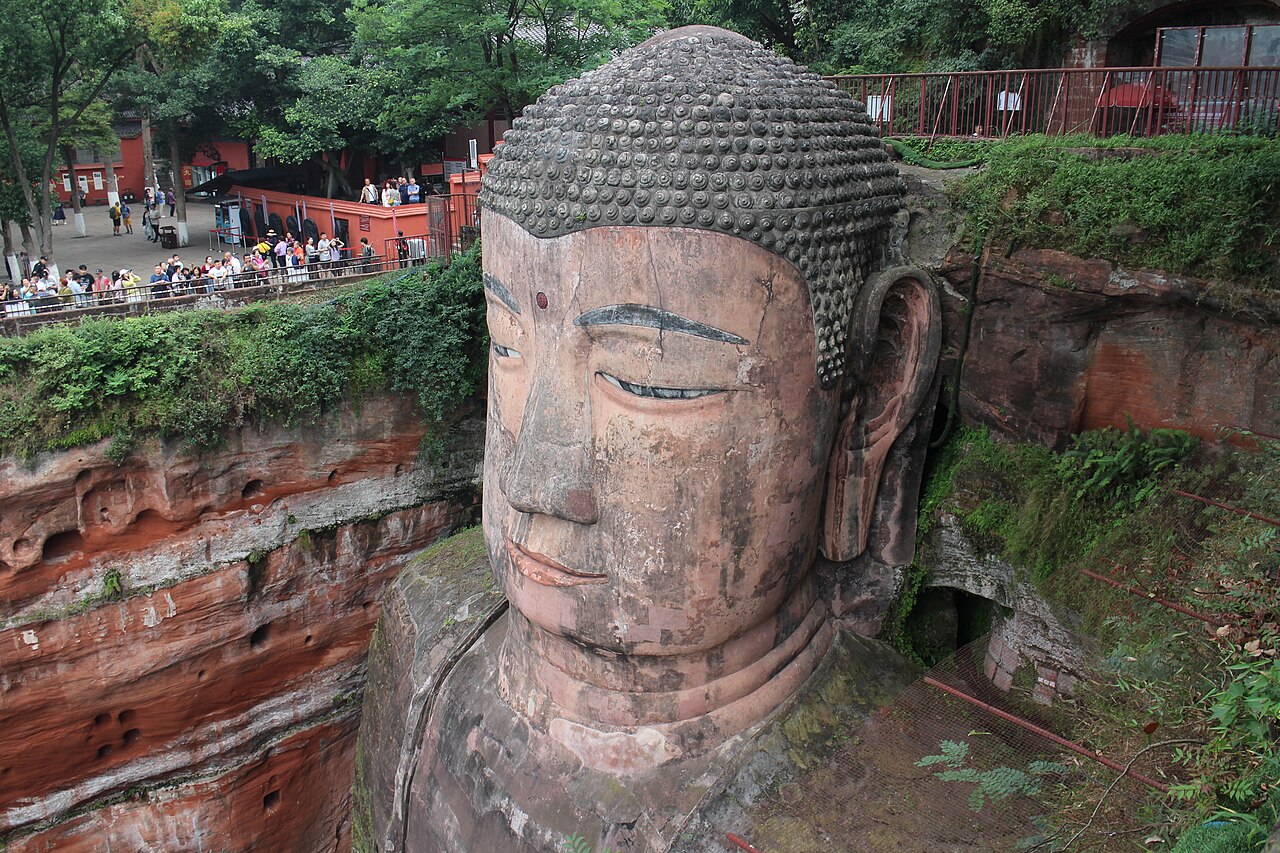
The head of the Leshan Giant Buddha carved into the cliff, visitors on the stairway beside it

Leshan Giant Buddha

Seventy-one metres of Tang-dynasty Buddha cut into a river cliff, about an hour from Chengdu East by train, ¥54 second class and ¥80 to enter. The staircase down beside him is single file and the queue runs for hours at weekends — take the first train and be at the gate at opening, or see him from a river boat.

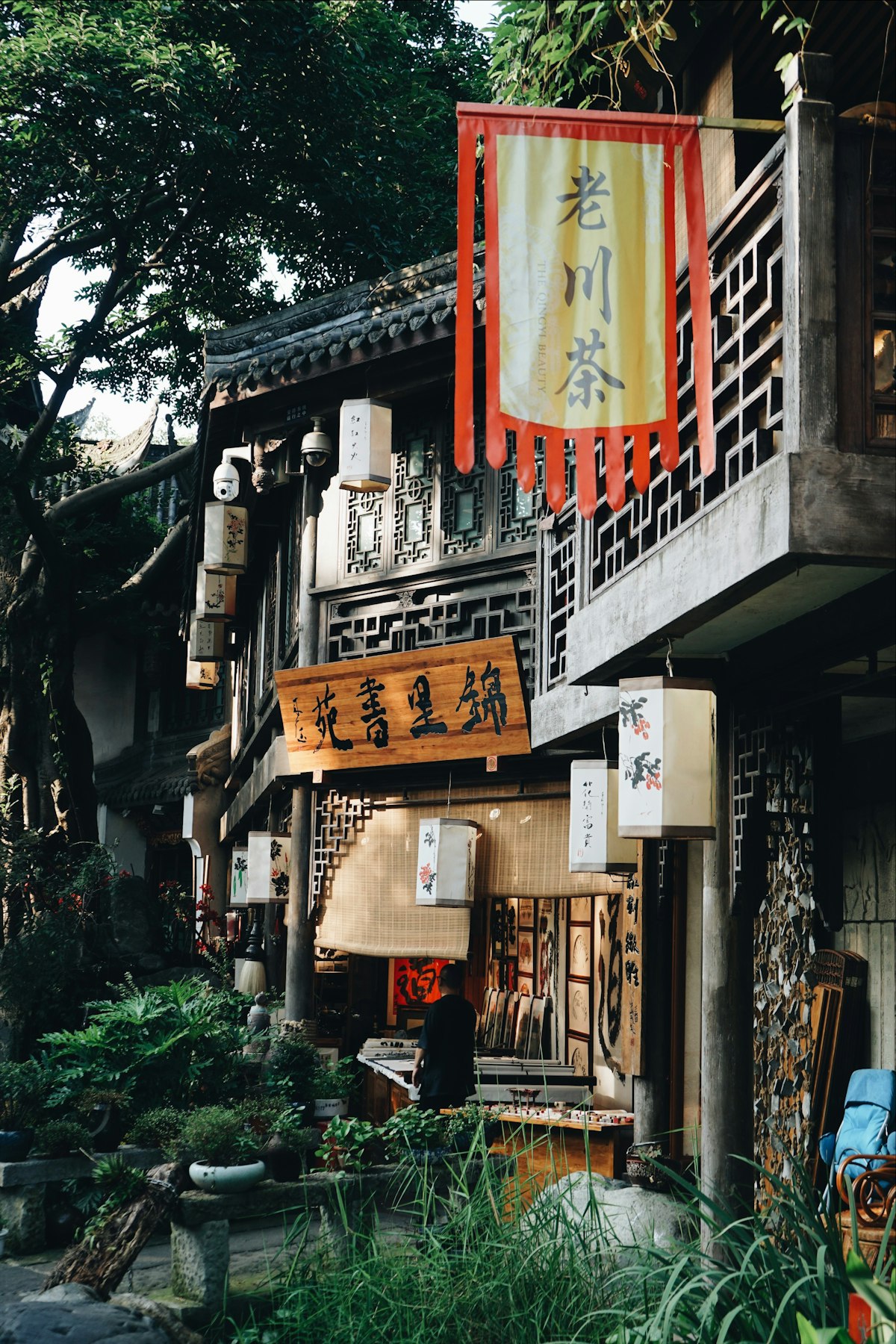
Traditional teahouse signs hanging over an old lane in Chengdu

Tea at People's Park

Free to walk into, and the point is the Heming teahouse by the lake: a bamboo chair, a lidded cup of jasmine from about ¥15, and refills all afternoon. Ear cleaners work the tables for around ¥30. Come after lunch on a weekday and plan nothing for two hours. Metro Line 2, People's Park; Kuanzhai Alley is fifteen minutes' walk.

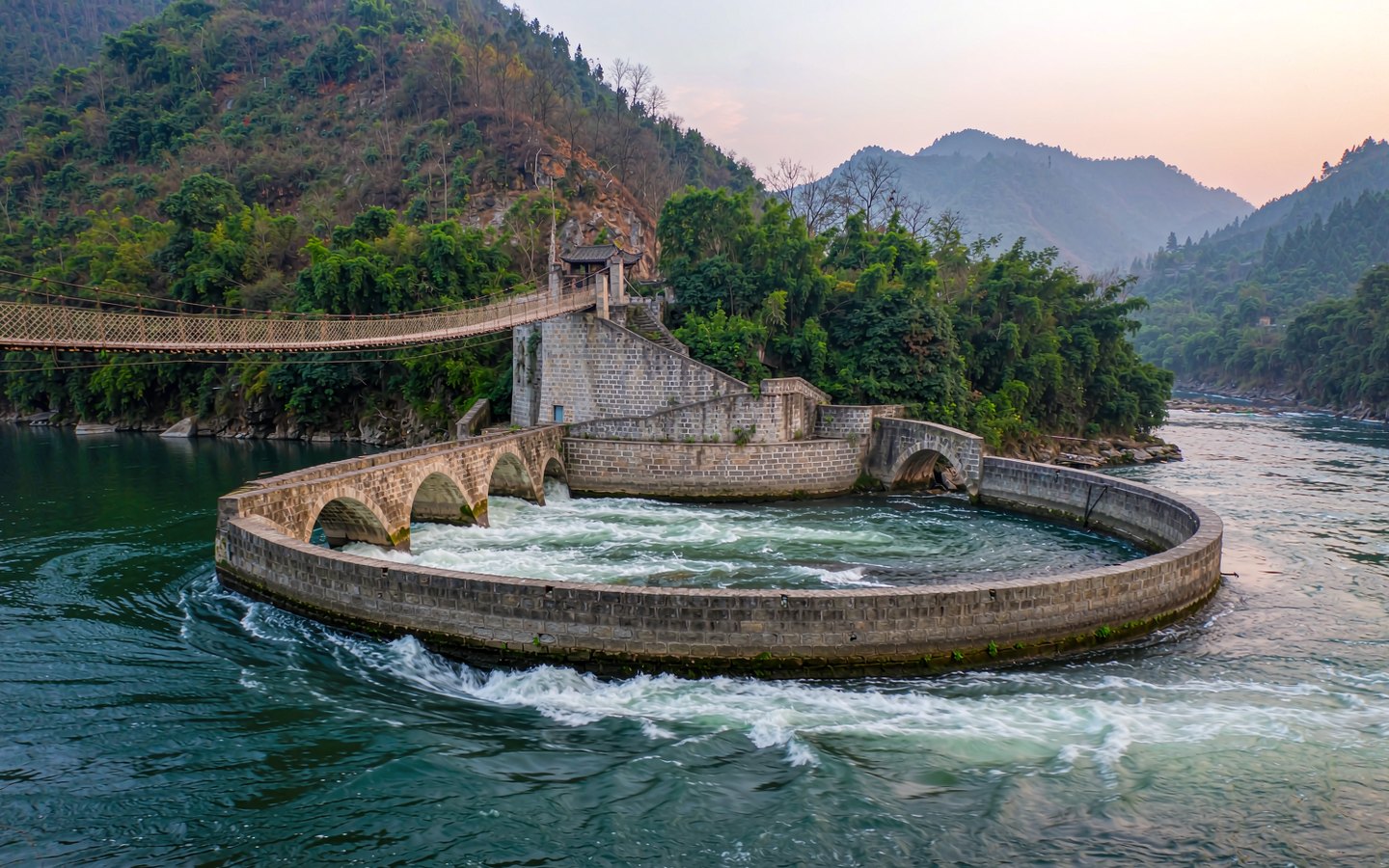
River splitting at an ancient stone levee between green hills

Dujiangyan Irrigation System & Mount Qingcheng

Chengdu's only triple World Heritage site and the easy day trip everyone skips: a 2,200-year-old dam-free irrigation system — Fish Mouth, Flying Sand Weir, Bottle-Neck Channel — still watering the plain, with Taoism's birthplace mountain on the same run. Bullet trains from Chengdu or Xipu take about 30 minutes for ¥15. Booking is real-name and timed; foreign passports use the manual lane. Doing both in one day is a rush — give each half a day; Qingcheng's steps are slick after rain.

4 more spots worth seeing
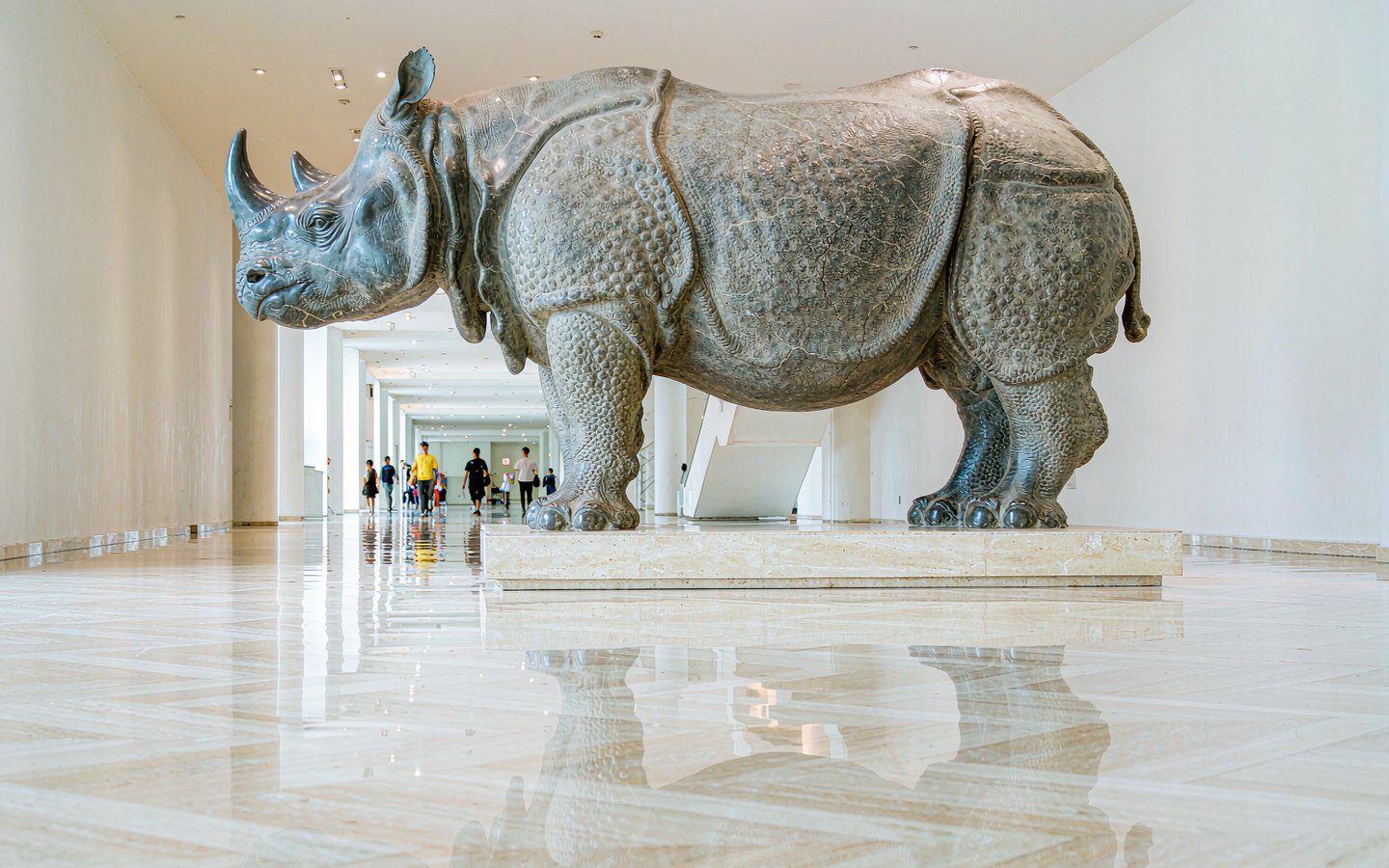
Massive carved stone rhinoceros in a bright museum hall

Chengdu Museum

Chengdu's own story museum — national first-class, free, on the west side of Tianfu Square — the fastest way to read 4,500 years of the city. Anchors: the 8.5-tonne Qin-Han stone rhino tied to Li Bing's flood works, the earliest complete acupuncture figure, the grinning Eastern Han entertainer figurine, and a Tang gilt sachet with a gimbal ring a millennium before gyroscopes. Real-name booking required; closed Mondays, summer and weekend slots go fast.

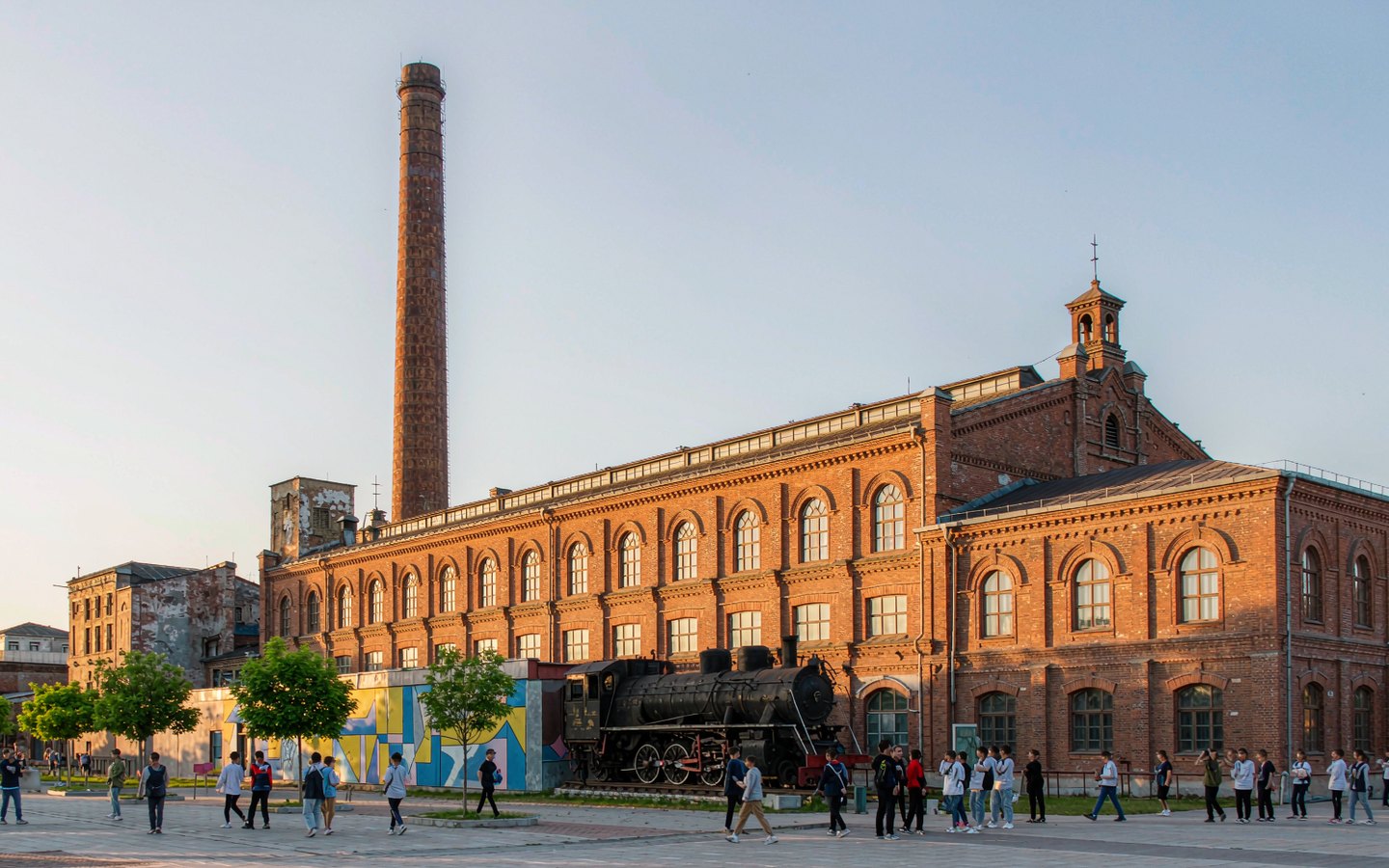
Steam locomotive beside red-brick factory halls and graffiti walls

Eastern Suburb Memory (Dongjiao Memory)

Chengdu's 798: a 1958 state electronics factory turned 4A creative park — Soviet red-brick halls, rusted chimneys, a 1519 steam locomotive, graffiti walls and livehouses. The park itself is free; only some exhibitions and rooftops charge. Over 80% of visitors are under 35, and it's one of the city's highest-yield photo spots. Metro line 8 stops at the gate. Weekends and gig nights get very busy and post-show taxis are scarce, so arrive with a plan for getting back.

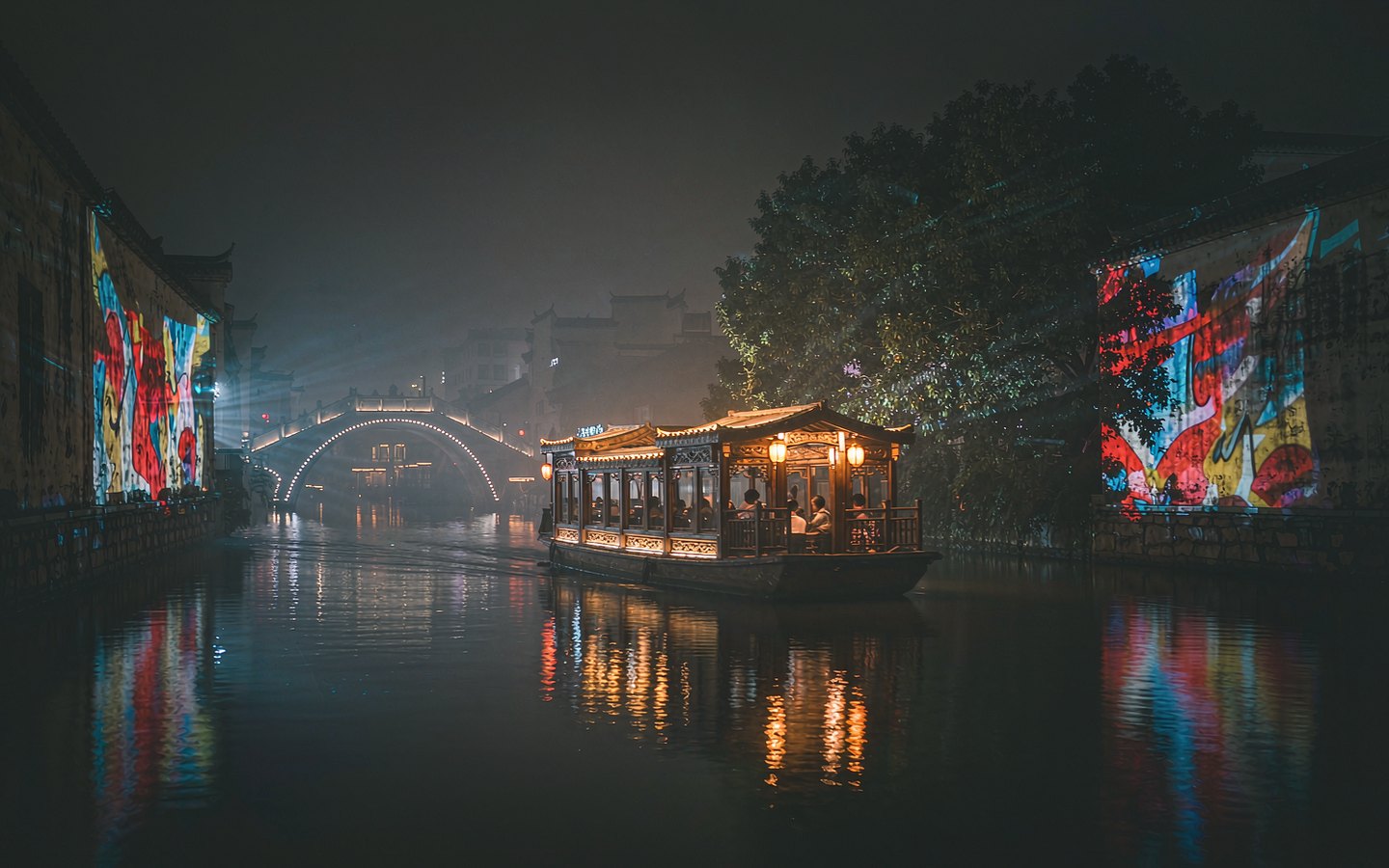
Lantern-lit covered boat gliding past light projections on old walls

Night Cruise on the Jin River (East Gate Pier)

Chengdu's only entry on the transport ministry's national list of premium water routes: a covered-boat ride from East Gate Pier along roughly 10 km of the Jin River, with 3D-mapping light shows on the banks and a Song-dynasty 'twelve markets' storyline. Round trips run about ¥118 on OTAs — confirm via official channels — and peak season needs booking three days ahead. Board only at official piers, ignore the speedboat touts, and bring a layer: the river is cool at night.

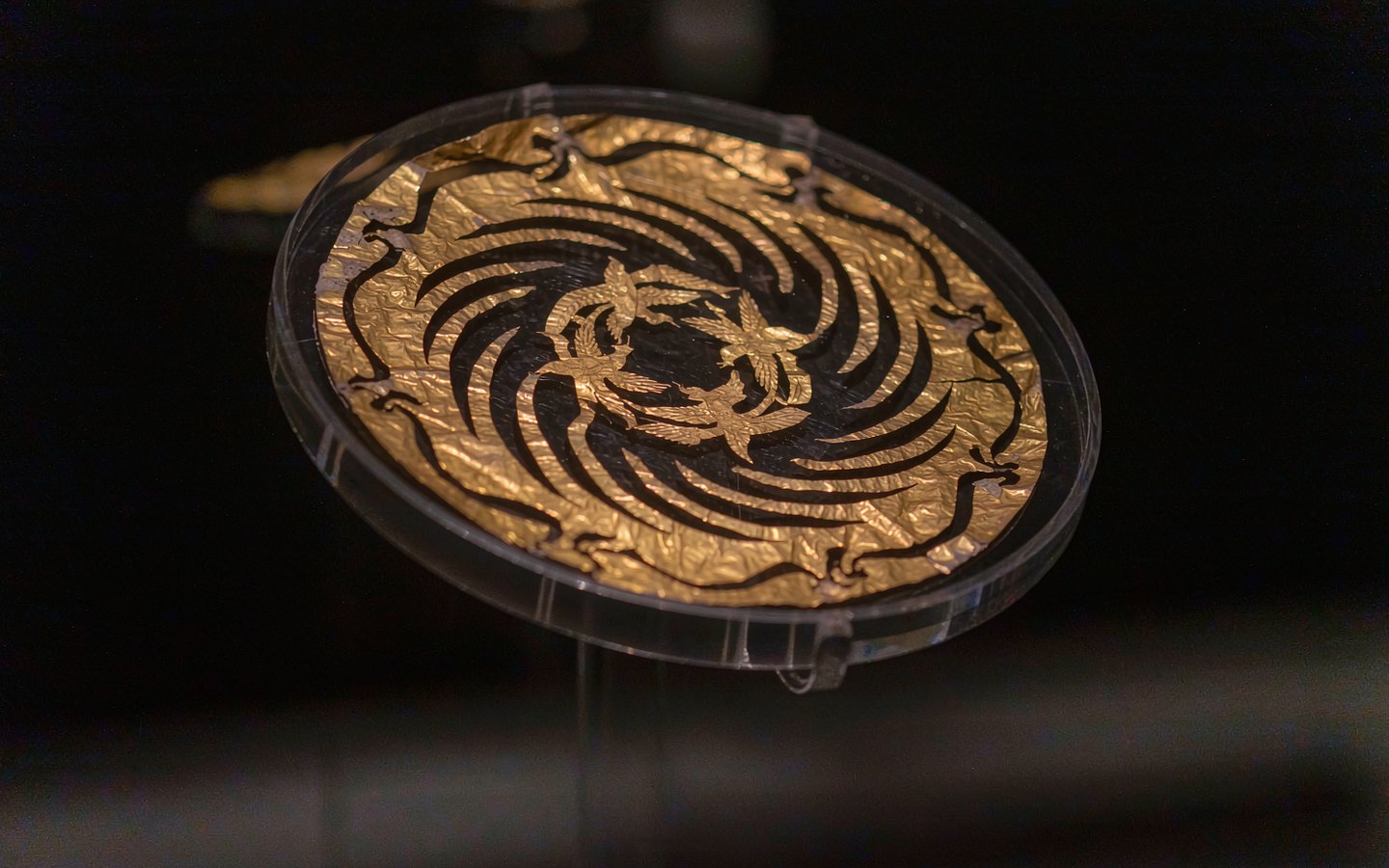
Gold sunbird ornament with swirling rays on a dark background

Jinsha Site Museum

Hold this one for 2027: the museum of the 3,000-year-old Shu capital that produced the Sun and Immortal Birds gold foil — now the official emblem of Chinese cultural heritage — is closed for renovation until 30 April 2027, reopening expected 1 May. When it returns it pairs with Sanxingdui as the twin pillar of ancient Shu civilisation. Until then don't let any older guide send you; treat any itinerary that includes Jinsha as out of date.

Local cuisine

Where to stay

Not every hotel in China takes foreign guests, and the ones that do not usually say so at check-in rather than at booking. Filter for places that accept foreign passports, and have the passport and the booking out when you arrive — registration is done at the desk.

Getting around

Getting here

  • Tianfu Airport (TFU)

    Metro Line 18 to Chengdu South in 35–50 minutes, about ¥8–10. Last train is around 23:00–23:30; after that a taxi is ¥160–200 and 60–70 minutes.

  • Shuangliu Airport (CTU)

    Metro Line 10 from both terminals, 30–40 minutes into the city for a few yuan. It is much closer in than Tianfu, so the taxi is short too.

  • High-speed rail

    Chengdu East for Chongqing (1.5–2 h) and Xi'an (3–4.5 h), and for Leshan. Dujiangyan trains leave from Xipu, which is on Metro Line 2.

Book trains on 12306 with your passport number — the passport is the ticket. At the gates use the staffed lane; the automatic readers only take Chinese ID cards.

Local transport

  • 🚇

    Metro

    ¥2–10 by distance, signed and announced in English, running roughly 06:00–23:00. Foreign Visa, Mastercard and Amex cards tap in at the gates, and Alipay's transport QR is the backup.

  • 🚕

    DiDi and taxis

    Flag-fall ¥8–9, then about ¥2 a kilometre and a little more after 23:00; most trips across the centre stay under ¥30. DiDi works in English and saves you explaining an address.

  • 🚲

    Shared bikes

    Unlocked from Alipay, a couple of yuan a ride, parked on every corner. Chengdu is flat and has wide bike lanes, which makes the short hops easy.

The metro stops around 23:00, which is before the hotpot restaurants empty. Plan on DiDi for the way back.

What's on

Recommended routes

All routes →

FAQs

Which airport should I fly into — Tianfu (TFU) or Shuangliu (CTU)?

Chengdu has two international airports, about 50 km apart, and landing at the wrong one is an expensive mistake — the IATA code on your booking (TFU or CTU) is the thing to check. Tianfu (TFU) opened in 2021 and takes most new international routes; it sits roughly 50 km southeast of the centre. Shuangliu (CTU) is the older airport, just 17 km southwest of downtown, and mainly serves domestic flights.

How do I get from the airport to the city centre?

By metro, the cheapest way. From Tianfu: Line 18 runs into the city in 35–50 minutes for about ¥8–10 — change at Century City for Line 1, or ride on to Chengdu South for the rest of the network. From Shuangliu: Line 10 runs straight into the city in 30–40 minutes for a few yuan. The last trains from both airports go around 23:00–23:30, so a late arrival means a taxi or DiDi — budget for it.

By DiDi, the easy way with luggage. From Tianfu it is ¥160–200 and 60–70 minutes; from Shuangliu roughly ¥50–80 and 30–50 minutes. Open the DiDi mini-program inside Alipay, set the pickup to the arrivals hall and follow the 网约车 signs to the ride-hailing zone outside the terminal — the driver's plate shows in the app, so check it before you get in.

How do I use DiDi as a foreigner?

DiDi is China's dominant ride-hailing app and it works for foreigners: the interface runs in English, registration takes an overseas phone number, and a foreign Visa or Mastercard links in the settings. Download it and set it up before you land — not while you are standing at the carousel with bags.

In Chengdu the flag-fall is ¥8–9, then about ¥2 a kilometre (a little more after 23:00), and most trips across the centre stay under ¥30 — cheap enough to use freely, and always the metered price. That beats hailing a taxi at a tourist spot, where the meter has a way of being forgotten.

Is the Chengdu Metro easy for non-Chinese speakers?

Yes. The network runs 13 lines over 558 km, and every station is signed and announced in English. Fares start at ¥2 for the first 4 km and rise by distance — most rides inside the city stay under ¥10. Pay by tapping a contactless Visa, Mastercard or Amex at the gate, scanning Alipay's transport QR, or using the metro's own app, which knocks 10% off.

The lines that matter: Line 3 runs north to Panda Avenue for the Panda Base, Line 10 serves Shuangliu airport, Line 18 serves Tianfu, and Lines 1, 2 and 7 between them cover Chunxi Road, Tianfu Square and the East Railway Station. One caution: printed maps in stations sometimes lag behind new openings, so trust the app over the poster.

What apps do I need before arriving in Chengdu?

Set these up before you land — the first three alone cover almost everything you will do in the city:

App Purpose Why you need it
Alipay Payments, DiDi, metro QR The single most important app: foreign cards link in, the interface is English, and it pays for metro gates, ride-hailing and street food alike.
DiDi Ride-hailing English interface, registers on an overseas number, takes foreign cards — the fair-metered alternative to a hailed taxi.
MetroMan China Metro navigation Offline metro maps in 11 languages across 50+ Chinese cities, Chengdu included.
eSIM Mobile data Buy and install by QR code before departure, so the phone works from the moment you land — payments, DiDi and maps all depend on it.
VPN Social media Google, Instagram and WhatsApp are blocked in the mainland without one. Install and test it at home.
What food must I try in Chengdu?

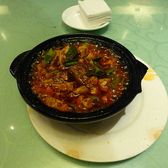
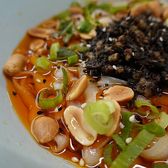
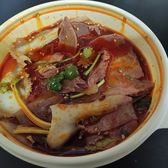
Chengdu is a UNESCO City of Gastronomy, and the food alone justifies the trip. First, a myth-buster: not everything is mouth-numbing. Sichuan cooking runs more than twenty flavour profiles — yu xiang (fish-fragrant), suan la (sour-hot), tian suan (sweet-sour) — and plenty of dishes carry no chili at all.

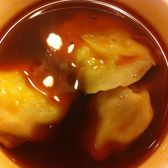
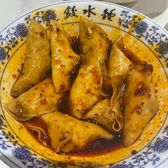
The essentials: hotpot, a bubbling pot of chili oil and Sichuan pepper at the centre of the table (order the dual-flavour pot — spicy plus mild bone broth — for a mixed group); mapo tofu, silken tofu in a thick numbing-spicy sauce with minced beef; dandan noodles, the breakfast staple with a serious kick; Zhong dumplings, pork dumplings drowned in sweet red oil; and guokui, a crisp stuffed flatbread for eating on the move. In hot weather, pair it all with ice jelly (冰粉) or a sour-plum drink to take the edge off.

Where should I eat — and how do I order without speaking Chinese?

For where: Chunxi Road and Taikoo Li for the central, walkable run from high-end to street level; Jinli for the lantern-lit night market; Kuanzhai Alley for tea houses and snacks in the old lanes.

For how: point — most restaurants have picture menus or the dishes on display; use a translation app's camera mode for the rest; and scan the QR code on the table where there is one, since Alipay often translates the ordering menu for you. Start with a dual-flavour hotpot and you will calibrate your spice tolerance in real time. The pleasant surprise is the bill: street noodles run about ¥10, and a full hotpot for two is ¥100–200.

How do I visit the Giant Panda Base — and do I need to book in advance?

Yes, book ahead. The base runs a fully online, real-name, timed-entry system — capacity is capped at 85,000 a day (45,000 morning, 40,000 afternoon) and peak days sell out. The official WeChat mini-program releases tickets 14 days ahead; without a Chinese number, foreign visitors can book on Trip.com or try the 'Cash and Cards' window on site. Bring your passport — holders use a separate lane at the gate.

Gates open at 7:30 (8:00 from November to February); morning entry runs to 12:00, afternoon entry 12:00–16:30, and the park clears at 17:30. Go early: the pandas are most active between 8:30 and 10:00, then they nap through the afternoon. Take Metro Line 3 to Panda Avenue and shuttle 408 — allow 60–90 minutes from the centre. At the gate, prefer the West entrance over the South, which carries most of the queue (the West Gate has no self-drive parking, which is exactly why it is quieter). Wear walking shoes and carry water — the base is big.

What's the best time of year to visit Chengdu?

The sweet spots are spring and autumn, and this page's own window is March to June and September to November. If you can only pick one month, make it April or the second half of October:

Season Months Temperature Verdict
Spring March–May 15–25°C Best. Mild and green, comfortable for walking.
Autumn September–November 15–22°C Best. Clear skies, little rain, perfect temperatures.
Summer June–August 30°C+ Hot and humid. Doable, but pace yourself.
Winter December–February 3–10°C Cold and damp, but fewer crowds and cheaper hotels.

Book hotels, panda tickets and trains well ahead around Chinese New Year, the first week of October (Golden Week) and the summer school holidays.

What are the most important practical tips for first-time visitors to Chengdu?

Payments: Alipay is king — link your international card before you arrive, and the QR works everywhere from street vendors to metro gates. WeChat Pay does the same job but is the harder setup for a foreigner; cash is accepted but rarely needed.

Connectivity: install an eSIM before departure, and a VPN before leaving home if you need Google, Instagram or WhatsApp. For language, keep a translation app with the offline Chinese pack, and note that Baidu Maps reads Chengdu's buses and walking routes better than Google Maps.

Culture and pacing: Chengdu is famously laid-back — the saying goes 少不入川, don't come to Sichuan young, because you will never want to leave. Tea-house culture is daily life rather than a show: spend a morning at Heming Tea House in People's Park while the regulars play mahjong. Nobody tips. Budget around $40–100 a day per person all-in — Chengdu runs 30–40% cheaper than Beijing or Shanghai.