Changsha ● CITY TOUR BOARD

Changsha 长沙

Hunan's capital: Han-dynasty mummies by day, chili heat and night markets after dark.

Introduction

Changsha is the capital of Hunan, spread along the Xiang River, and one of the few big Chinese cities where an ancient cultural core survives inside the modern grid. Its claim on a traveler is threefold: the Mawangdui Han tombs and their 2,100-year-old occupants at the Hunan Museum, the thousand-year-old Yuelu Academy at the foot of a forested hill, and the country's most famously aggressive cuisine. This is also China's variety-show and live-music capital, and the streets around Wuyi Square stay loud past midnight. Two to three days covers the core; add time if you're continuing to Zhangjiajie or Shaoshan.

Travel highlights

China's best Han-dynasty time capsule

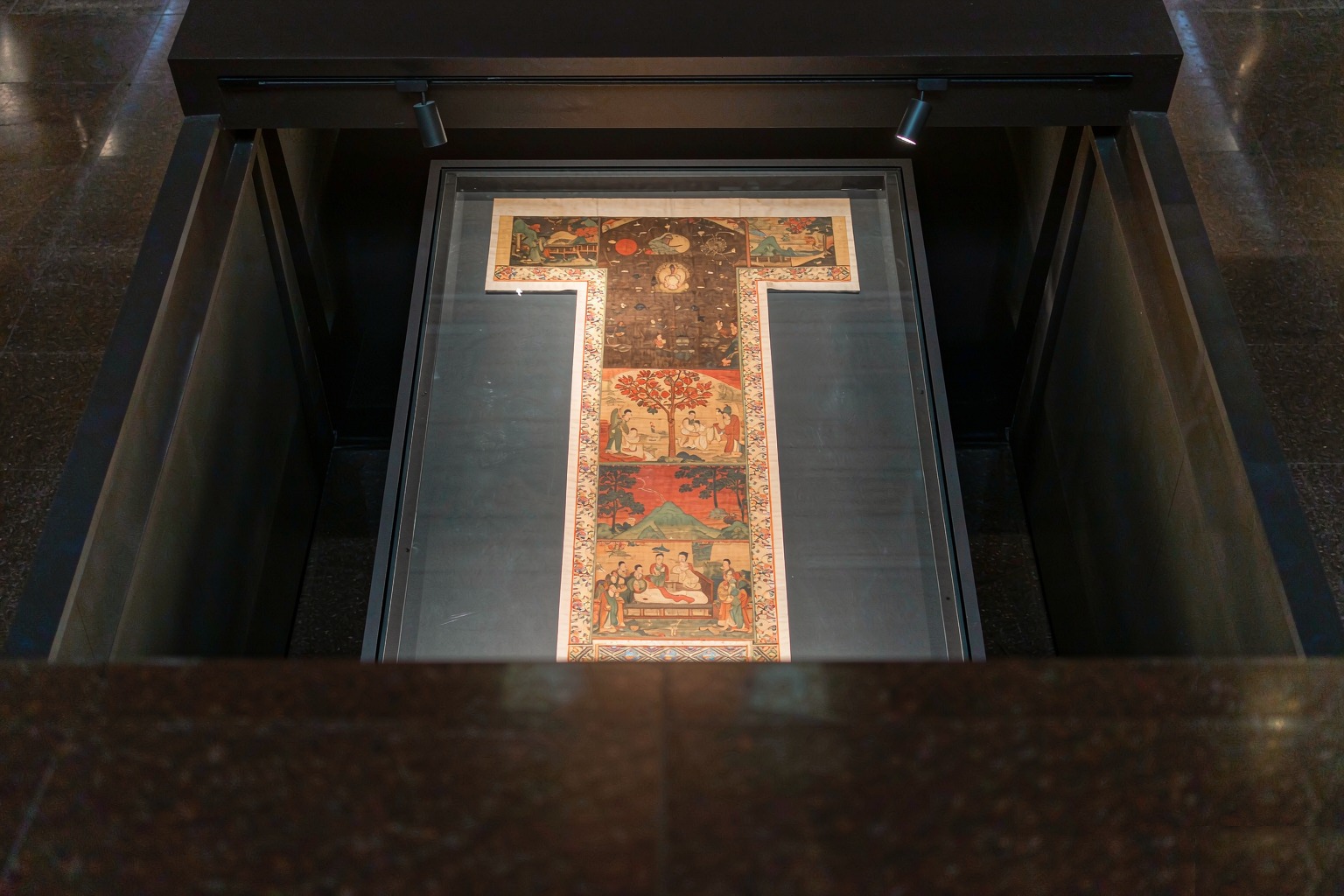
The Hunan Museum holds the Mawangdui tombs: silk manuscripts, lacquerware and the eerily preserved Lady Dai (Xin Zhui), dead 2,100 years. Admission is free but requires an online reservation, and the museum is closed Mondays.

A 1,000-year-old academy under a forested hill

Yuelu Academy (¥40) has taught continuously since 976 AD and sits inside Hunan University. Walk through it and out the west gate straight into Yuelu Mountain's trails and the Aiwan Pavilion.

The spice capital of inland China

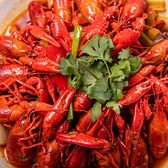
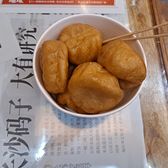
Xiang cuisine runs hotter and smokier than Sichuan's. Stinky tofu, chopped-chili fish head and spicy crayfish headline; the grazing streets around Wuyi Square are the easiest place to start.

A river isle made for evenings

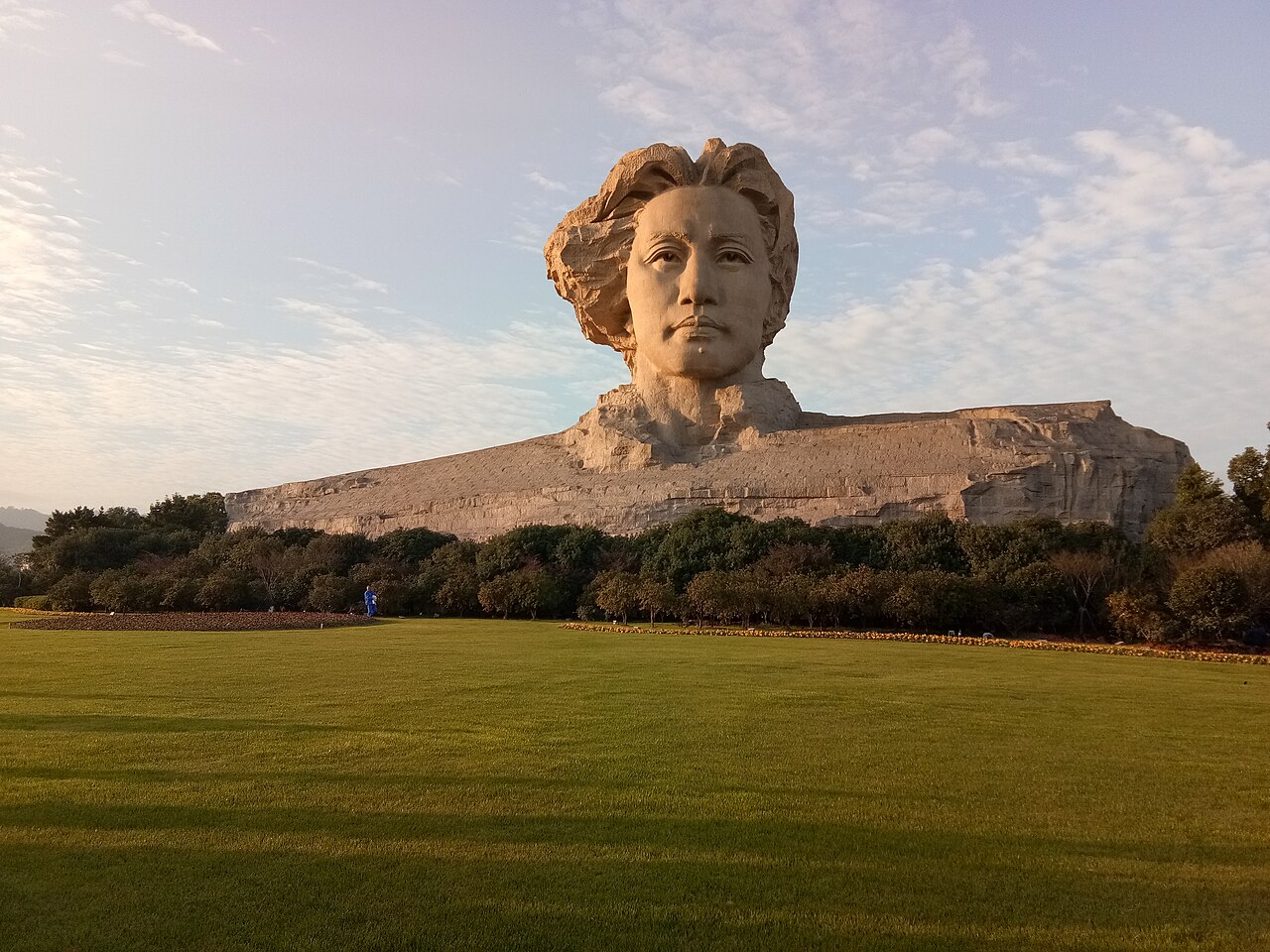
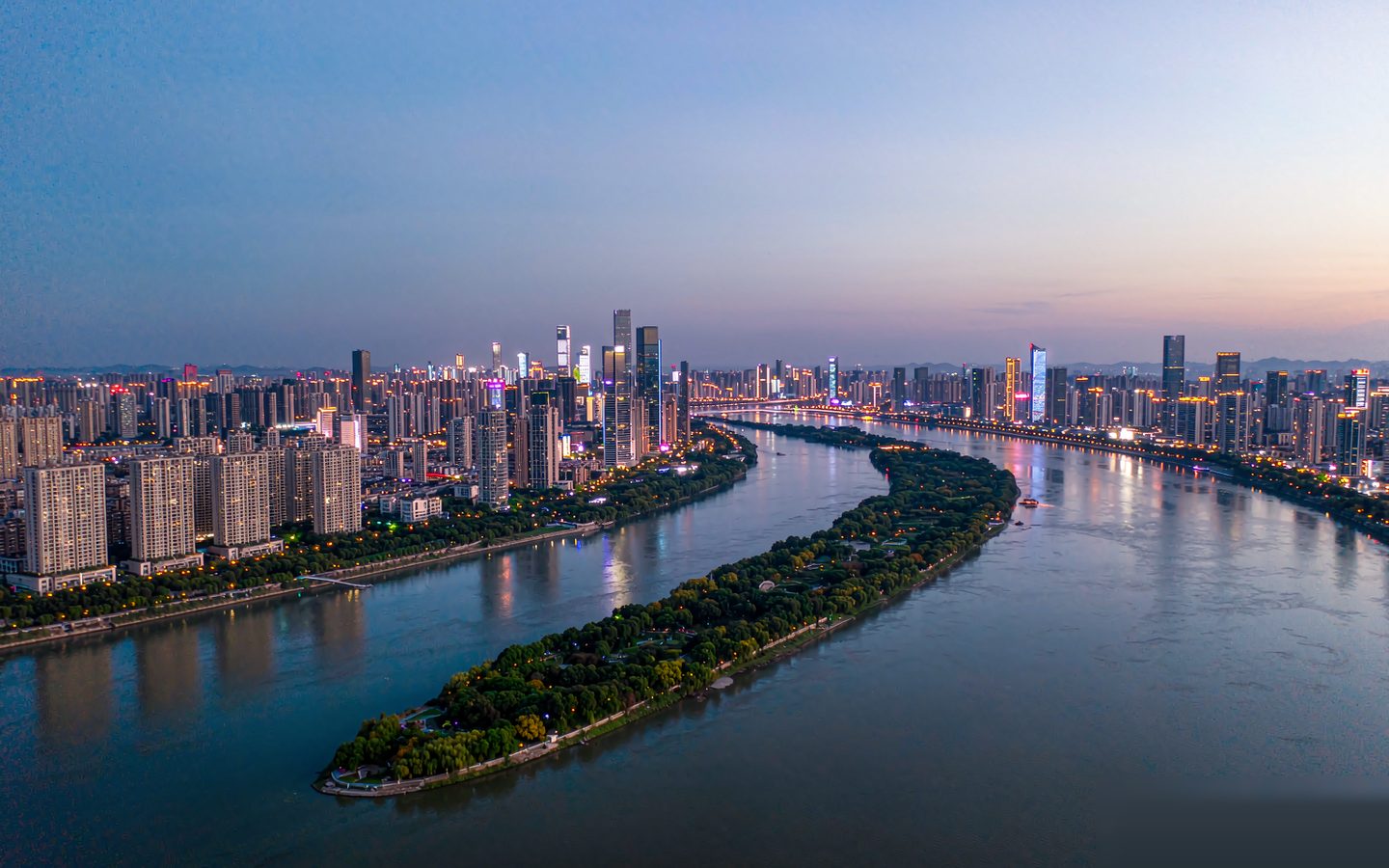
Orange Isle is a long, free park on a sandbar in the Xiang River with a giant young-Mao head sculpture at its south tip. Go late afternoon, walk or shuttle the length, and watch the skyline light up on the way back.

Travel alerts

Top attractions

The painting on silk depicts the heaven (upper part), the human realm (middle part), and the netherworld (bottom part).

Hunan Museum (Mawangdui Han Tombs)

Home of the Mawangdui Han tombs: the silk funerary banner, 3,000-odd artifacts and Lady Dai herself. Free, but reserve a timed slot on the official WeChat account or website — slots open 5 days ahead at 20:00; open Tue–Sun 9:00–17:00 (last entry 16:00), closed Mondays. Allow 2–3 hours; Metro Line 6 to Xiangya Hospital station, then a short walk to 50 Dongfeng Road.

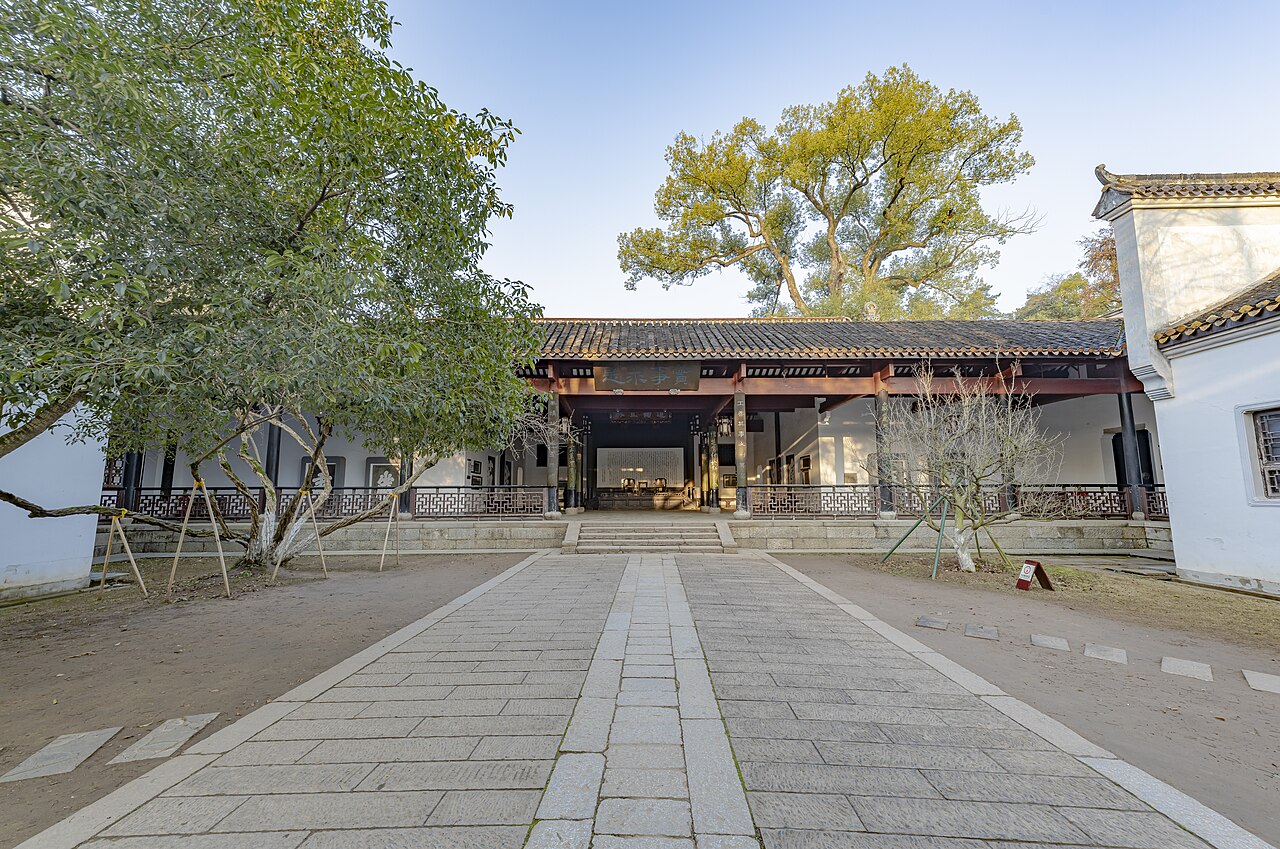
Yuelu Academy has been a famous institution of higher learning as well as a centre of academic activities and cultures s

Yuelu Academy

One of China's four great ancient academies, founded in 976 and still part of Hunan University's campus. Full ticket ¥40 (half ¥20); open 7:50–17:30 May–mid-October, until 17:00 the rest of the year, closed three days over Spring Festival; book via the academy's WeChat account. Metro Line 4 Hunan University station, exit 2, then 200 m. Give it 1.5–2 hours, then exit the west gate toward Aiwan Pavilion.

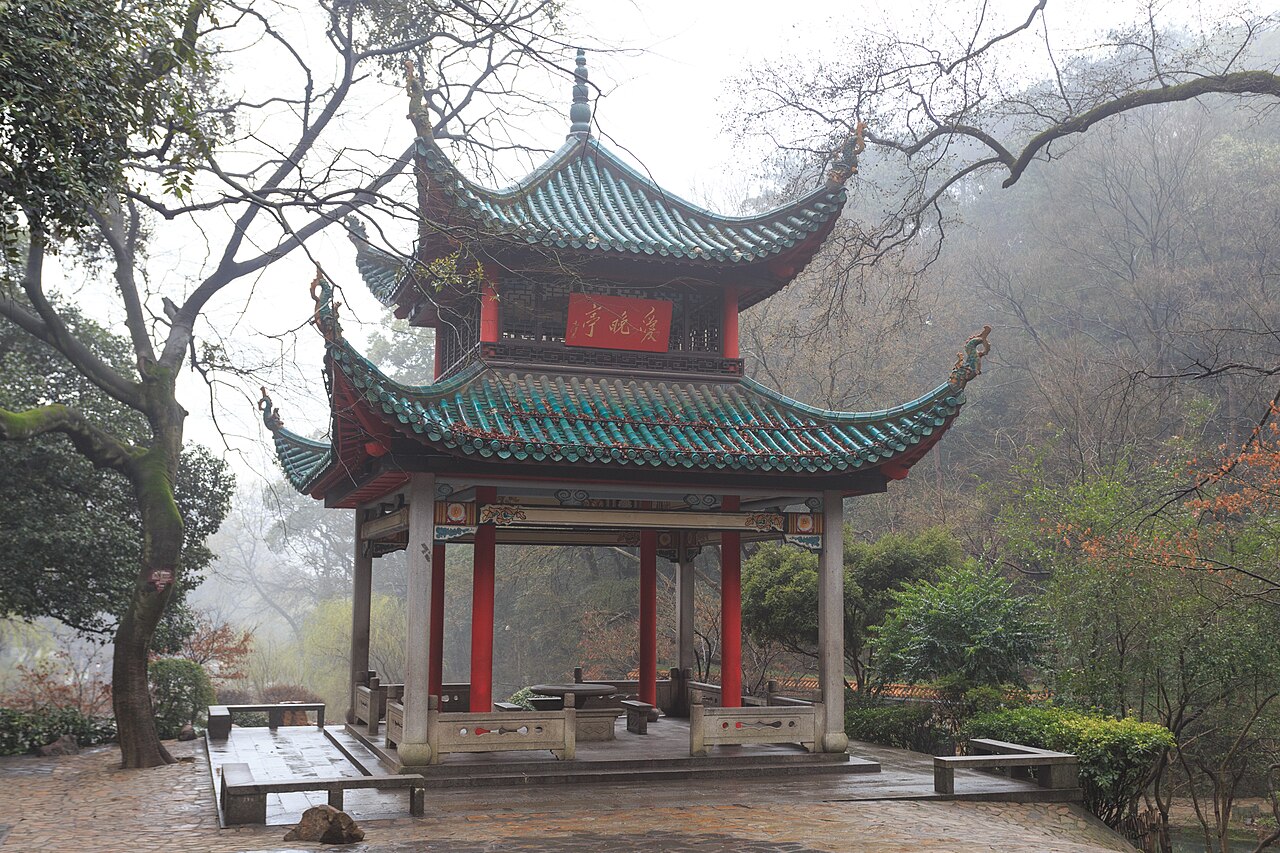
A two-tiered pavilion with green glazed roofs and red pillars, a gold-lettered red plaque beneath the upper eaves, stone benches around a stone table inside, and bare winter branches on a misty wooded slope behind

Yuelu Mountain & Aiwan Pavilion

The forested hill rising right behind the academy, dotted with pavilions and the stele of the Lushan Temple. Entry is free but needs a reservation on the '岳麓山 橘子洲旅游区' WeChat account. Figure on 2–3 hours on foot; Aiwan Pavilion sits on the east slope near the academy's west gate, so the two combine into one half-day.

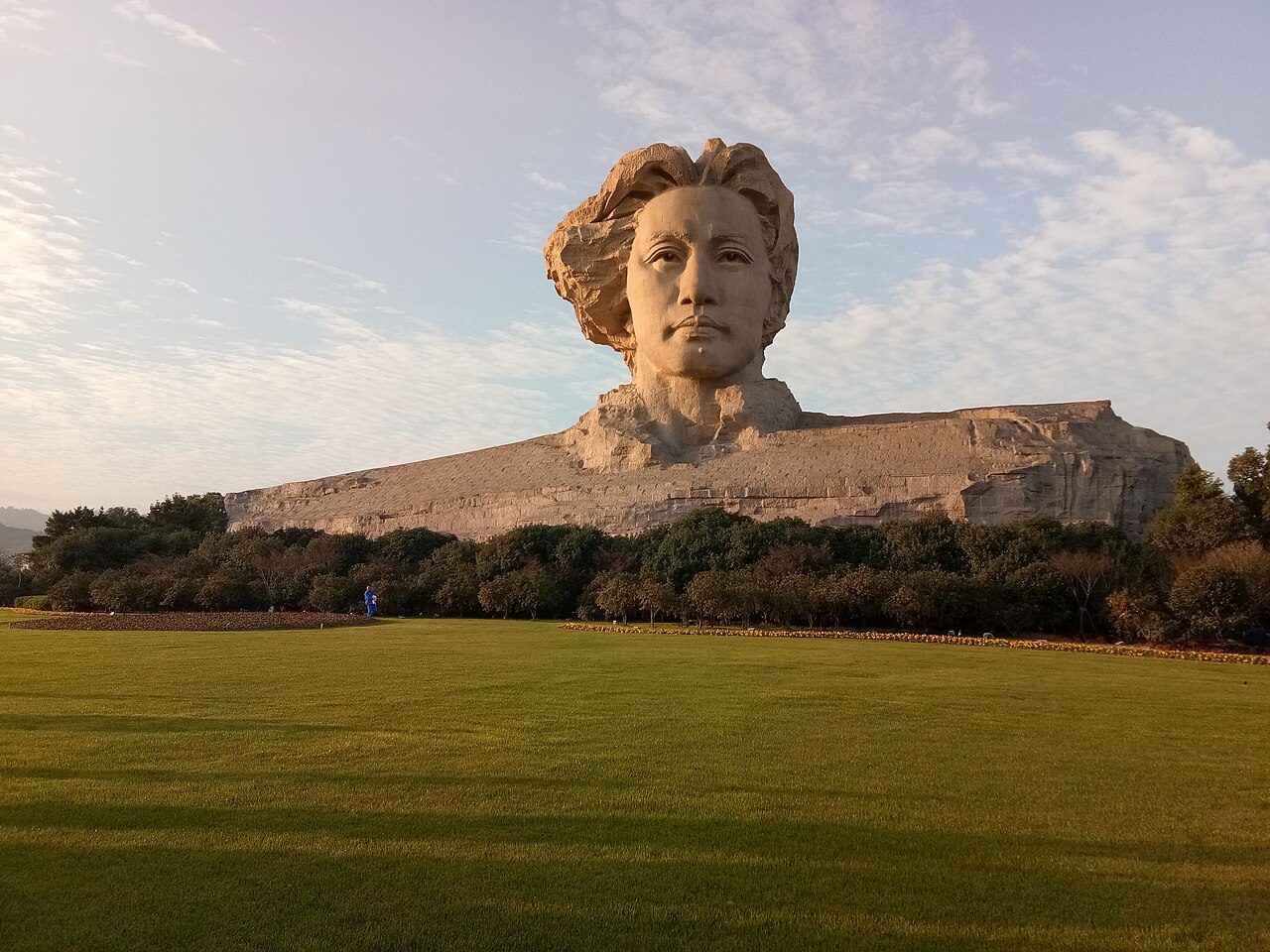
Young Mao Zedong statue is located in Orange Isle, Changsha, Hunan, China.

Orange Isle

A 5-km sandbar park in the middle of the Xiang River, crowned at its south end by a 32-metre head of the young Mao Zedong. Free, with a timed reservation via the '岳麓山 橘子洲旅游区' WeChat account (opens 3 days ahead). Metro Line 2 has its own Juzizhou station on the island; walk the length in 2–3 hours or ride the paid sightseeing shuttle.

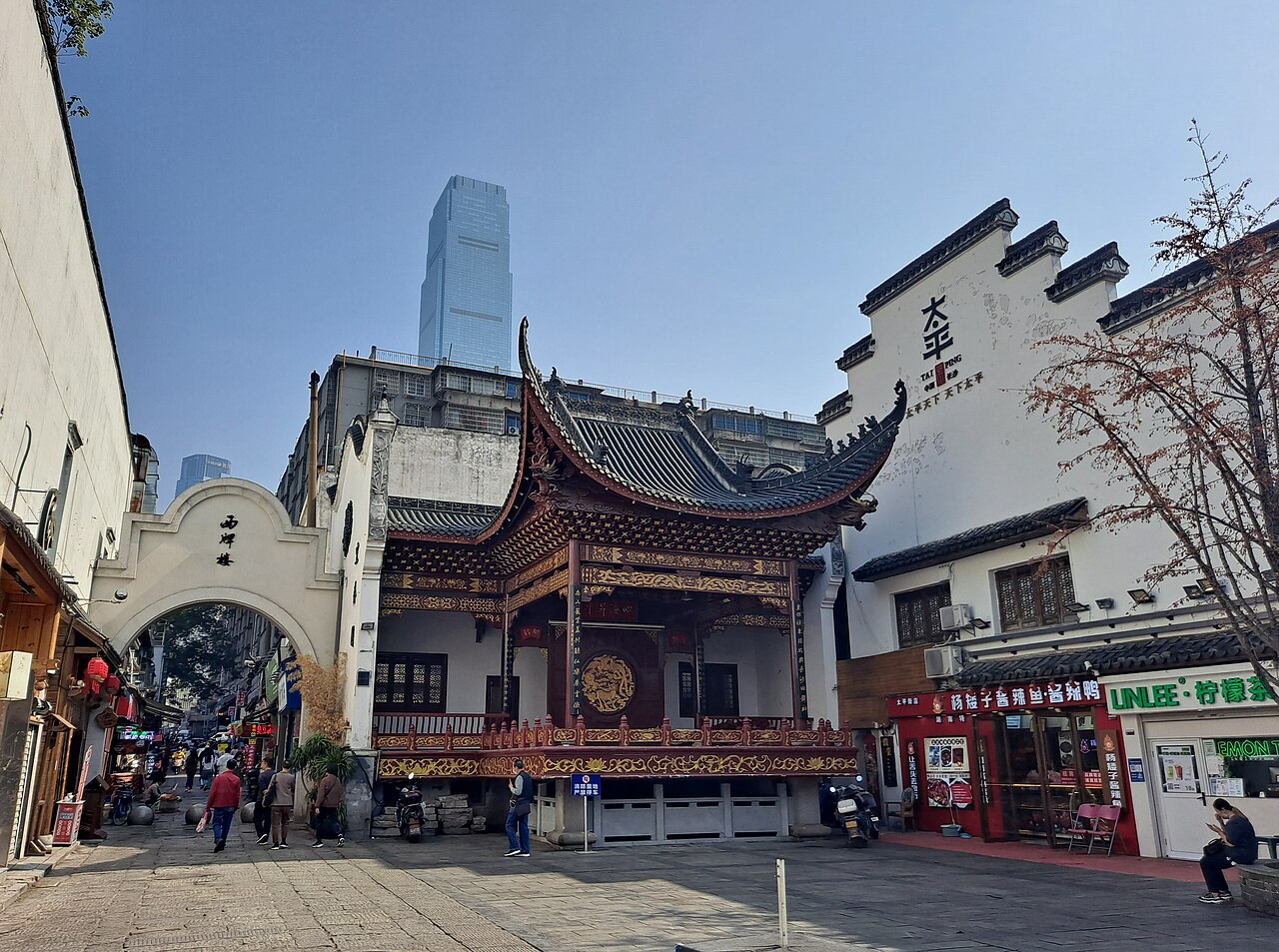
An ornate timber opera stage with an upswept black tiled roof and gilded carving stands in an open square, a whitewashed gable lettered in Chinese above the shopfronts to the right, a stone archway leading away to the left, and a glass tower rising beyond the rooftops

Taiping Old Street

Changsha's best-preserved flagstone lane, five minutes from Wuyi Square, lined with stinky-tofu fryers, milk-tea counters and the free former residence of Han scholar Jia Yi. It costs nothing to wander and is at its best after dark. Metro Lines 1 and 2 both stop at Wuyi Square.

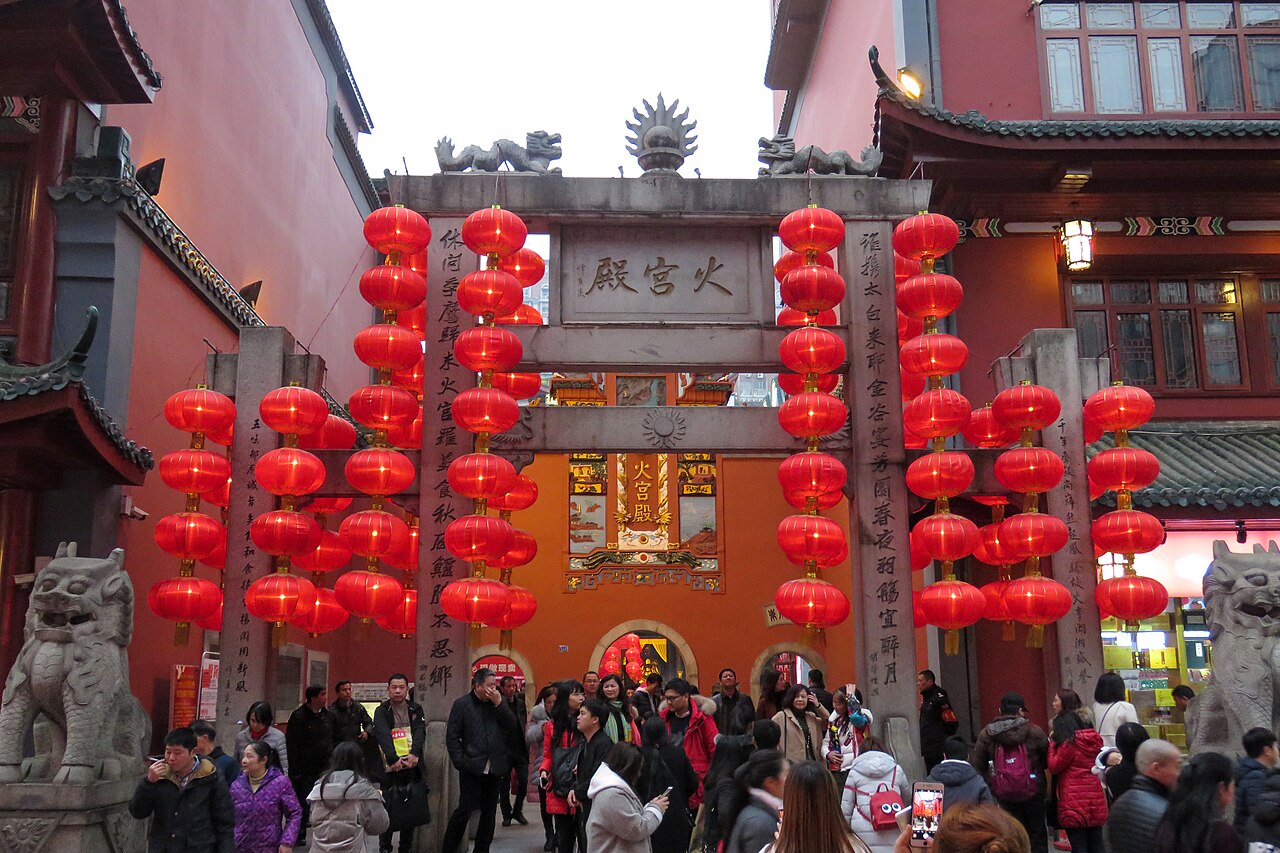
Quite probably one of the gastronomical icons in Changsha - by the way, this temple of fire god was formerly called Qian

Pozi Street & Huogongdian

The classic snack quarter: Pozi Street is a pedestrian strip of Hunan food stalls, and Huogongdian is a centuries-old temple compound converted into a food hall serving every local specialty under one roof. Free to browse, pay per dish. It adjoins Taiping Street, so do both in one evening.

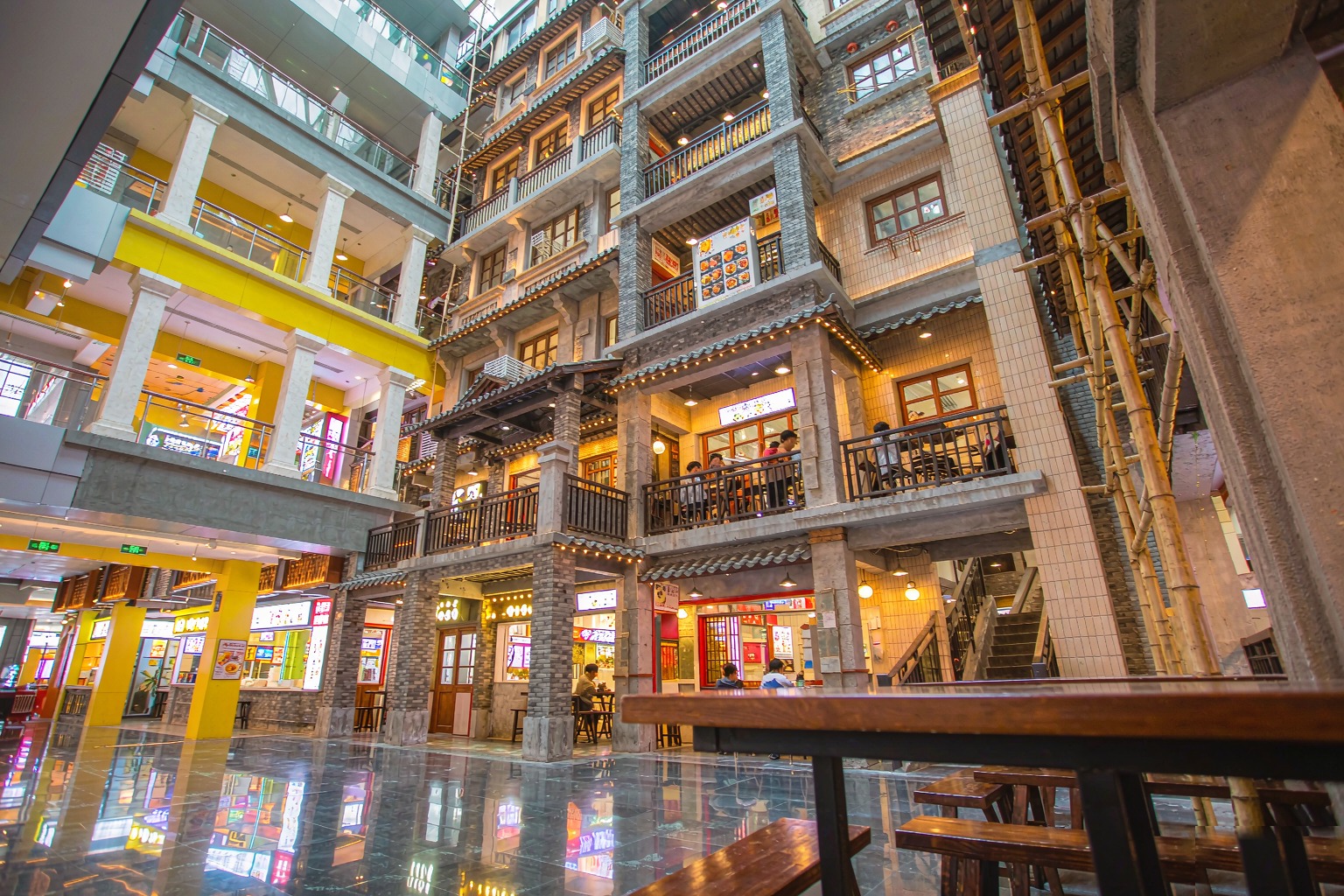
Wenheyou is most popular restaurant in Changsha, Hunan, China. It is located in Tianxin District of Changsha.

Super Wenheyou

A seven-storey retro food bazaar inside Hisense Plaza that recreates 1980s Changsha alleyways in full detail, built around spicy-crayfish restaurants. Free to enter; queues at dinner run long, so go mid-afternoon for the photos and stay to eat. Ten minutes on foot from Wuyi Square along Xiangjiang Middle Road.

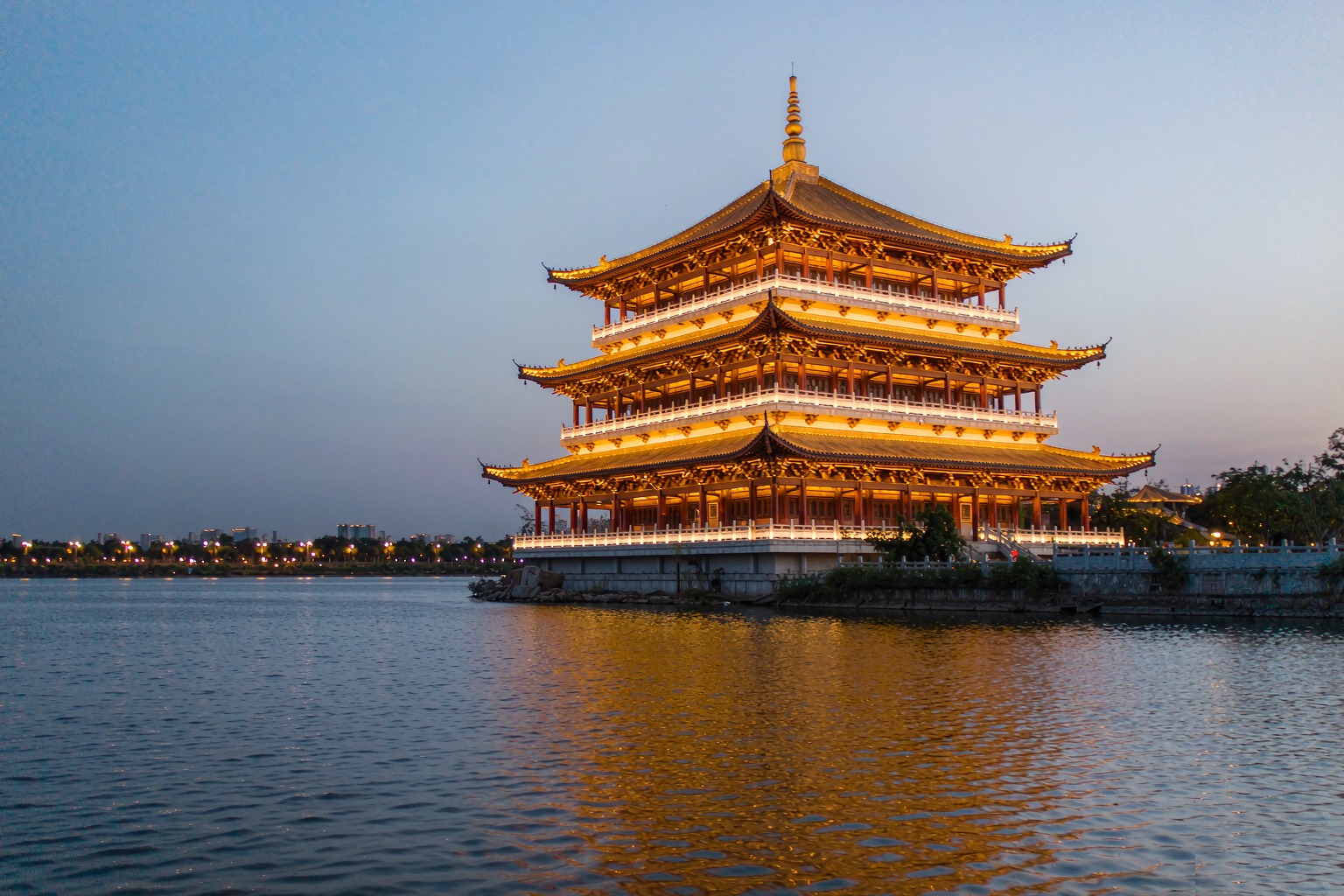
Photo of the Du Fu Jiang Ge on September 27, 2010. Du Fu Jiang Ge or Riverside Pavilion of Du Fu, is a Chinese pavilion

Du Fu River Pavilion

A Tang-style pavilion on the Xiang River promenade honoring the poet Du Fu, who spent his last years in Changsha. The tower is illuminated nightly and the riverside walkway outside is free — the best free night view in the city. Walk south from Wuyi Square or ride one metro stop.

3 more spots worth seeing
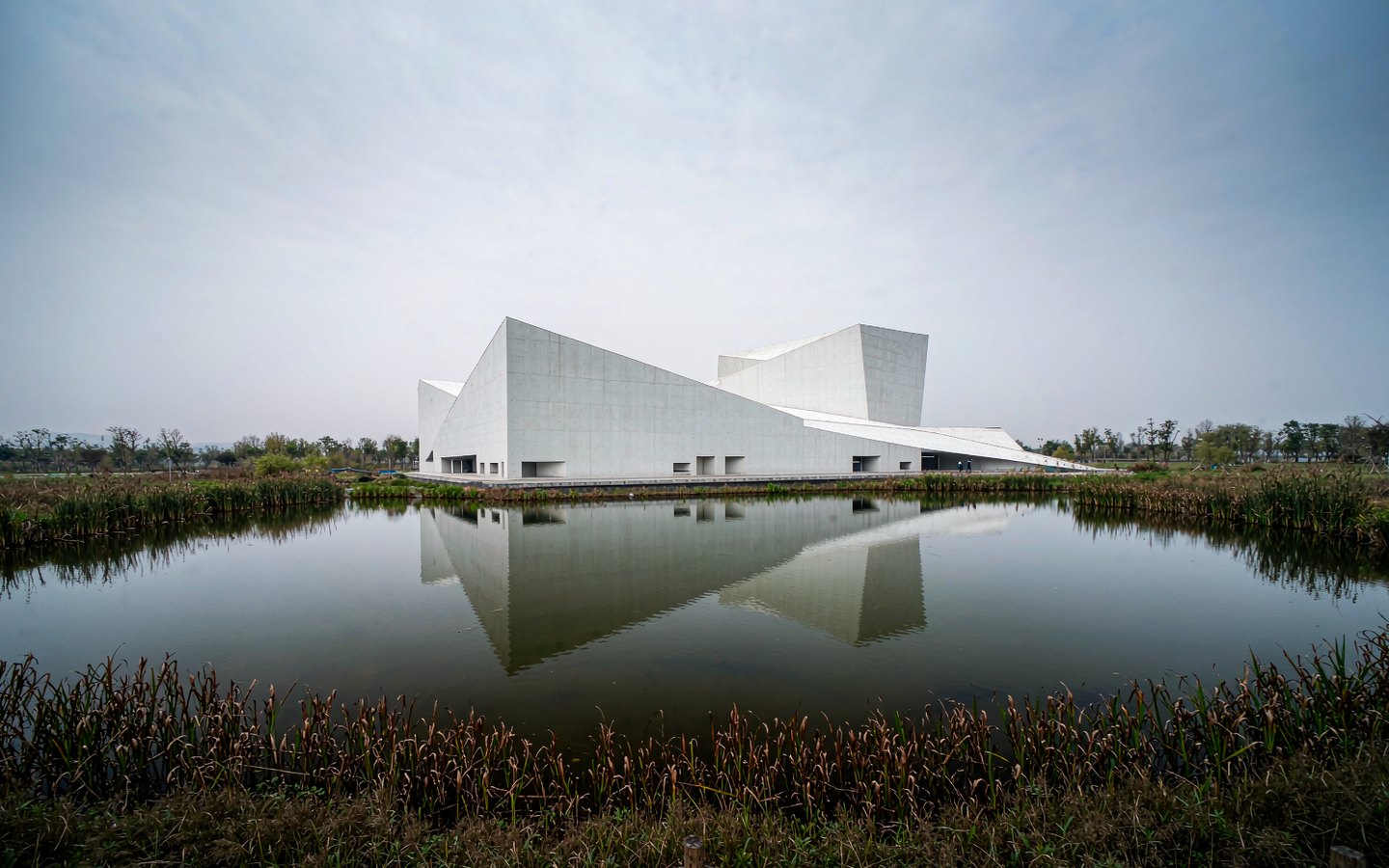
White geometric museum reflected in a calm wetland lake

Li Zijian Art Museum & Xie Zilong Photography Museum (Yanghu)

Two of Changsha's best free cultural stops, side by side on the Yanghu wetland lake. The Li Zijian Art Museum, the world's largest single-artist museum, holds 330-plus realist oils including the monumental Nanjing Massacre canvas, free by the artist's own endowment; ten minutes on foot, the Xie Zilong Photography Museum shows early Chinese photographs and exhibitions (ground floor free, special shows ¥50–150). Both close Mondays. Metro line 3 to Yanghu Wetland then a 1-km walk — give it a half-day.

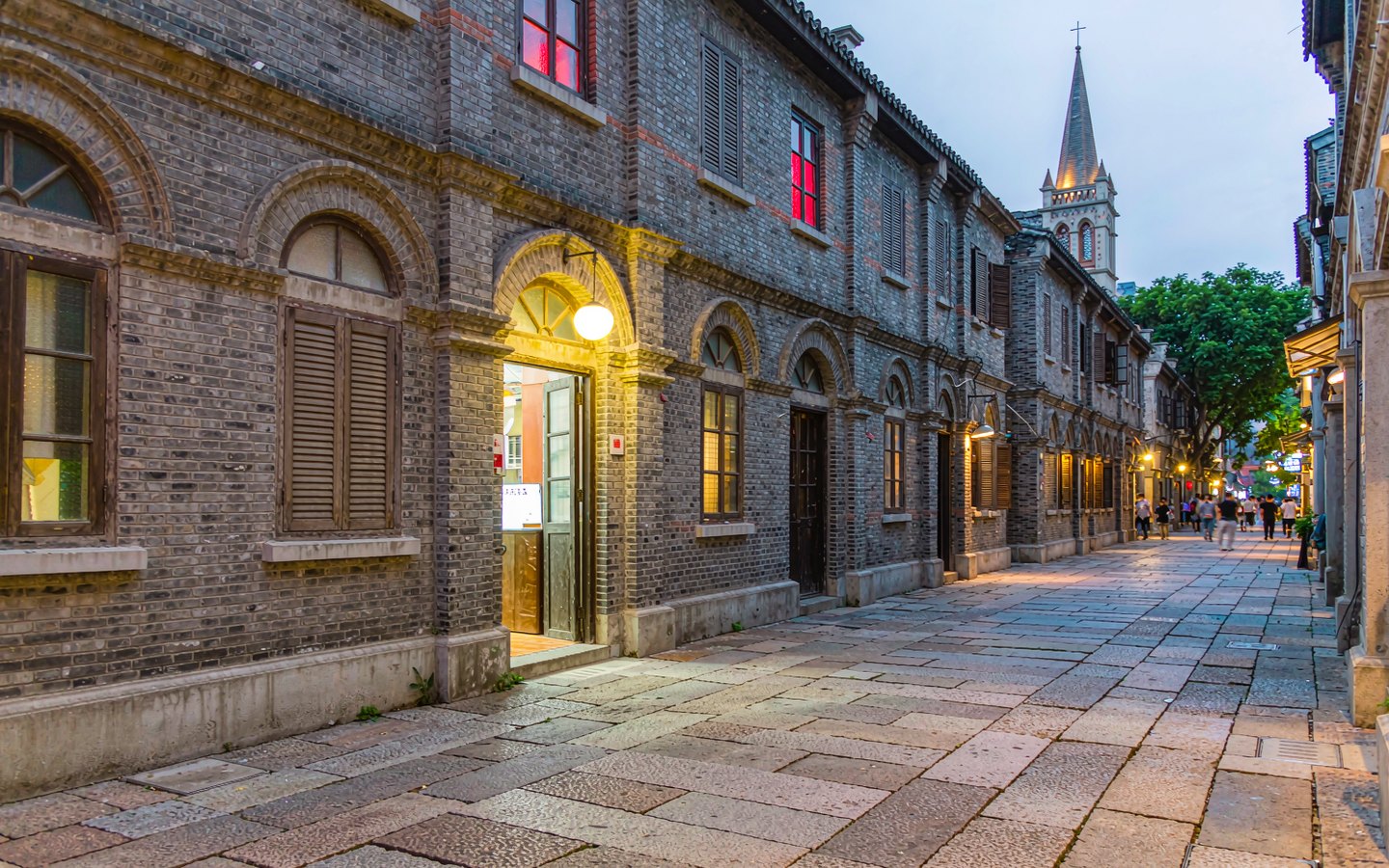
Granite-slab lane with brick mansions and small cafe lights

Chaozong Street Historical and Cultural Block

One of Changsha's four surviving stone-slab streets — thousands of century-old granite slabs underfoot — and a national leisure street locals consider better preserved and more lived-in than Taiping Street. A 400-metre walk strings together Song-dynasty city-wall ruins, Republican mansions, a church, the reform-era Shiwu Academy, and the former base of Korean independence leader Kim Koo. It overlaps Taiping Street's role, though: if your list already has one old street, this is the upgrade, not an addition.

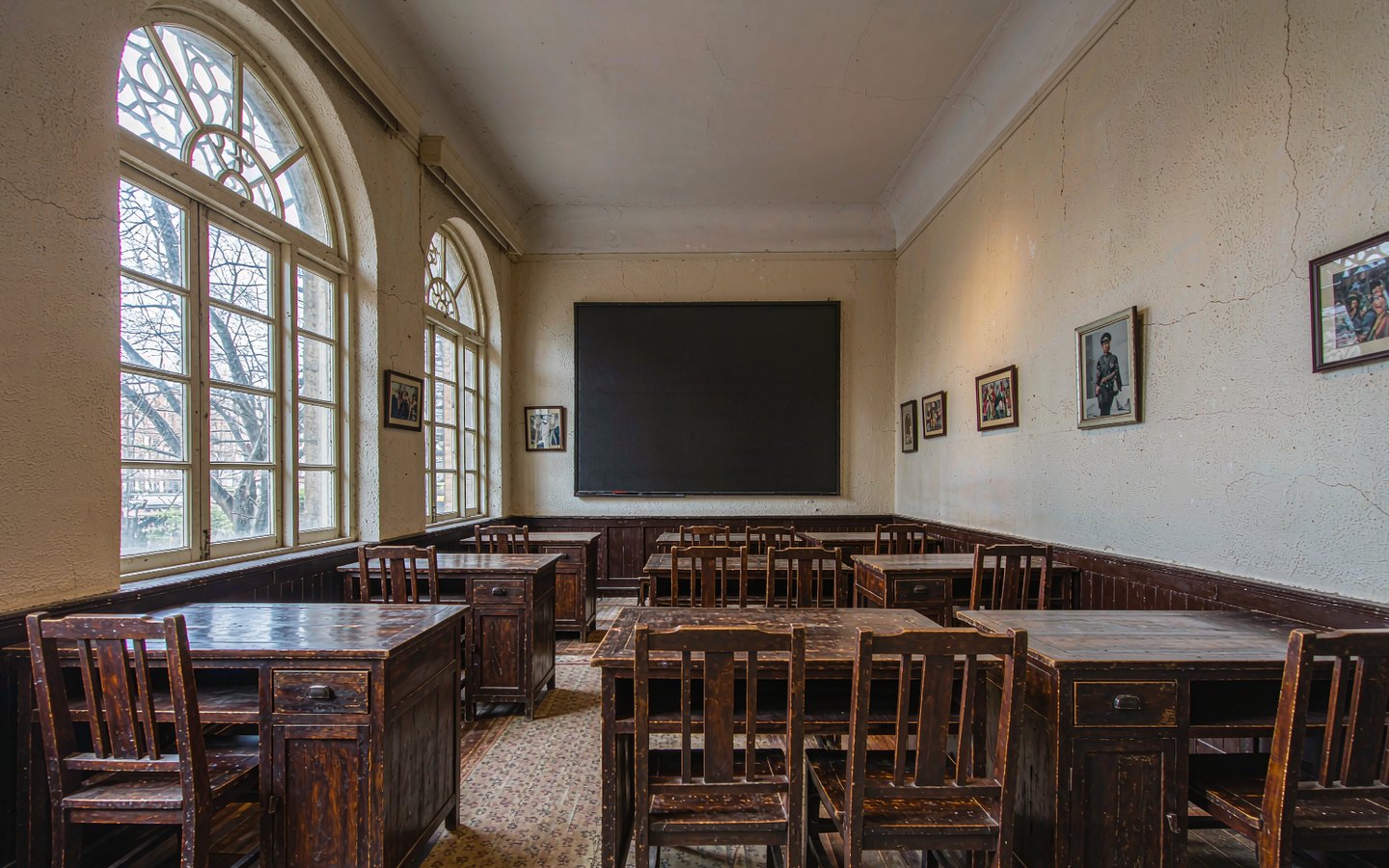
1910s classroom with dark wooden desks in an arched schoolhouse

Hunan First Normal University (Mao Zedong & First Normal School Memorial Hall)

The school where Mao Zedong studied and taught, 1913–18 — a national key heritage site where his classroom stands as it was, his desk in its original spot: first row from the right, fourth seat. Free with real-name booking, Tuesday–Sunday 9:00–17:00, last entry 16:30, closed Mondays, same as Hunan Museum. Metro line 3 to Lingguandu. Interpretation is Chinese-first and the framing unabashedly red: treat it as the most efficient explanation of why 20th-century China turned out as it did.

Local cuisine

Where to stay

Not every hotel in China can register a foreign guest, and the cheap guesthouses in the university belt under Yuelu Mountain are the likeliest to turn you away at the desk. Confirm the place takes foreign passports before you pay, and have yours out at check-in.

Getting around

Getting here

  • Changsha Huanghua Intl Airport (CSX) 黄花机场

    About 25 km east of downtown; Metro Line 6 runs direct from the terminal to the city center in under an hour. A designated 240-hour visa-free transit port.

  • Changsha South Station 长沙南站

    High-speed hub: Beijing West from about 5 h, Shanghai Hongqiao about 4 h, Guangzhou South about 2 h, Hong Kong West Kowloon about 3 h (live times on 12306).

  • Changsha Railway Station 长沙站

    The older central station for conventional-speed trains; on Metro Line 2, ten minutes from Wuyi Square.

Changsha South and Changsha Railway Station are two different places with almost the same name — the high-speed trains use South, the older station sits on Metro Line 2 ten minutes from Wuyi Square. Check which one your ticket prints before you book a hotel around it. Your passport is the ticket on 12306; at the gates use the staffed lane, because the automatic readers only take Chinese ID cards.

Local transport

  • 🚇

    Metro

    6 lines covering all the sights. Fares run ¥2 for the first 6 km up to ¥8 for the longest hops; scan an Alipay or WeChat ride code at the gates for a 10% discount.

  • 🚝

    Maglev (S2 line)

    Airport to Changsha South Station in about 10 minutes, ¥20; useful only when connecting to a high-speed train.

  • 🚕

    Taxi & Didi

    Plentiful and cheap by big-city standards. Show the Chinese address on your phone; expect slow going around Wuyi Square at rush hour and after dinner.

  • 🚌

    Bus

    Extensive network that fills metro gaps; pay with the same Alipay/WeChat ride codes. Slower than the metro but fine for short hops.

No transit card needed: the transport mini-app inside Alipay or WeChat makes the QR code the metro gates read, and scanning it takes 10% off the fare.

What's on

Recommended routes

All routes →

FAQs

What is the best time to visit Changsha?

October is the driest, mildest month. Summers are famously hot and winters damp and grey, so autumn is the comfortable window.

How many days should I spend in Changsha?

Two to three days: one for the Hunan Museum and Yuelu Mountain, one for Orange Isle and the old streets, and evenings for the food.

How do I get from Changsha airport to the city centre?

Metro Line 6 runs direct downtown in under an hour for about ¥7, no transfer. The maglev reaches Changsha South Station in about 10 minutes for ¥20, and a taxi takes 40–60 minutes depending on traffic.

What is the best way to get around Changsha?

The metro — six lines cover all the sights, from ¥2. Taxis and Didi are plentiful and cheap by big-city standards; buses fill the gaps.

Which area should I stay in Changsha?

Wuyi Square is the first-timer base where Metro Lines 1 and 2 cross. The Xiangjiang riverside has river-view hotels facing Orange Isle, the Yuelu university belt is the budget option, and the South Station area only makes sense for an early train.

What food should I try in Changsha?

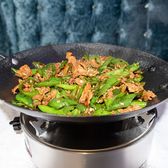
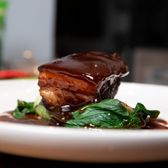
Stinky tofu is the signature, with chopped-chili fish head, Changsha rice noodles, spicy crayfish and chili fried pork behind it; sugar-oil baba and Mao-style red-braised pork round out the list.

What are the must-see sights in Changsha?

The Hunan Museum with the Mawangdui Han tombs, Yuelu Academy, Yuelu Mountain and Orange Isle lead, with Taiping Old Street and Pozi Street for the evenings. Museum entry is free but slots release 7 days ahead at 20:00 on its official WeChat account and go fast on weekends.