
When to Travel in China: Where to Go, and When to Stay Away (2026–2027)
China's travel peaks are structural: golden weeks, shifted days off, toll-free motorways. What to avoid, what to book, and where to go by season.
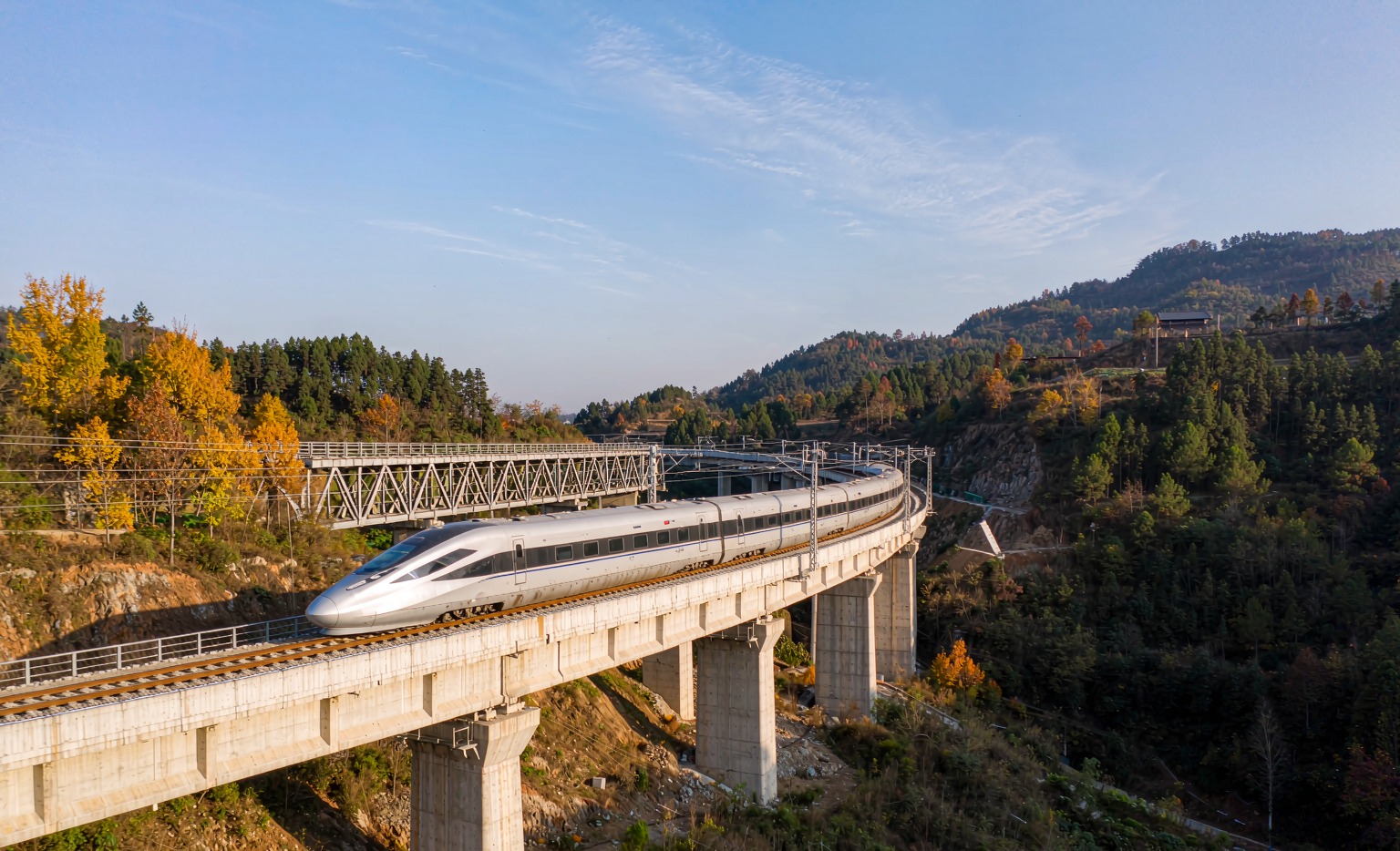
October 1 — the first day of National Day. Ahead of the holiday, the Ministry of Transport projected that over the seven days, 2.13 billion cross-regional passenger trips would be made nationwide, an average of 300 million a day. First-day traffic was expected to peak at 340 million trips, up 1.2% year on year and possibly a record for the period. Add the Mid-Autumn holiday of 25–27 September and the two-holiday total reaches 2.78 billion trips.
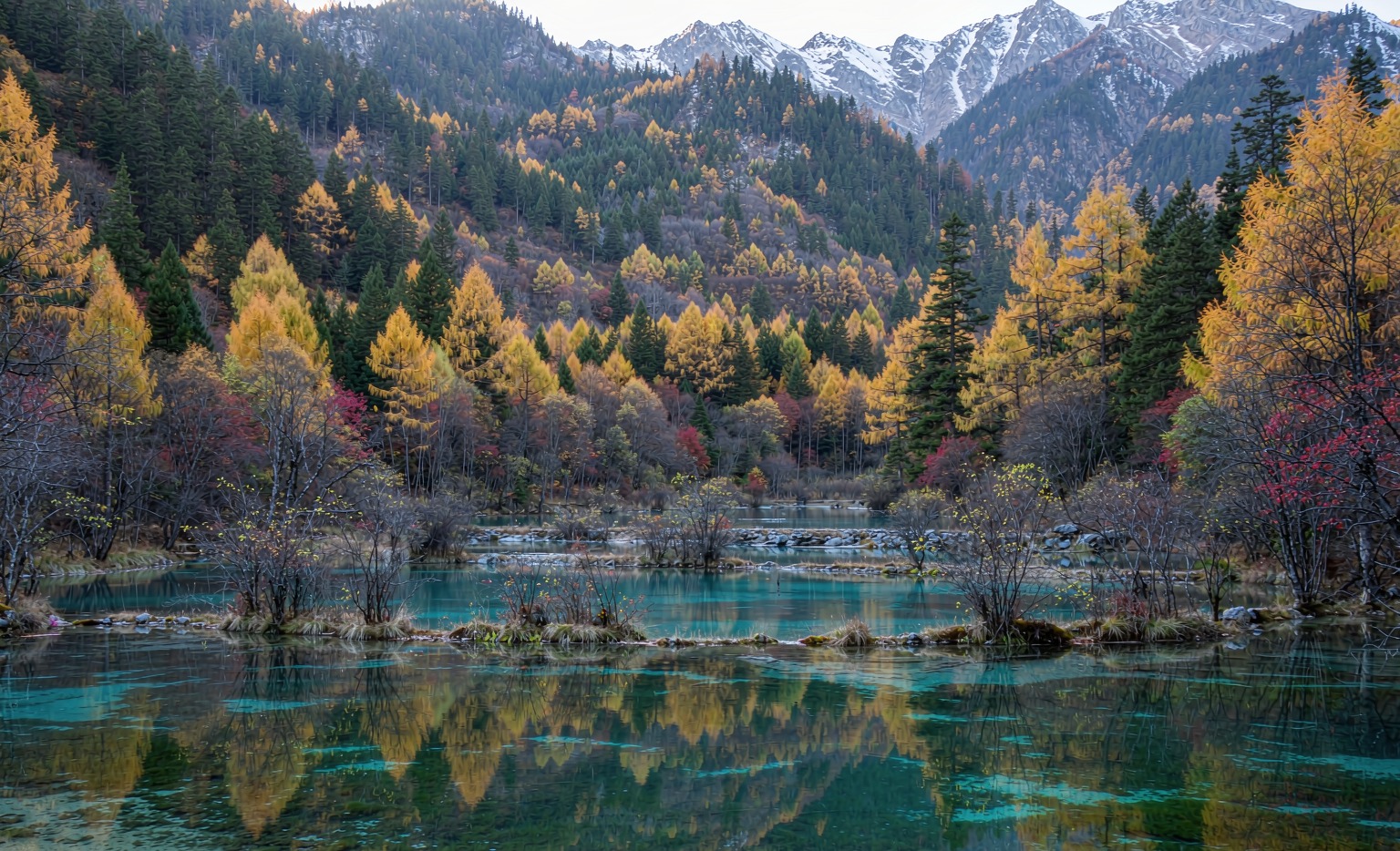
The implication is simple. In China, choosing the right week matters more than choosing the right place. The same Jiuzhaigou on 3 October and on 3 November are two entirely different experiences — the landscape doesn't change, the crowd does.
This guide takes the country's calendar apart: which windows are unbearable and why, which ones are quietly excellent, and where each season actually takes you.
One thing to note up front: 2026 has only New Year left. So this covers two years — 2026's hard numbers explain why things are crowded, and 2027's dates answer which day to book. The 2027 holiday dates are already certain (both the lunar and Gregorian calendars are public), but the official leave-and-shift arrangement has not been published yet. China's State Council released the 2026 schedule on 4 November 2025; by the same rhythm, the 2027 one should land around November 2026.
1. How China's holiday calendar actually works
The country's travel peaks are determined by how the statutory holidays fall. Here is 2026:
| Holiday | Dates | Days off | Toll-free motorways |
|---|---|---|---|
| New Year | 1–3 Jan | 3 | No |
| Spring Festival | 15–23 Feb | 9 | Yes |
| Qingming | 4–6 Apr | 3 | Yes |
| Labour Day | 1–5 May | 5 | Yes |
| Dragon Boat | 19–21 Jun | 3 | No |
| Mid-Autumn | 25–27 Sep | 3 | No |
| National Day | 1–7 Oct | 7 | Yes |
2026 gives 33 days of statutory plus shifted holiday, five more than 2025 — because Spring Festival and Labour Day each gained a day.
2027: the dates are fixed, the schedule is not
Both calendars are public, so the 2027 festival dates are already settled. What is missing is only the leave-and-shift layer:
| Holiday | 2027 date | Weekday | Consecutive days |
|---|---|---|---|
| New Year | 1 Jan | Fri | Free 3-day weekend |
| Spring Festival (lunar new year) | 6 Feb | Sat | To be confirmed |
| Qingming | 5 Apr | Mon | Free 3-day weekend |
| Labour Day | 1 May | Sat | To be confirmed |
| Dragon Boat | 9 Jun | Wed | Midweek — needs a borrowed day |
| Mid-Autumn | 15 Sep | Wed | Midweek — needs a borrowed day |
| National Day | 1 Oct | Fri | Free 3-day weekend |
The official arrangement will come from the State Council General Office. The 2026 notice was issued on 4 November 2025; expect the 2027 one around November 2026.
Three differences between 2026 and 2027
One: Spring Festival moves nine days earlier. The 2026 festival ran from 15 February; in 2027 the first day of the lunar year is 6 February. The practical effect is that the Spring Festival travel rush shifts earlier and the way it overlaps the winter school break is different. Don't copy this year's timings.
Two: Mid-Autumn and National Day stop being neighbours — and the super-holiday disappears. This is the biggest change. In 2026 the two holidays were separated by only three working days, so three days of leave produced thirteen days off. In 2027, Mid-Autumn falls on 15 September (Wednesday), a full two weeks before National Day on 1 October. There is no "book 3, get 13" window in 2027. Any long break has to be built out of annual leave alone.
Three: three holidays land on a Friday or Monday. New Year, Qingming and National Day in 2027 all carry a free three-day weekend with no shifting required — short but certain, which suits a nearby deep dive rather than a long haul. Labour Day (Saturday) and Dragon Boat and Mid-Autumn (both Wednesday) depend on how the official arrangement treats them.
Three rules explain the rest:
Rule one: there are two kinds of holiday — the ones you can travel on, and the ones you can't. The three-day breaks (New Year, Qingming, Dragon Boat, Mid-Autumn) are barely enough for a trip out of town. Only Spring Festival (9 days), Labour Day (5) and National Day (7) support real long-distance travel. Everybody piling into those three windows is the root cause of congestion.
Rule two: shifted working days manufacture extra-long windows. In 2026, Mid-Autumn (25–27 September) and National Day (1–7 October) were separated by three working days; taking those three produced a 13-day run from 25 September to 7 October. Data from the platform Qunar showed bookings made during 28–30 September rose 52% year on year — one in seven long-holiday orders came from someone who had borrowed leave. This matters because it means the peak starts early, not on day one of the holiday.
Rule three: toll-free motorways amplify the driving surge. Free passage applies only to Spring Festival, Qingming, Labour Day and National Day (Mid-Autumn is excluded). Over National Day, road travel accounts for over 90% of all trips; first-day motorway traffic was projected at 71 million vehicles, of which new-energy vehicles averaged 16.4 million a day, up 32.7%.
2. The five most crowded windows, and why
National Day Golden Week (1–7 October)
The most concentrated travel window of the Chinese year, without exception. 2026's projection: 2.13 billion cross-regional trips in seven days.
Why: it is the only window that combines good weather, real length, free motorways, and parents who still have leave. Autumn is the most comfortable season across most of the country, seven days is exactly enough for a long trip, and so almost everyone who can travel does.
What actually goes wrong:
- Transport. The rail network's holiday period ran 23 September to 8 October, sixteen days, with 284 million passengers expected and a single-day peak above 24.4 million. Tickets on popular routes sell out within minutes of release.
- Accommodation. Prices in popular cities rise sharply and require booking well ahead.
- Attractions. Headline sites — the Forbidden City, the Great Wall, Jiuzhaigou, Zhangjiajie — run timed entry with capped numbers, and holiday slots vanish on release day.
- Experience. Queueing exceeds sightseeing, photographs require dodging crowds, and restaurant waiting lists become the norm.
The practical conclusion: if autumn is your only window, arrive before 1 October or leave after 8 October. Those two sentences give you two completely different countries.
Spring Festival
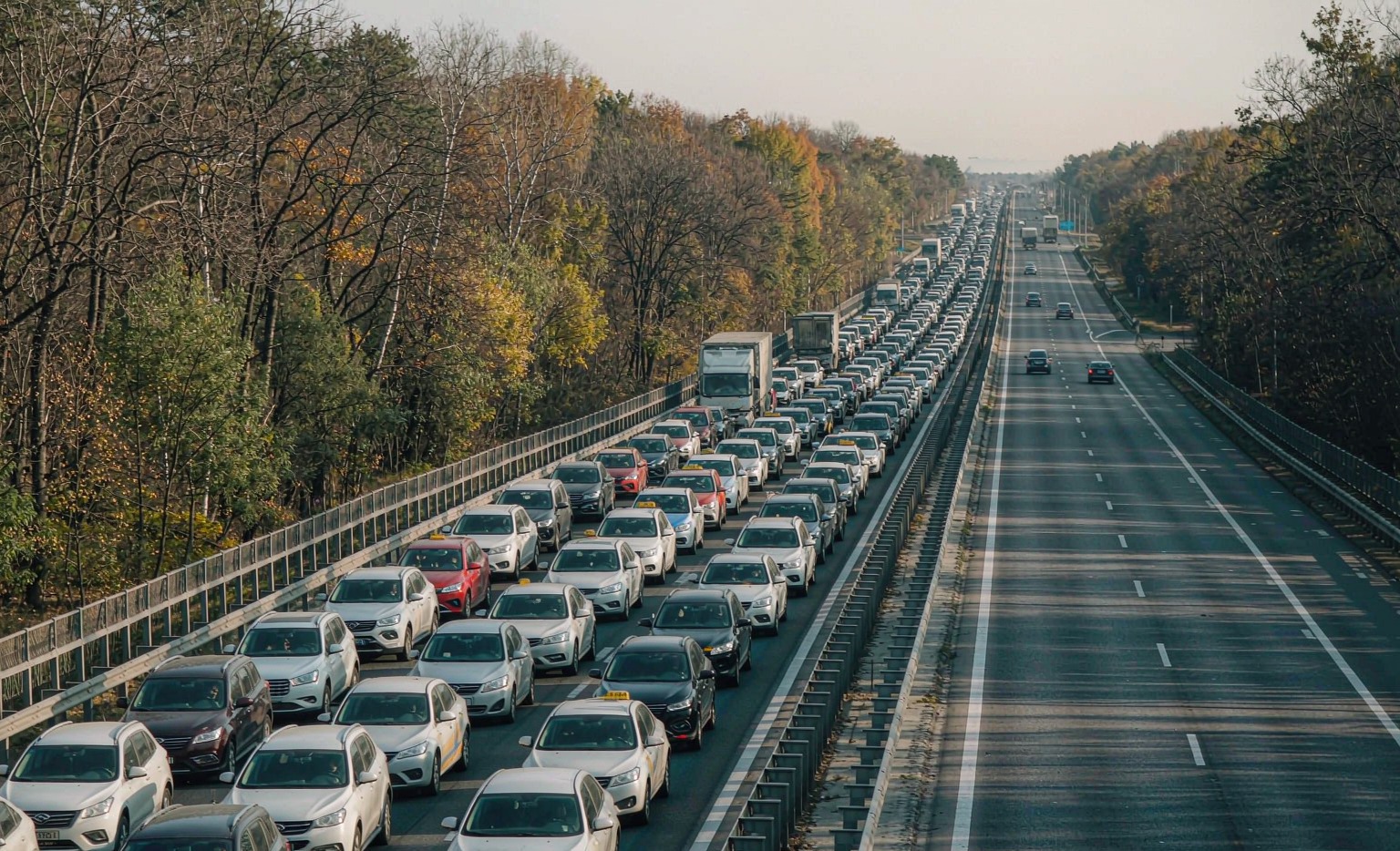
Spring Festival is the largest travel event of the year, and the volumes are of a different order. In 2026 the nine-day holiday saw 596 million domestic trips and 803.48 billion yuan of domestic spending, both records. Cross-regional passenger movement exceeded 2.8 billion trips, averaging 311 million a day, up 8.2%.
Why it's crowded, but differently: a large share of these travellers are not tourists — they are people going home. Self-drive trips averaged nearly 270 million a day, 86% of all movement. This is a national migration, and it produces situations you won't meet elsewhere:
- Some restaurants, shops and services close, particularly in smaller cities and county towns, most visibly from New Year's Eve to the second day.
- Return tickets are extremely tight, with strong directionality: out of the big cities before the holiday, back into them afterwards.
- But some things exist only now: temple fairs, lantern displays, shehuo performances, Yingge dance. In 2026, destinations like Datong (for shehuo) and the Chaoshan region (for Yingge dance) surged, with Chaoshan hotel bookings up over 80% year on year.
The practical conclusion: Spring Festival suits staying put and experiencing the customs in one city. It does not suit long-distance multi-city movement.
Labour Day (1–5 May): the spring trap
Many travellers assume early May is the best of spring and make it their first choice — which is exactly why it is the year's second-highest peak.
Why: five days off plus the most comfortable temperatures of the year across most of the country looks like the best value window available. Everyone thinks so.
The practical conclusion: 6 May onwards is spring's real payoff — the weather holds, crowds collapse, hotel prices return to baseline, and most attraction tickets can be bought same-day or a day ahead.
The summer holidays (July–August): not a few days crowded, but two months crowded
This is the most underestimated window. It isn't "a holiday is crowded" — it is two continuous months of high season, because families with school-age children have no other time to travel.
Compounding it, the weather: heat, heavy rain and typhoons all cluster here. Eastern and southern China are hot and humid, the south-east coast carries typhoon risk from July to September, and some southern mountain areas close after heavy rain. In 2026 long-haul travel rose noticeably — bookings on routes over 2,000 km exceeded 2.57 million seats, up about 8%, and travellers booking three or more destinations doubled year on year.
The practical conclusion: summer is not off-limits, but go up in altitude (see section 4), and schedule around the first and last weeks of the school break.
The three-day breaks (Qingming, Dragon Boat, Mid-Autumn)
Individually modest, but because the traffic is short-distance, motorways out of cities, suburban attractions and guesthouses all tighten noticeably. Mid-Autumn has an extra wrinkle: it gets no toll-free motorway treatment, so road pressure is lighter than at National Day — but attraction tickets and county-town accommodation still run short. In 2026, hotel bookings covered more than a thousand counties, and county hotels built around autumn food and local character saw occupancy increase more than fivefold.
3. The four windows everyone underrates
| Window | When | Why it works |
|---|---|---|
| Early spring, south | March | Blossom season starts; the north is still cold and domestic crowds haven't built |
| Late spring | 6 May – early June | The best weather of the year, with the Labour Day peak fully behind you |
| September | All month | The best month in China. Family travel recedes once school starts; skies are clear and visibility is high |
| November | All month | Underrated. The south is still warm, northern sites are quiet, prices have fallen |
September is the one to remember. It has every advantage of high season — weather, scenery, visibility — with none of the cost. That combination exists nowhere else in the year.
Prices also fall fast after a holiday: within a day or two of the end, flights and hotels return to baseline. In 2026, 27 September to 1 October was actually the cheapest airfare window of the past three years, and departing on 22 September cost about half what it did on 1 October. There is a genuine price trough between the shoulders of a peak.
4. Where to go, by season
Spring (March–May): follow the blossom line
Spring in China sweeps from south to north, so the key is to follow it.
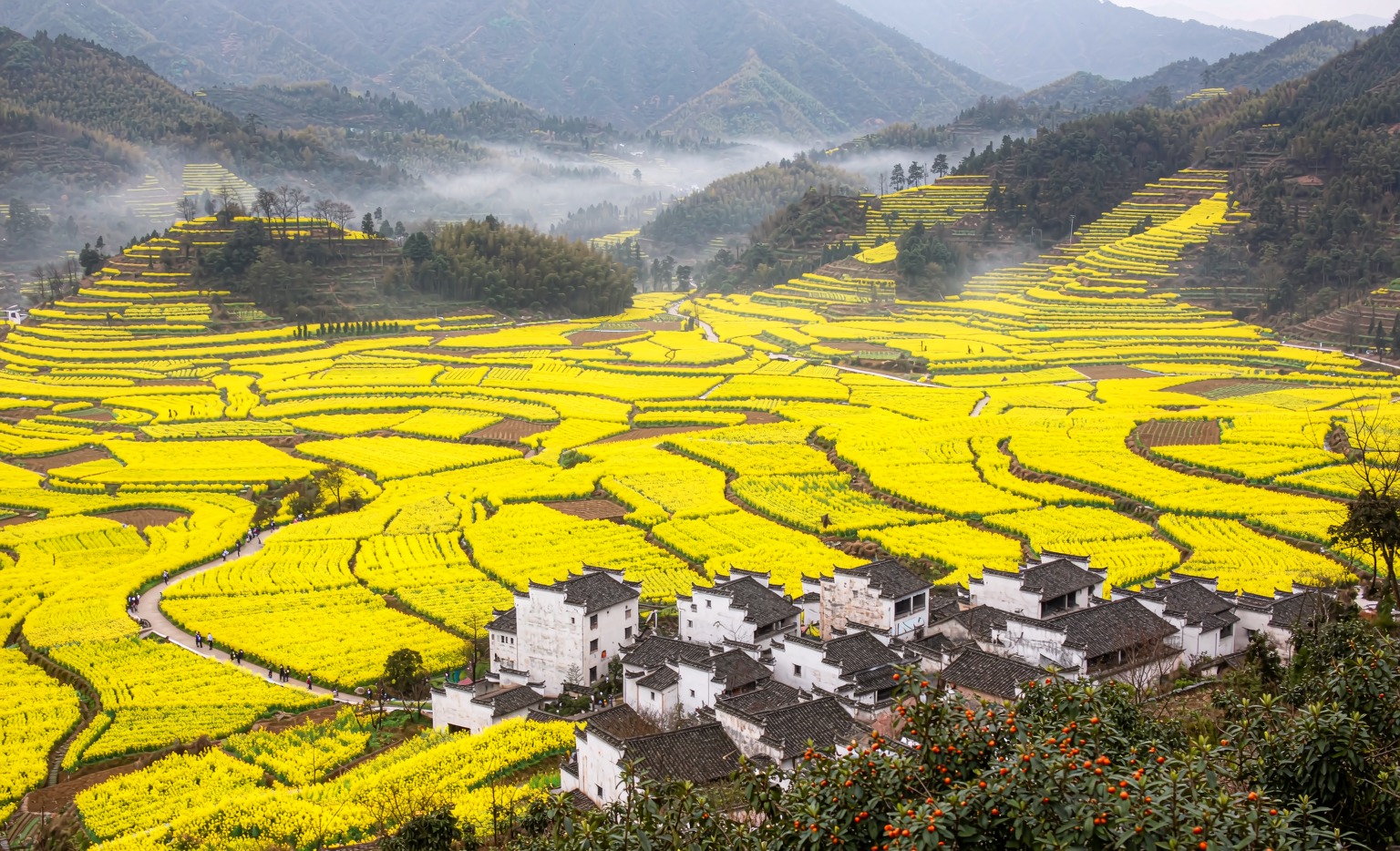
- March: the rapeseed terraces and Huizhou villages of Wuyuan in Jiangxi; peach blossom in Nyingchi, Tibet, under snow peaks; the rapeseed fields of Luoping in Yunnan. The south enters its best period while the north is still cold.
- Mid-to-late March to early April: Wuhan's cherry blossom season — the city's busiest and most worthwhile fortnight of the year.
- April: peonies in Luoyang, Henan; the Jiangnan spring (Suzhou's gardens, Hangzhou's West Lake, Yangzhou); spring hiking on the Great Wall near Beijing. April is widely rated one of the best months of the year.
- From 6 May: the north comes into its own — the historic sites of Beijing, Shanxi and Shaanxi, and the Great Wall with far fewer people.
Watch out: northern China can see dust storms in March and April; eastern China enters its plum-rain season from June.
Summer (June–August): go north, or go up
The strategy isn't "where", it's "where to hide". Two options:
North.
- Harbin and the north-east: cool in summer, and a completely different face from its winter-ice image.
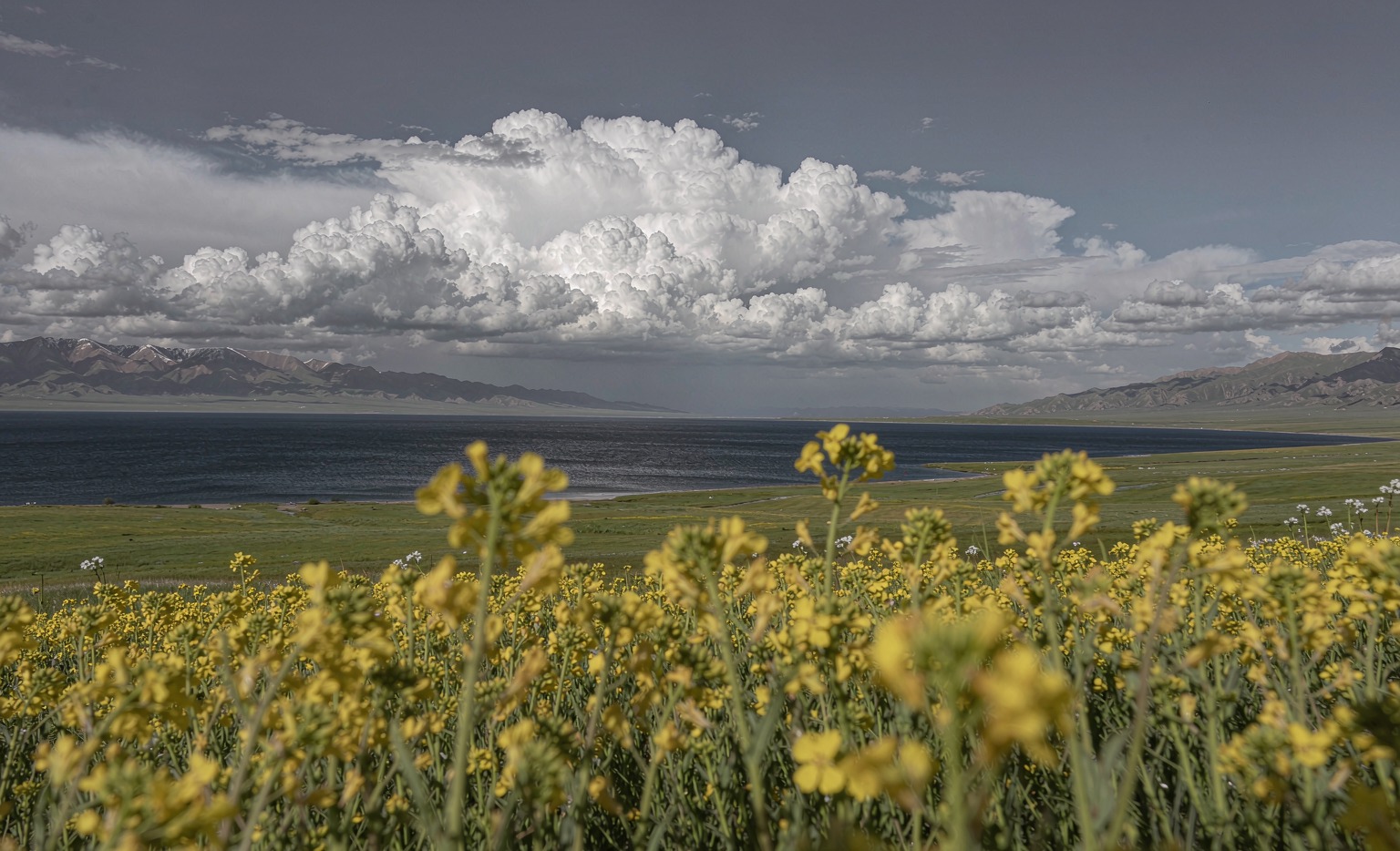
- Qinghai Lake: the July contrast of rapeseed fields against deep blue water is the set piece of the season, at comfortable temperatures.
- Chengde: the Qing imperial summer retreat, noticeably cooler than Beijing.
Up.
- Guizhou: cool mountain climate, and Huangguoshu Falls at its fullest.
- Yunnan (Kunming, Dali, Lijiang): spring-like year round, though the July–August rains can close mountain roads.
- Tibet and the western Sichuan plateau: summer is the best window, but budget days to acclimatise.
Avoid: the low-altitude cities of eastern and southern China, which are hot and humid; and the south-east coast, which carries typhoon risk from July to September.
Autumn (September–November): the best season, minus the first week
- September: most of the country at its best. Beijing has its clearest air, the Great Wall its finest visibility, Tibet its sharpest views. This is the single most recommended month of the year.
- From 8 October: the autumn colour proper begins — Fragrant Hills near Beijing (mid-to-late October), Jiuzhaigou's forests (October), the birch and larch of Kanas in Xinjiang (late September to early October), and the high-plateau colour of Daocheng Yading (October).
- November: the south's golden period — Guilin, Guangzhou and Yunnan stay warm, with good water levels and light on the Li River. The north turns cold but the sites empty out.
Watch out: 1–7 October must be avoided (see section 2).
Winter (December–February): either the coldest place or the warmest
Winter is polarising, and the middle ground is the least interesting part of it.
- Go cold: Harbin's Ice and Snow World and ice festival (peak January–February), and Changbai Mountain for skiing and hot springs. This is Harbin at its most distinctive.
- Go warm: Sanya in Hainan (the default winter escape), Xishuangbanna in Yunnan, and Beihai in Guangxi.
- Central cities: museums, galleries and food streets are the right answer this season — swap outdoor itineraries for indoor ones.
Watch out: the Spring Festival holiday (late January to mid-February) is the year's biggest peak. Avoid moving between cities.

5. How to actually avoid the crowds
1. Use borrowed leave to extend the window — and travel before the peak, not during it
The 2026 Mid-Autumn–National Day pairing is the model: three days of leave for thirteen days off. But the real value was never the extra days — it was being able to depart before 25 September. A week earlier, the cost can be a third of the peak price.
2027 has no such window (the two holidays are a fortnight apart), but there are two workable plays, both assuming the arrangement follows precedent:
- Around Spring Festival. The first day of the lunar year is 6 February 2027, a Saturday, with New Year's Eve on Friday 5 February. If the holiday starts from New Year's Eve, taking one further day off after it ends bridges to the weekend and stretches roughly seven days into nine.
- Qingming and National Day. Both sit on a Monday or Friday with a free three-day weekend. Qingming has the better value in spring — early April is blossom time in Jiangnan. National Day needs an early decision, because it is the year's most crowded window; the point of extra leave is to pull the trip forward into 28–30 September, not to extend the days that fall inside the peak.
2. Go the other way: choose small towns over big cities
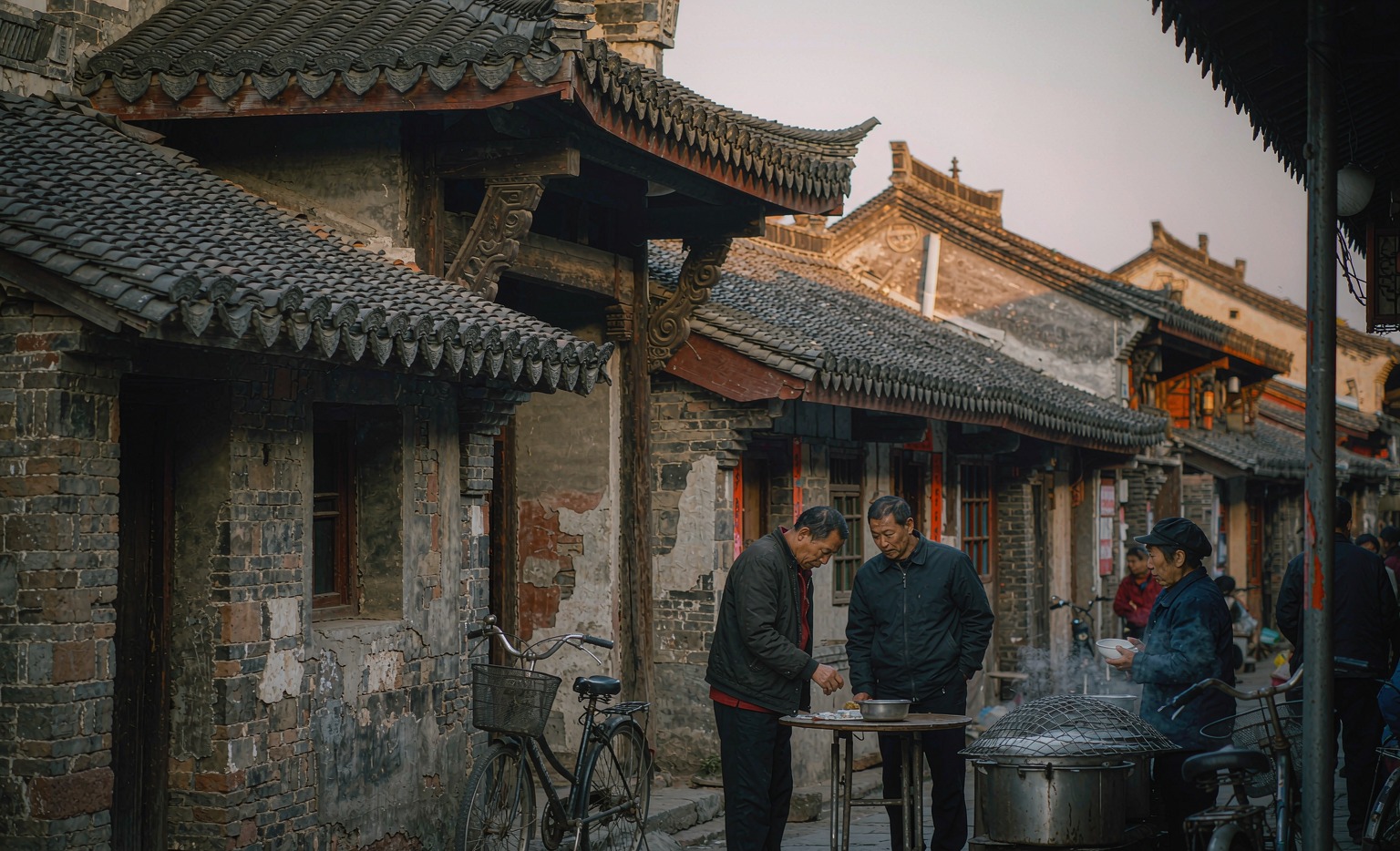
A clear 2026 trend was "big city for the family, small town for the holiday". Over Mid-Autumn, county towns branded around seasonal food — Xiangshan in Zhejiang for swimming crab, Yixian in Anhui for fermented mandarin fish, Hongya in Sichuan for autumn-bamboo duck soup — saw hotel occupancy rise more than fivefold. Another signal: Gexian Village in Shangrao, Jiangxi, using night-time Hanfu parades and moon-worship ceremonies, out-booked well-known international theme parks on Mid-Autumn's first day and topped the national attraction booking chart.
The lesson: the places you assume you must visit are being deliberately skipped by a large number of well-informed travellers.
3. Even inside a holiday, shift your dates
If you must travel during Golden Week, two patterns help:
- Day one is worst (National Day's 340 million trips is the peak). Leave a day or two earlier if you can.
- The middle sags slightly. 3–4 October is usually a little easier than 1–2 October.
4. Handle bookings and tickets early
- Timed-entry attractions are the norm at headline sites. Confirm the release time and book the moment it opens.
- Rail tickets go on sale 15 days ahead. Popular routes sell out in minutes — set a reminder.
- Flights reward flexibility. The shoulders of a holiday are the expensive part; shifting two or three days either way often produces a real gap.
5. Think about the toll-free trade-off
Free motorways turn the first and last days of a holiday into a car park. Sometimes the day you pay the toll is the fastest day to travel — fold in the hours saved, and the toll is rarely the most expensive part of the trip.
6. The short version
China's travel peaks are structural, not accidental: seven statutory holidays cluster into a few specific weeks, shifted working days manufacture longer windows, and toll-free motorways compress driving traffic into the same handful of days.
So the most important judgement in this country is not "which sight is best" but "which week has nobody competing with me for it".
Four conclusions carry most of the weight:
1. Avoid: 1–7 October (worst), Spring Festival (largest, and many businesses close), 1–5 May (the spring trap), and the two continuous months of July–August.
2. Prefer: September (best of the year), 6 May onwards, November, March.
3. Move by season: spring follows blossom from south to north; summer goes north or uphill; autumn avoids the first week; winter goes to one extreme or the other.
4. Invert the instinct: when everyone floods the headline cities and sites, go to a county town.
For 2027, two changes are enough to remember: Spring Festival moves to 6 February, and Mid-Autumn and National Day are no longer neighbours. The old "three days off, thirteen days away" play does not apply. Once the official notice lands around November, run the calendar through the method above again.