
China's inbound travel boom is heading to small towns
Inbound bookings on China's largest travel platform grew 95% in the first half of 2026 — and the hotels seeing the fastest growth are not in Beijing or Shanghai but in third-, fourth- and fifth-tier cities. One province shows what that looks like on the ground: Guizhou, where a village football league, a 19-degree summer and a waterfall that stays open at night are pulling in overseas visitors, and where the unglamorous plumbing of payments and border queues has quietly been fixed.

The numbers: small cities are outpacing the hubs
Ctrip's second-quarter results, published on 16 September, read like most big-platform earnings: net revenue of 15.66 billion yuan, up 6% year on year. The interesting line is further down. Inbound tourism orders on the platform rose 95% year on year in the first half of 2026, on top of an already high base. In the second quarter, 118,000 hotels and more than 3,600 attractions on the platform took inbound bookings.
Where those bookings landed is the story. Hotels receiving inbound orders grew 33.6% across the platform — but in third-tier cities the figure was 38.3%, in fourth-tier cities 46.2%, and in fifth-tier cities 47.9%. The smaller the city, the faster the growth. Ctrip's international OTA platform revenue, meanwhile, rose more than 50%, with Europe and the Americas growing fastest off a smaller base.
Aggregate numbers say that it is happening. They do not say what it feels like. For that, look at Guizhou.
What the boom looks like on the ground
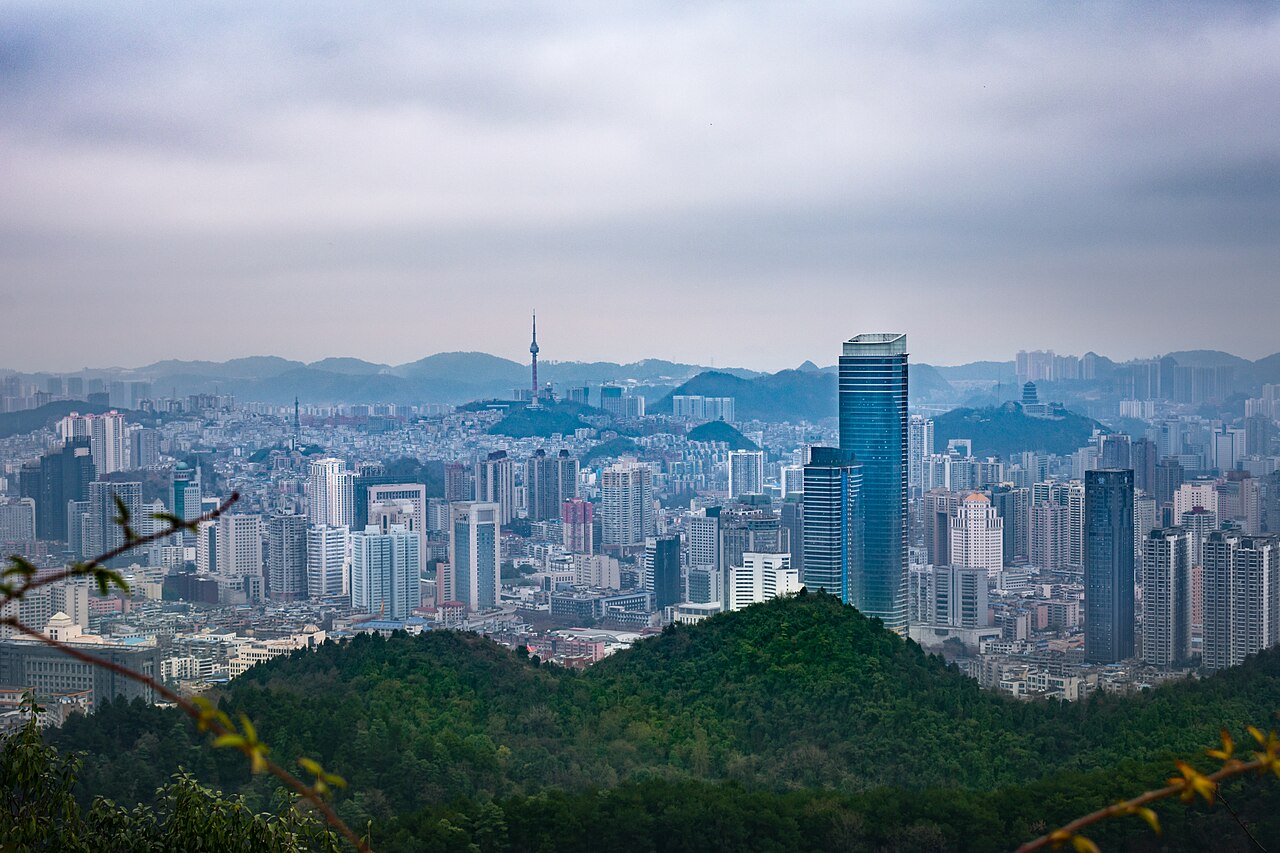
Guizhou, the mountainous southwest province long treated as a place you pass through, has had a remarkable summer. Foreign entries and exits through Guiyang's border crossing are up 27.51% since June. Inbound hotel orders for the summer rose 84% year on year — with European orders up nearly half and South American orders up 85%. On Ctrip's ranking of European summer-escape bookings, three Guizhou cities made the list: Liupanshui up 112.5%, Zunyi up 50%, Guiyang up 24.25%.
The draws are specific. In Rongjiang county, the Village Super League — village football with no tickets and no fences — has since 2023 brought in more than 40 teams and 1,700 foreign players from 63 countries and regions, and this year expanded from a county league to a province-wide competition. In Liupanshui, branded "China's cool capital" for a summer average of 19°C, foreign-guest B&B bookings grew 57% in the first half, a top-ten rate nationally. At Huangguoshu, Asia's most famous waterfall, night-tour inbound visits are up 210% this year. And in Niutiguan, a village near Anshun, foreign visitors sit with Bouyei artisans learning hand papermaking and batik as an "immersive course".

The plumbing that makes small towns possible
None of this works if a foreign card declines at the ticket window. The less photogenic half of the story is that Guizhou spent the year fixing exactly that:
- Arrivals. Building on the 240-hour transit visa-free policy, Guiyang's airport opened an international arrivals service centre handling currency exchange, foreign-card binding and transport connections in one stop. Average clearance is down 25%, and foreign passengers clear in under eight minutes.
- Payments. Ticket windows at all 4A-and-above scenic areas and all four-star-and-above hotels in the province now accept foreign bank cards. In the first half, foreign-card transactions in Guizhou rose 45.65% by value, and 169,000 foreign visitors were active mobile-payment users, with transaction volume up over 80%.
- Incentives. In March, the province opened a support package worth nearly 100 million yuan: up to 70 yuan per inbound overnight visitor (uncapped), subsidies of up to 24,000 yuan per hour for routes from key source markets like Vietnam and South Korea, and half-price off-season tickets for inbound groups. One Vietnamese operator alone sent about a hundred groups — nearly 4,000 people — in March and April.

Worth knowing. The Ctrip figures describe the whole platform; the Guizhou figures are one province's story. We are not claiming Guizhou caused the national trend — it is the clearest worked example of what the trend looks like when a province decides to chase it.
What this means for your trip
- Small towns are now actually bookable. A fifth-tier city hotel appearing on a mainstream international platform, taking a foreign card, was rare five years ago. The 47.9% figure says it is now routine.
- Summer is the unlock. When the Yangtze delta and the southeast coast swelter, Guizhou sits at 19–23°C. Summer escape routes now bundle rafting, caves, high-altitude camping and minority-village stays across Anshun, Bijie and Qiannan.
- Payments are no longer the deal-breaker. Bind a card to a mobile wallet before you fly; in Guizhou at least, 4A-and-above attractions and four-star-and-above hotels take foreign cards directly.
- English is thinner outside the hubs. The infrastructure has arrived faster than English-language service. A bilingual guide or a platform-arranged transfer still earns its keep in small counties.
Frequently asked questions
Can I visit small-town China on the 240-hour transit visa-free?
Yes — Guiyang is a covered port, and the policy allows travel within the permitted region. The province has built its arrival services around exactly this: one-stop currency exchange, card binding and onward transport at the airport.
Do I need cash in small Chinese cities?
Increasingly no. Mobile payments with a bound foreign card work widely, and in Guizhou all 4A-and-above scenic areas and four-star-and-above hotels accept foreign bank cards directly. Carry a small cash buffer for village stalls.
When is the best time to visit Guizhou?
Summer, if you want the cool-weather escape that is driving the current wave — Liupanshui averages 19°C in summer. Village Super League matches and the Huangguoshu night tour both run in the warm season.
Is the Village Super League open to foreign spectators?
Yes — it is free and unfenced, and foreign teams have played in it since 2023: more than 1,700 foreign players from 63 countries and regions so far. Match schedules are local and seasonal; check before building a trip around a specific date.